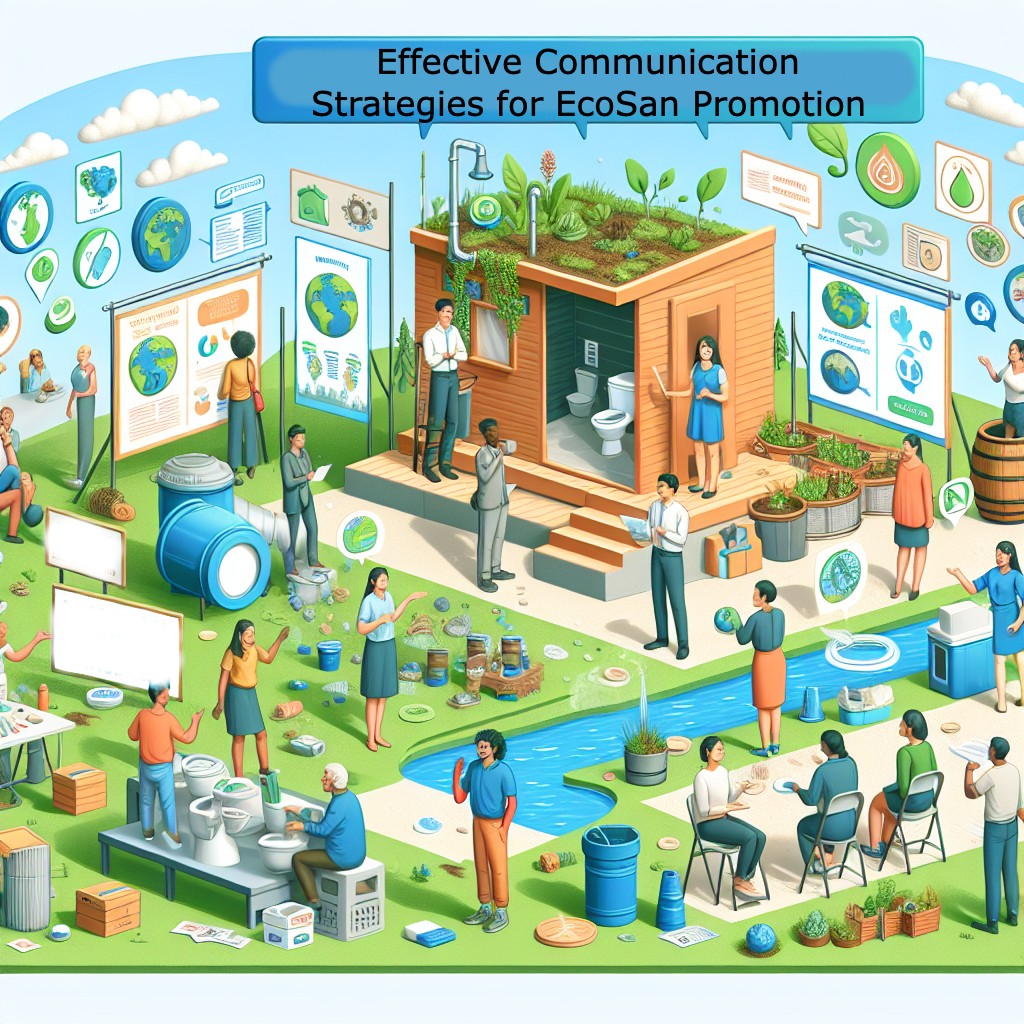
Ecological Sanitation (EcoSan) is a waste management paradigm that integrates ecological principles into the sustainable design and operation of sanitation systems. Unlike traditional sanitation systems that focus on the removal and treatment of human waste, EcoSan aims to safely close the nutrient loop by recycling human excreta into valuable resources such as fertilizers. This not only addresses public health and environmental challenges but also supports agricultural productivity and resilience.
However, the widespread adoption of EcoSan systems can be challenging. Factors include technological knowledge, cultural acceptance, and financial feasibility. One of the crucial factors that can drive the adoption of EcoSan is education. Educating communities, policymakers, and stakeholders about the benefits and practicalities of EcoSan can significantly bolster its implementation.
This article delves into the role of education in promoting EcoSan adoption, implementing effective EcoSan teaching methodologies, and empowering community leaders and stakeholders to take action. From classroom education to community workshops, we’re discussing comprehensive strategies to advance EcoSan adoption.
Integrating EcoSan Education into School Curricula
Schools serve as fundamental pillars in shaping societal values and practices. Integrating EcoSan education into school curricula can cultivate a new generation that is knowledgeable and proactive regarding sustainable sanitation practices. Introducing concepts of water conservation, nutrient cycling, and waste management from an early age fosters a sense of responsibility towards the environment.
Interactive teaching methods, such as field trips to EcoSan projects, hands-on activities like creating compost, and classroom discussions on case studies, can make the learning experience engaging and practical. By including EcoSan topics in subjects like biology, environmental science, and even social studies, students can appreciate the multidisciplinary significance of sustainable sanitation.
Moreover, school projects that involve building and maintaining small-scale EcoSan systems can allow students to see firsthand the benefits of these systems, empowering them to become advocates for EcoSan within their communities. Schools can partner with local environmental organizations to ensure that the educational content is current and relevant, further enhancing the impact of EcoSan education.
Community Workshops and Training Programs
Community involvement is pivotal for the successful adoption of EcoSan systems. Organizing workshops and training programs at the community level can address knowledge gaps and dispel myths associated with ecological sanitation.
Workshops can be designed to be interactive and inclusive, ensuring that all community members, regardless of age or educational background, can participate. Topics covered should include the basic principles of EcoSan, the health benefits, the economic advantages, and practical maintenance tips. Demonstrations of EcoSan systems, including composting toilets and urine-diverting dry toilets, can provide tangible examples to the participants.
Engaging local leaders, health workers, and educators as facilitators can enhance the credibility and reception of the training programs. It also ensures that the knowledge is passed down by trusted authorities within the community. Additionally, offering follow-up sessions and continuous support can help address any challenges or questions that arise post-workshop, fostering a sustained commitment to EcoSan practices.

Policy Advocacy and Stakeholder Engagement
Policy advocacy plays a critical role in driving systemic changes that facilitate EcoSan adoption. Educating policymakers and stakeholders about the socio-economic and environmental benefits of EcoSan is essential for garnering support at the governmental and institutional levels.
Holding seminars and conferences that bring together environmental scientists, public health experts, economists, and policymakers can create a multi-faceted dialogue on EcoSan. Presenting evidence-based research, success stories from other regions, and the long-term benefits of EcoSan can persuade stakeholders to prioritize sustainable sanitation in policy agendas.
Building coalitions with non-governmental organizations (NGOs), the private sector, and community groups can amplify advocacy efforts. Collaborative initiatives, such as pilot EcoSan projects and public awareness campaigns, can serve as models for scaling up EcoSan practices. Creating an enabling policy environment with incentives and regulatory frameworks tailored to EcoSan can significantly accelerate its adoption.
Utilizing Digital Platforms for EcoSan Education
The advent of digital technology offers novel avenues for expanding EcoSan education. Online platforms, social media, and mobile apps can reach a broader audience, overcoming geographical and logistical barriers associated with traditional educational methods.
Developing resource-rich websites that host instructional videos, downloadable guides, and interactive simulations can provide diverse learning materials accessible to anyone with an internet connection. Social media campaigns that share impactful stories, infographics, and expert interviews can raise awareness and spark interest in EcoSan among various demographics.
Mobile applications designed to offer step-by-step guides, maintenance tips, and troubleshooting advice for EcoSan systems can assist users in managing their systems efficiently. Additionally, virtual training sessions and webinars can facilitate real-time learning and engagement, making EcoSan education more flexible and inclusive. By leveraging digital platforms, we can democratize access to knowledge and build a more informed and proactive global community.
Empowering Youth and Future Leaders
Youth empowerment is a critical component of driving long-term EcoSan adoption. Young people are often more open to innovative ideas and can act as change agents within their families and communities.
Youth clubs, environmental groups, and student organizations can be powerful platforms for promoting EcoSan education. Organizing youth-led initiatives, such as clean-up drives, community gardens fertilized with EcoSan products, and awareness campaigns, can mobilize young people to take action.
Mentorship programs that connect youth with environmental experts can provide them with the knowledge and skills to advocate for EcoSan effectively. These programs can include workshops, internships, and collaborative projects focusing on sustainable sanitation.
Educational institutions can also establish partnerships with international organizations to offer scholarships and exchange programs focused on EcoSan and related fields. By investing in youth education and leadership, we can ensure a resilient and sustainable future driven by informed and passionate individuals.
Conclusion
The role of education in driving the adoption of Ecological Sanitation cannot be overstated. By integrating EcoSan education into school curricula, organizing community workshops, advocating at the policy level, leveraging digital platforms, and empowering youth, we can build a robust foundation for sustainable sanitation practices.
Education not only equips individuals with the knowledge and skills needed to implement EcoSan systems but also fosters a culture of sustainability and environmental stewardship. The cumulative impact of these educational strategies can lead to significant improvements in public health, environmental protection, and socio-economic development.
As we move forward, it is essential to continue innovating and expanding our educational approaches to ensure they remain inclusive, impactful, and relevant. By prioritizing education in our efforts to promote EcoSan, we can achieve broad-based adoption and create a more sustainable and resilient world for future generations.