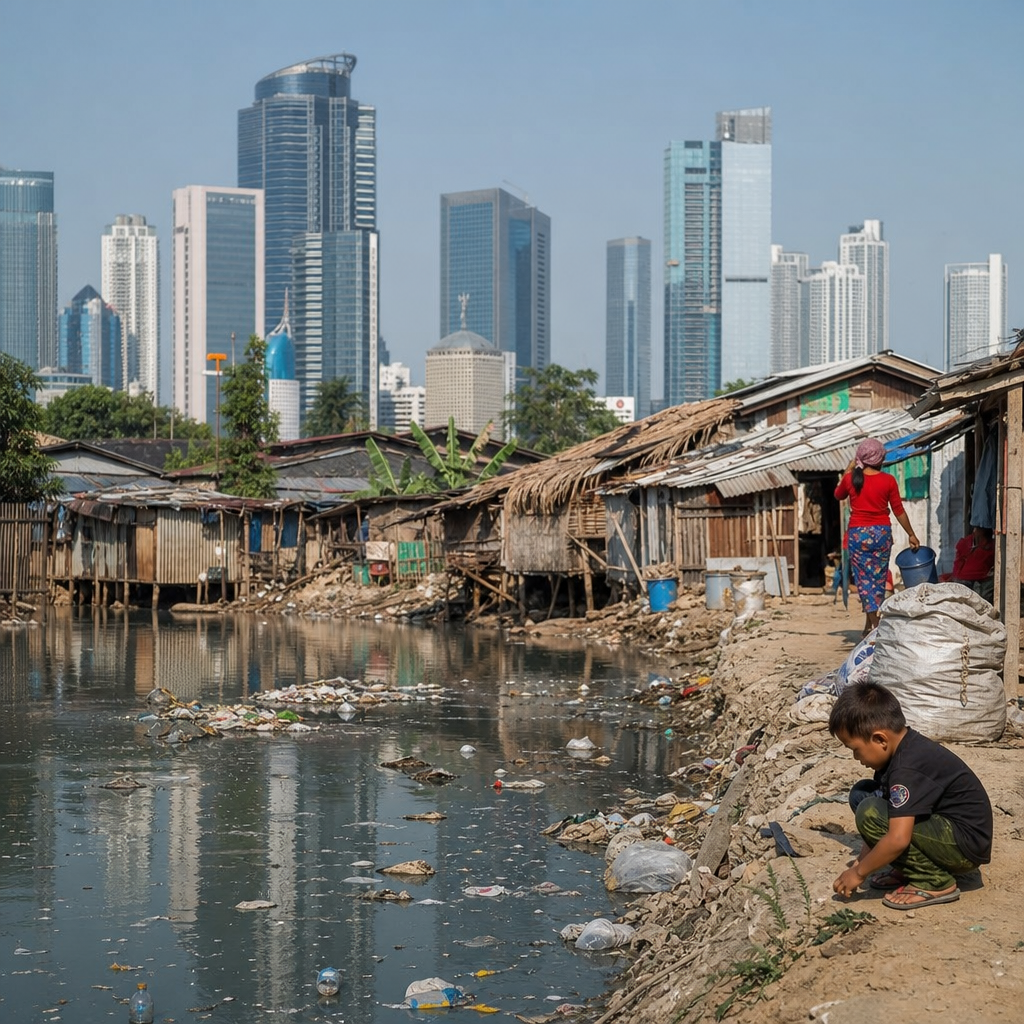
Globalization has transformed sanitation practices by accelerating the movement of people, products, financing, standards, and public health knowledge across borders. In practical terms, sanitation refers to the systems and behaviors that safely manage human waste, wastewater, solid waste, drainage, and hygiene conditions that prevent disease. When globalization reshapes supply chains, urban growth, migration patterns, and international development priorities, it also changes how communities build toilets, treat sewage, regulate waste, and coordinate responses to health threats. For governments, utilities, aid agencies, and businesses, understanding that connection is no longer optional.
Sanitation matters because it sits at the intersection of health, dignity, education, labor productivity, gender equity, climate resilience, and environmental protection. The World Health Organization and UNICEF Joint Monitoring Programme has repeatedly shown that inadequate sanitation contributes to diarrheal disease, stunting, parasitic infections, and unsafe living conditions for billions of people. I have seen sanitation projects succeed only when leaders treated them as systems, not isolated construction efforts. A toilet block without sludge management, a sewer network without power reliability, or a handwashing campaign without water access usually fails. Globalization intensifies both the risks and the opportunities because weak sanitation in one setting can affect trade, tourism, migration, and outbreak control elsewhere.
This hub article examines how global initiatives and collaborations in sanitation work, why they influence local practice, and where they fall short. It covers multilateral programs, financing models, technology transfer, urbanization pressures, climate and emergency response, private sector participation, and the role of community institutions. It also clarifies key terms that often get blurred. Sanitation is not identical to water supply, though the two are tightly linked. Hygiene promotion is not the same as infrastructure delivery, though behavior change determines whether infrastructure reduces disease. Wastewater treatment differs from fecal sludge management, especially in cities where most households rely on onsite containment such as pit latrines and septic tanks. These distinctions matter when comparing international strategies and local implementation results.
Global collaboration has pushed sanitation up the policy agenda through the Sustainable Development Goals, especially Target 6.2 on access to adequate and equitable sanitation and hygiene and Target 6.3 on water quality and wastewater treatment. Yet the impact of globalization is not uniformly positive. Imported technologies can be poorly matched to local soils, informal settlements, or utility capacity. Donor priorities can favor visible construction over long term operation and maintenance. International standards can improve safety, but they can also be hard for low income municipalities to meet without technical and fiscal support. The real question is not whether globalization affects sanitation. It is how countries, cities, and communities can shape global influence into durable, inclusive, affordable sanitation systems.
How globalization changes sanitation systems on the ground
Globalization affects sanitation through four main channels: ideas, money, materials, and mobility. Ideas move through global health guidance, engineering standards, and professional networks. Money moves through development banks, climate funds, philanthropic grants, export credit, and private investment. Materials move through international supply chains for pipes, pumps, treatment chemicals, prefabricated toilet components, sensors, and vacuum trucks. Mobility brings workers, refugees, students, tourists, and urban migrants into places where sanitation systems may already be under strain. In my experience with infrastructure planning, that combination can improve service quickly when institutions are strong, but it can expose weaknesses just as quickly when governance is fragmented.
One clear example is the spread of citywide inclusive sanitation, a planning approach promoted by the World Bank, the Bill & Melinda Gates Foundation, and sector partners. Instead of assuming every city should pursue universal sewerage, this model evaluates the whole sanitation chain for all residents, including those in informal settlements. It recognizes that many fast growing cities need a mix of simplified sewers, septic systems, container based services, transfer stations, fecal sludge treatment plants, and regulated emptying markets. Globalization enabled this shift by creating shared evidence from Dakar, Lusaka, Dhaka, and Kigali, allowing decision makers to compare what worked under different density, income, and groundwater conditions.
Another major change is benchmarking. Utilities and ministries now use internationally recognized indicators to track safely managed sanitation, wastewater treatment rates, nonrevenue water interactions, service coverage, and sludge treatment performance. Benchmarking creates accountability and helps unlock finance because lenders want measurable outcomes. But the downside is that metrics can oversimplify local realities. A household may technically have improved sanitation while still relying on unsafe manual emptying or discharging untreated effluent into drains. Good global practice therefore combines indicators with field verification, regulatory audits, and service chain analysis.
Global initiatives and collaborations in sanitation
Global sanitation progress depends heavily on coordinated institutions rather than isolated projects. The United Nations sets broad development goals, while WHO develops health guidance, UNICEF supports behavior change and service delivery, UN-Habitat addresses urban systems, and the Joint Monitoring Programme tracks global data. Development banks such as the World Bank, Asian Development Bank, African Development Bank, and Inter-American Development Bank finance large infrastructure and reform programs. Specialist networks including the Sustainable Sanitation Alliance, International Water Association, and WaterAid connect practitioners, utilities, researchers, and governments. These collaborations matter because sanitation requires policy, engineering, finance, health education, regulation, and maintenance to align over many years.
Sanitation and Water for All is a useful example of high level collaboration. It convenes governments, donors, civil society, and development partners around mutual accountability for water, sanitation, and hygiene commitments. The value is not only the pledging process. It also creates pressure for ministries of finance, health, education, and local government to coordinate instead of treating sanitation as a narrow public works issue. In countries where I have seen sector reviews improve, the turning point was often cross ministry planning tied to budget commitments and publicly tracked targets.
Emergency collaborations also reveal globalization’s impact. During cholera outbreaks or displacement crises, sanitation responses draw on international protocols from WHO, operational support from UNICEF and nongovernmental organizations, and logistics networks that move treatment supplies, temporary latrines, desludging equipment, and laboratory materials across borders. The Sphere Standards have become especially influential in humanitarian sanitation because they translate public health principles into minimum service expectations for camps and emergency settlements. That common language reduces confusion between agencies and helps field teams prioritize safe excreta disposal, drainage, and handwashing facilities under severe time pressure.
| Initiative or actor | Main sanitation role | Practical impact |
|---|---|---|
| WHO and UNICEF Joint Monitoring Programme | Global data and service definitions | Guides national targets and donor decisions |
| World Bank | Infrastructure finance and policy reform | Supports utilities, treatment plants, and citywide planning |
| Sanitation and Water for All | Political coordination and accountability | Aligns ministries, donors, and civil society around commitments |
| Sustainable Sanitation Alliance | Knowledge exchange and technical guidance | Spreads proven approaches across regions |
| Sphere Standards | Humanitarian service benchmarks | Improves emergency sanitation quality and consistency |
Technology transfer, innovation, and local adaptation
One of globalization’s strongest benefits is faster technology transfer. Vacuum trucks, geotextile dewatering systems, decentralized wastewater treatment units, urine diversion toilets, prefabricated handwashing stations, digital monitoring sensors, and GIS based asset management tools can now move from pilot to wider adoption much faster than in the past. Mobile payments have also changed sanitation service models. In several African and Asian cities, households can book desludging through call centers or apps, compare prices, and pay electronically, which reduces informal cash leakage and improves route efficiency.
However, sanitation technology does not travel well unless institutions adapt it to local conditions. A membrane bioreactor may perform well in a well funded industrial district but fail in a secondary city with unstable electricity, weak procurement, and limited spare parts access. Septic tank standards copied from high income countries may be unrealistic where plot sizes are small and groundwater is shallow. I have repeatedly found that operation and maintenance capacity matters more than the sophistication of the equipment. The most durable solutions are often mid level technologies with clear supply chains, trained local operators, and enforceable maintenance routines.
Innovation is also changing resource recovery. Wastewater and sludge are increasingly treated as sources of water, energy, and nutrients rather than pure disposal problems. Anaerobic digestion can produce biogas, treated effluent can support nonpotable reuse, and dried sludge can sometimes be co processed or turned into soil products when regulations allow. Global collaboration has accelerated these models by connecting municipalities with engineering firms, climate finance, and research institutions. Still, the economics are case specific. Resource recovery rarely covers all costs, so sound business planning and environmental safeguards are essential.
Urbanization, inequality, and the limits of imported models
Globalization and urbanization reinforce each other. As cities become connected to global labor markets and regional trade, they attract rapid population growth that often outpaces sanitation infrastructure. Informal settlements expand where land tenure is insecure, streets are too narrow for conventional sewers, and utilities lack accurate customer records. In these settings, the sanitation challenge is not simply technical. It is political, legal, and spatial. Standard network expansion models can miss renters, migrants, and low income households because formal service rules were designed for planned neighborhoods.
International funding can help cities close infrastructure gaps, but only if projects address inequality directly. A treatment plant on the urban fringe does little for public health if most fecal sludge never reaches it. Sewer investments can improve central business districts while peripheral communities continue to rely on unsafe pits and drains. This is why pro poor regulation, targeted subsidies, and service chain mapping are now central to serious sanitation planning. Cities such as Durban and Kampala have shown that utility reform, community engagement, and differentiated service models can reach more residents than a one size fits all sewer strategy.
Imported models fail most often when they assume sanitation choices are purely technical. They are not. Households weigh cost, privacy, safety, water availability, tenancy status, and cultural norms. Women and girls may prioritize lighting, lockable doors, and menstrual hygiene management. Landlords may resist upgrades if enforcement is weak. Municipal engineers may favor sewerage for prestige, even when onsite systems are more feasible. Global collaborations work best when they bring evidence and financing without erasing local decision making.
Financing, governance, and what effective collaboration requires
Sanitation is chronically underfinanced because benefits are dispersed across health, environment, education, and productivity, while costs are immediate and politically difficult. Globalization has broadened the financing mix. Alongside taxes, tariffs, and transfers, the sector now draws on blended finance, output based aid, climate adaptation funding, municipal bonds in some markets, and results based contracts. The challenge is that sanitation revenues are often too low to fully recover costs, especially for fecal sludge management and services to low income communities. Sustainable financing therefore depends on public subsidy, transparent regulation, and realistic lifecycle costing.
Effective collaboration starts with governance, not procurement. Countries that make progress usually clarify who is responsible for policy, regulation, asset ownership, service delivery, and public health enforcement. They also invest in data systems, licensing, operator training, and sludge disposal controls. When those foundations are weak, international money can build infrastructure that no agency truly manages. Strong programs sequence reforms: establish standards, map service gaps, pilot delivery models, build treatment capacity, formalize private emptiers, and then scale. That order reduces stranded assets and improves accountability.
Looking ahead, the impact of globalization on sanitation practices will deepen as climate shocks, antimicrobial resistance, migration, and water scarcity intensify. The most successful global initiatives will be the ones that treat sanitation as a complete public service chain, not a short term construction target. For decision makers, the core lesson is clear: borrow knowledge globally, finance pragmatically, and implement locally with rigor. For readers exploring global challenges and opportunities, use this hub as a starting point for related topics such as wastewater reuse, urban fecal sludge management, humanitarian sanitation, and sanitation financing. Better collaboration produces better sanitation, and better sanitation protects health, dignity, and economic resilience for everyone.
Frequently Asked Questions
1. How has globalization changed sanitation practices around the world?
Globalization has changed sanitation practices by increasing the speed at which ideas, technologies, materials, funding, and public health strategies move across borders. In the past, sanitation systems were often designed and managed mostly within local or national contexts. Today, cities, governments, NGOs, manufacturers, and international agencies regularly exchange standards, engineering models, treatment technologies, and behavior change approaches. This has helped many communities gain access to better toilets, safer wastewater treatment methods, improved hygiene education, and more efficient solid waste and drainage systems.
At the same time, globalization has made sanitation more complex. Rapid urbanization, international migration, and expanding trade can place heavy pressure on existing infrastructure, especially in low-income and fast-growing urban areas. Informal settlements may grow faster than sewer networks, drainage systems, or fecal sludge services can keep up. Global supply chains can improve access to pipes, pumps, membranes, disinfectants, and toilet components, but they can also create dependence on imported parts, which makes systems vulnerable to price shocks or shipping delays. In short, globalization has raised sanitation expectations and opportunities, but it has also exposed deep inequalities in who benefits from modern sanitation systems and who remains underserved.
2. What are the biggest benefits of globalization for sanitation and public health?
One of the biggest benefits is the global spread of sanitation knowledge and public health evidence. International research has strengthened understanding of how poor sanitation contributes to diarrheal disease, parasitic infections, child stunting, environmental contamination, and broader social and economic losses. Because this knowledge is shared widely, governments and development organizations are better equipped to design sanitation policies that are evidence-based rather than reactive. Global collaboration has also helped establish common goals, such as safely managed sanitation services, which give countries a clearer framework for measuring progress.
Another major benefit is improved access to financing, technology, and professional expertise. Globalization allows countries to draw on international development banks, philanthropic funding, technical partnerships, and private-sector innovation. This can support wastewater treatment plants, non-sewered sanitation systems, fecal sludge management services, flood-resilient drainage, and digital monitoring tools. In addition, professional exchange has made it easier for sanitation planners to adapt successful models from other regions, whether that means container-based sanitation in dense settlements, decentralized treatment in peri-urban areas, or hygiene promotion campaigns linked to schools and clinics. Overall, globalization has helped elevate sanitation from a purely local service issue to a central pillar of public health, environmental protection, and human development.
3. What challenges does globalization create for sanitation systems in growing cities and communities?
Globalization can accelerate economic growth and urban expansion, but sanitation infrastructure often does not expand at the same pace. As people move to cities for work, education, or safety, population density can rise quickly in neighborhoods that lack sewer connections, stormwater drainage, waste collection, or safe toilet access. This creates significant health risks, including contaminated water, disease outbreaks, and the unsafe disposal of fecal sludge and household waste. In many places, the result is a patchwork system where wealthier areas benefit from modern infrastructure while low-income communities rely on shared facilities, pit latrines, open drains, or informal disposal methods.
There are also governance and supply chain challenges. Globalization can introduce advanced sanitation technologies, but local authorities may struggle with maintenance budgets, operator training, spare parts availability, or regulatory oversight. A treatment system that works well in one country may perform poorly in another if electricity is unreliable, water supply is limited, or institutional responsibilities are fragmented. Climate-related pressures tied to global environmental change, such as flooding, drought, and sea-level rise, further complicate sanitation planning. The central challenge is not simply importing better equipment or policies, but building systems that are locally affordable, socially accepted, environmentally resilient, and institutionally sustainable over the long term.
4. How do international standards and development programs influence local sanitation solutions?
International standards and development programs play a powerful role in shaping how sanitation problems are defined and addressed. Global frameworks often encourage countries to focus on safety, equity, environmental performance, and measurable service outcomes rather than just counting the number of toilets built. This has been an important shift because effective sanitation depends not only on access, but also on what happens across the full service chain: containment, emptying, transport, treatment, reuse, or disposal. International guidelines can also improve quality by promoting better design standards, monitoring practices, occupational safety, and disease prevention measures.
However, local success depends on adaptation rather than simple replication. A sanitation model promoted by international donors may need major adjustments to fit local land availability, cultural preferences, groundwater conditions, rainfall patterns, income levels, and governance structures. For example, a sewer-based system may be appropriate in one dense urban center, while decentralized or non-sewered options may be more practical in another. The most effective development programs combine global expertise with local participation, ensuring that communities, utilities, municipal leaders, and frontline workers help shape the solution. When international influence is collaborative and context-sensitive, it can strengthen local capacity rather than override it.
5. Why is sanitation equity such an important issue in a globalized world?
Sanitation equity matters because globalization does not affect all communities in the same way. While some areas benefit from investment, new technologies, and stronger public health systems, others experience overcrowding, environmental stress, insecure housing, and limited access to basic services. Poor sanitation disproportionately affects low-income households, informal settlement residents, migrants, rural communities, people with disabilities, women, and children. In a globalized economy, these inequalities can deepen when infrastructure investment favors commercially valuable districts over marginalized communities, or when policy frameworks prioritize visibility and speed over long-term inclusion.
Equity is also essential because sanitation is closely tied to dignity, safety, education, productivity, and health. A lack of safe toilets and waste services can expose people to disease, increase risks of gender-based violence, reduce school attendance, and limit economic opportunity. From a policy perspective, equitable sanitation is not only a moral goal but a practical one. Disease transmission, water pollution, and infrastructure failure do not remain confined to one neighborhood. In an interconnected world, local sanitation gaps can become wider public health and environmental problems. That is why modern sanitation planning increasingly emphasizes universal access, affordability, accessibility, resilience, and the inclusion of communities that have historically been left out of infrastructure development.