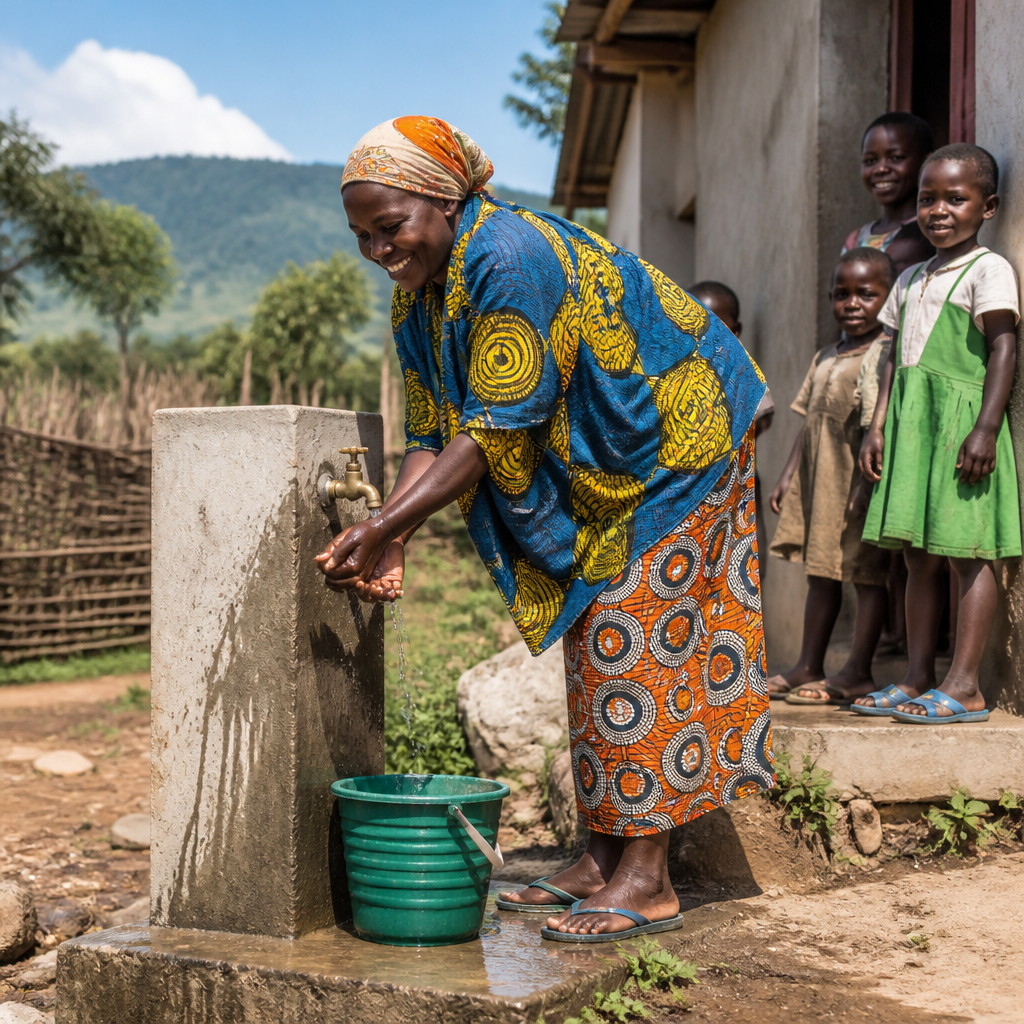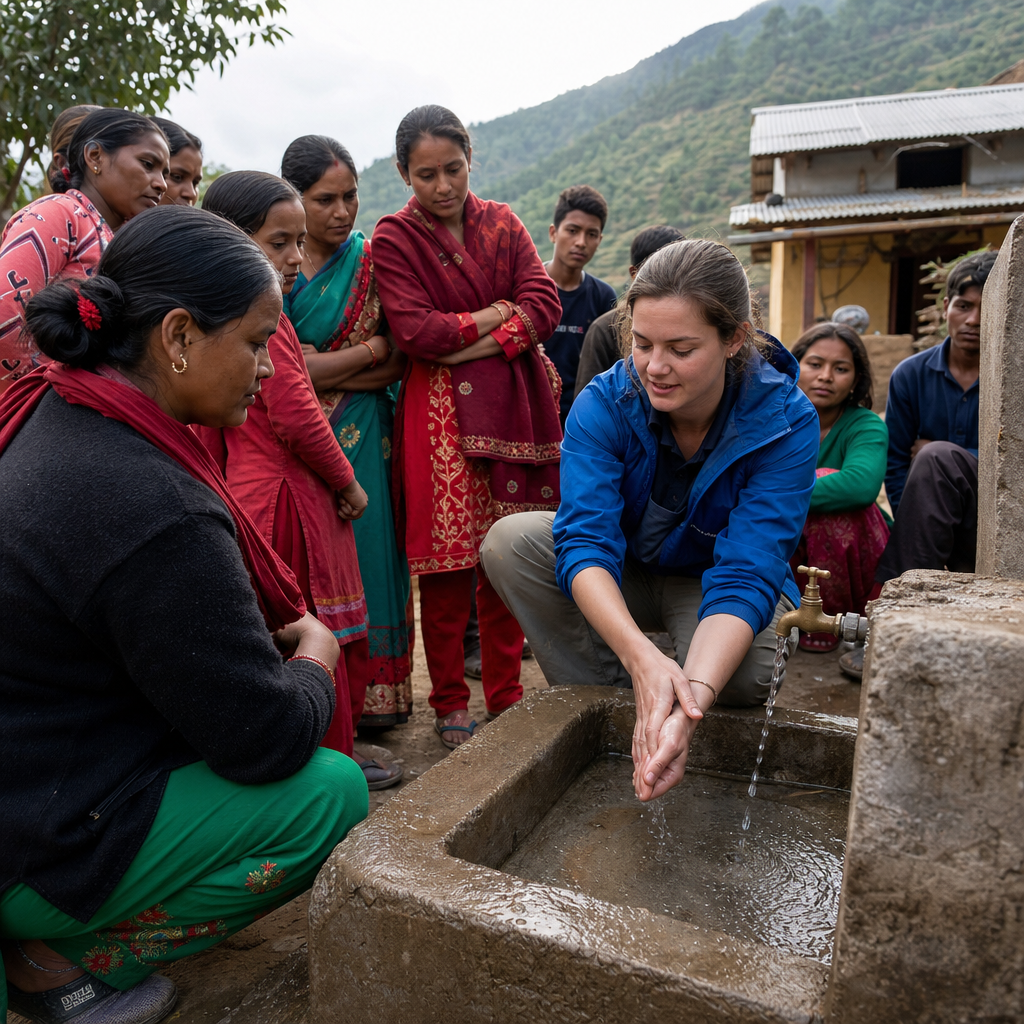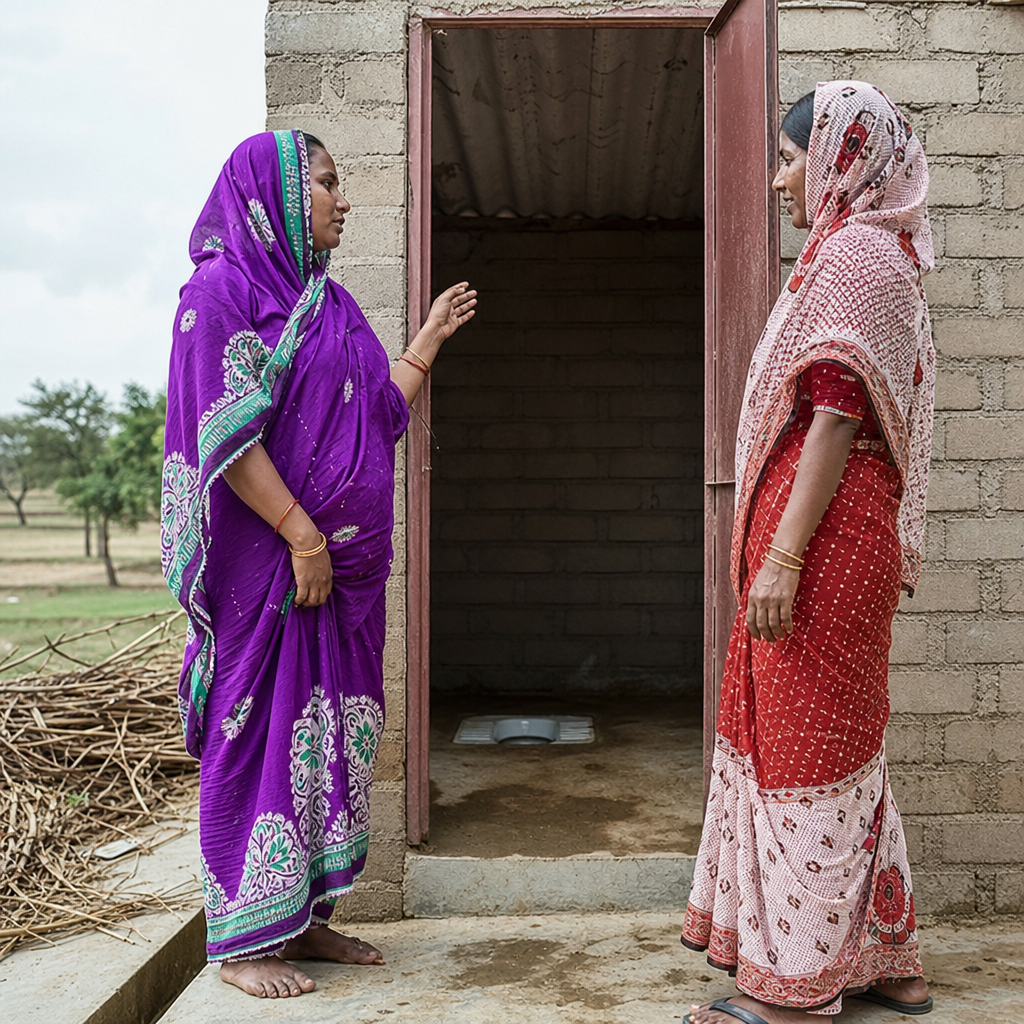
Sanitation and gender are inseparable in global development because the safety, design, affordability, and governance of toilets, handwashing facilities, wastewater systems, and menstrual hygiene services shape whether women, girls, and gender-diverse people can study, work, travel, and participate in public life. In practice, sanitation means far more than latrine construction. The term includes containment, transport, treatment, disposal, and reuse of human waste, alongside hygiene behaviors and services that keep people healthy. Gender, in this context, refers to the different needs, risks, roles, and power relationships that affect how people access and influence sanitation systems. When I have worked on sanitation planning, the biggest failures rarely came from engineering alone; they came from ignoring who feels safe using a facility, who maintains it, who pays for it, and who is excluded from decisions.
This matters globally because inadequate sanitation affects health, education, income, dignity, and climate resilience at the same time. According to the WHO and UNICEF Joint Monitoring Programme, billions of people still lack safely managed sanitation, and many schools and health facilities operate without basic services. The burden is not gender neutral. Girls may miss school during menstruation when toilets lack privacy, water, or disposal options. Women often face harassment or assault when facilities are distant or poorly lit. Care workers, usually women, carry the unpaid labor of cleaning children, older adults, and family members with disabilities when sanitation systems fail. Transgender and nonbinary people may avoid public toilets entirely because of stigma or unsafe design. A serious global strategy must therefore connect infrastructure, public health, education, financing, labor, and rights.
Global initiatives and collaborations in sanitation increasingly recognize that toilets alone do not solve inequity. Effective programs align with public policy, community engagement, utility performance, school standards, urban planning, and data systems that capture gendered outcomes. This hub article explains the main strategies shaping international action: policy integration, financing, citywide inclusive sanitation, school and healthcare interventions, humanitarian response, technology, data, and cross-sector partnerships. It also highlights the tradeoffs I have seen repeatedly in the field, such as how rapid facility rollout can undermine long-term maintenance, or how gender targets can become symbolic if women are not given budget authority and decision-making power. The most successful approaches combine practical service delivery with institutional reform, making sanitation safer and more equitable across households, schools, workplaces, informal settlements, and public spaces.
Why gender-responsive sanitation requires system-wide planning
Gender-responsive sanitation means designing and managing services around different lived realities rather than assuming one standard user. A technically sound toilet can still fail if women cannot reach it safely at night, if pregnant users cannot navigate steps, if menstrual products have nowhere to be disposed of, or if a caregiver cannot enter with a child. Global sanitation leaders now frame this as a service chain issue, not just a facility issue. Every link matters: containment, emptying, transport, treatment, reuse, and safe worker conditions. If pits are never emptied safely, households may abandon facilities. If treatment plants are underfunded, pollution returns to communities that already face health burdens.
System-wide planning also means recognizing differences between rural, peri-urban, and dense urban contexts. In many low-income cities, sewer expansion is too slow or too expensive to reach everyone quickly, especially residents of informal settlements. That is why citywide inclusive sanitation has gained traction among development banks, utilities, and municipal governments. The model accepts multiple service types, including septic tanks, container-based sanitation, simplified sewers, and fecal sludge management, as long as outcomes are safe, regulated, and equitable. From a gender perspective, this approach is valuable because it focuses on actual service access and public accountability instead of prestige infrastructure alone. It creates space to ask who is excluded, who pays informal fees, and whose neighborhood remains off the investment map.
Institutional coordination is equally important. Ministries of water, health, education, gender, urban development, and finance often work in parallel, producing fragmented results. The best national strategies establish joint targets, shared budgets, and clear regulatory roles. India’s Swachh Bharat Mission demonstrated how political visibility can accelerate toilet coverage, but it also showed the need to follow infrastructure gains with behavior change, fecal sludge management, and attention to women’s sustained use and safety. In Bangladesh, collaboration among government agencies, NGOs, and local entrepreneurs has helped normalize sanitation markets while integrating hygiene education and women’s participation. These examples show that scale comes from institutions that can align policy, service delivery, and social norms over time.
Global initiatives and collaborations in sanitation: who leads and how they work
International progress depends on coordinated action among multilateral agencies, national governments, city authorities, civil society, research institutions, and private operators. The Sustainable Development Goals, especially Goal 6 on water and sanitation and Goal 5 on gender equality, provide the broad framework. Within that agenda, WHO sets health guidance, UNICEF drives service delivery and monitoring support, UN Women advances gender integration, and the World Bank, regional development banks, and bilateral donors finance infrastructure and reform. The Sanitation and Water for All partnership has been particularly important in bringing ministers of finance, water, health, and education into one accountability process, helping countries move beyond siloed commitments.
Specialized organizations add operational depth. WaterAid, Plan International, the Toilet Board Coalition, SNV, the Gates Foundation, and many local NGOs have helped test models for menstrual health, market-based sanitation, inclusive design, and utility strengthening. Academic groups and think tanks contribute evidence on what works, from fecal sludge treatment performance to the effects of school toilets on attendance. In my experience, the strongest collaborations are not the ones with the largest launch event; they are the ones that agree early on who collects data, who owns assets, how tariffs will be set, and what safeguards exist for low-income users. Without these details, partnerships can produce short-lived pilots that never become public systems.
Governments remain central because regulation, land use rules, public finance, labor standards, and education policy cannot be outsourced. National leadership matters most when setting service standards that include privacy, lighting, locks, menstrual hygiene facilities, accessibility, and safe emptying requirements. Local leadership matters most in budgeting, procurement, enforcement, and community trust. For this hub topic, readers should treat global collaborations not as separate projects but as layers of influence: international norms create momentum, financing enables investment, national policy defines rules, and local institutions determine whether services are actually reliable and safe for all users.
Financing models that improve sanitation and gender outcomes
Sanitation financing works best when capital expenditure, operations and maintenance, and household affordability are addressed together. Too many programs fund construction but neglect cleaning contracts, desludging services, spare parts, or treatment costs. Gender outcomes deteriorate quickly under that pattern because women and girls are often the first to stop using dirty or unsafe facilities. Public budgets remain essential, especially for schools, health centers, public toilets, and low-income areas where full cost recovery is unrealistic. However, smart subsidies should be targeted, transparent, and linked to service quality rather than political patronage.
Blended finance can help expand services where public funds are limited. Development finance institutions may provide concessional loans for wastewater treatment or non-sewered sanitation systems, while governments use grants to support household connections or safely managed fecal sludge services in poor neighborhoods. Microfinance has also enabled household toilet upgrades in countries such as Cambodia and Indonesia, especially when paired with sanitation marketing and mason training. The limitation is that debt is not appropriate for the poorest households, survivors of displacement, or communities facing insecure land tenure. In those cases, direct subsidy or public provision is usually necessary.
| Financing approach | How it works | Gender benefit | Main limitation |
|---|---|---|---|
| Public budget allocation | Government funds infrastructure and service delivery | Can prioritize schools, clinics, and low-income users | Often vulnerable to political cycles |
| Output-based aid | Payments released after verified service results | Rewards usable, functioning facilities | Verification systems can be complex |
| Microfinance | Small household loans for toilets or upgrades | Supports privacy and convenience at home | Excludes people unable to take on debt |
| Utility tariffs with lifeline support | Users pay service fees with protections for poor households | Improves service continuity when designed fairly | Hard to implement in informal areas |
A gender lens changes how financing decisions are made. It asks whether women participate in budget committees, whether procurement includes cleaning and menstrual waste management, whether public toilets support caregivers, and whether workers in the sanitation chain have safe equipment and fair pay. It also recognizes sanitation as an economic issue. Time saved from secure household or nearby facilities can increase women’s labor participation, reduce school absence, and lower health expenditures. That return on investment is real, even when it does not appear immediately in utility balance sheets.
Schools, healthcare facilities, and workplaces as priority settings
Schools are among the highest-impact settings for gender-responsive sanitation because they shape attendance, concentration, and dignity during adolescence. Effective school WASH programs provide separate, safe, and functional toilets; water for washing; menstrual product support or disposal systems; disability access; and cleaning budgets tied to accountability. UNESCO, UNICEF, and many education ministries now emphasize that infrastructure without operation plans fails quickly. I have seen schools with newly built toilet blocks become unusable within a year because no one funded soap, repairs, or janitorial oversight. Good policy therefore links standards to recurrent financing and monitoring.
Healthcare facilities are equally critical. The absence of reliable sanitation in maternity wards, clinics, and emergency rooms increases infection risk and undermines respectful care. WHO and UNICEF have documented major service gaps in health facilities worldwide, especially in low-resource settings. For women and newborns, the consequences are immediate. Clean toilets, hand hygiene stations, waste segregation, and wastewater management are basic patient safety requirements, not optional amenities. Gender-sensitive design also supports staff retention, privacy, breastfeeding, and safe sanitation access for patients with limited mobility or for caregivers who stay overnight.
Workplaces and public transport hubs deserve more policy attention. Women working in markets, factories, farms, and informal vending often depend on shared or pay-per-use toilets that are poorly maintained or unsafe after dark. Migrant laborers and sanitation workers face additional risks, including exposure to hazardous waste and harassment. Employers, municipalities, and labor regulators can improve outcomes through minimum facility standards, accessible handwashing, changing rooms where relevant, and grievance systems that workers trust. When sanitation is treated as an occupational health issue, compliance improves because the responsibility becomes institutional rather than charitable.
Technology, data, and inclusion in urban and humanitarian settings
Technology is useful when it solves a service problem, not when it chases novelty. In urban sanitation, digital tools now support route planning for desludging trucks, customer reporting, payment tracking, and treatment plant monitoring. GIS mapping helps cities identify neighborhoods lacking safe access, while mobile surveys can capture women’s safety concerns around public toilets or school routes. Container-based sanitation, urine-diverting dry toilets, and decentralized treatment can be effective in flood-prone or high-density areas where conventional sewerage is not feasible. The right choice depends on soil conditions, density, land tenure, water availability, regulation, and maintenance capacity.
Data quality is one of the biggest barriers to better gender outcomes. National surveys often count whether a toilet exists but not whether it is safe, accessible, private, affordable, well lit, or usable during menstruation or pregnancy. They may also ignore transgender users, caregivers, and persons with disabilities. Better indicators should capture functionality, cleanliness, queue time, distance, emptying frequency, affordability, and user perception of safety. Disaggregated data matters because average coverage rates can hide severe exclusion in slums, refugee camps, border areas, or minority communities. Good data also supports internal linking across policy sectors by showing education, health, and labor impacts together.
In humanitarian settings, sanitation must be fast, safe, and adaptive. The Sphere Standards provide widely used benchmarks for dignity, safety, access, and participation in emergencies. Yet camps and displacement sites still struggle with lighting, lockable doors, menstrual materials, drainage, and safe placement of toilets for women and children. Collaboration among relief agencies, local authorities, and affected communities is essential because conditions change quickly. The most effective emergency responses I have reviewed use women-led consultation groups, rapid feedback loops, and staged upgrades from temporary facilities to more durable systems. That approach reduces protection risks while building a bridge from emergency relief to long-term service planning.
What successful global strategies have in common
Across countries and contexts, successful sanitation and gender strategies share five traits. First, they define sanitation as a complete service chain with clear performance standards. Second, they build gender considerations into budgets, procurement, staffing, and monitoring rather than adding them as messaging later. Third, they prioritize local institutions, especially municipalities, schools, clinics, and utilities that must keep services running after donors leave. Fourth, they use community engagement to improve design choices without shifting all responsibility onto unpaid women’s labor. Fifth, they measure results through health, safety, attendance, affordability, and user trust, not only through the number of toilets built.
Readers using this hub article to explore global initiatives and collaborations in sanitation should keep one practical lesson in mind: durable progress comes from combining infrastructure with governance. A toilet that is private, clean, and maintained can change a girl’s school experience, a market worker’s safety, and a family’s disease risk. A national strategy that funds those outcomes consistently can change far more. The next step is simple: examine the sanitation programs, policies, and partnerships in your sector or region and ask whether they are truly designed for the people most often left out. That question is where better sanitation, and better gender equity, begins.
Frequently Asked Questions
Why are sanitation and gender considered inseparable in global development?
Sanitation and gender are inseparable because sanitation systems directly shape safety, health, dignity, mobility, and economic participation. For women, girls, and many gender-diverse people, the quality and accessibility of toilets, handwashing facilities, bathing spaces, menstrual hygiene support, and wastewater services influence whether they can attend school consistently, work full days, travel safely, and take part in public life without fear or shame. When sanitation is inadequate, the burden is not distributed equally. Women and girls are more likely to manage household water, care for children and sick relatives, and navigate menstruation, pregnancy, postpartum recovery, and menopause in environments that may lack privacy, soap, water, lighting, locks, or safe waste disposal.
Globally, poor sanitation can increase exposure to harassment, assault, infection, and lost educational opportunities. Girls may miss school when facilities do not support menstrual hygiene management, and women may avoid using public or shared toilets after dark if they feel unsafe. Gender-diverse people often face exclusion or abuse in sex-segregated sanitation settings that do not account for their needs or identities. In that sense, sanitation is not just a technical infrastructure issue; it is a question of rights, public health, social inclusion, and equitable governance. Effective development strategies recognize that a toilet alone is not enough. The entire sanitation chain, from containment and transport to treatment, maintenance, affordability, and accountability, must be designed in ways that respond to the realities different genders face every day.
What makes sanitation systems genuinely gender-responsive rather than simply functional?
A gender-responsive sanitation system is one that is planned, financed, built, and managed with the lived experiences of different users in mind. A facility may technically function, but if it lacks privacy, locks, lighting, water for washing, menstrual product disposal, accessibility for caregivers or people with disabilities, and affordable user fees, it may still fail large parts of the population. Gender-responsive sanitation looks beyond basic access and asks whether the system is safe, dignified, convenient, inclusive, and usable at all stages of life.
In practical terms, this means infrastructure should include features such as secure doors, internal latches, proper lighting, handwashing stations with soap and water, space for changing menstrual materials, bins or incineration options for disposal, and designs that support pregnant users, older adults, and people with disabilities. It also means thinking about location and operating hours. Toilets placed far from homes, schools, transit hubs, or marketplaces can create safety risks and reduce use. Shared facilities need maintenance systems, reliable cleaning, and responsive management so they remain hygienic and trusted.
Just as important is participation in decision-making. Sanitation becomes truly gender-responsive when women, adolescent girls, and gender-diverse people are consulted early and meaningfully in planning, budgeting, and oversight. Their feedback should influence site selection, design standards, service models, pricing, and grievance mechanisms. Data also matters. Governments and service providers need sex-disaggregated and inclusion-focused data to understand who is being served, who is excluded, and why. In short, a gender-responsive sanitation system is not defined only by engineering performance. It is defined by whether people can use it safely and confidently in real life.
How do global sanitation strategies address menstrual hygiene and the needs of women and girls across the life course?
Strong global sanitation strategies increasingly recognize that menstrual hygiene is a core sanitation issue, not a side topic. To support women and girls across the life course, sanitation systems must account for menstruation, pregnancy, childbirth recovery, caregiving, and changing health needs over time. This requires facilities that provide privacy, water, soap, space to change, and safe disposal options for menstrual materials. In schools, workplaces, health facilities, refugee settings, and public spaces, these elements are essential for consistent attendance, comfort, and dignity.
Effective approaches also address the broader ecosystem around menstrual health. This includes affordable access to menstrual products, accurate education that reduces stigma, and service delivery standards that treat menstrual waste management as a routine part of sanitation planning. Where disposal systems are missing, users may resort to unsafe or unsanitary methods, which can clog infrastructure, create environmental problems, or discourage facility use altogether. Integrating menstrual hygiene into sanitation policy helps ensure that design, procurement, maintenance, and waste treatment systems work together rather than leaving users to solve gaps on their own.
Importantly, the needs of women and girls are not static. Adolescents in school, women working in informal markets, pregnant people, new mothers, and older women may all require different forms of access and support. Global strategies that take a life-course approach move beyond one-size-fits-all solutions and instead promote flexible, context-specific services. They also encourage public institutions to normalize menstrual health in budgets, standards, and monitoring systems. When menstrual hygiene is fully integrated into sanitation policy, the result is not only better facility use, but greater educational continuity, workforce participation, health protection, and social inclusion.
What policy and governance strategies are most effective for improving sanitation outcomes through a gender lens?
The most effective policy and governance strategies combine legal recognition, targeted financing, institutional coordination, and community accountability. A gender lens in sanitation policy begins with acknowledging sanitation as a public service and a matter of equity, not just household responsibility. National and local governments need standards that explicitly require privacy, safety, menstrual hygiene support, accessibility, and inclusive design in homes, schools, health centers, workplaces, transport systems, and public areas. Without these requirements written into policy, gender-responsive sanitation often depends on short-term projects rather than becoming normal practice.
Funding is equally important. Gender-responsive sanitation rarely succeeds when budgets cover construction but not operation, maintenance, staffing, cleaning supplies, wastewater treatment, or monitoring. Effective strategies allocate resources across the full sanitation chain and support low-income households and underserved communities through subsidies, social protection, or pro-poor tariffs where needed. Urban informal settlements, rural regions, crisis-affected populations, and schools often require tailored financing models because standard service delivery systems may not reach them effectively.
Governance also improves when affected groups have real influence. This means including women’s organizations, youth groups, disability advocates, and gender-diverse communities in planning and oversight processes. Complaint systems should be accessible and trusted, allowing users to report safety concerns, broken facilities, discriminatory treatment, or poor maintenance. Strong monitoring frameworks can track not just the number of toilets built, but whether facilities are used, maintained, affordable, safe, and inclusive. Ultimately, policy success depends on treating sanitation as a multisector issue connected to health, education, labor, housing, environment, and gender equality. The best governance strategies create accountability across all of those areas rather than isolating sanitation as a narrow infrastructure task.
What are the biggest barriers to implementing gender-inclusive sanitation globally, and how can they be overcome?
One of the biggest barriers is the tendency to define sanitation too narrowly. Many programs still focus primarily on toilet construction without investing in the surrounding systems that determine whether services are actually safe and sustainable. If waste is not properly contained, transported, treated, and managed, or if facilities are not cleaned and maintained, sanitation access remains incomplete. Another major barrier is social stigma. Menstruation, incontinence, caregiving needs, and the experiences of gender-diverse people are often overlooked because they are considered sensitive topics, which can lead to designs and policies that ignore real user needs.
Cost and inequality are also central challenges. The people most affected by poor sanitation are often those with the least political influence and the fewest financial resources. Rural communities, informal settlements, displaced populations, low-income households, and people with disabilities may face multiple barriers at once. Public toilets may charge fees that exclude regular use, while household improvements may be unaffordable without financing support. In many places, weak institutions, fragmented responsibilities, and insufficient data make it difficult to identify gaps and respond effectively.
Overcoming these barriers requires a shift from isolated projects to system-level reform. Governments and partners need to invest in long-term service delivery, inclusive standards, reliable maintenance, and the full sanitation chain. They should collect better data on safety, usability, affordability, and who is excluded, not just on facility counts. Community engagement must go beyond consultation and give affected groups a voice in decisions. Education campaigns can help reduce stigma around menstruation and gender inclusion, making it easier to build public support for better services. Perhaps most importantly, sanitation interventions should be designed as part of broader gender equality strategies. When sanitation is linked to education, public safety, health, labor participation, and human rights, it becomes easier to justify the sustained political and financial commitment needed to deliver meaningful change.