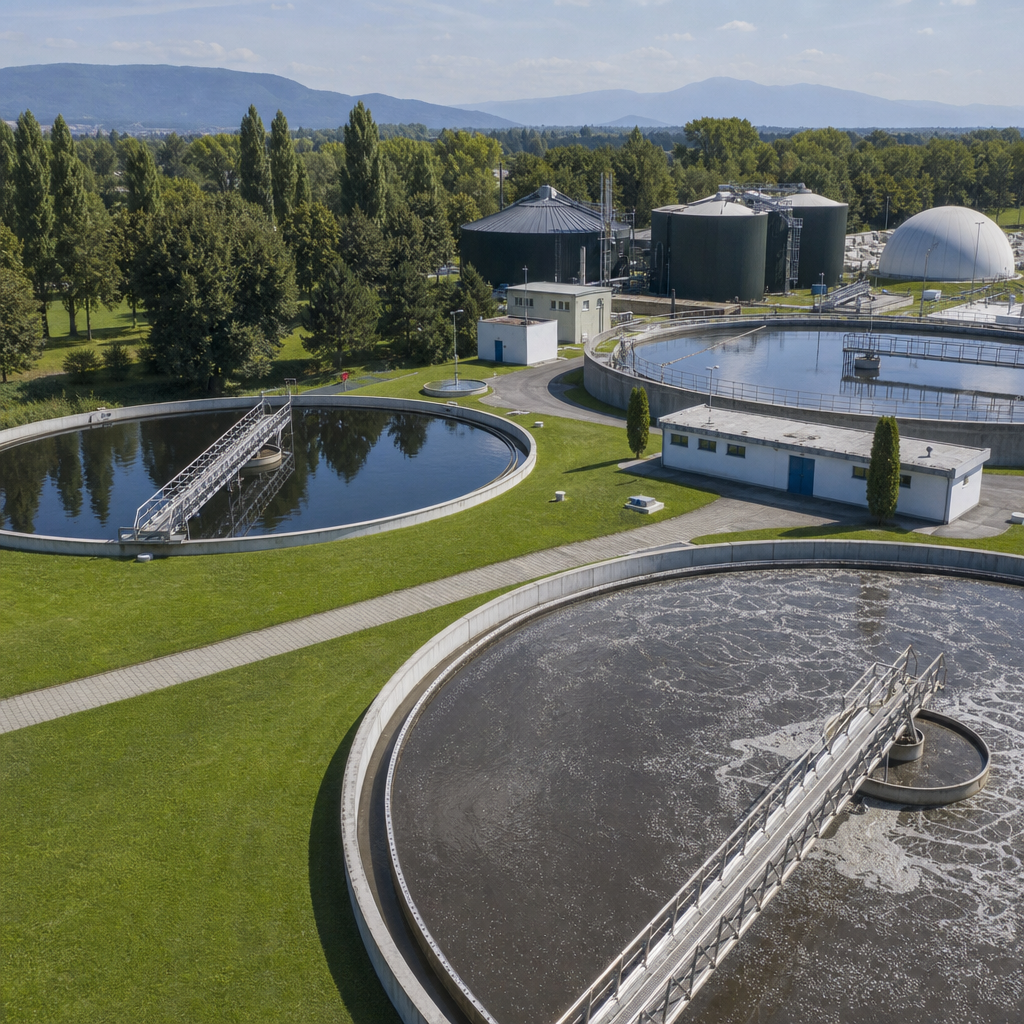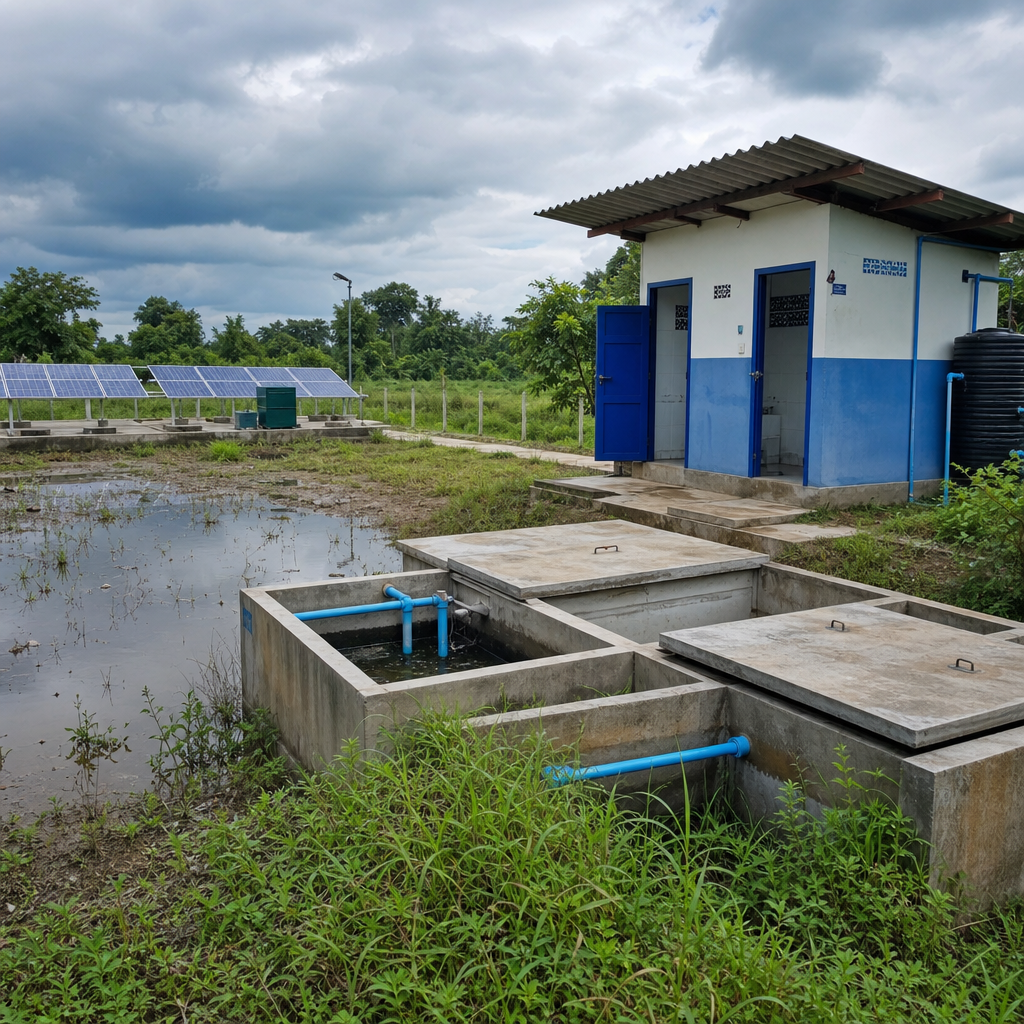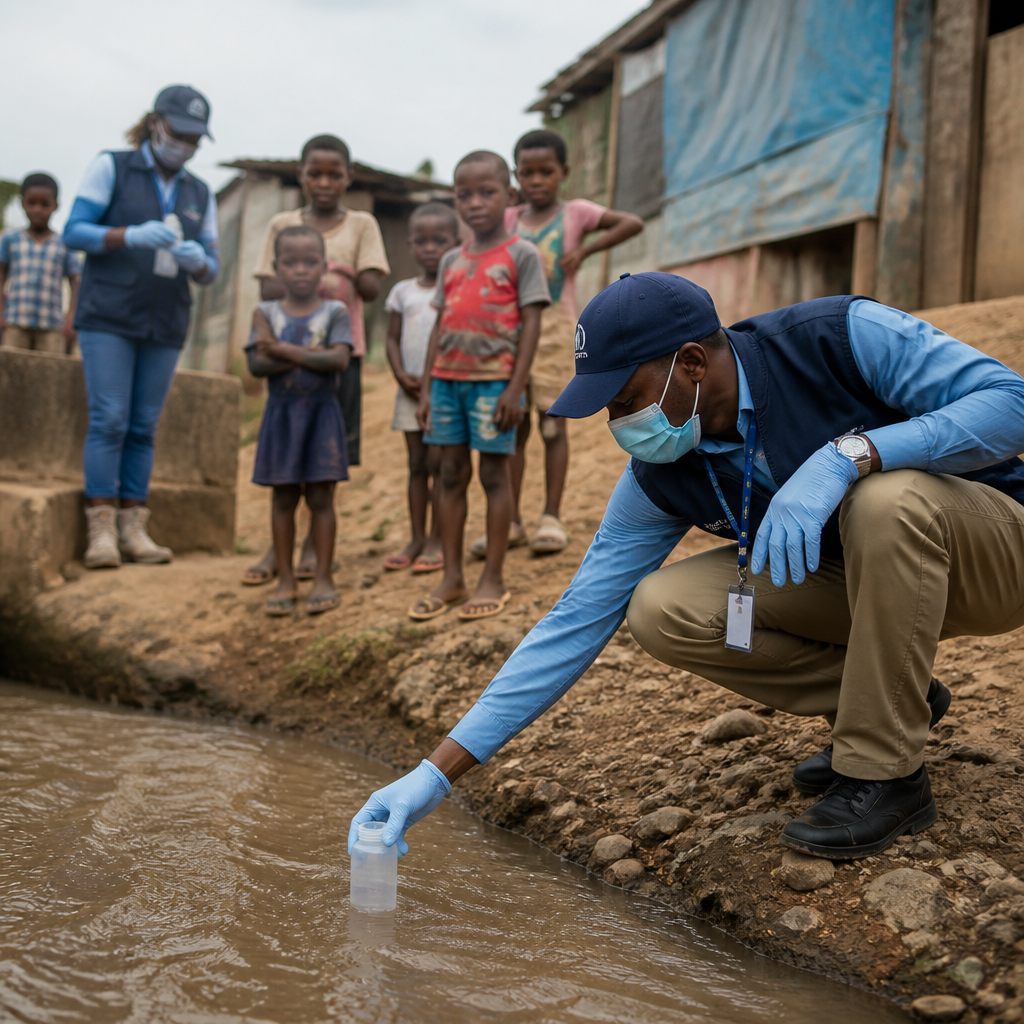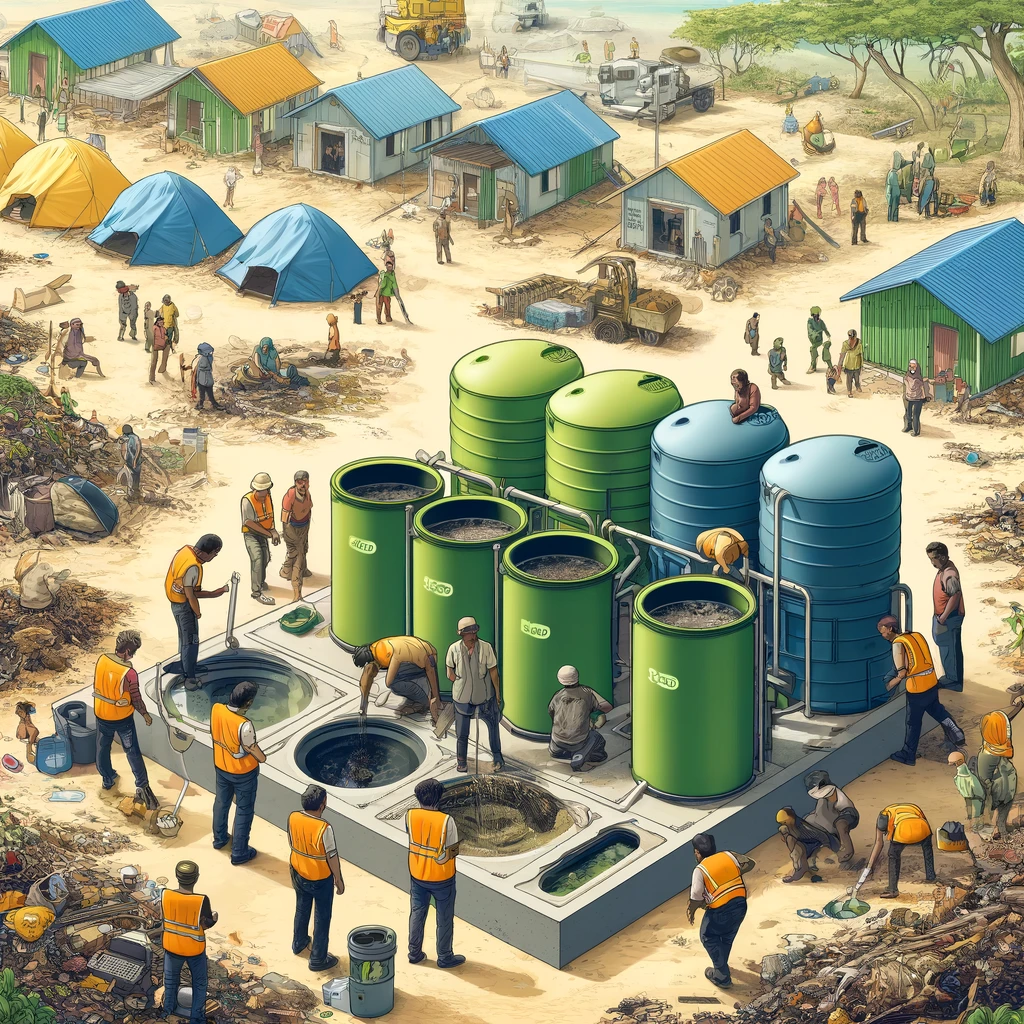

Global governance shapes sanitation management by setting norms, mobilizing finance, coordinating emergencies, and aligning governments, utilities, and communities around shared public health goals. In sanitation, global governance means the network of international institutions, treaties, standards, donors, research bodies, and cross-border partnerships that influence how human waste is safely contained, transported, treated, reused, or disposed of. I have worked on sanitation planning discussions where local engineering choices were constrained less by pipes and pumps than by financing rules, environmental standards, and donor reporting frameworks. That experience makes one point clear: sanitation is local in delivery, but global in regulation, risk, and opportunity. The stakes are high because inadequate sanitation drives diarrheal disease, stunting, school absenteeism, water pollution, antimicrobial resistance, and lost economic productivity. According to the WHO and UNICEF Joint Monitoring Programme, billions of people still lack safely managed sanitation, meaning excreta are not fully contained and treated. Global governance matters because sewage contamination does not respect borders, climate shocks can overwhelm fragile systems, and investment decisions made in multilateral forums shape what gets built in cities, villages, schools, and health facilities. A strong governance framework turns sanitation from a narrow infrastructure issue into a development platform touching health, gender equity, climate resilience, resource recovery, and urban growth.
How global governance sets sanitation priorities
The most important role of global governance in sanitation management is agenda setting. International targets create political pressure and practical direction. Sustainable Development Goal 6, especially target 6.2 on access to adequate and equitable sanitation and hygiene and target 6.3 on improving water quality and wastewater treatment, gave sanitation a measurable place in national planning. Before these targets, sanitation was often overshadowed by drinking water because it was less visible and more politically difficult. Once countries had to report progress through recognized indicators, ministries of finance, health, water, education, and urban development had a common reference point.
Global institutions also define what counts as progress. The shift from basic access metrics to safely managed sanitation changed investment logic. A household latrine alone is no longer the finish line if fecal sludge is dumped untreated into drains or wetlands. This standards-based framing has pushed cities to consider the full sanitation service chain, from toilet access to conveyance, treatment, and end use or disposal. In practice, that means a mayor seeking external support is more likely to present an integrated fecal sludge management plan, not just a toilet construction campaign.
Agenda setting is reinforced through technical guidance. The World Health Organization sanitation safety planning framework, for example, helps operators identify health risks across the entire system and apply preventive controls. UN-Habitat advances citywide inclusive sanitation, a planning model that accepts multiple technologies, including sewers and non-sewered systems, so long as outcomes are safe, equitable, and accountable. These concepts matter because many low-income and rapidly urbanizing areas cannot wait for universal sewer networks. Global governance gives legitimacy to practical, phased, and locally appropriate approaches.
Financing, accountability, and implementation at scale
Sanitation succeeds when global governance connects money to accountable implementation. Multilateral development banks such as the World Bank, African Development Bank, Asian Development Bank, and Inter-American Development Bank finance treatment plants, sewer expansion, sludge treatment facilities, utility reforms, and municipal capacity building. Bilateral agencies and philanthropic organizations fill gaps by supporting innovation, monitoring systems, and pro-poor service models. In my experience, the strongest sanitation programs are those that combine capital expenditure with long-term operational financing, because treatment plants without maintenance budgets become stranded assets quickly.
Global governance improves sanitation finance in three ways. First, it lowers risk by creating common procurement, safeguard, and reporting rules, making it easier for investors and governments to work together. Second, it channels grants and concessional loans toward underserved populations, schools, informal settlements, and healthcare facilities that would otherwise be commercially unattractive. Third, it increases accountability through benchmarking and disclosure. Programs such as the World Bank’s results-based financing approaches tie disbursements to verified outputs like household connections, treatment performance, or safely managed services.
Still, financing has tradeoffs. Large infrastructure programs can prioritize visible assets over maintenance, behavior change, or operator training. Donor fragmentation can also create overlapping pilots with incompatible data systems. Better global governance addresses this by aligning funding behind national sanitation strategies, public expenditure reviews, tariff reform, and utility performance improvement. The lesson is straightforward: sanitation is not underfunded only because of scarcity, but also because governance often fails to convert available resources into durable service delivery.
Global opportunities in sanitation
Global opportunities in sanitation are growing because the sector now sits at the intersection of health security, circular economy policy, climate adaptation, and digital infrastructure. For governments and service providers, the opportunity is not just to close access gaps but to build smarter systems that recover value, reduce emissions, and create jobs. Fecal sludge and wastewater contain nutrients, organic matter, heat, and water that can be reused when treatment is safe and regulated. Cities that once viewed sanitation entirely as a cost center increasingly treat it as critical resilience infrastructure.
One major opportunity is resource recovery. Treated biosolids can support agriculture when quality standards are met, while anaerobic digestion can produce biogas for cooking, heat, or electricity. Wastewater reuse can supplement irrigation or industrial demand in water-stressed regions. Another opportunity is non-sewered sanitation innovation. Container-based sanitation, urine diversion, decentralized treatment, and packaged treatment units are attracting interest where density, groundwater conditions, or informal land tenure make conventional sewering difficult. The International Organization for Standardization has supported this shift through ISO 30500 for non-sewered sanitation systems, giving manufacturers and regulators a recognized performance benchmark.
Digital tools are also changing sanitation management. Utilities now use geographic information systems, remote sensors, asset management software, and treatment monitoring dashboards to reduce overflow events and improve maintenance scheduling. Satellite data and climate models can help identify flood-prone areas where pit latrines or septic systems are likely to fail. On the social side, mobile payment systems and digital customer registries can make desludging services more transparent and easier to subsidize for low-income households.
| Opportunity | How global governance supports it | Real-world implication |
|---|---|---|
| Resource recovery | Standards for biosolids, reuse, and emissions reporting | Utilities can turn waste into compost, fuel, or reclaimed water safely |
| Non-sewered systems | Performance standards, testing protocols, and procurement guidance | Dense settlements can expand service without waiting for full sewer networks |
| Climate resilience | Access to adaptation finance and disaster risk frameworks | Flood-resistant sanitation reduces disease outbreaks after storms |
| Digital management | Data standards and donor support for monitoring platforms | Operators detect failures faster and allocate maintenance budgets better |
| Inclusive service delivery | Human rights principles and equity-focused reporting requirements | Schools, clinics, women, and persons with disabilities are less likely to be excluded |
These opportunities are global because the enabling conditions often come from outside any single municipality. Standards, concessional finance, procurement models, and knowledge exchange create pathways for adoption. When governance is coherent, local sanitation managers can move faster and with less technical uncertainty.
Public health, climate, and cross-border risk management
Sanitation is a frontline public health intervention, and global governance is essential when health threats scale across borders. Poorly managed wastewater can spread enteric pathogens, contaminate food systems, and increase pressure on already fragile health services. During outbreaks, sanitation in healthcare facilities and dense urban settlements becomes urgent, not optional. The relevance became even more visible when wastewater surveillance emerged as a valuable epidemiological tool during the COVID-19 pandemic. Coordinated methods, laboratory protocols, and data sharing allowed public health agencies to use wastewater signals to track viral trends without relying only on clinical testing.
Climate change strengthens the case for stronger governance. Flooding can submerge pit latrines, overwhelm combined sewers, damage treatment plants, and flush untreated waste into rivers and coastal zones. Drought can concentrate pollutants and increase the appeal of treated wastewater reuse. Sea level rise threatens sanitation systems in low-lying deltas and small island states through saltwater intrusion and infrastructure corrosion. These are not isolated engineering problems. They require climate adaptation finance, resilient design standards, watershed governance, and emergency planning frameworks that are often negotiated or influenced internationally.
There is also a growing link between sanitation and antimicrobial resistance. Wastewater from hospitals, pharmaceutical manufacturing, and livestock operations can carry resistant organisms and antibiotic residues. Global organizations are increasingly integrating sanitation into broader antimicrobial resistance strategies because preventing environmental spread is part of protecting medicine itself. This is a case where sanitation management contributes directly to global health security.
Inclusion, rights, and the politics of service delivery
Effective global governance in sanitation management does more than build infrastructure; it shapes who gets served first and who remains invisible. International human rights principles have pushed sanitation policy to address dignity, safety, affordability, and non-discrimination. That matters in practical terms. Women and girls face heightened risks when toilets are unsafe, distant, or not designed for menstrual hygiene. Persons with disabilities are excluded when facilities lack accessible design. Informal settlement residents are often left unserved because utilities treat unclear land tenure as a barrier to investment.
Global governance improves inclusion by embedding equity into indicators, project appraisals, and safeguard systems. A school sanitation project today is more likely to consider sex-separated facilities, handwashing stations, accessibility features, and operation budgets than a similar project twenty years ago. In healthcare facilities, sanitation standards are now linked more explicitly to infection prevention and control. These shifts did not happen automatically; they followed sustained international advocacy, monitoring, and evidence building.
Politics still matters. Sanitation reforms can threaten entrenched interests around land, tariffs, contractor selection, or sludge disposal. That is why transparent regulation and community engagement are as important as engineering design. In cities where I have seen progress, leaders built trust by publishing service maps, licensing desludging operators, enforcing disposal rules, and explaining tariffs clearly. Global governance cannot replace local politics, but it can provide the standards and incentives that make fairer service delivery more likely.
What stronger governance should look like next
The next phase of sanitation governance should focus on integration, not isolated projects. Countries need national frameworks that connect urban sanitation, rural sanitation, public health, climate plans, school infrastructure, and water resource management. Regulators should adopt outcome-based standards that measure containment, transport, treatment, worker safety, effluent quality, and reuse performance across both sewered and non-sewered systems. Municipalities need creditworthy institutions, realistic tariffs, targeted subsidies, and asset management plans. Donors should reduce fragmentation by using shared indicators and backing long-term capacity, not just short pilot cycles.
Better data is equally important. Many governments still know how many toilets were built but not whether sludge was safely treated or whether treatment plants meet discharge standards consistently. Strong governance means interoperable monitoring, independent verification, and public reporting. It also means recognizing sanitation workers, who often face dangerous conditions, social stigma, and weak labor protections. Any credible sanitation strategy should include occupational health safeguards, mechanization where feasible, and formalization of service chains.
For organizations working across the global challenges and opportunities agenda, sanitation deserves hub-level attention because it connects infrastructure, environment, health, education, gender, and economic development in a single service system. The central lesson is simple: global governance does not deliver sanitation by itself, but without it, sanitation management remains fragmented, inequitable, and too slow. Strong international standards, smarter financing, accountable institutions, and inclusive local implementation create the conditions for safely managed sanitation at scale. Governments, development partners, utilities, researchers, and civil society should use this moment to align policy with practice, invest in full-service systems, and treat sanitation as a foundation of resilient development. If you are mapping priorities within global opportunities in sanitation, start with governance, because better rules and better coordination make every technical solution more effective.
Frequently Asked Questions
1. What does global governance mean in sanitation management?
Global governance in sanitation management refers to the international system of institutions, agreements, standards, funding mechanisms, research networks, and partnerships that help shape how sanitation is planned, financed, regulated, and improved across countries. It is not a single world government directing sanitation policy. Instead, it is a coordinated framework involving organizations such as the United Nations, the World Health Organization, development banks, donor agencies, regional bodies, technical experts, utilities, civil society groups, and national governments. Together, these actors influence how human waste is safely contained, collected, transported, treated, reused, or disposed of in ways that protect health and the environment.
In practical terms, global governance matters because sanitation challenges do not exist in isolation. Disease outbreaks can cross borders, climate shocks can disrupt sanitation systems in multiple countries, and financing gaps in low-income settings often require international support. Global governance helps create common definitions, service benchmarks, and public health priorities so countries are not solving the same problems from scratch. It also encourages a shift from simply building toilets to managing the full sanitation service chain, including fecal sludge management, wastewater treatment, operator capacity, and long-term maintenance.
From a planning perspective, global governance provides a shared language for decision-making. It shapes how governments set targets, how utilities report service performance, how donors evaluate projects, and how communities are included in implementation. That influence can be seen in sanitation safety planning, citywide inclusive sanitation approaches, monitoring frameworks linked to the Sustainable Development Goals, and guidance on equity, resilience, and environmental compliance. When it works well, global governance helps turn sanitation from a fragmented local service issue into a coordinated public health and development priority.
2. Why is global governance important for improving sanitation outcomes worldwide?
Global governance is important because sanitation progress depends on more than local construction or isolated policy efforts. Strong sanitation systems require finance, regulation, technical standards, data, behavior change, institutional coordination, and long-term accountability. Many countries, especially those facing rapid urbanization, climate vulnerability, conflict, or limited fiscal capacity, need external support and shared expertise to strengthen these systems. Global governance helps organize that support and connects sanitation improvement to larger goals such as public health, environmental protection, gender equity, child development, and economic productivity.
One of its biggest contributions is norm setting. International frameworks establish what “safe sanitation” should mean, moving the conversation beyond access alone to include safe containment, treatment, and final disposal or reuse. That matters because poorly managed sanitation can contaminate groundwater, spread diarrheal disease, increase stunting risk, and undermine healthcare and school attendance even when toilets physically exist. Global governance also helps align countries around measurable goals, such as universal access and safely managed services, making it easier to track gaps and direct investments where they are most needed.
It is also essential for mobilizing finance. Large-scale sanitation improvements often require capital that local governments and utilities cannot raise on their own. Multilateral development banks, bilateral donors, climate funds, and philanthropic institutions play major roles in funding infrastructure, technical assistance, innovation, and capacity building. Global governance structures help channel these resources, establish funding priorities, and promote accountability for results. In addition, international coordination becomes especially valuable during emergencies, such as cholera outbreaks, floods, droughts, and displacement crises, when sanitation failures can quickly escalate into major public health threats. In that sense, global governance is not abstract; it directly affects whether sanitation systems are resilient, inclusive, and capable of protecting communities over time.
3. How do international institutions and donors influence national sanitation policy?
International institutions and donors influence national sanitation policy through financing, technical guidance, benchmarking, data systems, policy dialogue, and capacity support. Governments often work with organizations such as the World Bank, UNICEF, WHO, regional development banks, and bilateral aid agencies when developing sanitation strategies, investment plans, regulatory reforms, and urban service models. These actors may provide loans or grants for sewerage networks, wastewater treatment plants, fecal sludge management systems, utility reform, or rural sanitation programs. Because funding is tied to planning and reporting requirements, these partnerships can significantly shape national policy choices.
Another major channel of influence is technical guidance. International institutions publish standards, indicators, operational frameworks, and risk-management tools that national ministries frequently adapt into policy. For example, guidance on safely managed sanitation, wastewater surveillance, climate resilience, inclusive service delivery, and sanitation in informal settlements often informs sector reforms. Donors may also support pilot programs that later become national models, such as container-based sanitation, non-sewered sanitation systems, or results-based financing for rural sanitation uptake. Over time, these externally supported models can redefine what governments see as practical or scalable.
That said, influence is not always one-directional. Effective sanitation policy emerges when global guidance is adapted to local realities, including settlement patterns, institutional capacity, land tenure issues, cultural norms, water availability, and affordability constraints. Countries that engage strategically with global institutions are often better positioned to use external support without losing ownership of national priorities. The most successful arrangements tend to be those where international actors strengthen domestic institutions rather than substitute for them. In other words, donors and global agencies can accelerate progress, but durable sanitation gains usually depend on local political commitment, realistic regulation, and institutions that can operate systems long after external projects end.
4. What challenges and limitations affect global governance in sanitation management?
Although global governance can be highly valuable, it also faces real limitations. One common challenge is fragmentation. Sanitation sits at the intersection of health, water, urban development, environment, housing, education, and finance, which means responsibilities are often split across multiple ministries and international organizations. That can lead to overlapping mandates, inconsistent funding streams, and competing program models. In some cases, global attention focuses heavily on visible infrastructure or short project cycles, while less visible but critical needs such as operations, maintenance, regulation, workforce development, and fecal sludge management receive less support.
Another limitation is that global agendas do not always fit local conditions. International frameworks may promote ambitious targets or technically sound models that are difficult to implement in low-capacity municipalities, dense informal settlements, fragile states, or water-scarce areas. If policies are imported without adaptation, they can produce sanitation plans that look strong on paper but fail in practice. There can also be power imbalances in decision-making, where donor priorities, reporting expectations, or preferred technologies influence national choices more than community needs or operator realities. This is especially important in sanitation, where service sustainability depends on local behavior, land use, tariff structures, maintenance systems, and political incentives.
Measurement is another challenge. Global monitoring has improved significantly, but sanitation quality is still harder to assess than simple access. A household may have a toilet, yet waste may still be discharged untreated into drains, rivers, or open land. Capturing the full service chain requires better data, stronger regulation, and more consistent definitions across countries. Finally, sanitation often competes with other priorities for political attention and funding, even though its public health return is substantial. These limitations do not make global governance ineffective, but they do show why coordination, local ownership, and realistic implementation pathways are essential. Strong global governance in sanitation is most useful when it supports context-sensitive solutions rather than imposing uniform ones.
5. How can global governance better support equitable and sustainable sanitation systems in the future?
To better support equitable and sustainable sanitation systems, global governance needs to move even more decisively toward inclusion, long-term systems strengthening, and service-chain thinking. That means focusing not only on whether people have toilets, but also on whether sanitation services are safe, affordable, climate-resilient, and accessible for underserved populations, including low-income households, women and girls, people with disabilities, informal settlement residents, and communities affected by conflict or displacement. International frameworks should continue to prioritize safely managed sanitation while encouraging practical pathways for countries with different starting points and resource constraints.
Finance is a major area for improvement. Global actors can help by increasing concessional funding for sanitation, blending public and private finance more effectively, and supporting municipal creditworthiness, utility reform, and revenue models that make services sustainable. There is also a need for more funding dedicated to operations and maintenance, not just construction. In many settings, the long-term failure of sanitation systems comes from weak service delivery institutions rather than poor engineering alone. Support for operator training, regulatory capacity, asset management, monitoring, and local private-sector participation can generate more durable results than one-off infrastructure investments.
Future progress will also depend on stronger integration across sectors. Sanitation should be linked more explicitly with public health surveillance, climate adaptation, water resource management, circular economy strategies, and urban planning. Global governance can accelerate this by promoting coordinated policy platforms and evidence-sharing across countries. It can also strengthen accountability by improving data on service safety, environmental outcomes, and inequalities within cities and regions. Perhaps most importantly, global governance should create more space for local voices, including city officials, utilities, sanitation workers, community organizations, and practitioners with direct planning experience. When international strategy is informed by on-the-ground realities, sanitation policies become more credible, implementable, and just. That is how global governance can evolve from setting broad goals to enabling real, lasting sanitation transformation.