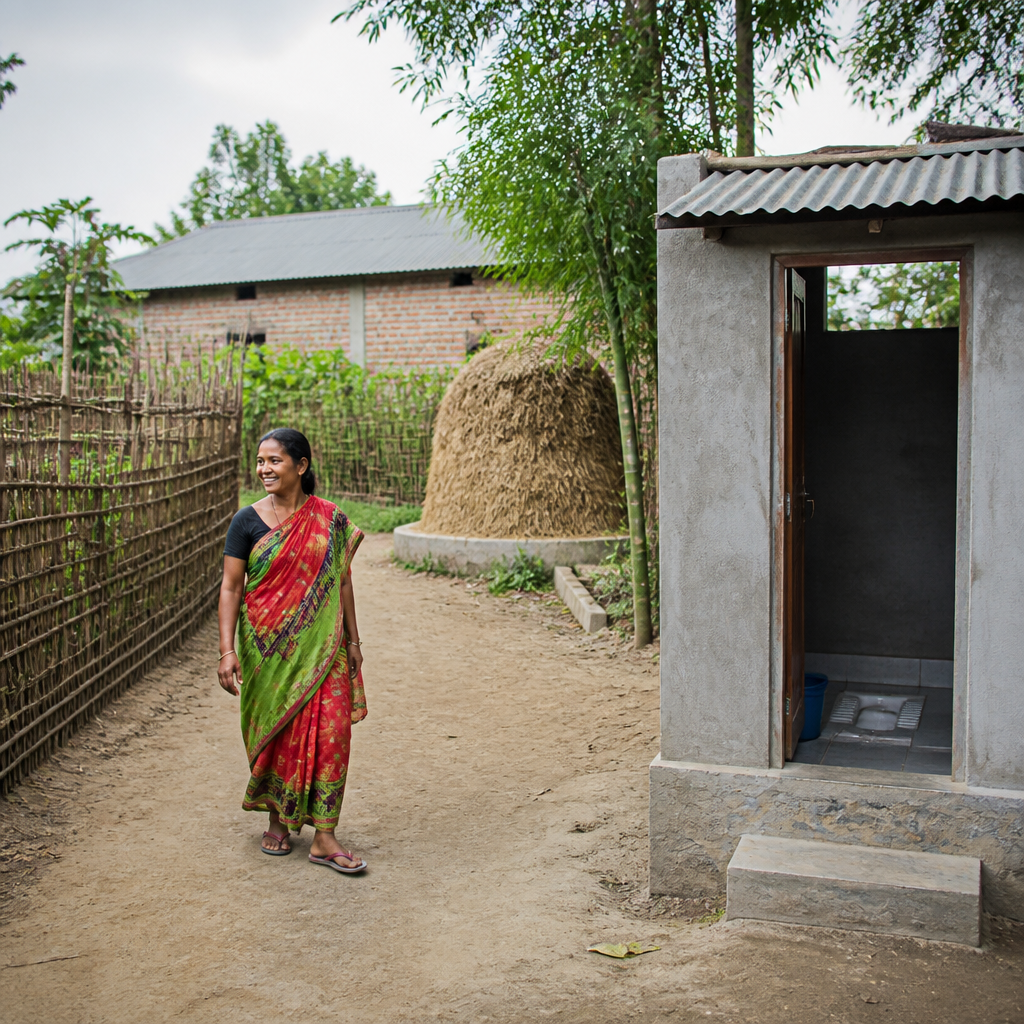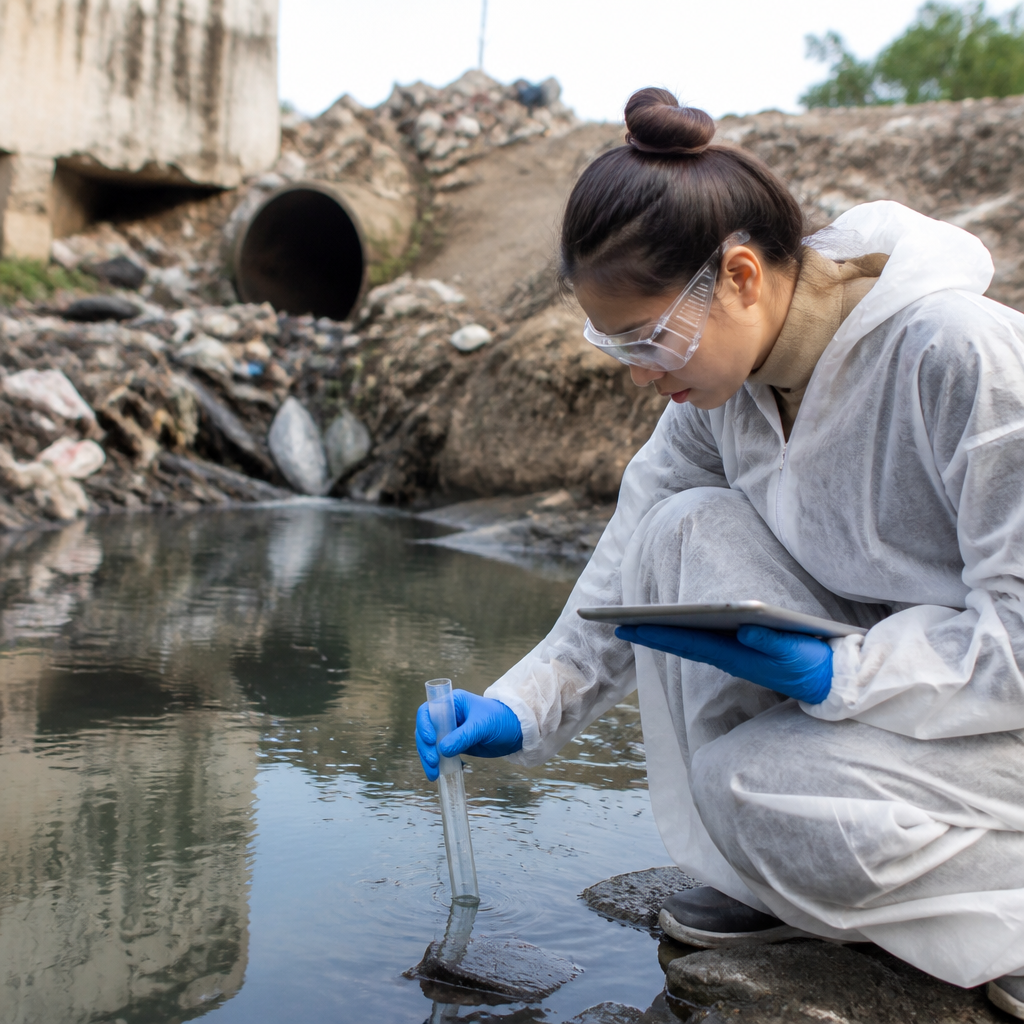
Environmental toxins and sanitation are inseparable public health concerns, especially in EcoSan systems where human waste is managed as a resource and where mistakes can expose households, workers, and ecosystems to preventable harm. In this context, environmental toxins include heavy metals, pesticide residues, industrial chemicals, pharmaceutical compounds, pathogens, and indoor or outdoor pollutants that enter water, soil, air, or sanitation chains. Sanitation refers not only to toilets, drainage, and waste treatment, but also to hygiene practices, containment, transport, reuse, and monitoring. Safety and wellness in EcoSan depend on controlling both biological hazards and chemical exposures at every step. I have worked on sanitation risk reviews where a latrine looked well built, yet nearby graywater discharge, lead-contaminated soil, or unsafe sludge handling created bigger health risks than the toilet itself. That is why this topic matters: effective ecological sanitation protects health only when it accounts for the full exposure pathway from source to person.
EcoSan, short for ecological sanitation, is designed to safely recover nutrients, conserve water, and reduce environmental pollution. Common systems include urine-diverting dry toilets, composting toilets, container-based sanitation, constructed wetlands, and decentralized wastewater treatment. The health promise is real. Properly managed EcoSan can reduce fecal contamination, lower nutrient runoff, and support circular resource use. Yet the same systems can concentrate hazards if feedstocks are contaminated or if treatment assumptions are wrong. Urine may contain pharmaceuticals, feces may carry helminth eggs, ash may contain metals, and reused wastewater can spread both microbes and chemical residues. Wellness also extends beyond infection prevention. People need low-odor facilities, good handwashing access, safe menstrual hygiene management, ergonomic emptying procedures, and confidence that reuse products are truly safe. A strong Health and Safety hub for EcoSan therefore connects toxicology, engineering controls, exposure assessment, occupational safety, household hygiene, and community trust into one practical framework.
The central question people ask is simple: how do you minimize health risks without losing the environmental benefits of EcoSan? The answer is to identify hazards early, break exposure routes, verify treatment performance, and match reuse practices to local conditions. Standards from the World Health Organization, Sanitation Safety Planning guidance, Hazard Analysis and Critical Control Point thinking, and occupational hygiene principles all point in the same direction. You start with source control, then add barriers such as separation, storage, treatment, personal protective equipment, restricted application methods, and routine testing. This article serves as the hub for Safety and Wellness in EcoSan by explaining the major toxin and sanitation risks, showing where failures occur in the real world, and outlining the practices that most reliably protect users, workers, food crops, groundwater, and neighborhoods.
Understanding Toxins and Exposure Pathways in EcoSan
Environmental toxins in sanitation systems do not behave the same way, so risk assessment has to be specific. Heavy metals such as lead, cadmium, arsenic, and mercury do not break down and can accumulate in soils, crops, and the human body. Organic chemicals, including solvents, flame retardants, per- and polyfluoroalkyl substances, and some pesticides, may persist for years or move into groundwater. Pharmaceutical residues from antibiotics, hormones, and pain medicines often enter urine and wastewater streams, raising concerns about aquatic toxicity and antimicrobial resistance. Pathogens remain the most immediate sanitation hazard, but it is a mistake to treat chemical risks as secondary in every setting. In peri-urban areas near workshops, battery recycling, tanneries, mining, or informal dumping, chemical contamination can define whether reuse is safe at all.
Exposure occurs through several well-documented pathways. People can ingest contaminants in drinking water, fresh produce, dust, or soil. They can inhale bioaerosols, ammonia, hydrogen sulfide, volatile chemicals, or ash particles during handling and treatment. Skin contact matters during pit emptying, urine diversion maintenance, cleaning, and sludge transport. Children face higher risk because of hand-to-mouth behavior, lower body mass, and developing organs. Pregnant women, older adults, and sanitation workers also need special attention. In one assessment I supported, the formal treatment process met expected pathogen reduction targets, but household-level ash storage next to cooking areas created inhalation and food contamination risks. The lesson was clear: exposure often happens at interfaces, not only at the toilet or treatment unit.
Source Control: The First and Most Effective Barrier
The safest sanitation chain begins before waste enters the system. Source control means preventing hazardous substances from mixing with human waste, graywater, compost inputs, and reuse streams. That includes keeping industrial discharges out of decentralized systems, avoiding treated timber ash or contaminated organic matter in composting units, and separating household hazardous waste such as solvents, paints, batteries, pesticides, and expired medicines. In communities using urine-diverting dry toilets, user instructions should clearly prohibit disposal of chemicals, menstrual products not suited for composting, and sharps into fecal vaults. Where graywater is reused, detergents and cleaning products should be screened for boron, chlorine, quaternary ammonium compounds, and high sodium levels that can damage soil and plants.
Source control is also where public education has the highest return. A single workshop for users and caretakers can prevent years of contamination. Practical messaging works best: never pour automotive fluids into drains, never burn mixed waste for ash use, and never assume all “natural” products are safe for reuse systems. Health facilities, laboratories, and small industries need separate waste handling altogether. If they discharge into household-scale EcoSan systems, pathogen and chemical loads can exceed design assumptions immediately. Municipalities that map waste generators, enforce pretreatment rules, and support household hazardous waste collection consistently reduce downstream sanitation risks. This is why source control is not an optional add-on. It is the most effective barrier because contamination avoided at the start does not require expensive treatment later.
Treatment Performance: What Makes Reuse Safer
EcoSan treatment is not one technology but a set of processes that reduce hazards to tolerable levels. For fecal material, the main mechanisms are dehydration, time, elevated pH, composting heat, microbial competition, and in some systems alkaline treatment or thermophilic processing. Urine treatment relies heavily on storage time, pH, and restricted reuse practices. Wastewater treatment may add settling, anaerobic baffled reactors, wetlands, filtration, and disinfection. The key principle is validation: do not assume a process works because a manual says it can. Temperature, moisture, carbon-to-nitrogen balance, airflow, retention time, and user behavior determine actual performance. Helminth eggs are notably persistent, and cool compost piles often fail to inactivate them. Likewise, storage may reduce pathogens substantially while doing little for metals or PFAS.
Decision-making should match intended end use. If the final product will fertilize food crops eaten raw, treatment and application controls must be stricter than for tree crops or landscaping. If urine is used, application should avoid edible plant surfaces and favor soil incorporation where appropriate. If biosolids are reused, laboratory testing should include indicators relevant to local risks, such as E. coli, Ascaris where endemic, moisture content, pH, and selected metals. The World Health Organization’s multiple-barrier approach remains the most practical guide because it accepts that no single step is perfect. A well-run EcoSan program combines treatment performance with storage, safe transport, worker protection, crop restrictions, timing before harvest, and hand hygiene. That layered design is what turns ecological sanitation from a concept into a defensible public health practice.
Worker Safety, Household Hygiene, and Daily Operations
Most sanitation injuries and exposures come from routine tasks, not rare disasters. Emptying vaults, unclogging urine lines, handling compost, cleaning slabs, and transporting containers create repeated contact opportunities. The controls are straightforward but often neglected: gloves suited to wet and dry work, boots, handwashing stations with soap, eye protection during splashing tasks, tools that reduce manual contact, and clear standard operating procedures. Ventilation matters in enclosed spaces because ammonia, methane, and hydrogen sulfide can accumulate. Confined space entry should never occur without atmospheric testing and rescue planning. Even at household scale, simple ergonomics such as container size, lifting points, and transport distance influence injury rates and compliance.
Wellness also depends on dignity and usability. Toilets that are dark, hard to clean, or poorly adapted for children, older adults, or people with disabilities are used inconsistently, which undermines safety. Menstrual hygiene needs disposal or treatment pathways that do not clog systems. Handwashing has to be physically close and reliably supplied. Odor control is more than comfort; strong odors often signal moisture imbalance, poor ventilation, or urine leakage that may attract flies and increase exposure. I have seen technically sound systems fail because households were never shown how to add cover material correctly or how to detect when a diversion pan was blocked. Daily operations are where training becomes health protection.
| Risk point | Common hazard | Practical control | Why it works |
|---|---|---|---|
| Toilet use | Surface contamination, odor, flies | Regular cleaning, dry cover material, good ventilation | Reduces contact, moisture, and insect breeding |
| Urine handling | Splashing, blocked pipes, ammonia exposure | Pipe slope checks, sealed storage, eye and hand protection | Prevents leaks and lowers direct contact |
| Feces storage | Incomplete pathogen reduction | Track time, moisture, temperature, and pH where relevant | Verifies treatment conditions instead of guessing |
| Emptying and transport | Skin contact, musculoskeletal strain | Tools, smaller containers, boots, gloves, route planning | Limits exposure and lifting injuries |
| Reuse in agriculture | Crop contamination, soil loading | Crop restrictions, soil application, withholding periods, testing | Breaks exposure pathways from waste to food |
Chemical Contaminants, Water Quality, and Reuse Decisions
Chemical safety in EcoSan is often underestimated because many contaminants are invisible and chronic rather than immediate. Heavy metals deserve priority because they persist and can accumulate over time. Lead exposure harms neurological development in children. Cadmium can damage kidneys and enter leafy vegetables. Arsenic can contaminate groundwater and some soils, creating dual exposure through drinking water and crops. Salinity and sodium from graywater can degrade soil structure, especially in arid zones. Nitrate leaching from poorly managed urine or effluent can affect infants through drinking water contamination. Pharmaceuticals and endocrine-active compounds are more complex; concentrations vary, risks depend on dilution and treatment, and evidence differs by compound. The right response is not panic but targeted monitoring and cautious reuse design.
Water quality protection starts with siting and hydrogeology. Separation distances from wells, seasonal high groundwater, flood zones, and fractured rock matter more than generic setback numbers used without context. Constructed wetlands and soil infiltration systems need maintenance to avoid short-circuiting, ponding, and mosquito breeding. Reuse decisions should account for crop type, irrigation method, worker contact, and the vulnerability of nearby water sources. Drip application below the edible portion of plants is safer than overhead spraying. Nonfood uses such as forestry, fiber crops, or ornamental landscaping may be appropriate where treatment is moderate. Where contamination risks are high or testing capacity is weak, disposal with containment can be safer than enthusiastic reuse. That is a mature EcoSan position: circularity is valuable, but health protection sets the boundary conditions.
Building a Safer EcoSan Program Through Monitoring and Community Trust
Monitoring is what separates a credible safety program from a hopeful one. At minimum, EcoSan operators should document inputs, retention times, maintenance dates, user complaints, overflow events, and reuse destinations. Higher-risk programs add laboratory testing for microbial indicators, moisture, pH, electrical conductivity, and selected metals based on local exposure history. Sanitation Safety Planning is useful because it forces teams to map hazards from toilet to end use, identify critical control points, assign responsibilities, and review performance after incidents. Digital tools, even simple mobile forms, make trend tracking easier. If odor complaints rise, if urine volumes drop unexpectedly, or if a wet vault remains cool, those are leading indicators that deserve action before illness appears.
Community trust is equally important. People support EcoSan when they understand the controls, see transparency around testing, and observe prompt correction of problems. Trust declines when operators overpromise safety or dismiss concerns about smell, flies, crop quality, or children’s exposure. The best programs use plain language signage, routine refresher training, and visible hygiene infrastructure. They also invite feedback from women, school users, farmers, and sanitation workers, because each group notices different failure points. As a hub for Safety and Wellness in EcoSan, the essential message is practical: identify hazards, stop contamination at the source, verify treatment, protect workers, monitor reuse, and communicate honestly. If you are improving an EcoSan system now, start with a simple risk map of your site and upgrade the weakest barrier first.
Frequently Asked Questions
What are environmental toxins in sanitation systems, and why do they matter so much for health?
Environmental toxins in sanitation systems are harmful substances that enter toilets, wastewater, stored excreta, graywater, sludge, composting units, drains, soil, air, or nearby water sources and then create risks for people and ecosystems. In practical terms, these toxins can include heavy metals such as lead, mercury, cadmium, and arsenic; pesticide residues from agriculture or household pest control; industrial chemicals and solvents; pharmaceutical compounds such as antibiotics and hormones; cleaning agents; fuel residues; and pollutants carried in dust, smoke, or runoff. In EcoSan and other resource-recovery sanitation systems, these risks matter even more because treated urine, feces, compost, or biosolids may be reused on land. If harmful substances are present, they can move into crops, groundwater, animals, and eventually the human food chain.
Health effects depend on the toxin, the dose, the duration of exposure, and who is exposed. Children, pregnant women, older adults, sanitation workers, and people with preexisting illness are often at greatest risk. Some toxins cause immediate problems such as skin irritation, nausea, breathing issues, or acute poisoning. Others are more dangerous because the damage builds slowly over time, contributing to neurological harm, kidney and liver disease, hormonal disruption, reproductive problems, weakened immunity, or increased cancer risk. Sanitation systems can also spread pathogens alongside chemical hazards, creating a double burden when water or waste is poorly managed. That is why effective sanitation is not just about containing waste; it is about safely separating, treating, storing, transporting, and reusing or disposing of materials in ways that prevent toxins and microbes from reaching people or the environment.
How can EcoSan systems reduce health risks from toxins while still safely reusing human waste as a resource?
EcoSan systems can reduce health risks very effectively when they are designed and operated with source control, treatment, and monitoring in mind. The first principle is prevention at the source. That means keeping hazardous inputs out of the sanitation chain whenever possible. Households, farms, clinics, and small businesses should avoid dumping chemicals, paints, solvents, pesticides, fuels, batteries, electronic waste, or unused medicines into toilets, pits, drains, soakaways, or composting units. The cleaner the input stream, the safer any recovered resource will be. This source-separation mindset is especially important in systems intended to recover nutrients, because contamination introduced early is much harder to remove later.
The second principle is selecting treatment and storage methods that address both pathogens and chemical concerns. In urine-diverting dry toilets, dehydration, storage time, and correct handling help reduce biological risks. In composting or vault systems, maintaining proper temperature, moisture balance, aeration, and retention time improves pathogen reduction and stabilization. However, it is important to understand a critical limitation: many treatment methods are strong against microbes but less effective against persistent chemicals and heavy metals. A well-composted material may be hygienically improved and still be unsuitable for unrestricted agricultural use if chemical contamination occurred upstream. For that reason, reuse decisions should be matched to risk. Lower-risk options may include use on non-food crops, forestry, landscaping, or soil restoration projects rather than edible crops, especially where contamination is uncertain.
Safe EcoSan operation also depends on worker protection, secure storage, and environmental safeguards. Containers and treatment chambers should prevent leakage, flooding, vector access, and accidental contact. Users and workers should have gloves, boots, handwashing facilities, and clear procedures for emptying, transport, and application. Buffer distances from wells, streams, and flood-prone areas help reduce contamination of water supplies. Where feasible, periodic testing for indicators such as heavy metals, salinity, pH, and relevant contaminants can support safer reuse decisions. In short, EcoSan works best when it treats human waste as a valuable resource without forgetting that resource recovery must be paired with strict contamination control and practical public health protections.
What are the most common ways toxins enter water, soil, and air through poor sanitation practices?
Toxins enter the environment through sanitation chains in several predictable ways, and most of them are preventable. One of the most common pathways is direct disposal of hazardous substances into toilets, drains, pits, or septic systems. People often assume that once something is flushed or poured away, it disappears. In reality, many chemicals survive and move onward into groundwater, sludge, surface water, or treatment residues. For example, medications flushed down toilets can persist in wastewater and affect aquatic life. Harsh chemicals or solvents can damage treatment processes and contaminate residual solids. Batteries, ash, e-waste fragments, or industrial waste mixed with sanitation streams can add heavy metals that remain in soils for years.
Another major route is leakage and infiltration. Cracked tanks, unlined pits, overflowing drains, failing septic systems, and poorly sited sanitation facilities can release contaminated liquids into surrounding soil and groundwater. This is especially risky in areas with shallow water tables, sandy soils, seasonal flooding, or dense settlement. Stormwater runoff can then carry these pollutants farther into canals, rivers, irrigation systems, and fields. Open dumping of sludge or partially treated waste creates an additional exposure route, allowing contaminants to wash into water bodies or become accessible to animals and children.
Airborne exposure also deserves attention. Poorly managed sanitation can produce odors, dust, bioaerosols, and smoke that carry harmful particles and gases. Burning waste that contains plastics, chemical residues, or contaminated absorbent materials can release toxic emissions. Indoor sanitation areas with inadequate ventilation may concentrate ammonia, hydrogen sulfide, cleaning chemical fumes, or mold-related irritants. In occupational settings, workers may inhale dust from dried sludge or compost if handling is rough or if drying and storage areas are not managed properly. These pathways show why sanitation planning must extend beyond the toilet itself to include drainage, containment, treatment, transport, reuse, and the surrounding environmental conditions.
What practical steps can households and communities take to minimize exposure to sanitation-related toxins?
The most effective household and community actions begin with separating ordinary sanitation waste from hazardous waste. Toilets and drains should never be used to dispose of paints, oils, pesticides, strong solvents, disinfectant concentrates, batteries, fluorescent bulbs, sharps, pharmaceuticals, or industrial byproducts. Communities benefit from simple education campaigns that clearly explain what should and should not enter the sanitation system. Even low-cost posters, school lessons, market outreach, and instructions near public toilets can make a measurable difference. When people understand that improper disposal can contaminate compost, groundwater, crops, and homes, participation tends to improve.
Good infrastructure and maintenance are equally important. Toilets, pits, tanks, and storage areas should be kept watertight where appropriate, protected from stormwater intrusion, and located a safe distance from wells, springs, and surface water. Drainage systems should prevent stagnant wastewater and uncontrolled overflow. If excreta or sludge will be stored or treated on site, the area should be covered or enclosed to limit contact, pests, and rain. Communities should establish regular schedules for inspection, emptying, cleaning, and repairs rather than waiting for breakdowns. In flood-prone regions, sanitation structures should be elevated or specially designed to avoid inundation and spread of contaminants.
Personal protection and hygiene remain central. Anyone handling waste, sludge, urine containers, compost, or wastewater should use gloves, boots, and if needed masks and eye protection, followed by thorough handwashing with soap. Children should be kept away from treatment and storage zones. Community-level risk reduction can also include designated hazardous waste collection, safe medicine take-back options, training for sanitation workers, and basic environmental monitoring where resources allow. If agricultural reuse is part of the sanitation strategy, communities should define where treated materials can be applied, on which crops, at what rates, and after what treatment period. These practical controls may seem simple, but together they greatly reduce the chances that sanitation systems become pathways for toxic exposure.
How do decision-makers know whether treated sanitation byproducts are safe for reuse or disposal?
Determining whether treated sanitation byproducts are safe requires a structured risk-based approach, not guesswork. Decision-makers should start by identifying likely sources of contamination. If waste streams come mainly from households using ordinary hygiene products, the chemical profile may be very different from systems receiving inputs from workshops, health facilities, farms using pesticides, laboratories, or small industries. Knowing the source helps predict whether heavy metals, solvents, antibiotics, hormones, disinfectants, or other pollutants may be present. This source assessment should be paired with a review of treatment conditions, including storage time, temperature, pH, moisture, containment quality, and evidence that the process consistently reduces pathogens.
Testing is often the next step, especially when materials are intended for land application, commercial distribution, or use near food production. Depending on local risks and regulations, useful analyses may include fecal indicator organisms or helminth eggs, moisture content, nutrient levels, salinity, pH, and concentrations of priority contaminants such as lead, cadmium, arsenic, mercury, or selected organic chemicals. No single test can prove universal safety, so results must be interpreted in context. For example, a material may be low in pathogens but too high in a heavy metal for food-crop use. Conversely, a material with acceptable chemical quality may still need more treatment time to reduce infectious risk. The intended end use matters greatly.