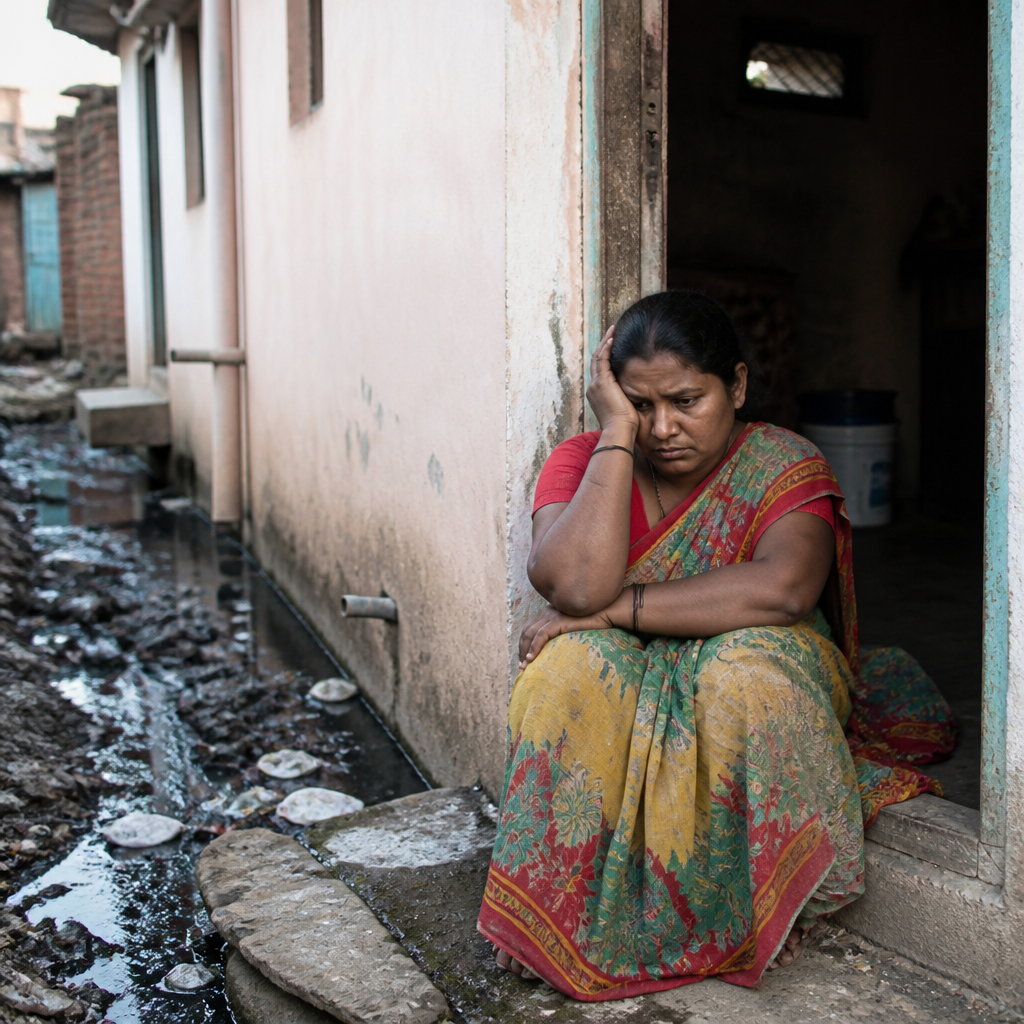
Planning for sanitation in rapidly expanding cities is one of the most important public health tasks facing municipal leaders, utilities, and community organizations, especially where ecological sanitation must support both safety and long-term urban resilience. Sanitation planning is the process of designing systems for toilet access, waste collection, treatment, reuse, drainage interfaces, worker protection, and public health oversight. In the EcoSan context, sanitation is not only about removing waste; it is about safely separating, treating, and reusing nutrients, water, and organic matter without exposing households, sanitation workers, or surrounding ecosystems to disease. When cities grow faster than sewers, roads, and housing regulations, failures appear first in overflowing pits, contaminated groundwater, unsafe manual emptying, and disease outbreaks linked to poor fecal sludge management.
I have worked on sanitation planning reviews for dense settlements where populations doubled within a decade, and the same lesson appeared every time: a toilet alone is not a sanitation system. Safe sanitation requires the full chain, from user interface to containment, emptying, transport, treatment, and final disposal or beneficial reuse. The World Health Organization sanitation safety planning approach, the Citywide Inclusive Sanitation framework, and ISO-aligned occupational safety practices all point to the same principle: every stage must reduce exposure. That matters acutely in EcoSan, where resource recovery can bring major benefits such as fertilizer substitution, water savings, and lower treatment energy demand, but only if pathogen control, chemical risk management, and user behavior are handled rigorously. For rapidly expanding cities, this topic sits at the center of health and safety because a poorly planned sanitation system quickly becomes an urban hazard, while a well-planned EcoSan strategy improves wellness, protects workers, and supports climate-smart growth.
What safety and wellness mean in EcoSan systems
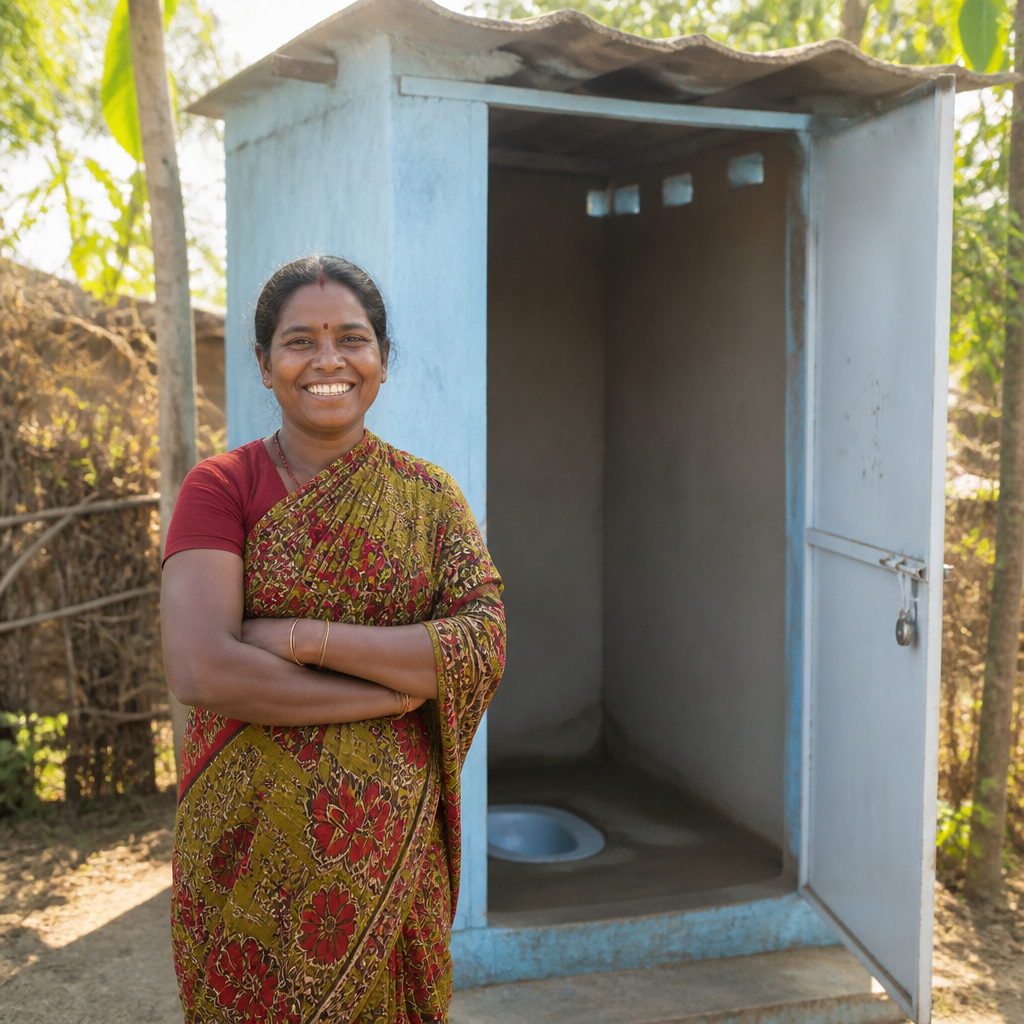
Safety and wellness in EcoSan begin with a simple objective: break the chain of disease transmission while creating a service that people can use consistently, affordably, and with dignity. Ecological sanitation systems include urine-diverting dry toilets, container-based sanitation, composting toilets, decentralized wastewater treatment, and systems that convert treated sludge into compost, fuel briquettes, or soil conditioners. These options can perform well in dense urban areas where conventional sewer expansion is too slow or too expensive, but they introduce specific planning duties. Cities must manage pathogen die-off periods, moisture control, odor reduction, vector prevention, handwashing access, menstrual hygiene needs, cleaning routines, and safe end-use standards for any recovered products.
Wellness is broader than avoiding infection. A sanitation system affects stress, privacy, nighttime safety, school attendance, disability access, and neighborhood environmental quality. In one settlement assessment I supported, women identified poor lighting and long walking distances to communal toilets as safety risks equal to unsanitary conditions. That observation changed the facility design: toilets were clustered closer to homes, handwashing points were added at exits, cleaning contracts were formalized, and waste pickup schedules were posted publicly. Usage increased because people trusted the service. For EcoSan planning, trust is operational. If users believe a urine-diverting toilet is confusing, dirty, or unsafe for children, they will not separate waste correctly, and the downstream treatment model collapses.
Why rapid urban growth makes sanitation planning harder
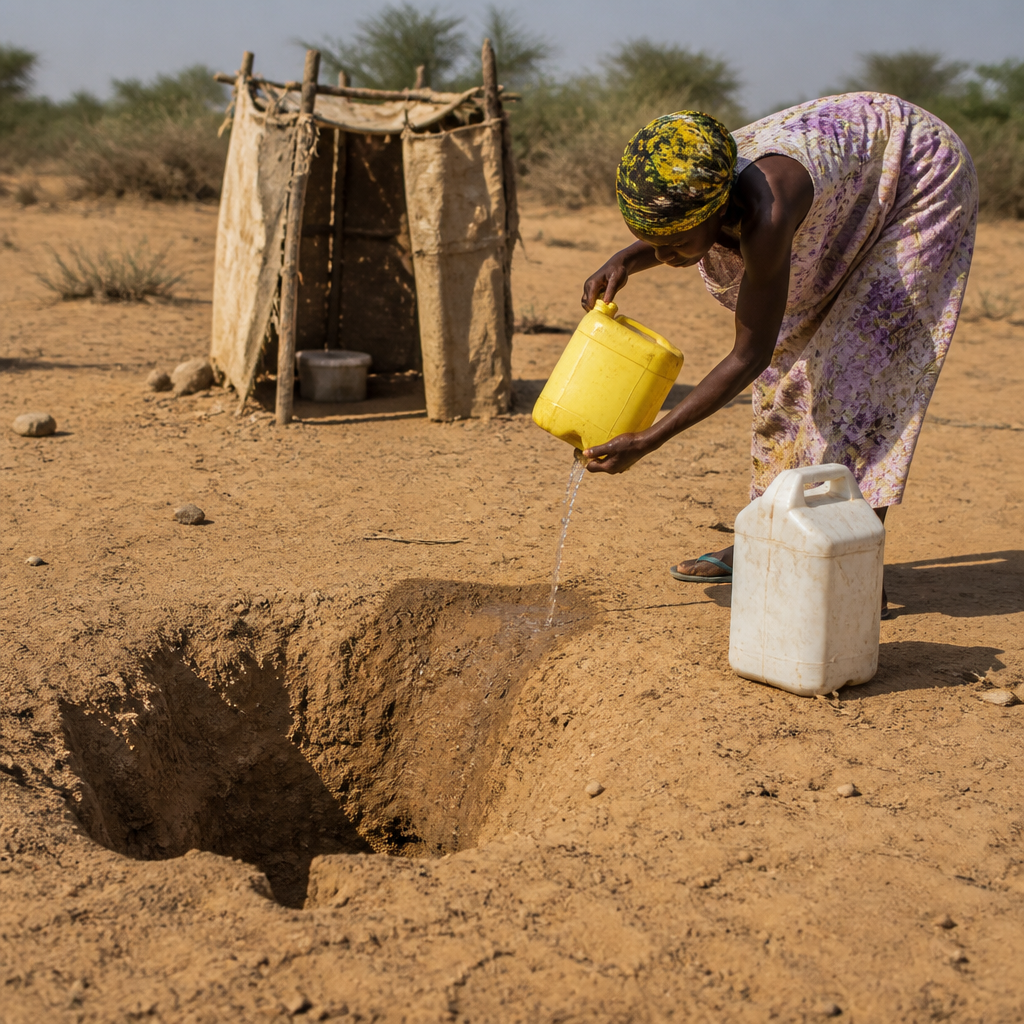
Rapidly expanding cities create sanitation stress through density, land scarcity, informal construction, and institutional lag. Population growth often outpaces legal plotting, drainage networks, road widths, and utility budgets. The result is fragmented sanitation: septic tanks built without access for desludging trucks, pit latrines in flood-prone zones, shared toilets with no maintenance revenue, and illegal discharge into drains or waterways. In these conditions, EcoSan can offer flexible solutions, but only if planning starts with realistic service mapping rather than idealized infrastructure diagrams.
The key challenge is variability. A single city may contain high-rise districts, peri-urban plots, industrial edges, and informal settlements on steep slopes or wetlands. One sanitation technology will not fit all. Dense areas with inaccessible lanes may need container-based collection. Peri-urban neighborhoods may support source-separating systems with local composting hubs. Mixed-use corridors may justify simplified sewers connected to decentralized treatment. Safety planning must therefore be spatial. Flood maps, groundwater depth, truck access routes, school locations, health facility demand, and solid waste patterns all influence which sanitation option protects health best. Cities that skip this diagnostic phase usually end up with stranded assets or facilities that users abandon.
Planning the full sanitation service chain for public health
The safest EcoSan strategy in a rapidly growing city is the one that manages every link of the service chain with clear responsibilities and measurable controls. At minimum, planners should define the user interface, containment method, collection schedule, transfer process, treatment standard, reuse market, and emergency backup. If any stage is undefined, exposure risk usually shifts to households or low-paid workers.
For example, urine-diverting dry toilets can reduce water demand and recover nutrients effectively, but only when chambers remain dry, ash or cover material is available, and feces are stored long enough for pathogen reduction before handling. Container-based sanitation can work in flood-prone settlements because waste is removed in sealed cartridges, yet it depends on disciplined logistics, cleaning protocols, and transfer stations. Septic systems can remain part of the mix, but they require watertight construction, routine desludging, and treatment plants capable of receiving fecal sludge. The planning question is not which technology sounds most sustainable. It is which service model can reliably prevent contact with untreated excreta in local conditions.
| Planning element | Main safety question | Good EcoSan practice | Common failure in fast-growing cities |
|---|---|---|---|
| User interface | Can all users operate it hygienically? | Clear design, child-safe features, handwashing nearby | Confusing separation, poor lighting, inaccessible cubicles |
| Containment | Does waste stay isolated from people and water? | Watertight chambers, ventilation, vector control | Leaks, flooding, damaged slabs, overflow |
| Emptying and collection | Can workers remove waste without direct contact? | Sealed containers, mechanized tools, PPE, route planning | Manual handling, spills, irregular service |
| Treatment | Are pathogens reduced to safe levels? | Validated storage times, composting control, monitoring | Undersized sites, poor recordkeeping, mixed waste streams |
| Reuse or disposal | Is end use safe and regulated? | Restricted application rules, product testing, user guidance | Premature reuse, informal dumping, no market oversight |
Protecting sanitation workers and nearby communities
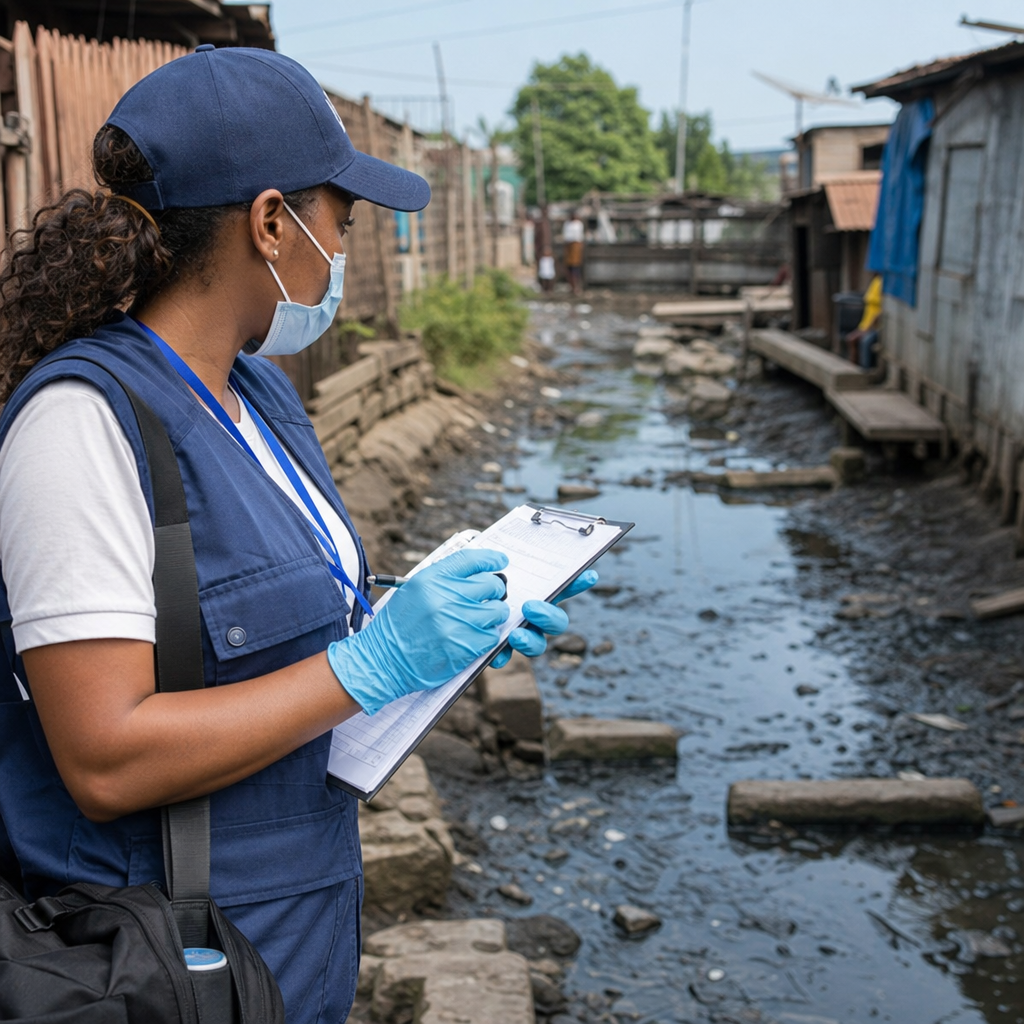
Worker safety is one of the clearest tests of whether a city’s sanitation plan is credible. In many expanding cities, the hidden burden falls on emptiers, transport crews, sorters, and treatment operators who face pathogens, toxic gases, sharps, and repetitive strain injuries. Methane and hydrogen sulfide in confined spaces can kill within minutes. Direct contact with untreated sludge increases risks of diarrheal disease, helminth infection, skin disorders, and eye irritation. Any EcoSan hub article on health and safety must state this plainly: no sanitation system is safe if workers handle excreta without protective equipment, vaccination access, training, and mechanized alternatives.
Effective planning builds worker protection into contracts, tariffs, and facility design. Personal protective equipment should include gloves suited to wet handling, boots, eye protection, masks or respirators where dust or aerosols are present, and hand hygiene supplies at every transfer point. Standard operating procedures must cover spill response, equipment decontamination, sharps management, heat stress, and incident reporting. Hepatitis A, tetanus, and other locally relevant immunizations should be part of occupational health programs. I have seen treatment sites improve performance immediately after introducing traffic separation, wash stations, and mandatory logbooks, because accidents dropped and workers stopped improvising unsafe shortcuts. Community safety improves at the same time when transfer stations are enclosed, runoff is controlled, and transport routes avoid school peaks and market congestion.
Designing EcoSan reuse systems without creating new hazards
Resource recovery is one of EcoSan’s strongest advantages, but it must never outrun treatment science. Urine can be a valuable fertilizer because it contains nitrogen, phosphorus, and potassium, yet storage requirements depend on contamination risk, temperature, crop type, and local regulation. Fecal compost can improve soils, but only if composting conditions achieve sufficient pathogen reduction through time, temperature, moisture balance, and turning practices. Biosolids, black soldier fly processing residues, and dried sludge products all require hazard analysis before agricultural or landscaping use.
The practical rule is straightforward: plan reuse backward from the intended end use. If the product will go to food crops eaten raw, treatment and quality assurance must be far stricter than if it will be used on timber, ornamentals, or land rehabilitation. Heavy metals and industrial contaminants also matter in mixed urban waste streams. That is why source separation and industrial pretreatment controls are essential. A city that promotes nutrient recovery while ignoring contamination pathways risks undermining both public health and farmer confidence. Successful reuse markets depend on standards, labeling, and demonstrations. In one secondary city, municipal planners partnered with agricultural extension officers to test sanitized compost on maize and tree seedlings before wider rollout. Farmers adopted the product because they received application guidance and saw comparable yields, not because the city used sustainability slogans.
Governance, finance, and behavior change that keep systems safe
Sanitation safety in rapidly expanding cities is not secured by engineering alone. It depends on governance, financing, and daily behavior. The best technical design will fail if no agency is responsible for inspections, if desludging fees are unaffordable, or if landlords can ignore maintenance without penalty. Cities need a lead sanitation authority with clear mandates across health, water, planning, housing, and environment departments. Service standards should specify cleaning frequency, emptying intervals, treatment verification, complaint response times, and occupational safeguards. Digital tools such as GIS asset registers, QR-coded service logs, and route optimization software can improve oversight, especially where providers are numerous and informal.
Finance is equally central. Households rarely pay for invisible safety controls unless tariffs are structured around dependable service. Blended models often work best: public capital for treatment plants and transfer infrastructure, targeted subsidies for low-income areas, and regulated user fees for routine collection. Cross-subsidies from commercial customers can support inclusive access. Behavior change must also be budgeted, not treated as an afterthought. User education should explain how to use source-separating toilets, where to wash hands, why cover material matters, and when children need assistance. Messages work best when tied to convenience and dignity as well as disease prevention. In projects I have reviewed, uptake improved when demonstration toilets, caretaker training, and tenant-landlord agreements were introduced together rather than separately.
How cities can build a practical sanitation safety roadmap
A workable roadmap starts with data, not assumptions. Cities should map existing toilets, pits, tanks, drains, flood zones, schools, health facilities, informal settlements, and treatment capacity. They should then quantify service gaps: how many people lack safe containment, how much fecal sludge is generated daily, what share is emptied safely, and where exposure hotspots occur. This baseline allows prioritization. High-risk zones such as flood-prone settlements, dense rental compounds, and markets should be addressed first because the health payoff is immediate.
Next, planners should set service levels for different urban forms and choose technologies accordingly. Pilot projects are useful, but pilots must include costed operations, worker safety measures, monitoring indicators, and a pathway to scale. Performance indicators should include toilet functionality, handwashing availability, safe emptying rates, treatment compliance, worker injury rates, customer satisfaction, and safe reuse volumes. Independent audits and public reporting build confidence. Finally, cities need contingency plans for shocks such as cholera outbreaks, storms, and equipment failure. Temporary toilets, emergency desludging contracts, chlorine stocks, drainage clearing, and risk communication protocols should be prepared in advance. Rapid urbanization is unpredictable, but sanitation safety does not have to be reactive if planning is disciplined and citywide.
Planning for sanitation in rapidly expanding cities succeeds when safety and wellness are treated as service outcomes, not side benefits. EcoSan can help cities conserve water, recover nutrients, and expand access faster than conventional sewering alone, but those gains are real only when the full sanitation chain is managed. The core lesson is consistent across technologies: protect users, protect workers, verify treatment, and control reuse with clear standards. That is how cities reduce disease transmission, avoid environmental contamination, and build public trust in new sanitation models.
For leaders working under the Health and Safety banner, this subtopic should serve as the hub for every related decision, from toilet design and fecal sludge logistics to worker PPE, monitoring, and farmer guidance. Start with a citywide risk assessment, match solutions to neighborhood conditions, and fund the operations that keep systems safe every day. If you are shaping an EcoSan program now, review each stage of your sanitation chain and fix the weakest link first.
Frequently Asked Questions
1. Why is sanitation planning so critical in rapidly expanding cities?
Sanitation planning is critical in fast-growing cities because population growth often outpaces infrastructure, land-use coordination, and public service delivery. When new neighborhoods expand informally or develop faster than utilities can respond, residents may be left without safe toilets, reliable sludge collection, sewer connections, drainage management, or treatment capacity. That gap creates immediate public health risks, including contamination of groundwater, exposure to untreated waste, increased diarrheal disease, and unsafe conditions for sanitation workers and nearby communities.
In practical terms, sanitation planning is not just about building toilets. It involves making sure the entire service chain works: access, containment, collection, transport, treatment, reuse or disposal, and monitoring. If one part fails, the whole system becomes unsafe. For example, a city may increase household toilet coverage, but if sludge is not collected and treated properly, waste still ends up in drains, waterways, or open land. In dense urban areas, these failures spread health impacts quickly.
For cities considering ecological sanitation, planning matters even more because the goal is not only to remove waste safely but also to manage nutrients, water, land constraints, and long-term resilience. Well-planned EcoSan systems can support safer reuse, reduced water demand, more adaptable neighborhood-scale treatment, and stronger climate resilience. Good planning helps cities avoid costly emergency responses later and instead build systems that protect health, support dignity, and keep pace with urban growth.
2. What should a city include in a comprehensive sanitation plan?
A comprehensive sanitation plan should cover the full sanitation service chain and connect technical decisions with governance, finance, public health, and urban development realities. At a minimum, a city should assess current and projected population growth, settlement patterns, land availability, water supply conditions, flood and drainage risks, existing sanitation infrastructure, treatment capacity, and the condition of informal and underserved areas. This creates the evidence base for deciding what kinds of systems are feasible in different neighborhoods.
The plan should then define service levels and technology pathways for a range of urban conditions. Some areas may be suitable for conventional sewers, while others may require decentralized treatment, simplified sewers, container-based sanitation, upgraded on-site systems, or fecal sludge management networks. In an EcoSan framework, the plan should also consider options for safe nutrient recovery, water-efficient toilet systems, source separation where appropriate, composting or treatment processes, and controlled reuse in agriculture, landscaping, or other approved applications. The key is to match solutions to density, soil conditions, affordability, topography, and institutional capacity rather than relying on a single citywide model.
Strong sanitation plans also address worker safety, regulation, maintenance, behavior change, and financing. That includes licensing and oversight of service providers, safe emptying standards, personal protective equipment, occupational health protocols, tariff structures, subsidies for low-income households, capital investment needs, and long-term operating costs. Finally, a complete plan should include clear institutional responsibilities, implementation phases, measurable targets, emergency preparedness, and systems for monitoring health and environmental outcomes. Cities that plan at this level are far better positioned to scale sanitation safely and sustainably.
3. How does ecological sanitation support long-term urban resilience?
Ecological sanitation supports long-term urban resilience by treating sanitation as part of a broader urban environmental system rather than as a single end-of-pipe service. In rapidly growing cities, resilience depends on whether systems can continue functioning under pressure from population growth, water scarcity, flooding, infrastructure gaps, and climate stress. EcoSan approaches can help by reducing dependence on large centralized systems in places where those systems are too expensive, too slow to expand, or too vulnerable to disruption.
One of the major strengths of ecological sanitation is resource recovery. Human waste contains nutrients and organic matter that can be treated and, where regulations and safety controls allow, returned to productive use. This can reduce environmental pollution while creating value from materials that would otherwise become a disposal problem. In water-stressed cities, some EcoSan systems also use less water than conventional flush-based sanitation, which can improve service sustainability where water supply is unreliable or expensive.
EcoSan can also increase resilience through modularity and flexibility. Decentralized or neighborhood-scale systems may be easier to phase in as urban areas grow, especially in settlements where land tenure, road access, or network expansion make centralized sewering difficult. However, resilience does not come automatically from using the term “ecological.” Systems must still be professionally designed, safely operated, socially accepted, and institutionally supported. When those conditions are met, ecological sanitation can strengthen public health protection, reduce environmental stress, and give cities more adaptable pathways for growth.
4. What are the biggest challenges cities face when trying to improve sanitation quickly?
One of the biggest challenges is that urban growth is often uneven, informal, and faster than planning cycles. Municipal governments may struggle to map new settlements, secure land for treatment facilities, coordinate across agencies, or extend service into dense low-income neighborhoods with narrow roads and insecure tenure. These conditions make it difficult to apply standard infrastructure models, especially when wastewater, fecal sludge, solid waste, drainage, and housing issues overlap in the same areas.
Financing is another major barrier. Sanitation systems require not only capital investment but also reliable operating budgets, trained personnel, equipment, regulation, and long-term maintenance. Many cities underinvest in the less visible parts of the service chain, particularly sludge transport, treatment, and occupational safety. As a result, toilets may be built without sustainable systems behind them. Cost recovery can also be politically difficult, especially where residents already face high housing and water costs. Without targeted subsidies and realistic tariffs, services often remain incomplete or inequitable.
Institutional fragmentation is equally important. Responsibility for sanitation may be split among utilities, health departments, public works agencies, environmental regulators, and private operators, with no single body accountable for outcomes. Add to that limited data, weak enforcement, and social stigma around sanitation work, and progress can stall. The cities that move fastest usually do three things well: they prioritize underserved areas, they plan across the full sanitation chain, and they create practical coordination mechanisms that bring together public agencies, communities, and service providers.
5. How can city leaders make sanitation planning more equitable and effective?
City leaders can make sanitation planning more equitable by starting with the populations most likely to be excluded: low-income households, informal settlements, renters, people with disabilities, women and girls, migrant communities, and sanitation workers. Equity in sanitation means more than equal infrastructure distribution. It means ensuring that services are accessible, affordable, safe, culturally appropriate, and reliable across different urban conditions. A plan that works well in formal neighborhoods but leaves dense informal areas dependent on unsafe shared facilities is not truly effective.
To improve effectiveness, leaders should base decisions on detailed local data and service realities rather than assumptions. That includes mapping where toilets are absent or inadequate, identifying where sludge goes after emptying, understanding flood-prone and water-scarce zones, and tracking which groups face the highest health burden. Community engagement is essential here. Residents often understand practical constraints—such as access roads, security concerns, seasonal flooding, or payment patterns—better than outside planners do. Involving communities early improves adoption, trust, and system design.
Equitable and effective planning also depends on enforcement and accountability. Cities should set clear service standards, protect worker health, regulate unsafe dumping, monitor treatment performance, and publish progress against measurable targets. In the EcoSan context, any reuse pathway must be backed by strong health safeguards and clear operational responsibilities. When city leaders combine inclusive planning, realistic technology choices, sound financing, and strong oversight, sanitation becomes more than an emergency response or construction program. It becomes a durable public health system that supports dignity, environmental protection, and resilient urban growth.