Economic sustainability in EcoSan is the decisive factor that determines whether sanitation systems endure as public goods or fail as short-lived projects. In this context, EcoSan refers to ecological sanitation approaches that treat human waste as a resource, emphasizing nutrient recovery, water conservation, safe reuse, and decentralized service models. Community-Led Total Sanitation, or CLTS, is a behavior change approach designed to end open defecation through collective action rather than hardware subsidies. When these ideas intersect, the economic analysis becomes more complex and more useful, because sanitation is no longer only a health intervention; it becomes a local market, a household investment decision, a public finance question, and a circular economy opportunity. I have worked on sanitation program assessments where the biggest lesson was simple: communities do not sustain toilets, collection systems, treatment services, or reuse markets on motivation alone. They sustain them when costs are visible, benefits are credible, institutions are accountable, and service chains are affordable over time.
This hub article explains economic sustainability in EcoSan through the CLTS lens, while also connecting to the broader sanitation value chain. It matters because many sanitation gains collapse after triggering campaigns end, especially where households face irregular incomes, poor supply chains, or weak maintenance support. A durable economic model must account for capital expenditure, operation and maintenance, emptying and transport, treatment, reuse revenue, time savings, health cost reduction, and environmental externalities. It must also address equity, because the least able to pay are often those facing the highest sanitation risks. For governments, NGOs, and practitioners, the central question is not merely whether CLTS can spark toilet adoption. The real question is whether community-driven sanitation can remain functional, safe, and financially viable without undermining inclusion, dignity, or environmental performance.
Understanding the Economic Logic of CLTS and EcoSan
CLTS changes sanitation behavior by mobilizing communities to reject open defecation, often through participatory triggering that highlights contamination pathways and collective risk. EcoSan adds another layer by promoting toilets and management systems that separate, compost, dehydrate, or otherwise process excreta so nutrients and organic matter can be safely reused. Economically, CLTS is often presented as low-cost because it minimizes direct hardware subsidies, while EcoSan is sometimes viewed as expensive because many designs require user training, routine management, and stronger downstream systems. In practice, both impressions are incomplete. I have seen low-subsidy CLTS programs fail because households built fragile pits that collapsed in one rainy season, and I have seen EcoSan systems pay back value through lower fertilizer purchases and reduced water demand when the service model was well designed.
The economic logic is best understood across the full sanitation chain. Upfront household spending covers toilet construction, superstructure materials, slabs, urine diversion components, or pit lining. Recurrent costs include cleaning supplies, ash or cover material, minor repairs, pit emptying, replacement of components, and user time. At the community and municipal level, costs include promotion, monitoring, hygiene reinforcement, fecal sludge management, treatment facilities, operator training, and quality control for reuse products. Benefits are similarly layered. Households gain privacy, convenience, time savings, and lower disease exposure. Communities gain cleaner environments and reduced contamination of water sources. Farmers may gain access to composted biosolids or urine-derived nutrients. Local enterprises gain demand for masons, emptiers, transporters, and treatment operators. A sound economic analysis must therefore measure more than toilet coverage; it must examine whether the entire system continues working after initial enthusiasm fades.
Cost Structure Across the Sanitation Value Chain
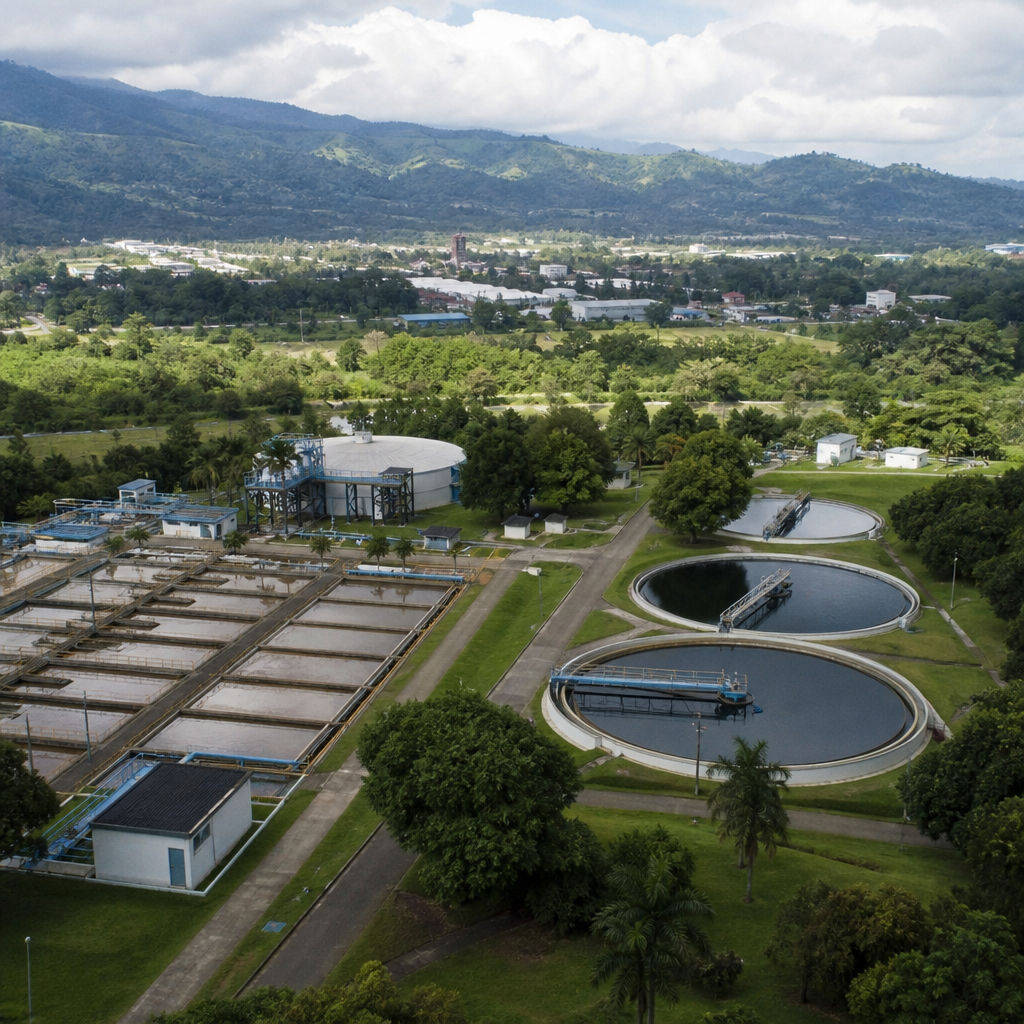
Economic sustainability in EcoSan depends on getting the cost structure right at each stage. The standard sanitation cost categories are capital expenditure, operating expenditure, expenditure on direct support, indirect support costs, and capital maintenance expenditure. Capital expenditure includes household toilet construction, storage chambers, ventilation, diversion systems, handwashing stations, and small treatment units. Operating expenditure includes water where relevant, cover material, cleaning, labor for handling compost, routine desludging, and service contracts. Capital maintenance covers periodic replacement of slabs, doors, roofing, containers, pipes, or vault components. Direct support includes hygiene promotion, refresher training, and technical supervision. Indirect support includes policy, regulation, and planning functions often carried by local government.
A common mistake in CLTS-linked economic analysis is to focus only on the initial cost of stopping open defecation. That can make a basic pit latrine appear economically superior in every setting. But if pits collapse in flood-prone soils, need frequent rebuilding, contaminate shallow groundwater, or cannot be safely emptied, the life-cycle cost rises sharply. EcoSan often has higher initial construction costs, but in dense settlements, rocky terrain, high water table areas, or water-scarce regions, those systems can avoid repeated reconstruction and reduce resource consumption. The right comparison is therefore not cheapest toilet versus most advanced toilet. It is the lowest life-cycle cost for a safe, acceptable, and serviceable sanitation system under local conditions.
| Cost Element | Basic CLTS Pit Model | EcoSan-Oriented Model | Economic Implication |
|---|---|---|---|
| Initial construction | Usually lower | Often higher | Lower entry barrier can improve uptake, but quality risk is higher |
| Water use | Varies by design | Often low | Low water demand matters in arid and off-grid areas |
| Maintenance skill | Low to moderate | Moderate | Training quality affects sustained functionality |
| Emptying or handling | Frequently difficult | Planned handling more common | Serviceability strongly affects long-term viability |
| Reuse value | Limited | Potentially significant | Nutrient recovery can offset part of recurrent costs |
| Performance in difficult terrain | Often weak | Often stronger | Context can justify higher upfront investment |
In field budgeting, I advise teams to estimate costs over at least ten years and include replacement cycles. A slab that lasts eight years, a superstructure that lasts five, or a urine container replaced every two all affect affordability. Ignoring these realities leads to underfinanced systems and inflated claims of sustainability.
Household Affordability, Demand, and Willingness to Pay
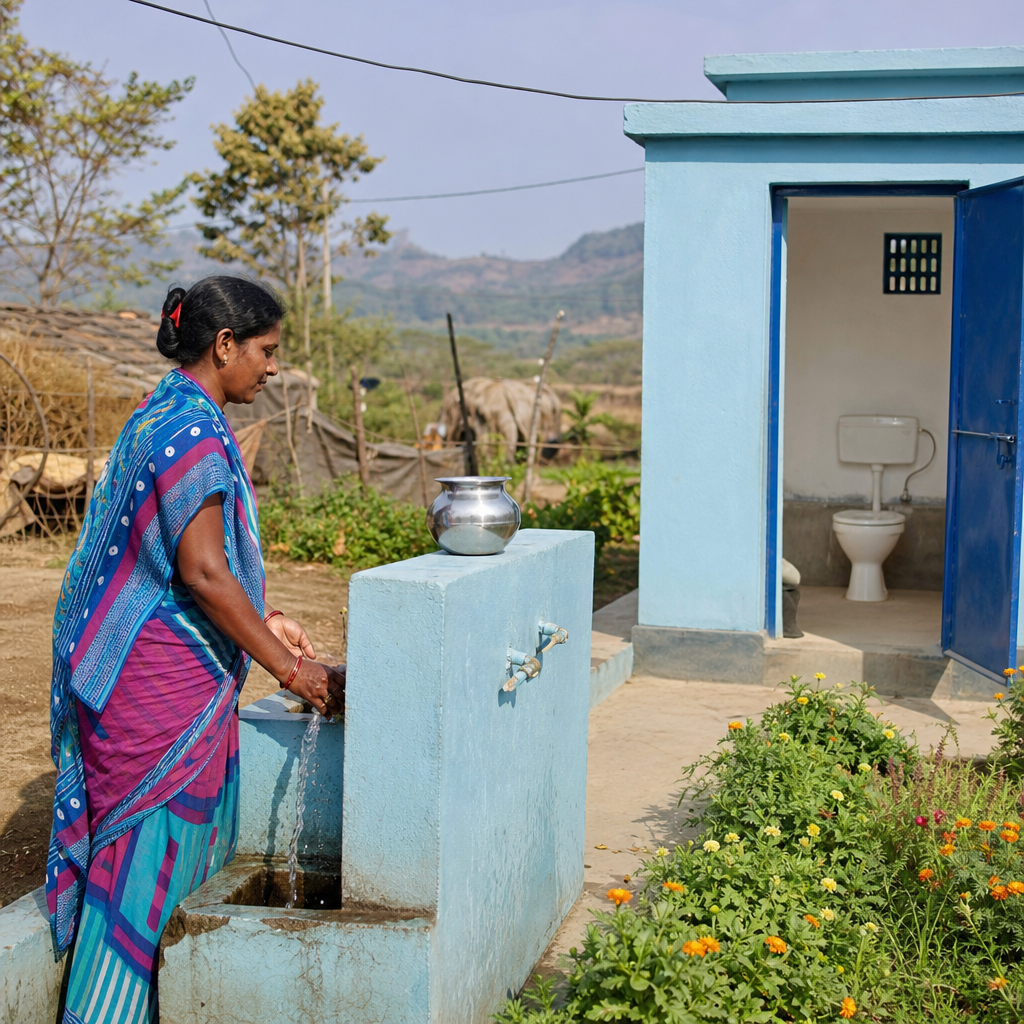
Household economics sit at the center of CLTS and EcoSan outcomes. A family may strongly prefer a hygienic toilet and still delay construction because income is seasonal, credit is unavailable, or the required cash outlay competes with school fees and food purchases. In many rural programs, willingness to pay is not the same as ability to pay at one point in time. This is why sanitation marketing, savings groups, rotating finance, and supplier development matter so much. When households can buy improved slabs in stages, hire trained masons locally, or spread payments over months, adoption rates rise and technical quality usually improves.
Affordability analysis should segment households, not treat the community as one market. The poorest households, tenants, elderly residents, people with disabilities, and female-headed households often face distinct barriers. In several CLTS follow-up reviews, slippage back to open defecation was concentrated in households that built the cheapest possible structures under social pressure. A more durable economic strategy pairs collective behavior change with targeted support that protects the no-subsidy principle from becoming a no-support reality. Smart support can include vouchers for the ultra-poor, community labor contributions, microfinance for sanitation entrepreneurs, or bulk procurement of durable materials. The objective is not to distort the market; it is to ensure minimum service levels are financially reachable.
For EcoSan specifically, willingness to pay increases when benefits are tangible. Households respond to lower water bills, less smell, easier emptying, and visible agricultural value from sanitized outputs. However, reuse value alone rarely drives adoption at scale. Most families buy sanitation for dignity, safety, and convenience first. Nutrient recovery strengthens the economics but usually does not replace the need for financing mechanisms and trusted technical support.
From Sanitation Promotion to Local Markets and Enterprise
Economic sustainability improves when CLTS evolves from a campaign into a functioning local sanitation market. Triggering can create demand, but supply must follow. That means trained masons, accessible hardware shops, spare parts, transport services, pit emptying providers, compost processors, and buyers for end products where reuse is permitted and safe. In Nepal, Bangladesh, and parts of East Africa, the most durable post-CLTS gains often occurred where local governments and NGOs helped develop sanitation enterprises instead of treating toilet construction as a one-time community event. A household that can call a known provider for repairs or emptying is less likely to abandon a facility when problems arise.
EcoSan markets require even more coordination. Urine diversion toilets need users who understand operation, artisans who can build to specification, and service arrangements for collection or on-site treatment. Compost or other recovered products need quality standards, storage, transport, and market confidence. Where these pieces are missing, systems become burdensome and reputation suffers. I have seen technically sound EcoSan pilots stall because no one budgeted for recurring collection or product certification. By contrast, projects that linked municipalities, farmer groups, and service providers had stronger economics because waste handling became a service chain rather than an unpaid household chore.
Enterprise development also creates local multiplier effects. Money spent on sanitation can circulate within the local economy through wages for masons, sales of cement rings, transport fees, and agricultural input substitution. Those indirect benefits are real, though they must be estimated carefully. Not every village can support a specialized EcoSan business immediately, but most can support a gradual ladder of services if demand is consistent and standards are practical.
Measuring Benefits: Health, Time, Environment, and Resource Recovery
The strongest economic case for sanitation combines private and public benefits. Health benefits include reduced diarrheal disease, lower helminth infection risk, fewer medical expenses, and less time lost from work and school. The World Bank has repeatedly shown that inadequate sanitation imposes large economic losses through healthcare costs, productivity decline, and premature mortality. Time savings matter too. A nearby household toilet reduces time spent walking to fields or shared facilities, and this effect is especially important for women, older adults, and caregivers. Safety and dignity are harder to monetize but should not be excluded simply because they are less visible in spreadsheets.
Environmental benefits become central in EcoSan analysis. Reduced nutrient leakage, lower groundwater contamination risk, improved soil organic matter through safe compost use, and lower freshwater demand all have economic value. In water-stressed areas, dry or low-water systems can avoid major future costs. Resource recovery can further shift the equation. Urine contains much of the nitrogen and potassium excreted by humans, while sanitized fecal matter can contribute phosphorus and organic material. Yet valuation must be realistic. Nutrient content, pathogen reduction, transport distance, and farmer acceptance determine actual market value. A bag of compost only has economic benefit if it is safe, usable, and competitively priced against conventional fertilizer.
Cost-benefit analysis should therefore include avoided costs and actual realized benefits, not theoretical maximums. Sensitivity analysis is essential. If disease reduction is modest, fertilizer prices fall, or transport costs rise, does the model still work? Good sanitation economics is conservative enough to remain credible and ambitious enough to capture system-wide value.
Governance, Public Finance, and Long-Term Economic Sustainability
No community-led sanitation model remains economically sustainable without governance that supports monitoring, regulation, and service delivery. CLTS can mobilize communities, but it cannot replace municipal responsibility for public health oversight, fecal sludge management planning, or support to vulnerable households. The most resilient systems use blended finance. Households fund what they can reasonably own, local businesses provide goods and services, and public funds cover behavior change campaigns, technical assistance, market development, environmental protection, and infrastructure with strong public-good characteristics. Treatment facilities, transfer stations, and quality assurance for reuse products usually need some form of public coordination or subsidy because benefits extend beyond individual users.
Institutional clarity matters as much as money. Who monitors slippage? Who licenses emptiers? Who verifies safe composting temperatures or storage periods? Who enforces standards when products enter agricultural markets? Where responsibilities are vague, costs shift to households in hidden ways and systems deteriorate. I have seen villages declared open-defecation-free with no budget for follow-up visits, no plan for pit filling, and no mechanism for replacing failed facilities among the poorest residents. Unsurprisingly, the gains eroded. By contrast, districts that integrated sanitation into annual budgets, linked indicators to frontline workers, and supported service providers saw better retention of outcomes.
For practitioners building this sub-pillar, the key insight is that economic sustainability in EcoSan is not a single metric. It is the combined durability of household demand, life-cycle affordability, enterprise viability, public finance support, and safe reuse governance. CLTS contributes by creating social momentum and community accountability, but those strengths must be joined to robust market systems and realistic financing plans. If you are developing strategy under the Economic Aspects topic, use this hub to frame every related article around the full sanitation chain: who pays, who benefits, who maintains, who regulates, and what happens after the first toilet is built. That is where sustainable sanitation stops being a campaign and becomes an enduring local economy.
Frequently Asked Questions
What is the economic logic behind Community-Led Total Sanitation (CLTS)?
At its core, the economic logic of Community-Led Total Sanitation (CLTS) is that sanitation outcomes can improve at lower public cost when communities themselves drive behavior change. Rather than relying primarily on direct hardware subsidies for toilet construction, CLTS seeks to eliminate open defecation by mobilizing households to recognize the health, social, and environmental costs of unsafe sanitation and to act collectively. From an economic perspective, this approach attempts to reduce one of the biggest barriers in rural sanitation programs: the high cost of delivering infrastructure-centered interventions to dispersed populations.
CLTS also addresses the fact that sanitation has strong public good characteristics. One household’s decision to stop open defecation benefits not only that family but also neighbors through reduced disease transmission, cleaner surroundings, and improved dignity and safety. Because these benefits spill over across the community, private incentives alone may be too weak to generate universal uptake. CLTS tries to solve this coordination problem through social mobilization, local accountability, and shared commitments, making it economically attractive where collective action is necessary to realize health gains.
In the context of EcoSan and ecological sanitation more broadly, the economic analysis becomes even more interesting. If sanitation systems are designed not just for waste disposal but also for nutrient recovery, water conservation, and safe reuse, then the value proposition expands. Households and communities may derive long-term returns through reduced fertilizer purchases, more resilient local resource cycles, and lower water demand. However, those benefits only materialize if systems are used correctly, maintained consistently, and accepted socially. That is why economic sustainability in sanitation is not simply about low initial cost; it is about whether the model creates durable incentives, manageable maintenance responsibilities, and real value over time.
How do economists measure whether CLTS is cost-effective?
Economists typically assess CLTS cost-effectiveness by comparing the total cost of implementation with the outcomes achieved. Costs usually include community mobilization, facilitation, training, follow-up visits, local monitoring, and administrative overhead. In some cases, analysts also account for household spending on latrine construction or upgrades, because even when governments or NGOs do not provide hardware subsidies, families still invest labor, materials, and cash. The main question is not just whether CLTS is inexpensive to run, but whether it delivers meaningful and lasting sanitation improvements for the resources used.
On the outcomes side, common indicators include reductions in open defecation, increases in latrine ownership and use, improvements in slippage rates over time, and health-related outcomes such as lower diarrhea incidence or fewer sanitation-related infections. More advanced economic evaluations may estimate cost per open defecation-free community, cost per additional sustained latrine user, or cost per disability-adjusted life year averted. These measures help compare CLTS to other sanitation strategies, including subsidized latrine programs, market-based sanitation approaches, or integrated EcoSan service models.
A strong cost-effectiveness analysis also distinguishes between short-term success and long-term sustainability. A village that reaches open defecation-free status for six months but later returns to old practices presents a very different economic picture than one that sustains gains for five years. This is especially important in EcoSan systems, where proper use and maintenance are essential to realizing benefits such as nutrient recovery and safe reuse. If facilities fall into disrepair or users abandon the system, the apparent low cost of initial mobilization can be misleading. Economists therefore increasingly emphasize lifecycle thinking, including monitoring, maintenance, replacement costs, and the long-term value of environmental and agricultural co-benefits.
What are the main economic strengths and weaknesses of CLTS compared with subsidy-based sanitation programs?
The main economic strength of CLTS is that it can achieve broad behavioral change without the high fiscal burden of universal construction subsidies. For governments and development organizations with limited budgets, this can make CLTS highly attractive, especially in rural areas where the per-household cost of infrastructure delivery is high. By emphasizing local solutions, community pressure, and self-financed improvements, CLTS can stimulate demand for sanitation and encourage households to invest according to their means. In theory, this can produce more ownership and reduce dependency on external support.
Another advantage is that CLTS may unlock local innovation. Families often adapt designs to local materials, climate conditions, and cultural preferences, which can lower costs and improve practicality. In settings where EcoSan principles are introduced, communities may also identify productive uses for treated waste streams or adopt water-saving systems better suited to local scarcity. These kinds of decentralized adaptations can improve economic resilience if they are technically sound and socially accepted.
However, CLTS has important weaknesses that economic analysis must not overlook. First, shifting costs from institutions to households does not eliminate costs; it redistributes them. Poor households may struggle to build durable toilets, leading to low-quality structures, delayed adoption, or eventual collapse. Second, behavior change alone may not solve supply-side constraints. If materials, skilled labor, emptying services, or spare parts are unavailable, communities may be motivated but unable to maintain safe sanitation systems over time. Third, some evaluations show that CLTS outcomes vary widely across regions, meaning its cost-effectiveness is highly context-dependent.
By contrast, subsidy-based programs may be more equitable in reaching the poorest and may support higher-quality, longer-lasting infrastructure when designed well. But they can also be expensive, distort local markets, and weaken household ownership if poorly targeted. From an economic standpoint, the best approach is often not a simple choice between CLTS and subsidies, but a calibrated mix: community mobilization to create demand and collective norms, paired with smart financing, support for vulnerable households, strong supply chains, and, where relevant, technical guidance for sustainable EcoSan models.
How does CLTS relate to the economic sustainability of EcoSan systems?
CLTS and EcoSan intersect around one central issue: sanitation systems last only when communities see them as useful, manageable, and worth sustaining. CLTS focuses on behavior change and collective action, while EcoSan emphasizes resource recovery, environmental protection, and decentralized sanitation services. Economically, the connection is powerful because EcoSan systems often require a level of user engagement that goes beyond simply owning a toilet. Households may need to separate waste streams, handle composting processes correctly, maintain chambers, conserve water, and follow safe reuse practices. Those activities are more likely to continue when there is strong social buy-in and a clear understanding of benefits.
Economic sustainability in EcoSan depends on whether the system creates a viable balance between costs and returns. Costs may include construction, user training, operation and maintenance, periodic repairs, treatment management, and safe handling measures. Returns may appear as avoided medical expenses, reduced water use, lower fertilizer purchases, improved soil productivity, and reduced pressure on centralized infrastructure. CLTS can support this sustainability by fostering community norms, mutual oversight, and local ownership, all of which reduce the risk that facilities are abandoned after installation.
That said, CLTS alone is usually not enough to make EcoSan economically sustainable. EcoSan systems often require stronger technical support, more consistent follow-up, and clearer links to value chains for reuse products than basic pit latrines do. If nutrient reuse is unsafe, culturally rejected, or poorly connected to local agriculture, the expected economic benefits may not materialize. Likewise, if operation requirements are too complex or labor-intensive, households may not sustain use. A robust economic analysis therefore looks beyond triggering and adoption rates to examine whether the full service chain works: construction quality, user capacity, maintenance arrangements, treatment safety, product acceptance, and long-term institutional support.
What factors determine whether CLTS delivers lasting economic value for communities and public programs?
Several factors determine whether CLTS produces lasting economic value rather than temporary gains. The first is sustained behavior change. If households consistently use and maintain sanitation facilities, the community is more likely to see durable health benefits, lower contamination, and reduced productivity losses from illness. The second is the quality and durability of the toilets or sanitation systems adopted. Low-cost structures may help achieve rapid coverage, but if they collapse seasonally or fail in difficult soil and flood conditions, replacement costs can erase early savings.
A third factor is inclusion. Economically successful sanitation programs cannot ignore the poorest, the elderly, people with disabilities, tenants, or households facing land constraints. If these groups are left behind, open defecation may persist, undermining community-wide public health gains. This is why many analysts now argue that the economic performance of CLTS improves when it is paired with targeted support for vulnerable households rather than treated as a zero-subsidy model in all circumstances.
Institutional follow-up also matters enormously. Communities often need post-triggering support, access to sanitation markets, technical guidance, local monitoring, and in some cases links to financing or microenterprise services. For EcoSan-related systems, additional determinants include safe treatment practices, market or household demand for recovered nutrients, and practical maintenance routines that fit local livelihoods. When these enabling conditions are present, CLTS can create value by reducing recurrent health costs, preserving environmental quality, supporting local resource recovery, and lowering the burden on public sanitation budgets. When they are absent, sanitation gains may erode, and what first appeared to be a low-cost intervention may prove economically fragile.