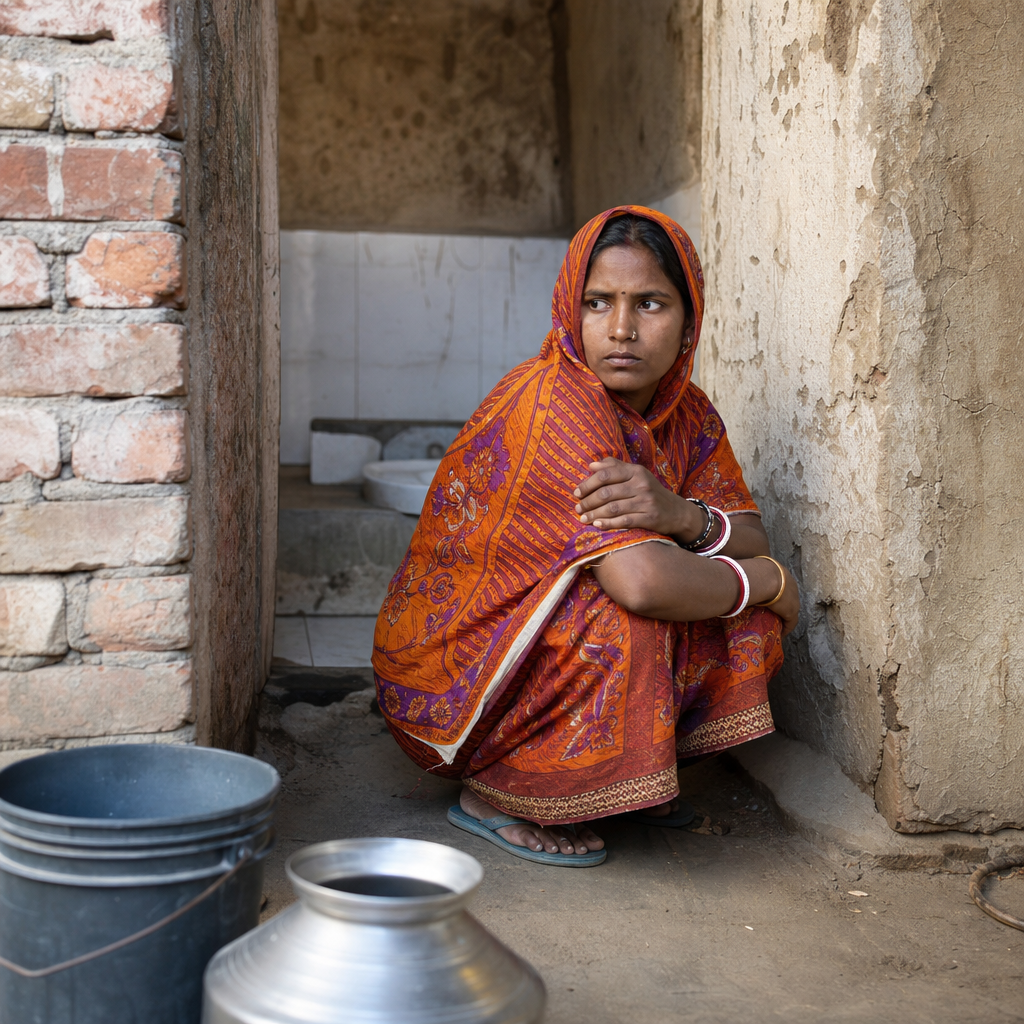
Global collaboration for sanitation in dense urban slums is one of the clearest tests of whether cities, governments, utilities, donors, community groups, and private operators can solve a problem that is both intensely local and unmistakably global. Sanitation means the safe management of human waste across the full service chain: toilet access, containment, emptying, transport, treatment, reuse, and final disposal. Dense urban slums are informal or underserved settlements where overcrowding, insecure land tenure, weak drainage, and limited public investment make conventional sewer expansion difficult and expensive. When these conditions intersect, families face a daily burden of unsafe toilets, overflowing pits, open drains, and disease exposure that undermines health, education, safety, dignity, and economic productivity.
This topic matters because the urban sanitation gap is growing. The World Bank, UNICEF, and WHO have repeatedly shown that urbanization is outpacing infrastructure delivery in many low and middle income countries. In practical terms, that means millions of residents live within a few meters of neighbors, yet without reliable waste containment or collection. I have worked on sanitation planning discussions where the main challenge was not choosing a toilet model, but aligning landowners, city engineers, public health officers, local savings groups, and service businesses around a realistic operating model. In dense settlements, the question is rarely whether sanitation is needed; it is how to deliver a safe, affordable service where roads are narrow, plots are crowded, groundwater may be shallow, and residents often pay more for worse services than wealthier households elsewhere in the city.
As a hub for global opportunities in sanitation, this article explains where collaboration creates the biggest gains. It covers why slum sanitation requires a citywide approach, which technical and financing models work best in constrained environments, how community leadership improves uptake, where digital tools and climate planning now matter, and what international partnerships can do that local actors cannot do alone. For readers exploring broader global challenges and opportunities, sanitation is a foundational sector because progress here supports public health, gender equity, school attendance, environmental protection, and urban resilience all at once.
Why Dense Urban Slums Need a Different Sanitation Strategy
Dense urban slums cannot be served effectively by copying suburban sewer plans or rural toilet campaigns. Space is limited, household plots may not permit safely spaced pits, and many settlements sit on floodplains, steep slopes, or reclaimed land. Informality also changes the economics of investment. Utilities may hesitate to build where tenure is unclear, while landlords avoid upgrades because tenants are transient and regulation is weak. The result is a fragmented sanitation market in which shared toilets are common, emptying is irregular, and untreated fecal sludge may be dumped into drains, rivers, or vacant land.
A different strategy starts with service outcomes instead of infrastructure labels. The target is not simply “more toilets,” but safely managed sanitation as defined through the full chain. In cities such as Dhaka, Nairobi, Kampala, and Freetown, the most effective programs have combined off-grid or partially sewered solutions with scheduled desludging, transfer stations, treatment plants, and stronger local regulation. This is why fecal sludge and septage management has become central to urban sanitation planning. In neighborhoods where sewers are decades away or physically impractical, improving the non-sewered chain delivers faster public health gains.
Global collaboration is especially valuable here because it helps cities avoid repeating common mistakes. One recurring failure is funding toilet construction without funding operations. Another is selecting technologies without considering emptying access. I have seen plans approve improved latrines on paper only to discover later that vacuum trucks could not reach the lanes, forcing unsafe manual emptying. International knowledge exchange helps municipalities learn from container-based sanitation pilots, decentralized wastewater treatment, condominial sewers, and mechanized transfer systems already tested elsewhere.
Collaboration Models That Actually Improve Services
The strongest sanitation partnerships in dense settlements are built around clear roles. Municipal governments set policy, regulate providers, and coordinate land use, drainage, and public health functions. Utilities or sanitation departments manage networked assets where they exist and increasingly oversee non-sewered service standards. Community-based organizations identify local constraints, mobilize demand, support hygiene messaging, and improve accountability. Private operators supply toilets, desludging, transport, treatment, maintenance, and digital payment systems. Donors and development banks reduce risk, finance capital works, and fund technical assistance.
These partnerships work when they are tied to measurable performance. In Maputo, sanitation initiatives have shown the value of linking household containment improvements with market development for pit emptying and sludge treatment. In Kigali and Lusaka, utilities and city authorities have increasingly recognized that urban sanitation cannot be limited to sewer customers. In India, citywide sanitation planning accelerated after national missions created incentives for cities to map gaps, certify progress, and integrate public and household services. The broader lesson is that collaboration succeeds when one institution owns coordination and everyone else understands the service chain they are responsible for.
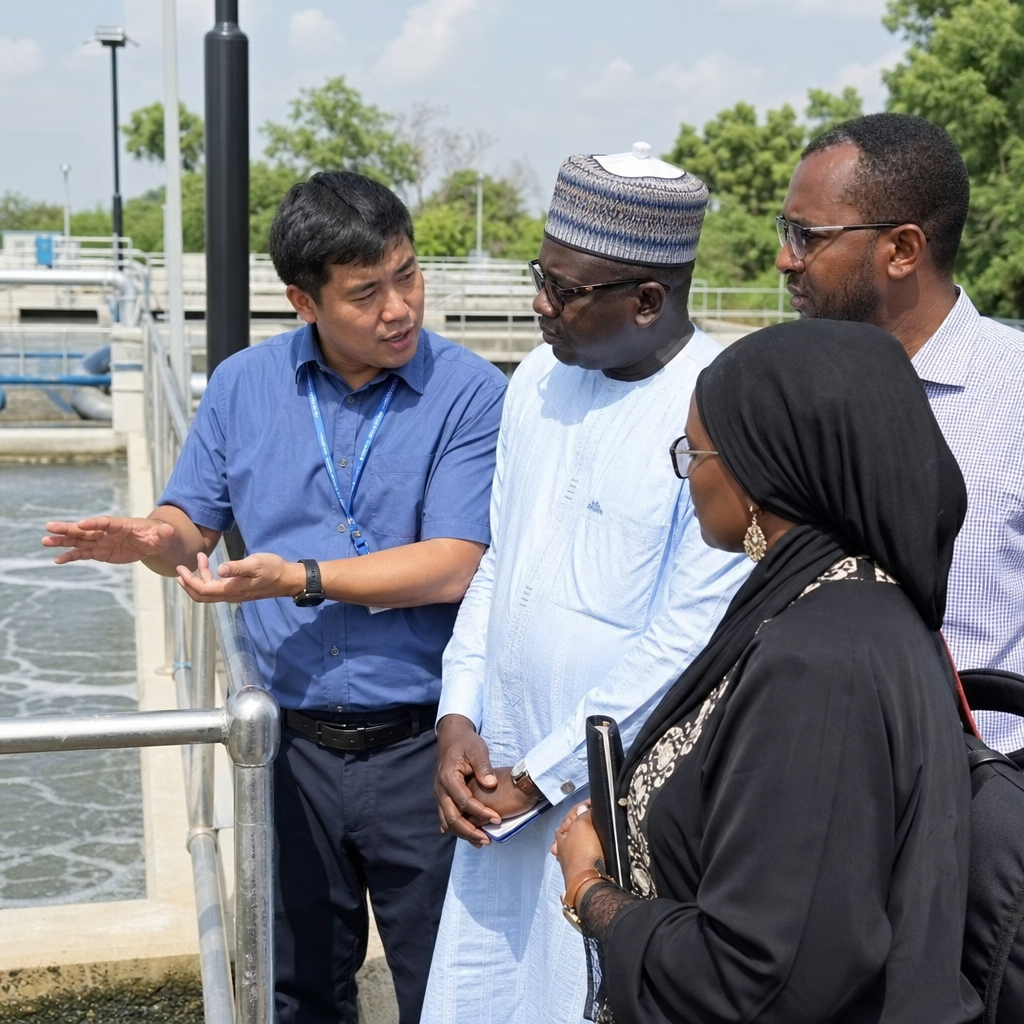
International organizations add value in three specific ways. First, they standardize evidence and methods. The sanitation safety planning framework promoted by WHO helps teams identify exposure risks from toilet to disposal or reuse. Second, they finance early-stage project development that local governments often cannot fund from operating budgets. Third, they create benchmarking pressure. Once a mayor sees peer cities publishing emptying coverage, treatment rates, and customer satisfaction data, sanitation moves from a hidden problem to a manageable public service challenge.
Technology Pathways for Informal Settlements
No single sanitation technology fits every slum. The right option depends on density, soil conditions, flooding, topography, water availability, road access, affordability, and institutional capacity. Shared toilets can be necessary in very constrained environments, but they only work if cleaning, lighting, user rules, and payment responsibilities are managed well. Household pour-flush toilets connected to septic tanks or lined pits may work where plots are slightly larger and emptying access exists. Simplified or condominial sewers can reduce costs in dense layouts by using smaller pipes and community-level routing. Decentralized wastewater treatment systems can serve clusters where trunk sewers are not viable. Container-based sanitation can be effective in flood-prone or extremely inaccessible areas because waste is sealed and collected frequently.
The crucial technical principle is interoperability across the sanitation chain. A good toilet attached to a bad containment system is not a good sanitation service. Likewise, a well-designed treatment plant does little if sludge never arrives because emptying is unsafe or unaffordable. When comparing options, planners should evaluate not only capital cost but emptying frequency, occupational safety, transfer logistics, treatment compatibility, greenhouse gas implications, and customer willingness to pay.
| Option | Best Fit | Main Advantage | Main Constraint |
|---|---|---|---|
| Shared toilet blocks | Very high density settlements | Fast access where household space is unavailable | Cleaning, queueing, and security must be managed daily |
| Septic or lined pit systems | Low to medium density informal areas | Familiar and relatively scalable | Requires safe emptying and suitable containment design |
| Simplified sewers | Dense areas with organized layouts | Lower cost than conventional sewers | Needs collective buy-in and utility oversight |
| Container-based sanitation | Flood-prone or inaccessible zones | Reduces unsafe dumping and works without excavation | Needs reliable frequent collection and service discipline |
From direct field experience, the technologies that endure are rarely the most sophisticated. They are the ones matched to maintenance realities. If spare parts, sludge routes, operator training, and tariff collection are weak, simpler systems often outperform advanced ones. That is why global opportunities in sanitation increasingly focus on adaptable service models rather than one-time hardware distribution.
Financing and Business Models for Sustainable Scale
Sanitation in dense urban slums fails when financing covers construction but not service continuity. Sustainable scale requires blended finance: public subsidies for public health benefits, household contributions where affordable, commercial revenue for recurring services, and concessional capital for treatment and transfer infrastructure. The economics are straightforward. Residents may pay for convenient, immediate services such as toilet access or desludging, but they usually cannot finance the full cost of citywide treatment capacity, enforcement, or drainage integration. Those are public responsibilities because the benefits extend far beyond the paying user.
Smart subsidy design matters. Output-based aid, sanitation vouchers, and targeted capital subsidies can help low-income households upgrade containment while preserving incentives for quality. Scheduled desludging models, used in parts of Southeast Asia and increasingly discussed in African cities, spread the cost of emptying through regular fees rather than crisis payments when pits overflow. That approach improves planning and keeps trucks, transfer points, and treatment plants utilized more consistently. It also reduces the temptation to dump sludge illegally to cut disposal costs.
Private participation is essential, but only within a regulated framework. Small entrepreneurs often dominate pit emptying and toilet operations in informal settlements because they can navigate difficult roads and local customer relationships. However, without licensing, disposal monitoring, and tariff transparency, the lowest-cost operators may externalize risks onto communities and waterways. The most promising business models create room for local enterprises while enforcing service standards. This is where city contracts, digital trip tracking, and treatment gate records become powerful management tools.
Community Leadership, Gender, and Public Health Outcomes
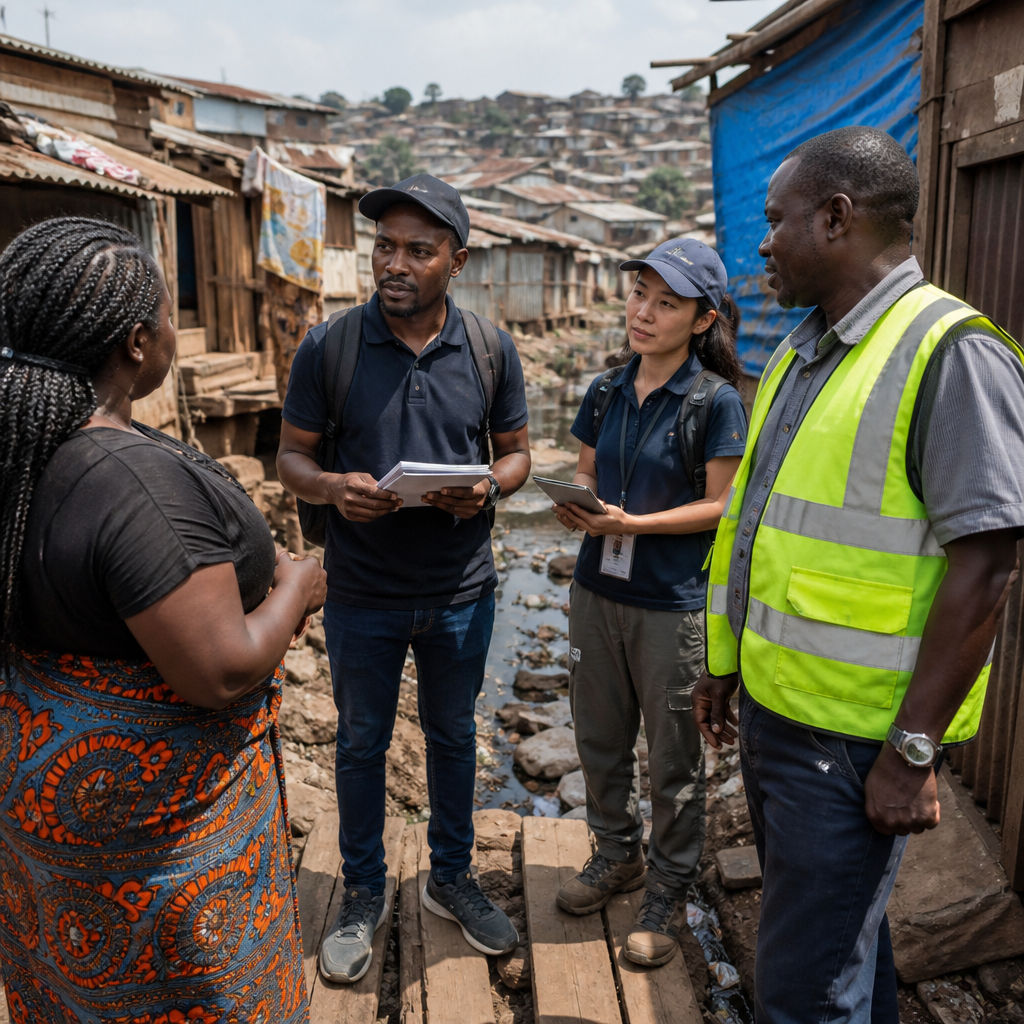
Sanitation improvements last longer when residents shape them. Community engagement is not a ceremonial consultation step; it is the mechanism that reveals who uses which toilet, who cleans shared facilities, who feels unsafe at night, and which alleys flood first. Women and girls often understand system failures most clearly because they manage household water, care for sick family members, and face disproportionate safety and privacy risks. In practice, sanitation design improves when women are involved in toilet siting, lock and lighting choices, menstrual hygiene accommodation, and fee collection systems.
Public health gains are substantial when sanitation services improve across an entire settlement rather than for isolated households. Better containment and sludge management reduce fecal contamination pathways linked to diarrheal disease, intestinal parasites, and child undernutrition. During cholera outbreaks, rapid sanitation interventions around shared facilities, drainage points, and sludge hotspots can complement vaccination, surveillance, and water chlorination. Schools, clinics, and markets also matter. A slum sanitation plan that excludes institutions misses major transmission nodes and daily user volumes.
Trust is built through responsiveness. In neighborhoods where residents have seen many short-lived projects, promises mean little until cleaning schedules are posted, complaints are answered, and fees visibly correspond to better service. Some of the best programs I have observed used local caretakers, savings groups, and resident committees not as symbolic partners but as operational actors with defined responsibilities and small budgets. That practical involvement improves safety, payment discipline, and infrastructure care.
Data, Climate Resilience, and the Next Global Opportunities
The next wave of progress in slum sanitation will come from better data and stronger climate adaptation. Many cities still lack accurate maps of informal settlements, toilet types, desludging routes, and treatment capacity. Without that information, investment decisions rely on assumptions. Tools such as GIS settlement mapping, mobile service logs, remote sensors for fill levels, and utility dashboards now make it possible to monitor non-sewered sanitation with far greater precision. Shit Flow Diagrams, widely used in urban sanitation planning, help decision-makers visualize where waste is safely managed and where it leaks into the environment.
Climate change raises the stakes. Flooding can submerge pits, spread sludge through homes, and disable treatment plants. Heat and water scarcity affect user behavior and system performance. Coastal settlements face salinity intrusion and storm surges that make conventional pit designs less reliable. Global collaboration should therefore prioritize resilient designs, elevated facilities, sealed containment, backup treatment arrangements, and integration with stormwater planning. Methane emissions from poorly managed sludge are another reason sanitation now belongs in climate conversations as well as health agendas.
For organizations working across the broader global challenges and opportunities landscape, the central takeaway is simple: sanitation in dense urban slums is not a niche humanitarian issue but a scalable urban systems opportunity. The most effective path is collaborative, citywide, and service-oriented. It blends community leadership with utility discipline, practical technology with realistic financing, and local accountability with international expertise. If you are building a strategy, funding a program, or researching urban development, start with the sanitation chain and follow it end to end. That is where the biggest gains, and the most durable opportunities, are found.
Frequently Asked Questions
1. Why is global collaboration so important for sanitation in dense urban slums?
Global collaboration matters because sanitation in dense urban slums is not a problem that any one actor can solve alone. In these settlements, toilets are only one part of the challenge. The real issue is the entire sanitation service chain: access to safe and dignified toilets, proper containment of waste, reliable emptying services, safe transport, treatment, and environmentally sound reuse or disposal. When even one link in that chain fails, the health, environmental, and economic consequences spread quickly through crowded communities and often into the wider city.
International cooperation helps bring together the different strengths required to make that chain work. Local communities understand settlement layouts, social dynamics, safety concerns, and daily barriers to service use. Municipal governments control planning, land management, and public health mandates. Utilities and service providers contribute technical capacity and operations experience. Donors and development banks can fund infrastructure and pilots that cities could not otherwise afford. Researchers and global public health organizations add evidence, monitoring tools, and models that can be adapted across countries.
Dense slums also reflect global pressures such as rapid urbanization, climate vulnerability, migration, and inequality. That means solutions developed in one city can inform action elsewhere, especially around fecal sludge management, decentralized treatment, shared sanitation, and behavior-centered service design. Global collaboration accelerates learning, reduces duplication, and helps scale proven approaches faster. Just as importantly, it can raise sanitation from a neglected local issue to a priority within climate, health, housing, and urban development agendas worldwide.
2. What makes sanitation in dense urban slums different from sanitation in other urban neighborhoods?
Sanitation in dense urban slums is especially difficult because physical, legal, financial, and social constraints all overlap. In many informal settlements, homes are tightly packed together with narrow pathways, unstable structures, and little available land. That makes it hard to install conventional sewer networks or build large, permanent toilet blocks. Trucks may not be able to enter for pit emptying, and there may be no formal drainage or safe sites for treatment facilities nearby.
Tenure insecurity is another major factor. Residents may not hold formal land rights, and governments may hesitate to invest in infrastructure on land considered temporary, contested, or unplanned. At the same time, landlords may underinvest in sanitation because they face weak regulation or limited incentives. This creates a cycle where poor households pay more for worse services, including unsafe shared toilets or informal emptying practices that expose neighborhoods to direct contamination.
Public health risks are also intensified by overcrowding. When many people rely on too few toilets, facilities become dirty, unsafe, or unusable very quickly. Women, girls, older adults, people with disabilities, and children often face the highest burden, especially at night or during floods. In these settings, sanitation is closely linked not only to disease prevention, but also to personal safety, dignity, school attendance, and household income. That is why approaches for dense urban slums must be more adaptive, inclusive, and service-oriented than standard infrastructure models used in planned neighborhoods.
3. What kinds of sanitation solutions work best in dense informal settlements?
The most effective sanitation solutions are usually those designed around real settlement conditions rather than idealized city plans. In many dense slums, fully conventional sewers are too expensive or physically impractical in the short to medium term. That does not mean residents must accept unsafe sanitation. Instead, cities can use a mix of approaches, including improved shared toilets, container-based sanitation, simplified or small-bore sewers where feasible, decentralized wastewater systems, and well-regulated fecal sludge management services.
A strong fecal sludge management system is often essential. This means waste is safely contained in toilets or tanks, emptied by trained operators using manual or mechanized tools suited to narrow lanes, transported without spillage, and delivered to treatment plants that actually function. In some cities, transfer stations, modular treatment units, and scheduled desludging programs have made services more reliable and affordable. Digital mapping, route planning, and payment systems can also improve efficiency and transparency.
The best solutions are not only technical. They are institutional and social as well. Successful programs usually involve communities in selecting sites, setting user rules, monitoring cleanliness, and identifying safety concerns. They also address affordability through subsidies, output-based aid, cross-subsidization, or public financing for the parts of the system that markets will not cover. Most importantly, they treat sanitation as an ongoing public service rather than a one-time construction project. Building toilets without arrangements for maintenance, waste removal, treatment, and accountability rarely delivers lasting results.
4. How can governments, donors, and private operators work together without leaving slum residents behind?
The key is to build partnerships around public service goals, clear regulation, and community accountability. Governments should lead by setting standards, defining service responsibilities, coordinating land and health agencies, and ensuring that informal settlements are included in citywide sanitation plans. Donors can help fund early-stage planning, infrastructure gaps, risk reduction, and innovation, but funding should support long-term systems rather than isolated pilot projects. Private operators can play an important role in toilet management, pit emptying, transport, treatment operations, and data-enabled service delivery, especially where public capacity is limited.
However, collaboration only works when incentives are aligned. If the private sector is expected to serve low-income, high-risk neighborhoods without realistic tariffs, smart subsidies, or enforceable contracts, services may become unreliable or unaffordable. Likewise, donor-backed programs can fail if they create parallel systems that municipalities cannot sustain once funding ends. Strong agreements on performance, pricing, safety, licensing, and treatment disposal are essential so that every actor is accountable for outcomes, not just activity.
Most importantly, residents must be treated as partners rather than passive beneficiaries. Community groups, women’s collectives, local entrepreneurs, and tenant associations often know which facilities are unsafe, which routes are accessible, which hours are practical, and what fee structures households can realistically manage. When these voices shape planning and monitoring, services tend to be more trusted and better used. Inclusive collaboration also reduces the risk that sanitation investments will bypass the poorest blocks, ignore renters, or overlook the needs of people with disabilities and other underserved groups.
5. What are the biggest barriers to scaling sanitation improvements in dense urban slums, and how can they be overcome?
Several barriers repeatedly slow progress. One is fragmented responsibility. Sanitation often falls between departments for water, health, housing, planning, environment, and local government, with no single institution accountable for the full service chain. Another is financing. Capital costs are high, operating costs are ongoing, and many low-income households cannot pay the full price of safe services. There is also a chronic data gap: many informal settlements are poorly mapped, undercounted, or excluded from official planning systems, making it difficult to target investments or track performance.
Political barriers matter too. Because slums may be seen as temporary or politically marginalized, sanitation investments are sometimes delayed in favor of more visible infrastructure elsewhere. Yet delaying action usually increases long-term costs through disease outbreaks, environmental contamination, child stunting, lost productivity, and flood-related failures. Climate change adds even more urgency, since heavier rainfall, heat, and flooding can overwhelm fragile sanitation arrangements and spread contamination rapidly across dense settlements.
Overcoming these barriers requires a citywide inclusive approach. That means recognizing all residents, including those in informal areas, as legitimate users of public sanitation services. Cities need better settlement data, stronger regulation of on-site sanitation and sludge management, reliable public financing, and service models tailored to dense conditions. National governments and global partners can support this by funding treatment infrastructure, improving standards, sharing technical guidance, and linking sanitation to public health, climate resilience, and urban upgrading programs. The most scalable path is not a single technology. It is a durable system of governance, financing, and service delivery that can adapt to the realities of dense urban poverty while protecting health and dignity for everyone.