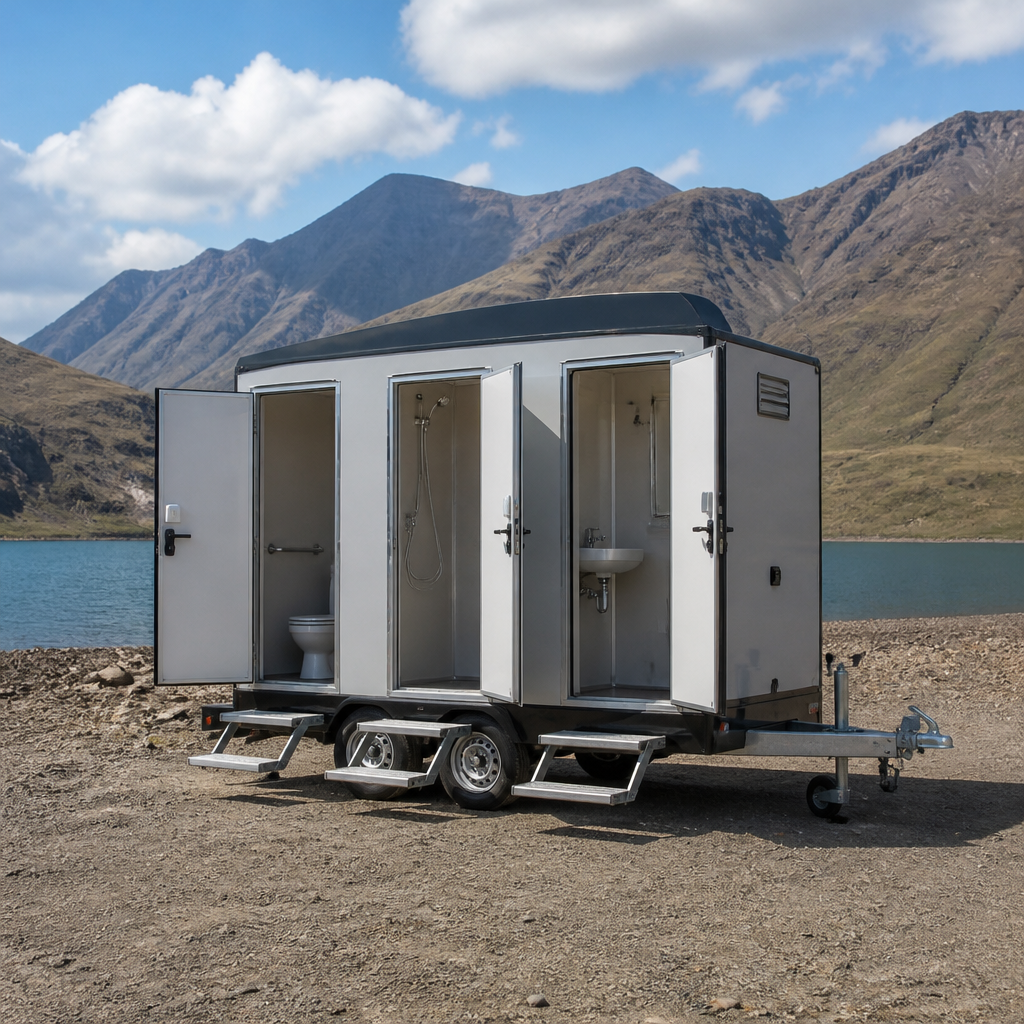
Innovations in mobile sanitation for remote areas are changing how communities, field teams, and emergency responders manage health, dignity, and environmental protection where permanent sewer infrastructure is impractical or impossible. Mobile sanitation refers to transportable or rapidly deployable systems for toilets, handwashing, waste containment, treatment, and safe reuse or disposal. In remote settings, that can mean mountain villages without road access, desert work camps, island communities, refugee settlements, mining sites, and disaster zones where existing services are damaged. I have worked on sanitation planning for temporary and hard-to-reach sites, and the same lesson appears repeatedly: the best solution is rarely a single toilet unit. Effective mobile sanitation combines user-centered design, pathogen control, water efficiency, maintenance logistics, and realistic operating models.
This subject matters because sanitation failures spread disease quickly and silently. The World Health Organization and UNICEF Joint Monitoring Programme consistently identify safely managed sanitation as a core public health indicator, yet billions still lack it. In remote areas, the consequences are sharper. A latrine that cannot be emptied becomes open defecation by another name. A flush unit delivered without water supply will fail within days. A container-based system without a collection route creates stockpiles of untreated waste. Research therefore focuses not only on hardware, but on service chains, treatment pathways, user behavior, climate resilience, and cost recovery. As a hub for advancing research in sanitation, this article maps the main innovations, the evidence behind them, and the practical questions decision-makers should answer before choosing a system.
The current wave of innovation is notable for moving beyond basic containment. Developers are refining urine-diverting toilets, container-based sanitation, compact anaerobic digesters, membrane treatment units, solar sludge dryers, antimicrobial surface materials, sensor-based fill monitoring, and digital maintenance platforms. Researchers are also improving methods to measure pathogen reduction, greenhouse gas emissions, nutrient recovery, and lifecycle cost. For practitioners, the value of this research is simple: better data leads to systems that people actually use, operators can actually maintain, and funders can justify over time. For readers exploring advancing research in sanitation, mobile solutions offer one of the clearest examples of how engineering, epidemiology, materials science, and service design must work together.
Why remote sanitation needs different design rules
Remote sanitation fails when planners copy urban assumptions into non-urban realities. Sewer-dependent designs assume stable water pressure, paved access for vacuum trucks, nearby treatment plants, and continuous utility power. Remote areas often have none of those conditions. That shifts the engineering priority from conveying waste away to stabilizing it safely on site or moving it through compact, predictable service loops. In practice, I start with six variables: user density, water availability, road access, climate, workforce capacity, and final treatment options. A glacier research station, for example, needs freeze-resistant containment and low-energy treatment. A forest work camp may need wildlife-proof units, fast relocation, and odor control in humid conditions.
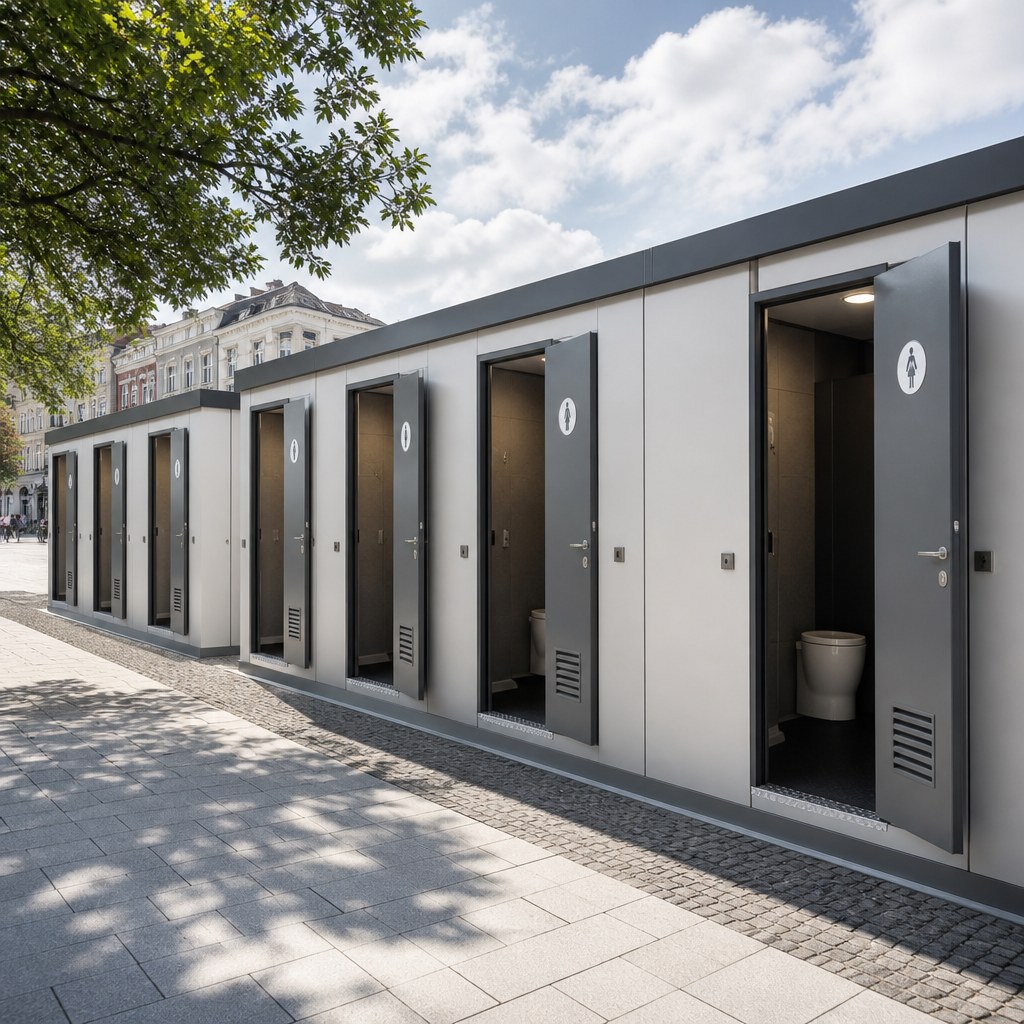
Accessibility and cultural fit are equally important. Research from humanitarian sanitation programs shows that uptake depends on privacy, lighting, menstrual hygiene support, child usability, and perceived cleanliness as much as technical performance. If a mobile toilet is hard to enter, feels unsafe at night, or lacks washing facilities, users will avoid it. That is why modern research includes ethnographic methods, rapid prototyping, and field usability trials alongside laboratory testing. Standards also shape design choices. ISO 30500 for non-sewered sanitation systems, WHO sanitation safety planning guidance, and fecal sludge management frameworks all push developers to think in complete service chains rather than isolated products.
Core mobile sanitation technologies now shaping the field
Several technologies now dominate serious discussion because they solve distinct remote-area constraints. Container-based sanitation is effective where water is scarce and roads are limited but scheduled collection is possible. Sealed cartridges or removable bins isolate waste, reduce leakage risk, and support downstream treatment such as composting, black soldier fly processing, or thermophilic treatment. Urine-diverting dry toilets separate liquid and solid streams, reducing odor and making nutrient recovery more practical. Vacuum-flush micro-systems use far less water than conventional toilets and can feed small holding tanks or decentralized digesters, though they require reliable seals and maintenance.
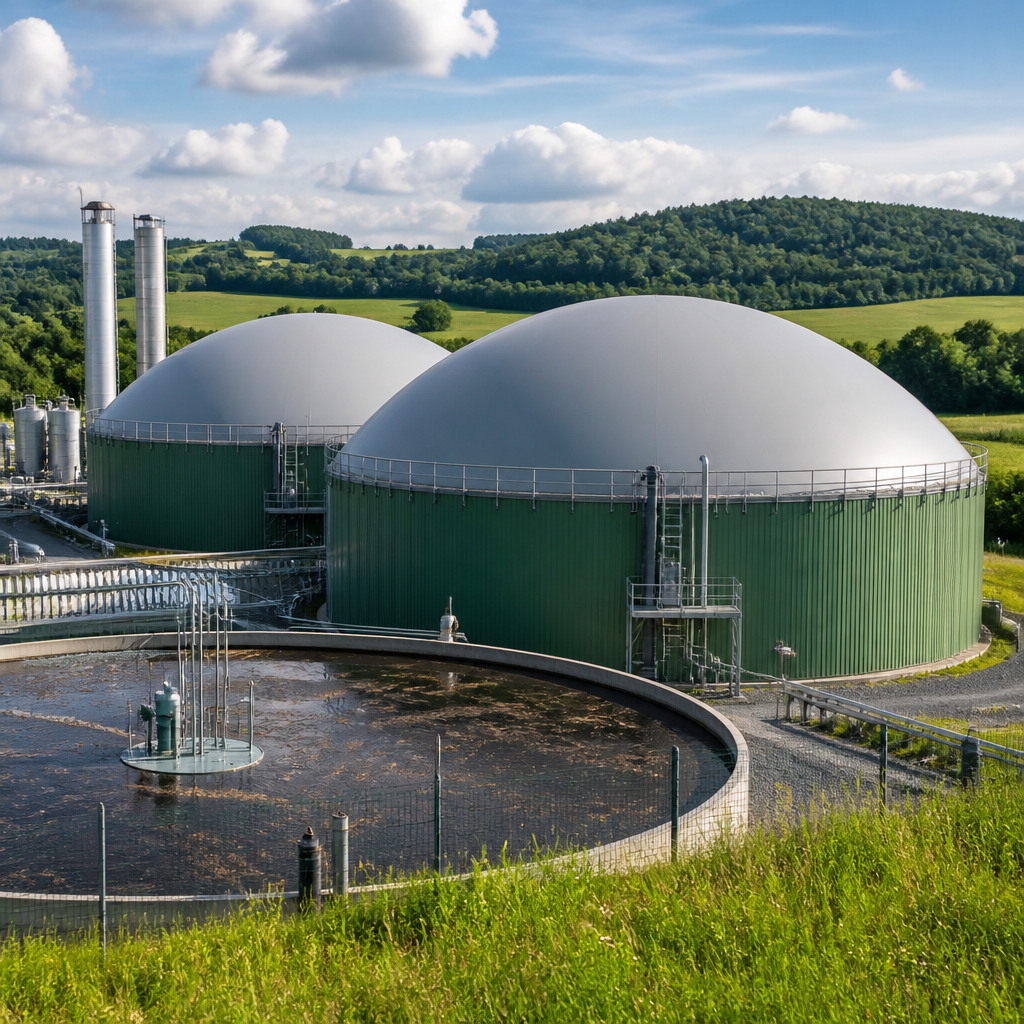
Chemical portable toilets remain common for events and short deployments, but research increasingly favors systems that reduce chemical dependence and improve treatment options. Self-contained treatment units now use membrane bioreactors, electrochemical disinfection, ultrafiltration, and pasteurization to produce reusable effluent for flushing or cleaning. For camps with steady occupancy, modular anaerobic digesters can generate biogas for cooking or water heating while lowering sludge volume. None of these options is universally best. The correct choice depends on whether the main constraint is transport, water, energy, labor, public acceptance, or regulation.
| Technology | Best use case | Main advantage | Main limitation |
|---|---|---|---|
| Container-based sanitation | Low-water remote settlements | Simple waste isolation and transport | Needs reliable collection chain |
| Urine-diverting dry toilets | Water-scarce semi-permanent sites | Lower odor and nutrient separation | User training is essential |
| Vacuum micro-flush systems | Higher-service camps | Very low flush water demand | Mechanical maintenance requirements |
| Portable chemical toilets | Short-term deployments | Fast setup and familiar format | Ongoing consumable and disposal costs |
| Modular digesters | Longer-term camps with organics | Energy recovery potential | Needs stable operation and temperature control |
Research comparisons should examine more than toilet counts. The meaningful metrics are liters of water per use, kilograms of waste safely contained, pathogen log reduction, operator time per service cycle, mean time between failures, user satisfaction, and total cost per person per month. In one mining-camp evaluation I reviewed, a cheaper portable unit became more expensive within a year because transport and pumping costs exceeded the lease savings. By contrast, a higher-cost container system delivered lower lifecycle cost because service visits were planned, standardized, and less weather dependent. This is why advancing research in sanitation increasingly emphasizes whole-life performance instead of purchase price.
Materials, sensors, and product engineering improvements
Material science is making mobile sanitation more durable, lighter, and easier to clean. Rotationally molded high-density polyethylene remains common for toilet shells because it resists corrosion and impact, but newer formulations improve ultraviolet resistance and reduce brittleness in cold climates. Stainless steel components are replacing lower-grade fittings in high-use environments because they better tolerate repeated disinfection. Some manufacturers now use textured floor polymers to reduce slips without trapping dirt, a small design change that significantly improves safety and cleaning outcomes.
Surface engineering is another active area. Antimicrobial coatings attract attention, but the most useful gains I have seen come from smoother internal geometries, fewer crevices, and better drainage angles that reduce residue buildup. Touchless interfaces matter too. Foot-pump sinks, pedal-operated lids, and sensor-activated dispensers reduce contact points, which is especially valuable during outbreaks. Fill-level sensors and telematics are perhaps the most commercially mature innovation. Ultrasonic or pressure-based tank monitoring allows operators to dispatch service only when needed, reducing unnecessary trips and preventing overflows. On large sites, routing software linked to these sensors can cut fuel use and downtime, a practical win for both cost and emissions.
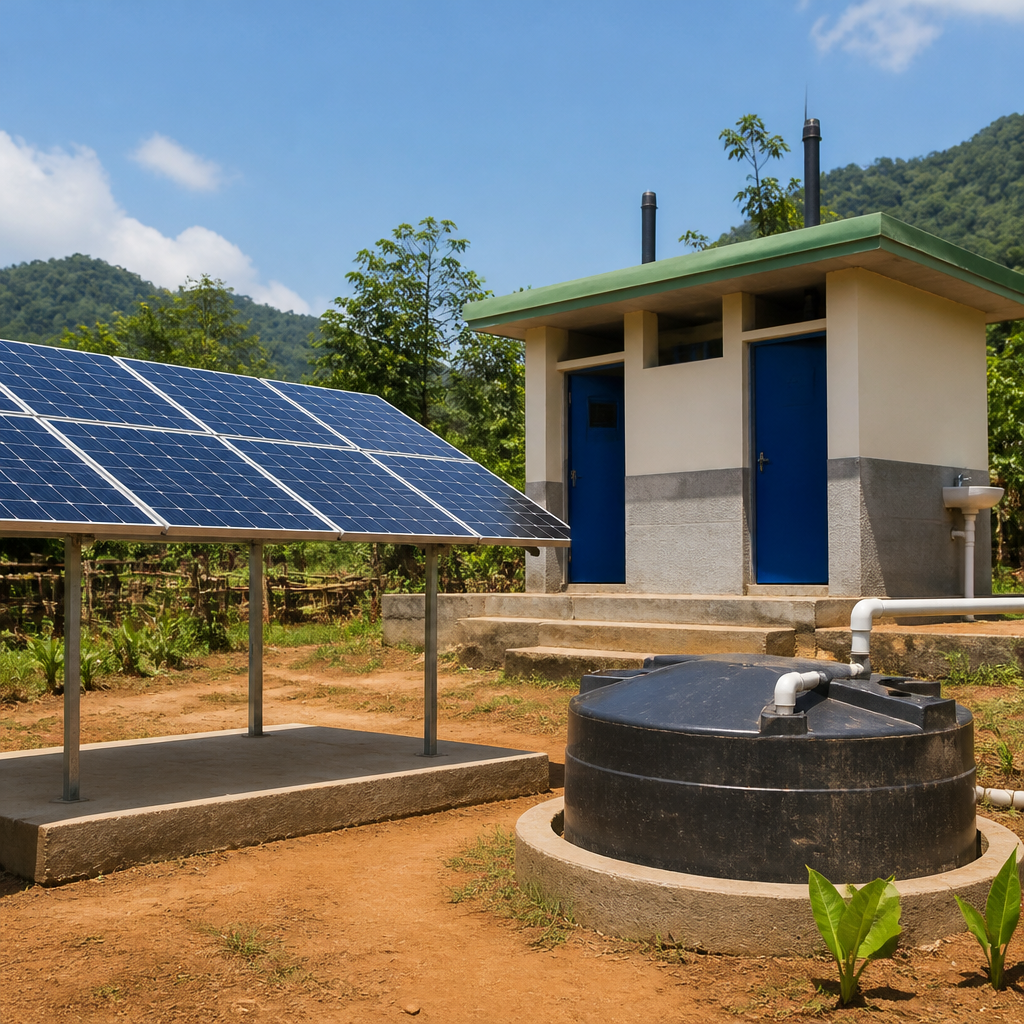
Power systems are improving as well. Small photovoltaic panels now support lighting, occupancy indicators, and telemetry on standalone units. For remote schools or clinics, integrated battery packs can keep handwashing stations operational after sunset, improving security and female user access. The research challenge is not whether these electronics work in ideal conditions, but whether they survive dust, vibration, heat cycling, and inconsistent maintenance. Good engineering therefore favors modular components, ingress protection ratings appropriate to site conditions, and field-replaceable parts over sealed black-box systems that fail expensively.
Treatment, resource recovery, and environmental performance
Advancing research in sanitation increasingly asks what happens after collection, because remote waste streams can become assets or liabilities depending on treatment. Thermal processes such as pyrolysis and gasification are being tested for dried fecal sludge and mixed biosolids, with the goal of reducing volume and producing char or usable heat. These systems can work well when feedstock moisture is controlled, but wet sludge is energy intensive to process, so pretreatment matters. Solar drying tunnels, geotextile dewatering bags, and screw presses are therefore receiving renewed attention for mobile and semi-mobile sanitation platforms.
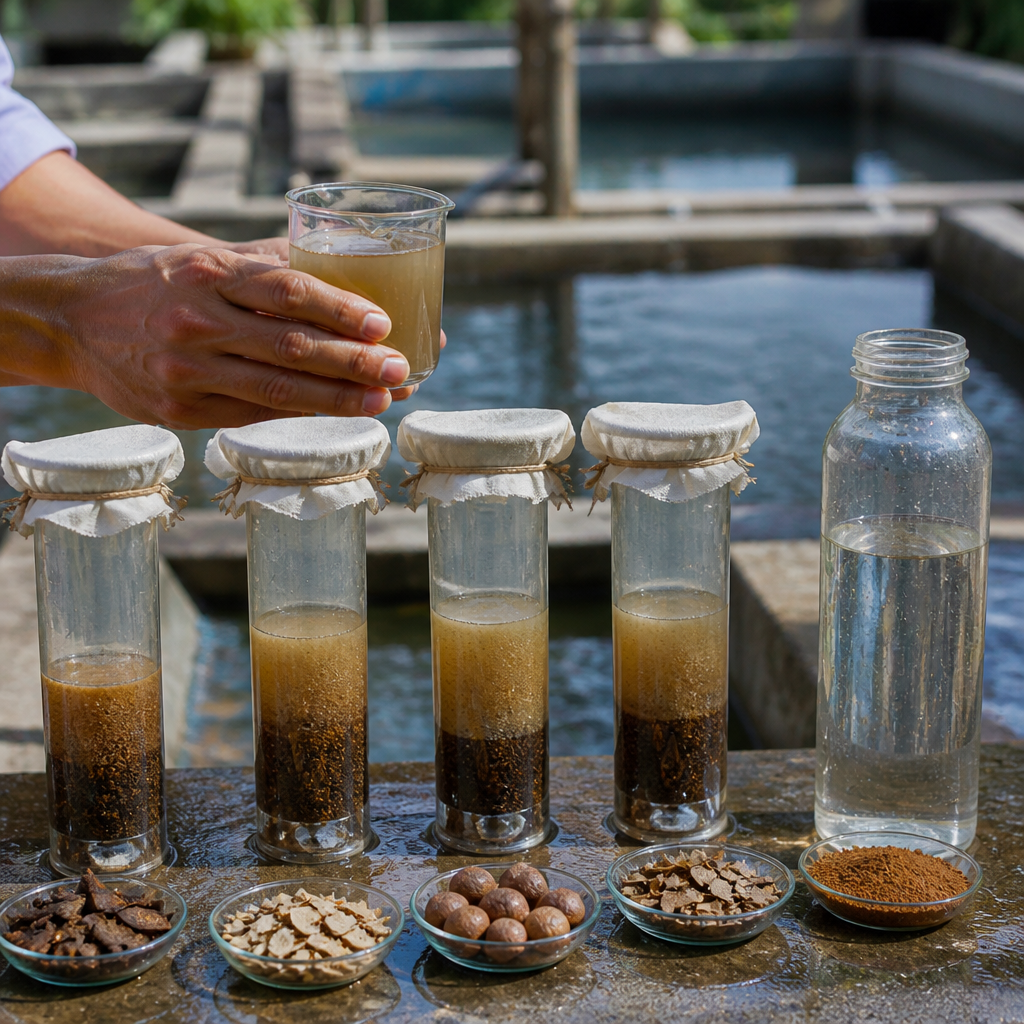
Biological treatment remains important where organic loading is predictable. Anaerobic digestion can reduce volatile solids and generate biogas, but digesters underperform when temperatures swing widely or feed inputs are irregular. Aerobic composting can achieve strong pathogen reduction if carbon balance, moisture, and temperature are managed carefully. Urine separation improves several treatment pathways by reducing liquid volume in solids and enabling nutrient capture. Recovered nitrogen and phosphorus may support agriculture, though regulatory acceptance varies and product quality must be verified. In remote communities with food production needs, this can materially improve system economics.
Environmental performance is now measured more rigorously. Methane emissions from poorly managed pits and holding tanks can be substantial, while transport-heavy service models create fuel burdens. Lifecycle assessment helps compare tradeoffs among water use, greenhouse gases, material durability, and treatment intensity. The more surprising finding from recent studies is that a seemingly low-tech option is not automatically low impact. If a cheap unit leaks, fills quickly, or requires frequent long-distance hauling, its total footprint can exceed that of a more sophisticated system with better containment and local treatment. Better research is making those hidden costs visible.
Field operations, public health, and service-chain management
Sanitation systems succeed operationally when every step is assigned to someone, funded, and monitored. That sounds obvious, yet many remote deployments still fail because procurement stops at delivery. The unit arrives, but no one has contracted cleaning, supplied consumables, trained attendants, or secured off-site treatment. In outbreak response, this gap is dangerous. Handwashing access, disinfection protocols, sludge handling, and worker protective equipment must be planned from day one. The Centers for Disease Control and Prevention, WHO, and humanitarian WASH clusters all stress that sanitation is inseparable from hygiene behavior and occupational safety.
Service-chain management is where research has become most useful to operators. Digital logs can track fill volumes, service dates, complaints, and repair histories by unit. This allows teams to identify abnormal usage, leakage, or theft of consumables before failures spread. In schools and clinics, cleaner assignment schedules and photo verification have improved accountability. In labor camps, separating blackwater, graywater, and menstrual waste streams can reduce contamination and improve handling. Researchers are also documenting the public health value of gender-sensitive design, including disposal bins, wash space, interior hooks, and adequate lighting. These details are not peripheral; they influence consistent use and therefore disease prevention.
Emergency and conflict settings pose additional complexities. Systems must be deployable in hours, adaptable to unstable populations, and secure against vandalism. Here, modularity matters more than elegance. Standardized connectors, stackable components, and universal spare parts allow rapid scaling. The strongest field programs maintain framework agreements with suppliers, pre-approved treatment routes, and trained local service partners before disasters occur. Research supports this preparedness approach because response time affects contamination risk directly.
What research priorities should guide the next decade
The next decade of sanitation research should focus on evidence gaps that still slow adoption. First, the sector needs more independent comparative trials in real operating conditions, not just pilot demonstrations under close supervision. Many technologies perform well for six months and poorly after two monsoons, one procurement delay, or a turnover in site staff. Longitudinal data on durability, maintenance burden, and user behavior are more valuable than polished launch claims. Second, pathogen monitoring methods must become cheaper and faster. Quantifying performance with indicators such as E. coli, helminth eggs, or viral surrogates helps regulators and buyers compare systems confidently.
Third, financing and regulation deserve as much attention as engineering. A technically excellent mobile sanitation unit will not scale if local rules classify all outputs as waste regardless of treatment, or if contracts pay only for equipment rather than service outcomes. Performance-based procurement is a promising direction: specify containment, cleanliness, uptime, and treatment standards, then let vendors propose the method. Fourth, more research should center users often overlooked in design, including children, older adults, people with disabilities, and menstruating users. Universal design is not a luxury in remote settings; it determines whether infrastructure is used safely.
Finally, advancing research in sanitation should strengthen links across the wider knowledge network. This hub topic connects directly to work on decentralized wastewater treatment, fecal sludge management, pathogen detection, nutrient recovery, climate resilience, materials innovation, and digital monitoring. Decision-makers should treat mobile sanitation not as a stopgap, but as a legitimate infrastructure category with its own standards, data needs, and innovation pathway. The practical takeaway is clear: choose systems based on service-chain realism, field evidence, and user needs, not brochure claims. If you are planning for a remote site, map the full journey from toilet use to final treatment and use that map to guide your next investment.
Frequently Asked Questions
1. What does mobile sanitation include in remote areas, and how is it different from standard portable toilets?
Mobile sanitation in remote areas goes far beyond the basic portable toilet most people associate with short-term events or construction sites. It includes transportable or rapidly deployable systems for safe toilet use, handwashing, menstrual hygiene support, waste collection, containment, treatment, odor control, and final disposal or reuse. Depending on the location, this can involve modular toilet cabins, urine-diverting dry toilets, vacuum-assisted units, container-based sanitation systems, compact wastewater treatment skids, mobile handwashing stations, and solar-powered monitoring equipment that tracks tank levels, usage, and maintenance needs.
The main difference is that remote-area sanitation must function reliably where permanent sewer connections, water lines, paved roads, and routine service access may not exist. In a mountain village, a sanitation unit may need to be carried in pieces and assembled on uneven terrain. In a desert field camp, it may need to operate with minimal water and withstand extreme heat. On islands or in disaster zones, it may need to be deployable within hours and designed to protect groundwater, coastlines, and nearby living areas from contamination. Standard portable toilets are usually designed for convenience and temporary use, while mobile sanitation for remote areas is engineered as a complete public health solution with stronger emphasis on durability, hygiene, logistics, treatment, and environmental safeguards.
2. What are the most important innovations improving sanitation in places without sewer infrastructure?
Several innovations are making mobile sanitation more practical, safer, and more sustainable in remote settings. One of the biggest advances is low-water or waterless toilet design. Urine-diverting systems, composting approaches, and sealed container-based units reduce the need to transport large volumes of water while helping prevent leaks and overflows. This is especially valuable in arid regions, high-altitude locations, and emergency response environments where water is scarce or difficult to deliver.
Another major innovation is decentralized treatment. Instead of storing waste until it can be hauled long distances, newer mobile systems can treat waste near the point of use through technologies such as compact anaerobic digestion, membrane filtration, disinfection, dehydration, or pathogen-reducing thermal processes. These systems can reduce waste volume, improve safety for handlers, and in some cases create useful outputs such as non-potable water for cleaning or nutrient-rich material for controlled agricultural reuse, where regulations and local conditions allow.
Digital monitoring is also transforming operations. Sensors can measure fill levels, handwashing water availability, temperature, usage rates, and maintenance intervals. For remote teams and humanitarian operators, that means fewer unnecessary service trips and faster response when a unit needs attention. Add to that improvements in lightweight modular materials, solar power integration, better ventilation, accessible design, and stronger privacy features, and the result is a generation of mobile sanitation systems that are far more adaptable than earlier solutions. These innovations do not just make toilets easier to deploy; they make sanitation more resilient, more dignified, and more compatible with challenging environments.
3. How do mobile sanitation systems protect health and the environment in remote communities and field operations?
Proper sanitation is one of the most important barriers against disease transmission, and that is especially true in remote areas where healthcare access may be limited. Mobile sanitation systems help protect health by separating human waste from people, water sources, food preparation areas, and living spaces. When toilets are well-designed and consistently maintained, they reduce open defecation, lower exposure to fecal pathogens, improve hand hygiene opportunities, and create safer conditions for women, children, older adults, and people with disabilities. In emergency settings and crowded camps, these protections are critical because outbreaks of diarrheal disease, cholera, hepatitis, and other infections can spread quickly when sanitation breaks down.
Environmental protection is equally important. In remote regions, ecosystems may be fragile and water sources may be shallow, seasonal, or easily contaminated. Mobile sanitation units are increasingly designed with sealed containment, secondary spill protection, odor and vector control, and site-specific waste management plans. Some systems prevent seepage into soil and groundwater, while others include treatment steps that reduce pathogen loads before waste is transported or reused. This matters in coastal communities, mountain watersheds, wetlands, and drylands alike, because contamination in one location can affect drinking water, wildlife, agriculture, and downstream settlements.
Well-planned mobile sanitation also improves the overall management of camps, worksites, and temporary settlements. It creates predictable service routines, safer waste handling for operators, and better data for decision-making. In other words, these systems do more than provide a toilet. They support a broader health and environmental protection strategy that includes hygiene, waste accountability, and reduced ecological impact.
4. What should organizations consider when choosing a mobile sanitation solution for a remote location?
Choosing the right system starts with understanding the operating environment, not just the number of users. Climate, terrain, local culture, available labor, maintenance frequency, transport access, water availability, and regulations all matter. A solution that works well in a road-accessible mining camp may fail in a flood-prone river delta or a helicopter-supplied mountain outpost. Decision-makers need to ask practical questions: How will units be delivered and installed? How often can they be serviced? Is water scarce? Are there trained operators on site? What happens to the waste after collection? Can the system function during extreme weather or sudden population changes?
User experience is another critical factor. Sanitation must be safe, private, accessible, and acceptable to the community using it. That means thinking about lighting, ventilation, handwashing placement, menstrual hygiene needs, child-friendly design, and accommodations for people with limited mobility. If users do not feel comfortable or respected, even technically sound systems may go underused or be bypassed altogether. In remote communities especially, local input can determine whether a sanitation program succeeds long term.
Cost should be assessed over the full lifecycle, not just the initial purchase. Lower upfront equipment costs can lead to higher transport, servicing, or waste disposal expenses later. The best mobile sanitation solutions are usually those that balance reliability, ease of maintenance, environmental performance, and total operating cost. Organizations should also consider whether the system can scale up, be relocated, or integrate with local treatment and recovery pathways. A strong sanitation plan is not simply about deploying equipment; it is about ensuring the entire service chain works from installation to final waste management.
5. What is the future of mobile sanitation for remote areas?
The future of mobile sanitation is moving toward smarter, more circular, and more adaptable systems. We are likely to see broader use of sensor-enabled units that report service needs in real time, helping operators reduce unnecessary trips and prevent failures before they become health risks. Advances in off-grid power, especially solar integration and efficient battery storage, will make lighting, ventilation, monitoring, and even small-scale treatment more reliable in areas without electricity. Modular designs will also continue to improve, allowing sanitation systems to be expanded, relocated, or reconfigured as community needs change.
Another important direction is resource recovery. Rather than treating human waste only as a disposal problem, newer sanitation models are exploring safe ways to recover water, nutrients, and energy. In the right contexts, treated outputs may support irrigation, soil improvement, or biogas generation, reducing overall environmental burden and making remote sanitation systems more self-sustaining. Of course, these approaches must be carefully managed to meet health standards and fit local regulations, but the trend is clear: sanitation is becoming part of a broader resilience and circular-economy strategy.
Just as importantly, the future will place more emphasis on dignity, inclusion, and local ownership. The most successful innovations are not only technologically advanced; they are designed around real human needs. That means better accessibility, stronger privacy, easier cleaning, culturally appropriate layouts, and simpler maintenance for local teams. As climate pressures, displacement, remote work, and infrastructure challenges continue to grow, mobile sanitation will play an increasingly central role in protecting public health and enabling safe living and working conditions in places where fixed sewer systems are not feasible.