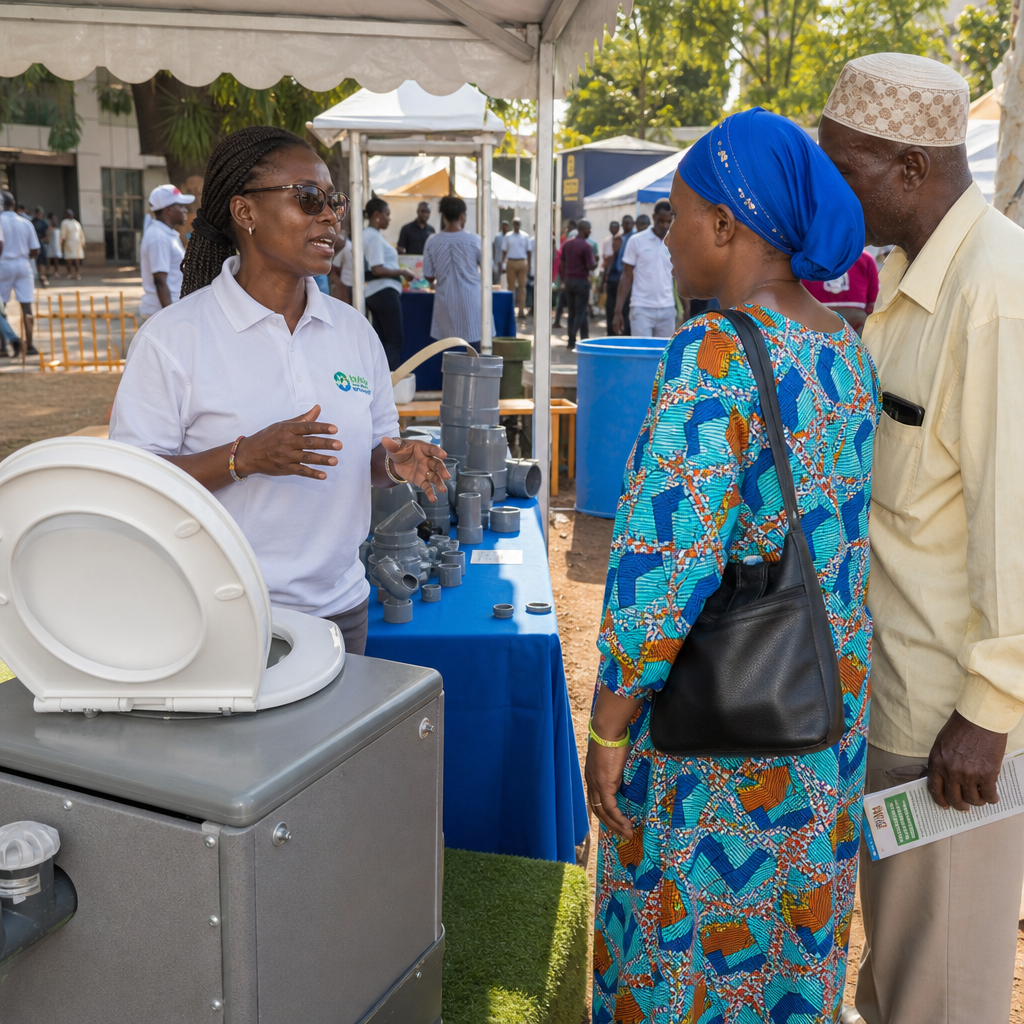
Sanitation education for sustainable urban development is the practical process of teaching people, institutions, and communities how water, waste, hygiene, drainage, and public health connect in cities. In urban planning, sanitation goes beyond toilets. It includes sewer and fecal sludge management, handwashing behavior, safe wastewater reuse, solid waste separation, stormwater control, and the policies that keep systems functioning. Education matters because infrastructure alone does not deliver health gains. I have seen neighborhoods receive new toilets and still struggle with contamination because residents were never shown how to maintain pits, dispose of child feces safely, or report blocked drains. Sustainable urban development depends on both hardware and human behavior. Cities grow fast, informal settlements expand, and climate stress exposes weak systems. When residents, schools, landlords, health workers, and city officials understand sanitation risks and responsibilities, cities reduce disease, protect waterways, improve dignity, and make public spending more effective.
Why sanitation education is the foundation of urban resilience
Sanitation education creates the knowledge and habits that turn services into outcomes. The World Health Organization has long linked poor sanitation and hygiene to diarrheal disease, parasitic infections, undernutrition, and environmental contamination. In dense urban areas, one household’s unsafe practice quickly becomes everyone’s problem. Overflowing pits can contaminate shallow groundwater. Mismanaged diapers and menstrual waste block drains. Greywater discharged into alleys creates mosquito breeding sites. Education explains these pathways in plain language so people act before crises occur.
In practice, effective urban sanitation education answers immediate questions residents actually have: Why should I empty a pit safely instead of hiring the cheapest informal operator? What should go into a toilet and what should never be flushed? How often should a septic tank be inspected? Why does handwashing with soap matter after handling child feces even when the stool looks harmless? These are not abstract messages. They shape disease transmission, household costs, and neighborhood cleanliness.
Education also strengthens resilience under climate pressure. During heavy rainfall, combined sewers surcharge, open drains overflow, and fecal contamination spreads across low-lying settlements. Households that understand flood-safe sanitation practices are more likely to elevate latrine slabs, protect drinking water storage, avoid open defecation when facilities fail, and seek desludging before the rainy season. City agencies benefit too. When communication is consistent, service complaints become more precise, illegal dumping falls, and maintenance budgets stretch further.
Core topics every sanitation education hub should cover
A strong hub under community engagement and education should organize sanitation education into clear, linked themes. First is hygiene behavior: handwashing with soap at critical times, safe child feces disposal, menstrual hygiene management, and food hygiene in dense settlements. Second is household sanitation operation: toilet use, cleaning routines, pit and septic maintenance, odor control, and safe emptying schedules. Third is environmental sanitation: drain care, wastewater management, solid waste segregation, and prevention of illegal dumping into waterways.
Fourth is institutional sanitation, especially in schools, markets, transport terminals, clinics, and workplaces. These settings influence thousands of users daily and often fail because no one owns cleaning protocols, supply chains, or accountability. Fifth is governance literacy. Residents need to know which agency handles sewers, who licenses emptiers, how tariffs work, how to report overflows, and what tenant and landlord duties look like. Without that knowledge, even engaged communities cannot navigate city systems.
Sixth is inclusion. Sanitation education must account for women, children, older adults, people with disabilities, migrants, and tenants in informal housing. A message that ignores safety at night, affordability, or accessible design is incomplete. Seventh is resource recovery. In many cities, composting, biogas, wastewater reuse, and circular economy models can lower costs and reduce pollution, but only if users understand treatment standards and health safeguards. This hub should guide readers through all of these themes because behavior change succeeds when technical, social, and institutional lessons reinforce one another.
How cities can teach sanitation effectively across neighborhoods and institutions
The most effective sanitation education uses multiple channels, not a single campaign. Mass messaging can build awareness, but lasting behavior change usually comes from repeated, local contact. In my work, the strongest results have come from combining community health volunteers, school programs, landlord briefings, utility outreach, and visible service improvements. Residents are far more likely to listen when messages match what they see on the ground.
Schools are powerful starting points because they shape norms early. A school sanitation program should cover handwashing, menstrual health, toilet etiquette, water conservation, and student-led monitoring of cleanliness. But schools are not enough. Urban renters may move frequently, work long hours, and miss daytime meetings. Reaching them requires evening sessions, mobile messaging, radio spots in local languages, posters in compound courtyards, and trusted intermediaries such as women’s savings groups, youth clubs, and resident associations.
Landlords and caretakers deserve special attention. In many cities, they control shared toilets used by dozens of tenants. If they are not trained on cleaning schedules, desludging intervals, ventilation, lighting, and user rules, facilities deteriorate quickly. Health inspectors can pair enforcement with education by giving simple checklists and referral information for licensed providers. Utilities and municipal departments should also publish plain-language guidance on sewer connections, septic standards, and complaint channels.
| Audience | Key sanitation topics | Best education methods | Example outcome |
|---|---|---|---|
| Households | Handwashing, toilet use, waste separation, safe storage of water | Door-to-door visits, SMS reminders, local radio | Higher soap use and safer child feces disposal |
| Schools | Hygiene routines, menstrual health, toilet cleaning | Clubs, demonstrations, student monitors | Lower absenteeism and cleaner facilities |
| Landlords | Shared toilet management, desludging, lighting, repairs | Briefings, inspection checklists, printed guides | Better maintenance and fewer disputes |
| Markets and terminals | Public toilet management, handwashing stations, waste control | Vendor training, signage, operator contracts | Improved compliance and cleaner public spaces |
| City staff | Service standards, risk communication, referral pathways | Technical training, SOPs, dashboards | Faster response and clearer accountability |
Behavior change methods that work better than awareness alone
Awareness is necessary but insufficient. Many residents already know that sanitation matters, yet unsafe practices continue because of cost, convenience, social norms, or weak service access. Good education therefore uses behavior change methods grounded in observation. Start by identifying barriers. If people flush wipes into sewers, is it because they do not know the risk, because bins are missing, or because cleaners remove bins due to odor? If drains fill with garbage, is there no collection service, or do residents distrust collection schedules? The answer determines the intervention.
Practical demonstrations outperform lectures. Showing how quickly soap removes contamination from hands, how much sludge accumulates in a poorly maintained tank, or how blocked drains increase flood depth makes sanitation visible. Social proof matters too. Publicly recognizing compounds with clean shared toilets or schools with reliable handwashing stations can shift norms without shaming communities. Commitment tools are useful when specific actions are needed, such as a landlord pledge to desludge every twelve months or a market operator agreement to keep soap stocked.
Messaging should be concrete, not moralizing. “Never pour fats into drains because they solidify and cause blockages” is better than “Keep your environment clean.” “Call licensed emptiers to prevent illegal dumping” is stronger than “Use safe services.” Measurable prompts also help. Stickers near toilets listing what not to flush, painted arrows to handwashing stations, and seasonal reminders before rains all reduce forgetfulness. When cities track whether education changes behavior rather than only counting meetings held, programs improve faster.
Connecting sanitation education to urban planning, equity, and climate goals
Sanitation education supports wider urban development goals when planners treat it as part of housing, mobility, drainage, health, and climate adaptation. In informal settlements, residents may rely on shared toilets, container-based services, communal taps, and open drains along footpaths. Education in these areas cannot assume private household control. It must address queue management, collective cleaning, user fees, safety for women and girls, and emergency plans during flooding. If messages ignore lived conditions, they fail.
Equity is central. Women often bear the burden of cleaning, caregiving, and managing children’s hygiene, yet they may have little say over household spending or landlord decisions. People with disabilities need guidance linked to accessible infrastructure, not generic advice. Migrant communities may not know local service providers or complaint systems. Tenants may hesitate to report failures for fear of rent increases or eviction. Good urban sanitation education acknowledges these constraints and gives realistic pathways, including legal rights, subsidy options, and anonymous reporting where possible.
Climate adaptation is another essential link. More intense storms can overwhelm sewers and latrines, while drought pushes wastewater reuse and water-saving technologies higher on city agendas. Education helps residents understand why raised toilet platforms, backflow prevention, source separation, and safe reuse standards matter. It also prepares institutions to communicate during emergencies. A flood warning should include sanitation instructions: protect stored water, avoid contact with floodwater, disinfect contaminated surfaces, and use approved temporary toilets if regular systems fail. That level of practical guidance is what turns urban resilience plans into household action.
Measuring results and building a long-term sanitation education program
A sanitation education program should be judged by outcomes, not event counts. Useful indicators include toilet functionality, handwashing station availability with soap and water, frequency of safe desludging, rate of sewer blockages from misuse, school absenteeism linked to poor sanitation, and resident knowledge of reporting channels. Cities can combine household surveys, spot checks, utility complaint data, public health records, and geotagged inspection tools such as KoboToolbox or ArcGIS Survey123 to build a realistic picture.
Baseline measurement matters. Without it, cities cannot tell whether a campaign changed anything. I recommend starting with a simple framework: what people know, what they do, what services exist, and what outcomes follow. For example, if knowledge of safe septic maintenance rises but illegal dumping continues, the bottleneck is likely enforcement or affordability, not messaging. If handwashing knowledge is high but soap is missing in schools, procurement and supervision need work. Education should be integrated with service delivery, not treated as a substitute for it.
Long-term success depends on institutionalization. Cities should embed sanitation education in school curricula, clinic counseling, housing inspections, utility customer service, and ward-level planning. Budgets must cover refresher training, translated materials, monitoring, and updates when regulations change. Partnerships help, but ownership should stay with local government and service providers so programs survive donor cycles. The main lesson is straightforward: educating for change is not a side activity. It is the operating system that helps urban sanitation infrastructure deliver health, dignity, and environmental protection at scale. Use this hub to map your subtopic content, connect readers to detailed guides, and turn sanitation knowledge into everyday urban practice.
Sanitation education for sustainable urban development works because it connects daily behavior with citywide outcomes. When people understand how toilets, drains, wastewater, solid waste, hygiene, and governance fit together, they make better decisions at home, in schools, in rental compounds, and in public spaces. Cities benefit through lower disease risk, cleaner waterways, fewer blockages, stronger climate resilience, and more effective use of infrastructure investments. The most reliable programs do three things well: they teach practical actions, they align messages with available services, and they measure whether behavior actually changes.
As the hub for educating for change, this page should anchor related resources on school sanitation, community outreach, landlord engagement, menstrual health, fecal sludge management, behavior change communication, and monitoring methods. That structure helps readers move from broad understanding to specific implementation guidance. It also reflects how sanitation improvement really happens: through coordinated action across households, institutions, and city systems rather than isolated campaigns.
The key takeaway is simple. Sustainable urban development is not achieved by infrastructure alone. It requires residents who know how to use services safely, officials who communicate clearly, and institutions that reinforce good habits every day. Build your sanitation education strategy around real user needs, local service conditions, and measurable outcomes. Then expand it through schools, neighborhoods, markets, clinics, and municipal systems. If you are developing this subtopic hub, start by auditing your existing education content, identify the biggest knowledge gaps, and create the next article your audience needs most.
Frequently Asked Questions
What is sanitation education in the context of sustainable urban development?
Sanitation education in sustainable urban development is the ongoing process of helping residents, institutions, service providers, and decision-makers understand how sanitation systems actually work in cities and why their daily choices affect public health, environmental quality, and long-term urban resilience. It covers far more than toilet use. In practice, it includes learning about sewer systems, fecal sludge collection and treatment, handwashing and hygiene behaviors, safe wastewater handling and reuse, household and neighborhood drainage, stormwater management, solid waste separation, and the local rules and public services that keep these systems functioning properly.
In a city, sanitation is interconnected. Poorly managed wastewater can contaminate water sources. Blocked drains can increase flooding and spread disease. Unsafe disposal of fecal sludge can undermine entire neighborhoods, even where some households have improved toilets. Sanitation education helps people see these connections clearly. It translates technical infrastructure into practical knowledge so that communities know how to use services correctly, maintain facilities, report failures, reduce risks, and support policies that improve urban living conditions. For sustainable development, that knowledge is essential because infrastructure performs best when people, institutions, and governance systems understand their role in making sanitation safe, inclusive, and durable.
Why is sanitation education important if a city already has sanitation infrastructure?
Infrastructure alone does not guarantee healthy outcomes. A city may build toilets, sewer lines, treatment plants, drains, and waste collection systems, but if residents do not know how to use them properly, if institutions do not maintain them, or if unsafe practices continue at the household and community level, sanitation-related risks remain. Education closes the gap between physical infrastructure and effective public health protection. It teaches the behaviors, responsibilities, and service expectations that allow systems to function as intended.
For example, households need to understand what should and should not be flushed into sewers, why handwashing matters even when toilets are available, how to separate waste, and why open dumping or illegal discharge creates health hazards for entire neighborhoods. Schools and health facilities need sanitation protocols that are consistently practiced, not just installed. Municipal staff and local leaders need training on operation, maintenance, inspection, drainage management, and community engagement. Without education, urban sanitation systems often become overloaded, misused, under-maintained, or socially rejected. With education, people are more likely to adopt safe behaviors, demand better services, cooperate with regulations, and support investments that improve equity, climate resilience, and public health over time.
What topics should a strong urban sanitation education program include?
A strong urban sanitation education program should be broad, practical, and tailored to how sanitation works in real city environments. At a minimum, it should explain the links between toilets, sewerage, on-site sanitation systems, fecal sludge management, wastewater treatment, hand hygiene, menstrual hygiene, drainage, flood prevention, solid waste separation, and disease prevention. It should also address what happens beyond the household, including how sanitation services are funded, who is responsible for maintenance, how contamination spreads through dense settlements, and why sanitation failures can affect water quality, air quality, housing conditions, and local ecosystems.
Effective programs usually include both behavior and systems knowledge. On the behavior side, they teach handwashing at critical times, safe child feces disposal, proper use of public and shared toilets, waste sorting, and hygiene practices in homes, schools, markets, and workplaces. On the systems side, they explain septic tank emptying, fecal sludge transport, wastewater reuse safety, stormwater management, drain protection, and reporting procedures when infrastructure fails. They should also include policy literacy, helping residents understand tariffs, service rights, local sanitation bylaws, and the role of municipalities, utilities, private operators, and community organizations. For urban sustainability, the strongest programs are inclusive and adapted for women, children, tenants, informal settlement residents, people with disabilities, and frontline workers, because sanitation systems only become truly sustainable when everyone can participate safely and effectively.
How does sanitation education support public health and environmental sustainability in cities?
Sanitation education supports public health by reducing the everyday pathways through which disease spreads in dense urban environments. When people understand hygiene, safe excreta management, wastewater risks, and drainage protection, they are better able to prevent contamination in homes, schools, public spaces, and water systems. This lowers exposure to diarrheal disease, parasitic infections, skin conditions, and other sanitation-related illnesses. It also strengthens outbreak prevention because communities that recognize unsafe conditions early are more likely to report problems, seek service support, and adopt protective practices quickly.
Its environmental value is equally significant. Cities generate large volumes of wastewater and solid waste, and without education, much of that can end up polluting rivers, wetlands, groundwater, and streets. Sanitation education encourages proper disposal, waste separation, drain protection, and support for treatment and reuse systems. It can also improve acceptance of circular approaches such as composting, nutrient recovery, and safe reuse of treated wastewater where appropriate. In the context of climate change, education helps residents understand why blocked drains worsen flooding, why unmanaged waste intensifies urban pollution, and why resilient sanitation systems must be maintained before, during, and after extreme weather events. In short, sanitation education helps cities protect both people and the natural systems they depend on.
Who should be involved in sanitation education efforts in urban areas?
Urban sanitation education works best when it is shared across the entire city ecosystem rather than treated as the responsibility of one department or one awareness campaign. Municipal governments play a central role because they shape policy, regulate services, fund infrastructure, and coordinate public communication. Utilities, sanitation workers, public health agencies, schools, healthcare providers, housing authorities, urban planners, and environmental agencies all need to be involved because sanitation outcomes depend on how these sectors interact. Community-based organizations, neighborhood associations, faith groups, youth groups, and civil society organizations are also essential because they often have the trust and local knowledge needed to translate technical messages into practical action.
The private sector has an important role as well, especially where waste collection, toilet maintenance, desludging, wastewater treatment, or recycling services involve contracted operators or small enterprises. Landlords, market managers, school administrators, and employers should be included because sanitation decisions are often made at the property or institutional level, not just by individual households. Most importantly, residents themselves must be treated as active participants rather than passive recipients of information. Effective sanitation education invites feedback, addresses local barriers, and reflects the realities of informal settlements, rental housing, gendered safety concerns, affordability challenges, and accessibility needs. When cities involve all these groups in a coordinated way, sanitation education becomes more than awareness raising; it becomes a practical foundation for healthier, more inclusive, and more sustainable urban development.