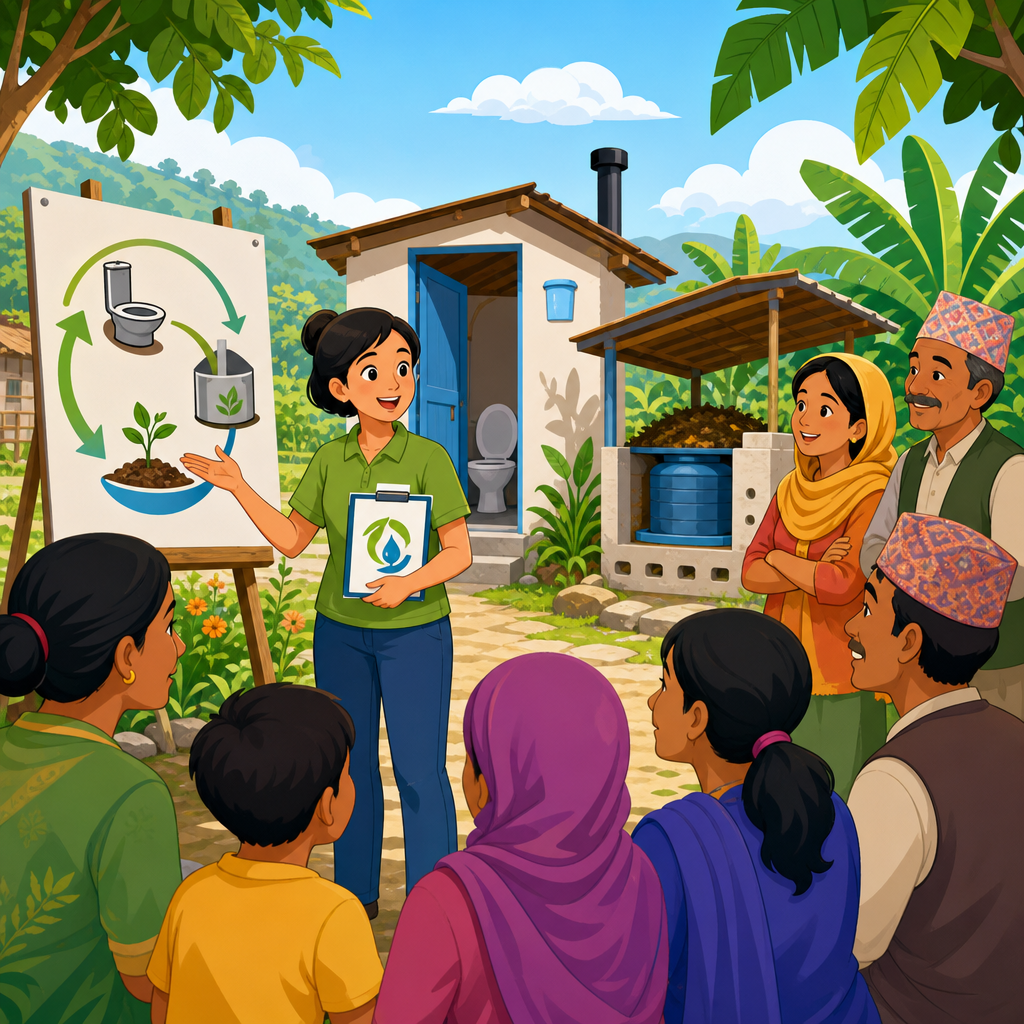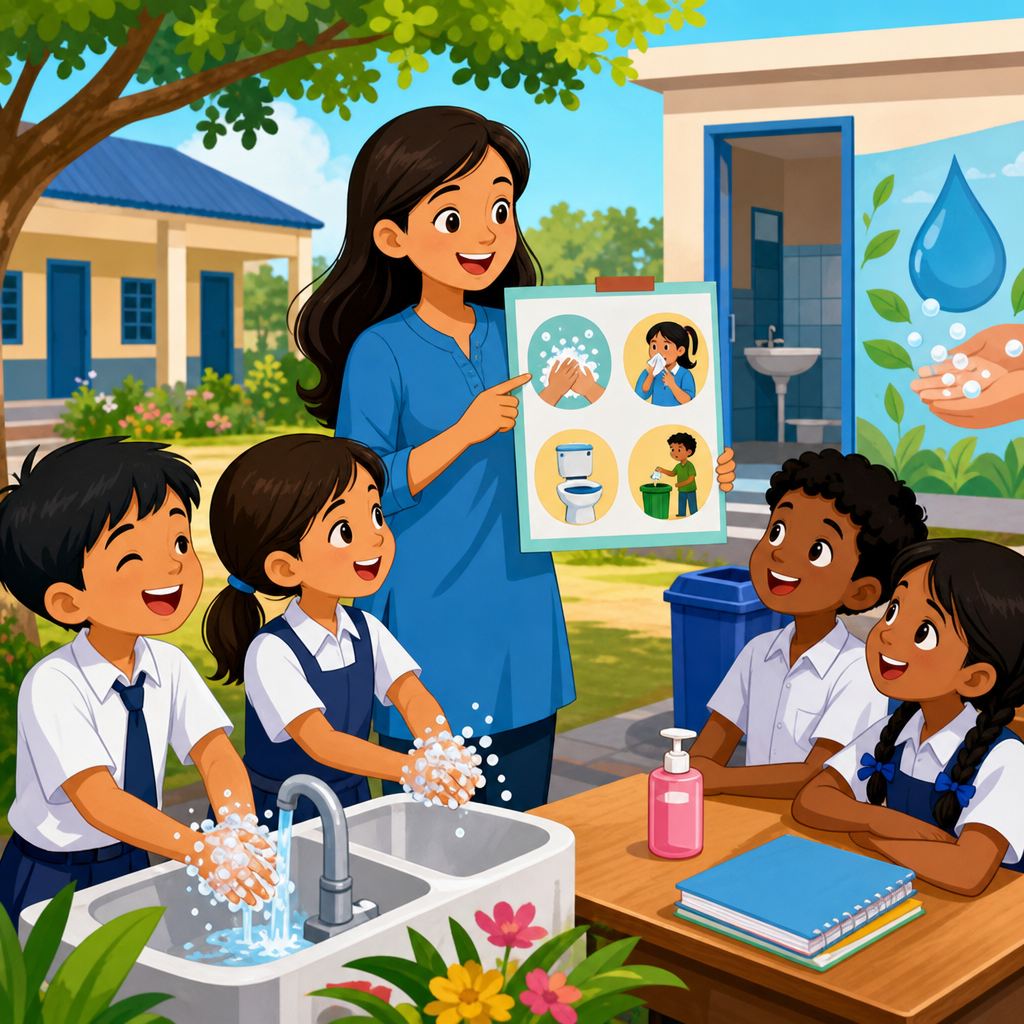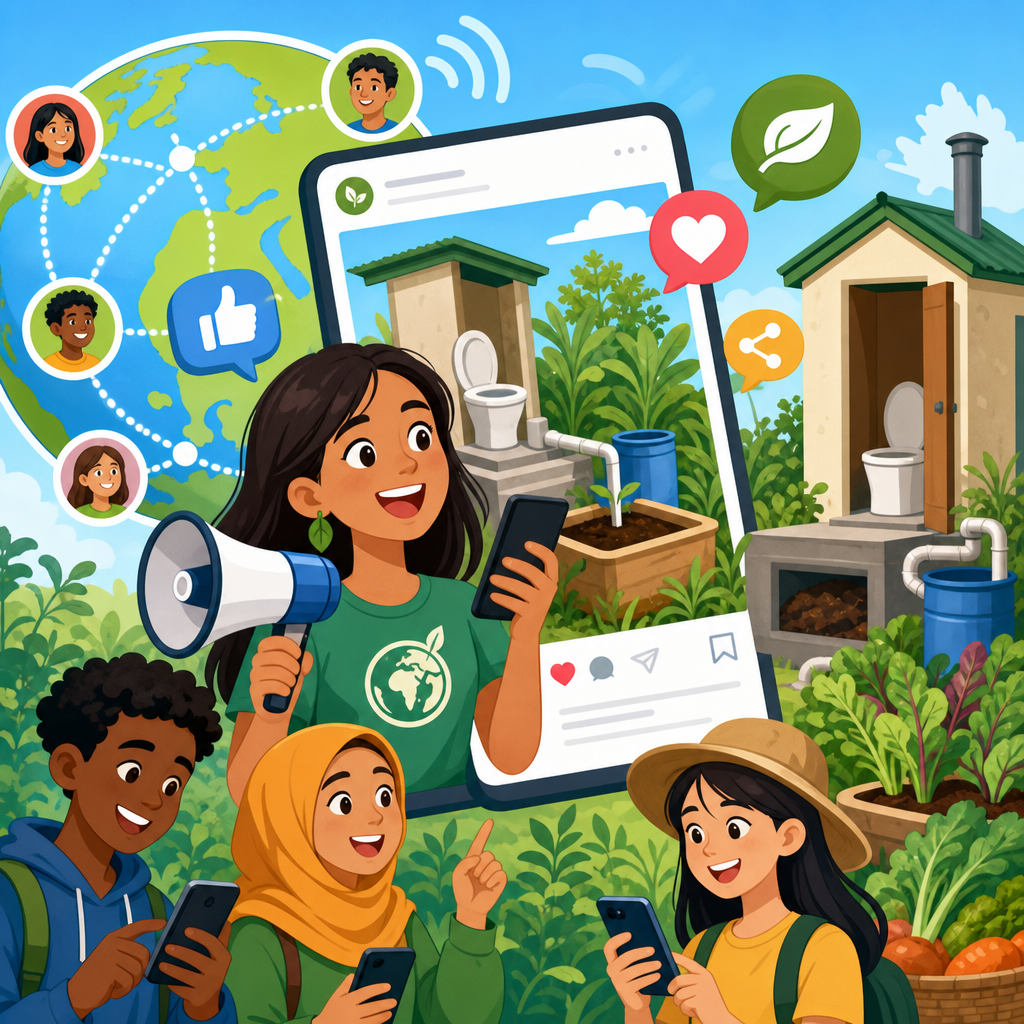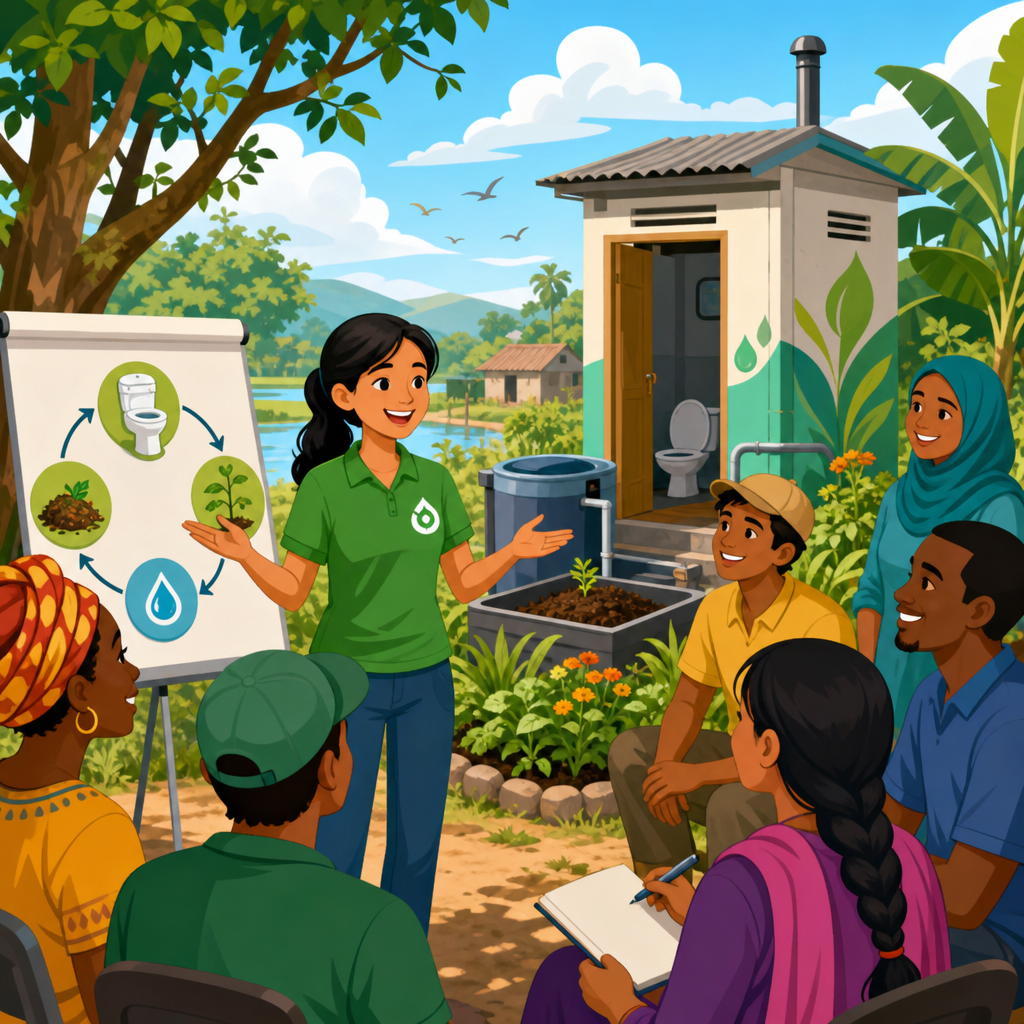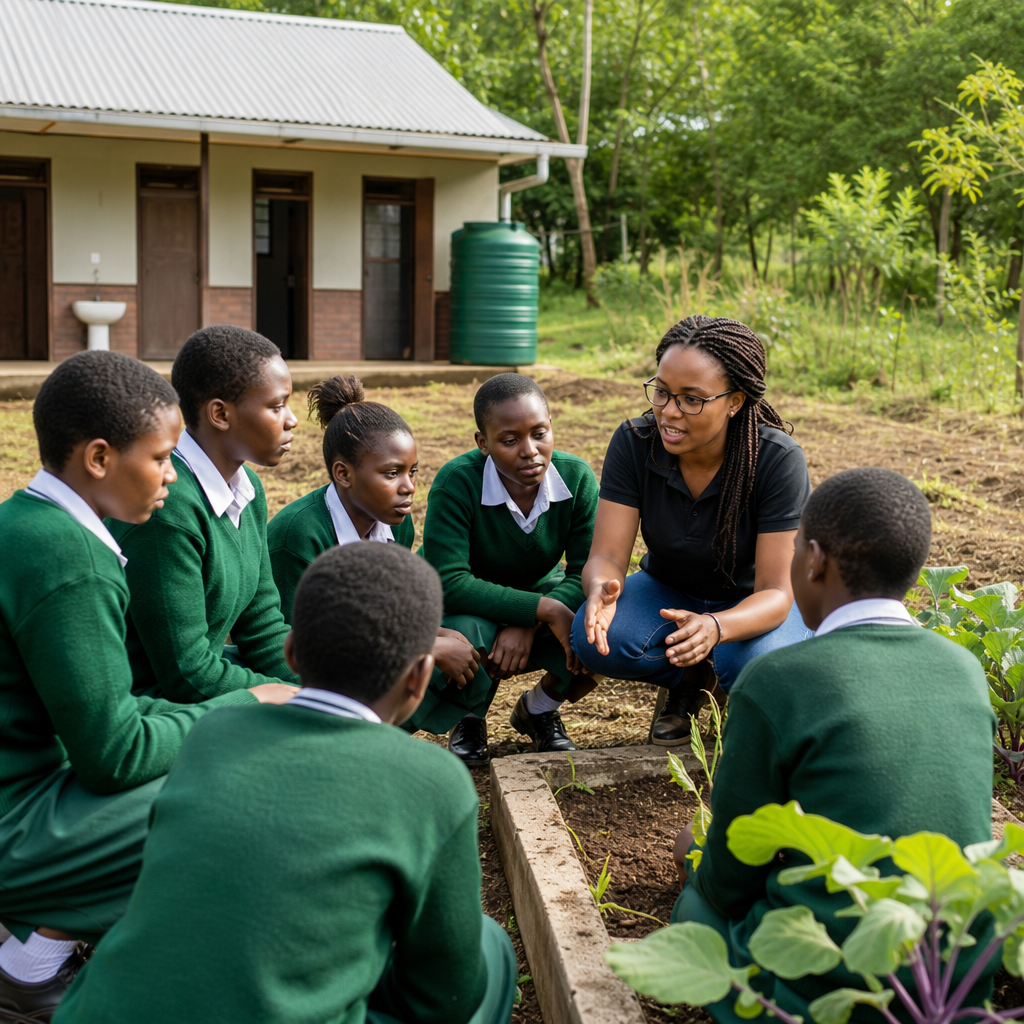
Developing EcoSan curricula for schools means designing age-appropriate lessons, activities, and assessment methods that teach students how ecological sanitation protects health, conserves water, recovers nutrients, and strengthens community resilience. EcoSan, short for ecological sanitation, treats human excreta not as waste to discard but as a resource to manage safely through systems such as urine diversion, composting toilets, dehydrating vaults, handwashing stations, and reuse pathways for treated nutrients. In school settings, a strong curriculum connects sanitation science with behavior change, maintenance routines, environmental stewardship, and student leadership. I have worked with schools where toilets were installed without any teaching plan, and the result was predictable: misuse, odor complaints, parent resistance, and broken maintenance systems within a year. Where curriculum was built alongside infrastructure, students understood why separation mattered, teachers reinforced routines, and parent committees became allies instead of skeptics. That is why this topic matters. A school EcoSan program succeeds only when participation and learning are designed as carefully as the facilities themselves. As a hub under community engagement and education, this article explains how to create a complete learning framework that links classroom instruction, school operations, family outreach, and local practice.
Define learning goals before writing lessons
The most effective EcoSan curriculum begins with clear learning outcomes, not a list of activities. Schools need students to know what ecological sanitation is, why pathogen control matters, how water use affects sanitation choices, and what daily habits keep facilities safe and acceptable. They also need students to do specific things: wash hands correctly, use the right toilet compartment, report faults, respect privacy, and participate in maintenance oversight without turning children into janitors. In my projects, I define outcomes across three domains: knowledge, behavior, and civic participation. Knowledge includes understanding the fecal-oral transmission route, nutrient cycles, decomposition, and local sanitation challenges. Behavior includes correct toilet use, menstrual hygiene support, and hand hygiene. Civic participation includes peer education, sanitation clubs, and student-led monitoring. Using curriculum mapping helps schools place these outcomes across science, health, social studies, agriculture, and environmental education rather than forcing EcoSan into a single subject. This cross-curricular approach matches how sanitation works in real life: it is public health, engineering, ecology, and citizenship at once.
Build age-appropriate content for primary and secondary students
Age-appropriateness determines whether students engage or disengage. For younger primary students, the curriculum should focus on simple cause and effect: germs spread when feces are not managed safely; toilets keep school clean; handwashing prevents illness; water and nutrients are valuable. Visual routines, songs, posters, and supervised practice work better than technical lectures. Upper primary students can begin learning about urine diversion, decomposition, insects as disease vectors, and why adding ash, dry cover material, or carbon-rich matter changes odor and moisture conditions. By secondary level, students can handle nutrient recovery, soil fertility, climate stress, groundwater protection, and the economics of sanitation service chains. They can compare pit latrines, pour-flush toilets, septic systems, composting toilets, and urine-diverting dry toilets using criteria such as water demand, operating cost, pathogen risk, and nutrient reuse potential.
Language also matters. Students should learn accurate terms such as pathogen, contamination, dehydration, composting, and nutrient recovery, but teachers must explain them in plain speech. I have found that demonstration jars, moisture comparisons, and school garden plots make abstract ideas concrete. A secondary science class that measures temperature in a composting chamber or tracks plant growth using safely treated nutrients understands EcoSan far better than a class that only memorizes definitions. At every age, privacy, dignity, disability inclusion, and menstrual health need explicit treatment. Sanitation education fails when it talks about technology while ignoring the lived experience of the students who use it every day.
Connect classroom learning to school operations
EcoSan education becomes credible when students can see the system working around them. The curriculum should therefore mirror actual school routines: toilet use protocols, cleaning schedules, refill systems for soap and cover material, inspection logs, and procedures for safely handling treated outputs. This does not mean children replace custodial staff. It means they learn how the sanitation system functions, what good operation looks like, and how to participate appropriately. For example, a weekly student environment committee can check whether handwashing stations are stocked, whether signage is visible, and whether privacy locks work, then report findings to staff. Teachers can turn those observations into lessons on accountability, public goods, and preventive maintenance.
Operational integration also reduces the common gap between donor-funded hardware and long-term usability. In one school I supported, teachers added a five-minute sanitation briefing to Monday assembly. Students were reminded which vault was active, why urine diversion openings had to stay clear, and where to report leaking taps. Misuse dropped quickly because expectations were repeated in a shared public setting. Another practical method is the sanitation walk-through, where classes inspect routes from classroom to toilet, handwashing station to garden, and waste storage to treatment area. Students learn that sanitation is a chain, and failure at one point compromises the whole system. That systems thinking is one of the strongest educational benefits EcoSan can offer.
Use participatory methods that build ownership
Participation is not a decorative add-on. It is the mechanism that turns sanitation rules into school culture. Effective EcoSan curricula use participatory methods such as mapping, role-play, debates, student surveys, maintenance scorecards, and peer teaching. When students map where odors occur, where water collects, or which facilities feel unsafe, they generate actionable information while learning observational skills. Role-play is especially useful for sensitive issues, including menstrual hygiene, bullying near toilets, or how to correct misuse without shaming a classmate. Peer education works well because students often absorb routines more readily from other students than from adult lectures.
Schools also need structured participation from parents, caretakers, governing boards, and nearby farmers where reuse is part of the system. I have seen resistance fade when families were invited to observe treatment processes, review safety barriers, and ask direct questions about pathogens and crop restrictions. Without that dialogue, rumors spread quickly, particularly around food safety and smell. A well-designed curriculum includes take-home materials, parent meetings, and community demonstration days. Participation should always be bounded by clear safety protocols. Students can observe treatment stages and garden application rules, but handling partially treated material requires trained adults with protective equipment and defined supervision. Good engagement creates confidence because it pairs openness with discipline.
Choose teaching tools, assessment methods, and support materials
Curriculum quality depends on the tools teachers actually receive. Schools need lesson plans, visual aids, facility signage, maintenance checklists, experiment guides, discussion prompts, and assessment rubrics. The best package is modular, so a school with limited time can teach core lessons while another with stronger staffing can add projects and fieldwork. Direct assessment should measure both understanding and practice. Written quizzes can test concepts such as disease transmission and nutrient cycles, but observation checklists are better for behaviors like handwashing technique or correct use of urine-diverting pans. Short reflective writing assignments help older students connect sanitation to dignity, gender, climate adaptation, and local development.
| Curriculum component | Primary purpose | Practical school example |
|---|---|---|
| Lesson plan | Teach core concepts consistently | Grade 5 science lesson on germs, handwashing, and safe toilet use |
| Facility signage | Reinforce correct daily behavior | Illustrated poster showing where to urinate, where to add cover material, and when to wash hands |
| Observation checklist | Track routine performance | Student club records soap availability, cleanliness, and privacy conditions each week |
| Practical activity | Turn theory into experience | Secondary students compare plant growth in demonstration plots using approved nutrient sources |
| Parent handout | Extend learning beyond school | One-page guide explaining EcoSan safety barriers and home hygiene actions |
Teachers need support, not just materials. Many have never been trained in sanitation pedagogy and may feel uneasy discussing excreta, puberty, or reuse. A concise teacher guide should cover technical basics, common misconceptions, inclusion, child protection, and referral steps when facilities are broken or unsafe. If national standards exist, align the curriculum with ministries of education, health, and water guidance, as well as World Health Organization sanitation safety planning principles. Alignment makes adoption easier and reduces the risk of ad hoc teaching that conflicts with public health requirements.
Address inclusion, safety, and local context from the start
No EcoSan curriculum is complete unless it reflects who the students are and how the community lives. Girls, younger children, students with disabilities, and students from stigmatized groups often experience sanitation differently. Lessons should cover privacy, menstrual health management, accessible design, safe movement to toilets, and respectful behavior. If a school has ramps, handrails, or adapted cubicles, students should learn why those features matter. Inclusion should be taught as a sanitation principle, not an optional social topic. In practice, this means reviewing whether visual instructions are understandable, whether cleaning tools can be used safely by staff, and whether reporting channels exist for harassment or damaged facilities.
Local context also shapes technology choices and teaching examples. In water-scarce areas, emphasize the value of dry systems and reduced flushing demand. In farming communities, nutrient recovery can be linked to soil fertility and fertilizer prices, but only with clear discussion of treatment standards, restricted crop use where relevant, and safe storage times. In flood-prone areas, the curriculum should explain why certain containment systems fail and why raised or sealed options may be safer. Climate resilience is increasingly important here. Schools should understand that sanitation systems are affected by drought, intense rainfall, heat, and service disruption. When students grasp those links, EcoSan stops being a niche topic and becomes part of practical environmental education.
Create a hub model that links this page to deeper resources
As a sub-pillar hub within community engagement and education, this page should anchor a broader library of closely related articles. In content strategy terms, the curriculum article is the central guide that helps readers move to specialized topics without losing the big picture. Schools, nongovernmental organizations, local governments, and designers often start with one question, such as how to teach handwashing or how to involve parents, then realize they need a full participation framework. A strong hub answers the core question and points to focused guidance on student sanitation clubs, menstrual health education, teacher training, behavior change communication, school garden reuse protocols, inclusive toilet design, and monitoring indicators.
The hub structure also improves implementation because it mirrors how programs are built. First comes orientation, then stakeholder engagement, lesson design, operations planning, monitoring, and continuous improvement. I recommend treating this article as the entry point for that sequence. From here, readers should be able to move naturally into practical articles on developing school sanitation policies, designing parent outreach campaigns, setting up student-led audits, and evaluating learning outcomes. That internal knowledge architecture matters because sanitation education is cumulative. When articles are isolated, readers miss dependencies; when they are connected, schools can build coherent programs rather than disconnected activities. The educational payoff is stronger retention, better facility use, and more durable community support.
Developing EcoSan curricula for schools is ultimately about making sanitation understandable, usable, and shared. The strongest programs begin with clear learning outcomes, adapt content to student age and local conditions, and connect lessons to the real operation of school facilities. They use participatory methods to build ownership, provide teachers with practical tools, and treat inclusion, dignity, and safety as core design requirements rather than side notes. They also recognize that school sanitation is not confined to the classroom. Parents, caretakers, administrators, and community partners all influence whether students can practice what they learn. When those groups are brought into the educational process, EcoSan systems are more likely to be maintained correctly, accepted socially, and sustained financially.
For schools and organizations working on fostering participation and learning, the main benefit of a well-designed EcoSan curriculum is durability. Infrastructure alone can fail quietly; education creates the habits, oversight, and local confidence that keep systems functioning year after year. If you are building this subtopic into a larger resource center, use this page as the hub and expand outward into teacher training, student engagement, family outreach, monitoring, and inclusive design. Start by reviewing your current sanitation facilities and asking a simple question: what do students, teachers, and families need to know, do, and value for this system to work well? The answer is the foundation of an effective EcoSan curriculum.
Frequently Asked Questions
What is EcoSan, and why should schools include it in the curriculum?
EcoSan, or ecological sanitation, is an approach to sanitation that views human waste as a resource that can be managed safely rather than simply discarded. In a school setting, EcoSan education helps students understand how sanitation connects to public health, water conservation, soil fertility, environmental protection, and community well-being. Instead of teaching sanitation only as a matter of hygiene or infrastructure, an EcoSan curriculum shows students the full cycle: how waste can be safely separated, treated, and in some cases reused in ways that reduce pollution and recover valuable nutrients. This broader perspective makes sanitation education more practical, scientific, and relevant to everyday life.
Including EcoSan in school curricula is important because schools are powerful places for shaping lifelong habits and community knowledge. Students can learn why handwashing matters, how pathogens spread, how water scarcity affects sanitation choices, and why technologies such as urine-diverting toilets, composting toilets, dehydrating vaults, and safe reuse systems can improve resilience in different environments. These lessons also support wider educational goals, including health education, environmental science, agriculture, and civic responsibility. When taught well, EcoSan does more than explain toilets; it helps students think critically about sustainability, resource recovery, and how communities can protect both people and ecosystems.
How can an EcoSan curriculum be made age-appropriate for different grade levels?
An effective EcoSan curriculum should match the developmental level, curiosity, and responsibilities of students at different ages. For younger learners, the focus is usually on foundational ideas such as cleanliness, handwashing, germs, safe toilet use, water-saving habits, and respect for shared sanitation spaces. Lessons at this level work best when they are concrete, visual, and activity-based. Stories, songs, simple diagrams, classroom routines, and supervised demonstrations can help children understand basic sanitation behaviors without overwhelming them with technical detail. The main goal is to build healthy habits and a positive understanding of cleanliness, safety, and care for the environment.
For middle-grade students, the curriculum can begin to explore how sanitation systems work and why different communities use different technologies. At this stage, students can compare flush toilets with dry systems, discuss water use, identify contamination pathways, and learn introductory ideas about decomposition, nutrient cycles, and soil health. Practical activities such as measuring handwashing compliance, mapping water and sanitation facilities, or observing composting processes can make the subject more meaningful. Students can also begin discussing the relationship between sanitation and attendance, especially how safe and dignified facilities affect girls and other vulnerable groups.
At the secondary level, EcoSan education can become more analytical and interdisciplinary. Older students are often ready to study pathogen control, treatment barriers, nutrient recovery, agricultural reuse, design trade-offs, climate resilience, and the social factors that influence sanitation adoption. They can conduct experiments, assess sanitation options for a school or community, calculate water savings, review case studies, and debate ethical or policy questions around reuse and public acceptance. Age-appropriate curriculum design means increasing both complexity and responsibility over time, so students progress from practicing safe habits to understanding systems and eventually evaluating real-world solutions.
What topics should be included in a strong EcoSan curriculum for schools?
A strong EcoSan curriculum should cover the essential scientific, practical, social, and environmental dimensions of ecological sanitation. At the core, students need a clear understanding of how sanitation protects health by interrupting the spread of disease. This includes lessons on germs, fecal-oral transmission pathways, handwashing, toilet hygiene, menstrual health support where appropriate, and the importance of safely managing excreta. From there, the curriculum should explain how EcoSan systems differ from conventional approaches, especially in how they reduce water use, separate waste streams, encourage treatment, and support safe reuse.
It is also important to include the technical basics of common EcoSan systems. Depending on the school context, students should be introduced to technologies such as urine-diverting dry toilets, composting toilets, dehydrating vaults, handwashing stations, and storage or treatment steps that make reuse safer. Lessons should explain not only how these systems function, but also why proper operation and maintenance matter. A good curriculum addresses cleaning routines, odor prevention, user behavior, maintenance roles, and health safeguards. This practical knowledge helps students connect theory with the daily realities of school sanitation management.
Beyond infrastructure, a high-quality EcoSan curriculum should teach resource recovery and environmental stewardship. Students can learn how nutrients such as nitrogen, phosphorus, and potassium are part of natural cycles, and how poor sanitation contributes to water pollution, ecosystem damage, and wasted resources. Where locally appropriate and safely regulated, lessons can explore how treated outputs may support agriculture, landscaping, or soil improvement. Social themes are equally important: dignity, equity, gender inclusion, disability access, cultural acceptance, and community engagement should all be part of the curriculum. Together, these topics create a balanced program that prepares students not only to use sanitation systems responsibly, but also to understand their larger role in sustainable development.
What teaching methods and activities work best for EcoSan education in schools?
EcoSan education is most effective when it moves beyond lecture-based instruction and gives students opportunities to observe, practice, question, and apply what they learn. Hands-on, inquiry-based teaching methods work especially well because sanitation is both a practical and systems-oriented topic. Demonstrations of handwashing, models of toilet designs, decomposition experiments, water-use comparisons, and school sanitation walks can make abstract concepts easier to understand. Visual tools such as diagrams, posters, flow charts, and labeled system models are also valuable, especially when explaining waste separation, treatment stages, and reuse pathways.
Interactive learning activities help students connect EcoSan to real life. Teachers can organize facility audits, student-led hygiene campaigns, peer education sessions, garden projects linked to nutrient cycling, and simple science investigations related to moisture, decomposition, and safe handling practices. Older students may benefit from project-based learning in which they analyze the school’s sanitation challenges, propose improvements, estimate maintenance needs, or compare the environmental footprint of different systems. Role-play, debate, and community interviews can also deepen understanding by showing that sanitation is influenced not just by technology, but by behavior, policy, cost, culture, and trust.
The best teaching methods also create a respectful and inclusive learning environment. Sanitation can be a sensitive topic, so educators should use clear, respectful language and make space for questions without embarrassment. Activities should be adapted for local conditions, available facilities, and cultural norms, while still maintaining scientific accuracy and strong public health messaging. When possible, collaboration with health workers, WASH specialists, local farmers, or sanitation practitioners can strengthen lessons by bringing in real-world experience. In practice, the strongest EcoSan programs combine classroom learning, practical routines, student participation, and community connection so that knowledge leads to both understanding and action.
How should schools assess student learning and measure the success of an EcoSan curriculum?
Assessment in an EcoSan curriculum should go beyond testing whether students can memorize definitions. Because ecological sanitation combines knowledge, behavior, systems thinking, and practical responsibility, schools should use a mix of assessment methods. Written quizzes, short-answer responses, labeling exercises, and concept maps can measure understanding of topics such as disease transmission, water conservation, nutrient recovery, and sanitation system components. At the same time, performance-based assessments are essential. Students can be evaluated on their ability to demonstrate proper handwashing, explain safe toilet use, identify maintenance needs, interpret sanitation flow diagrams, or present solutions to realistic school or community sanitation problems.
Project work is especially useful for measuring deeper learning. Students might complete a sanitation audit, create awareness materials, design age-appropriate hygiene campaigns, compare sanitation technologies, or develop proposals for improving the school’s facilities and maintenance practices. These assignments allow teachers to assess not only content knowledge, but also communication, teamwork, problem-solving, and the ability to apply EcoSan principles in context. Reflection journals, peer discussion, and oral presentations can further reveal whether students are developing responsible attitudes toward hygiene, resource use, and shared infrastructure.
To measure the success of the curriculum itself, schools should also look at broader indicators beyond classroom grades. These may include improved handwashing behavior, cleaner and better-maintained facilities, increased student confidence in discussing sanitation topics, reduced misuse of toilets, greater awareness of water-saving practices, and stronger links between sanitation education and school gardening or environmental programs. Feedback from teachers, students, parents, and facility managers can help identify what is working and what needs adjustment. A successful EcoSan curriculum is one that improves both learning outcomes and everyday sanitation culture within the school, while building knowledge students can carry into their homes and communities.