
Closed-loop sanitation systems are reshaping how communities manage waste, water, nutrients, and energy by turning sanitation from a disposal problem into a resource cycle. In practical terms, a closed-loop sanitation system captures human waste, treats it near the source or through decentralized networks, and recovers useful outputs such as clean water, fertilizer, soil amendments, biogas, or heat. The approach sits within ecological sanitation, often shortened to EcoSan, but it extends beyond composting toilets. It includes urine diversion, anaerobic digestion, blackwater treatment, greywater reuse, nutrient recovery, membrane filtration, pathogen destruction, and smart monitoring. I have worked with planners and operators who learned quickly that the strongest closed-loop systems are not defined by a single toilet design; they are defined by how reliably they protect public health while recovering value from materials that conventional sewerage typically dilutes and discards.
This topic matters because sanitation failures still affect billions of people, while centralized infrastructure remains expensive, water intensive, and slow to expand in many regions. According to WHO and UNICEF monitoring, safely managed sanitation access remains uneven, especially in informal settlements, water-scarce districts, flood-prone areas, and rapidly growing secondary cities. At the same time, wastewater and fecal sludge contain nitrogen, phosphorus, potassium, organic carbon, and embedded energy. Recovering those resources can reduce fertilizer demand, lower pollution loads, cut greenhouse gas emissions, and strengthen resilience where water or fuel costs are rising. For a hub focused on exploring cutting-edge EcoSan technologies, the central question is simple: which combinations of collection, treatment, and reuse technologies create safe, economically viable loops under real operating conditions? The answer depends on pathogen reduction performance, user acceptance, maintenance capacity, local regulation, and end-market demand for recovered products.
Modern closed-loop sanitation systems matter not only for sustainability targets but also for infrastructure strategy. When I evaluate these systems, I look first at containment, separation, treatment reliability, and reuse pathways. A durable solution must keep pathogens isolated, minimize groundwater contamination, handle variable loads, and create outputs that regulators and buyers will accept. That means technologies cannot be judged only by innovation claims. They must be judged by log reduction of pathogens, nutrient capture rates, energy balances, life-cycle cost, operator skill requirements, odor control, and supply chains for spare parts. As a sub-pillar hub under technological innovations and research, this article maps the major technologies, explains where each fits, and shows how municipalities, campuses, housing developers, humanitarian actors, and rural communities can use closed-loop sanitation systems as a sustainable approach rather than a niche experiment.
Source separation: the foundation of high-performance EcoSan
The most important design principle in many advanced EcoSan systems is source separation, because mixed waste streams are harder and costlier to treat effectively. Urine-diverting dry toilets and urine-diverting flush toilets separate urine from feces at the point of use. This matters because urine usually carries most of the nitrogen and a substantial share of the phosphorus excreted by households, while feces contain most pathogens and much of the organic solids. Keeping streams separate preserves nutrient concentration and reduces treatment volume. In practice, that improves recovery economics. Stored urine can be sanitized over time depending on pH, temperature, and storage duration, then used as fertilizer where regulations permit. Fecal solids can move into dehydration, composting, lactic acid fermentation, pyrolysis, or other downstream treatment processes.
Source separation also makes decentralized sanitation systems more adaptable to difficult sites. In high water table zones, rocky terrain, dense settlements, or places without reliable sewers, urine diversion can reduce leachate risk and lower water consumption. I have seen projects fail when planners copied sewer assumptions into non-sewered contexts. By contrast, projects that designed around separation usually had clearer maintenance routines and better nutrient recovery outcomes. The tradeoff is usability. Toilet interfaces must be intuitive, and maintenance staff need training to prevent cross-contamination or blockages. User education is not optional. A sophisticated urine-diverting fixture performs poorly if households use wash water incorrectly or cleaners corrode components. Good design therefore combines behavioral simplicity with robust materials, clear labeling, and service protocols.
Resource recovery technologies: nutrients, water, and energy
Closed-loop sanitation systems become truly transformative when treatment trains are matched to valuable outputs. Nutrient recovery from urine increasingly relies on struvite precipitation, ammonia stripping, ion exchange, and electrochemical concentration. Struvite, magnesium ammonium phosphate, forms under controlled conditions and produces a slow-release fertilizer suitable for agriculture and landscaping. Several pilot and commercial systems have shown that recovering phosphorus this way can reduce scaling problems in pipes while creating saleable product. For nitrogen recovery, ammonia capture using acid scrubbing can produce ammonium sulfate or related fertilizers. These pathways are especially relevant because phosphorus is finite and synthetic nitrogen production is energy intensive.
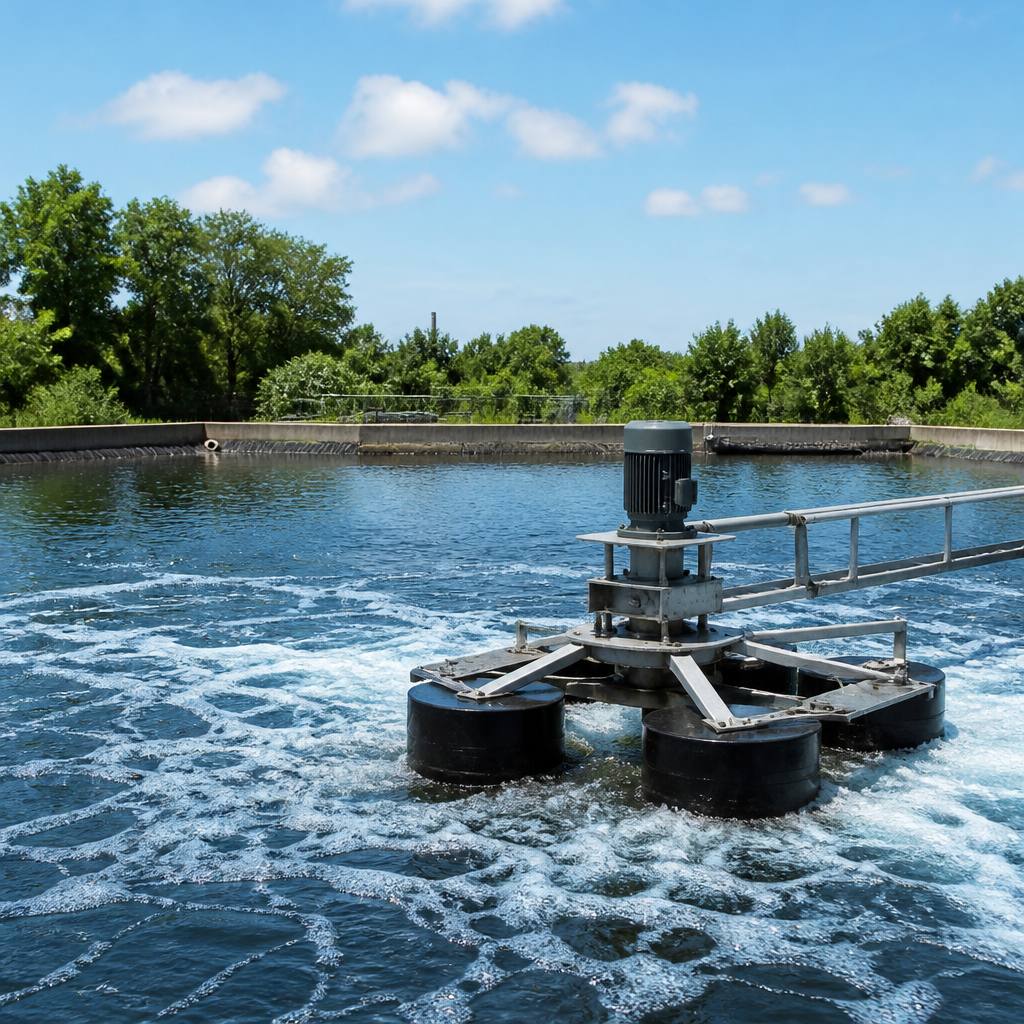
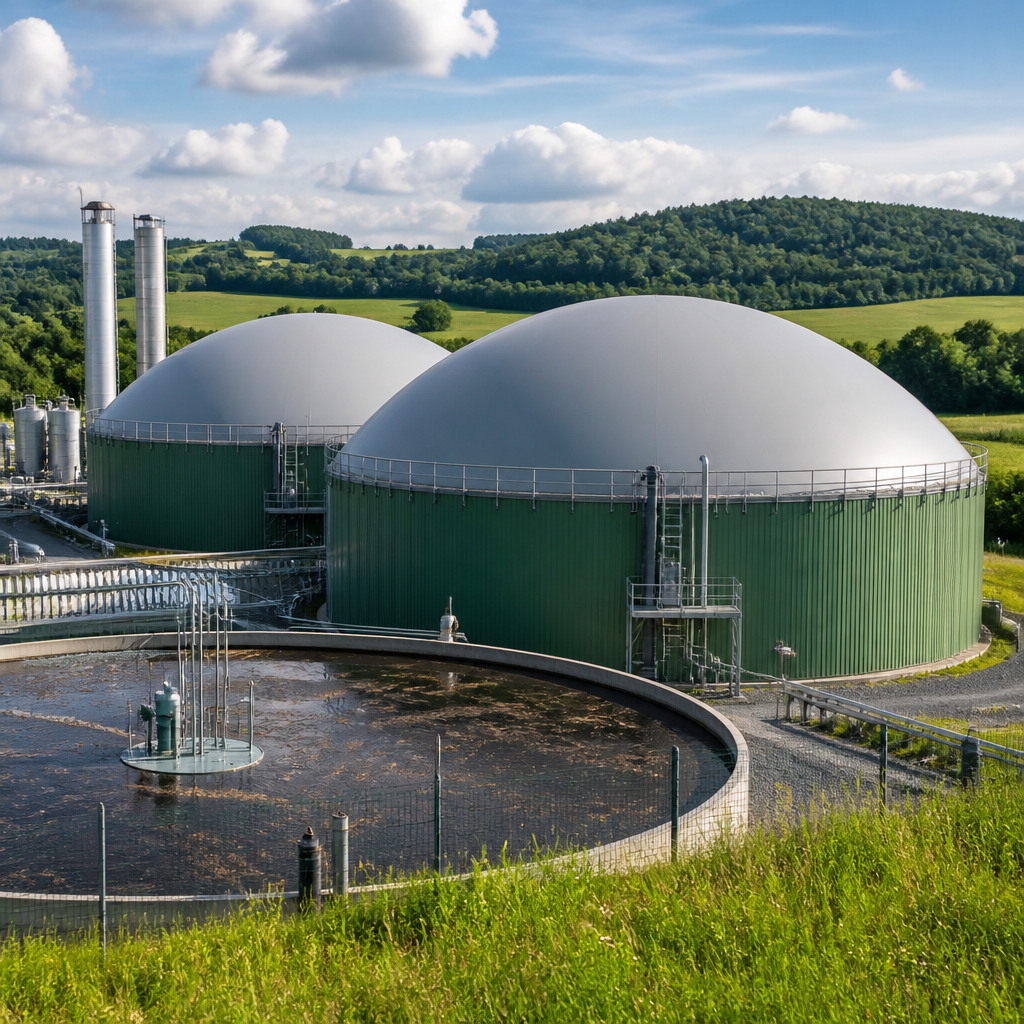
Energy recovery typically centers on anaerobic digestion, which breaks down organic matter without oxygen and generates biogas containing methane and carbon dioxide. Digesters can treat blackwater, fecal sludge, food waste, or co-substrates, improving gas yields when feedstocks are balanced. Biogas can support cooking, heating, electricity generation, or boiler fuel, though gas cleaning may be needed to remove hydrogen sulfide and moisture. The residual digestate still requires safe management, often through dewatering, composting, drying, or further sanitization. Water recovery depends on the influent quality and reuse target. Membrane bioreactors, constructed wetlands, sand filtration, and disinfection with ultraviolet light, ozone, or chlorination can all support reuse for toilet flushing, irrigation, or industrial non-potable demand. Potable reuse from decentralized sanitation is technically possible, but it requires far stricter control barriers, monitoring, and public confidence.
| Technology | Primary output | Best-fit setting | Key limitation |
|---|---|---|---|
| Urine diversion with storage | Nitrogen and phosphorus fertilizer | Water-scarce housing, schools, rural compounds | User compliance and handling rules |
| Anaerobic digestion | Biogas and stabilized digestate | Institutions, farms, clustered settlements | Needs steady feedstock and trained operation |
| Composting or thermophilic treatment | Soil amendment | Rural sanitation and fecal sludge hubs | Pathogen control depends on process discipline |
| Membrane bioreactor reuse | High-quality reclaimed water | Campuses, hotels, dense developments | Higher capital cost and membrane maintenance |
| Pyrolysis | Biochar and heat | Container-based or dried solids systems | Requires dry feedstock and emissions control |
Pathogen destruction and treatment safety
No closed-loop sanitation system is sustainable if it fails on hygiene. The decisive question is whether the system consistently reduces bacteria, viruses, protozoa, and helminth eggs to safe levels for the intended reuse pathway. This is why treatment validation matters more than marketing language. Composting, dehydration, alkaline treatment, thermal drying, pasteurization, anaerobic digestion, and pyrolysis each have different pathogen reduction profiles. Helminth eggs, especially Ascaris, are among the most persistent indicators for fecal solids treatment, while viral inactivation often requires stricter process control. International guidance from the World Health Organization and engineering references from ISO and sanitation alliances emphasize multiple barriers: containment, treatment, restricted application, withholding periods, and worker protection.
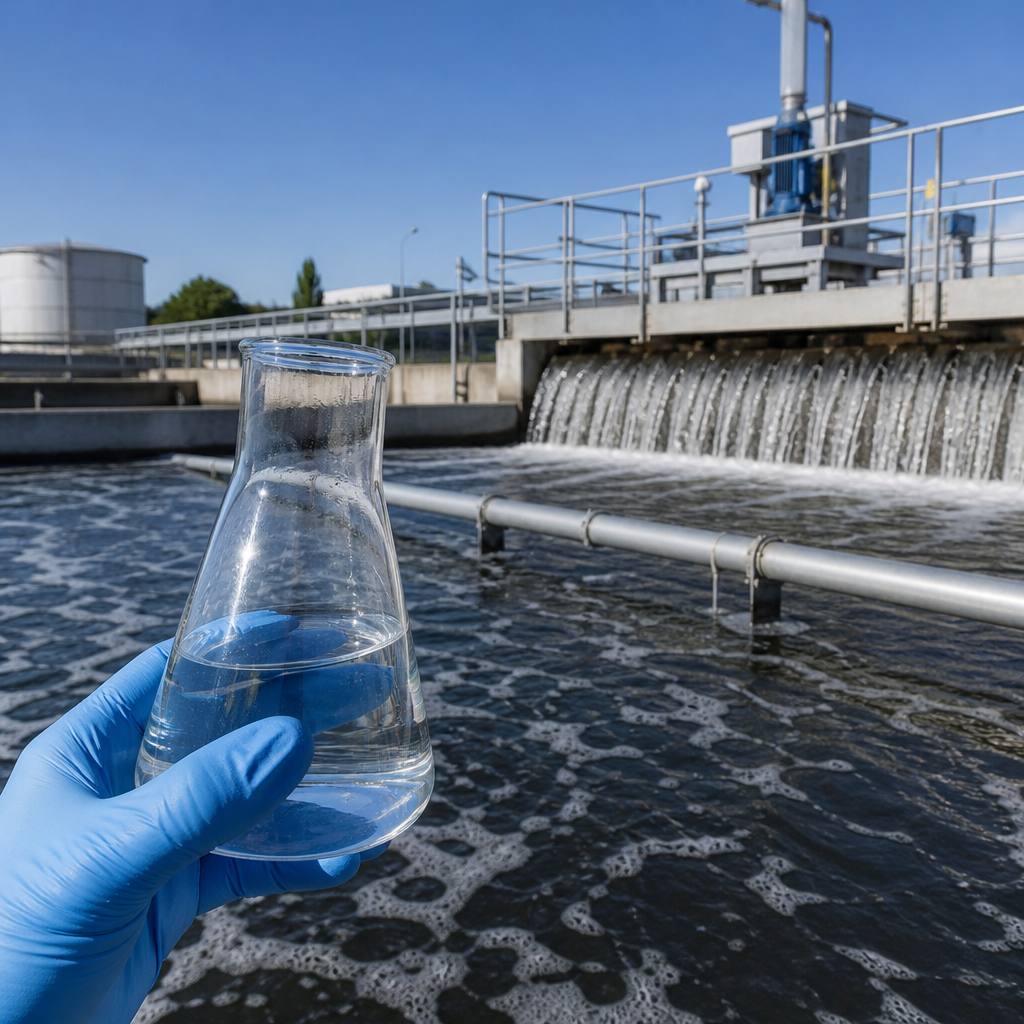
In field conditions, safety failures usually come from inconsistent operation rather than flawed theory. Moisture levels drift, temperatures do not stay high enough, sludge is removed too early, or storage tanks leak. I have seen well-funded pilots lose credibility because no one budgeted for routine sampling or replacement parts for simple sensors. Closed-loop systems need verification plans that define what is measured, how often, by whom, and what corrective action follows. Portable tools for pH, temperature, oxidation-reduction potential, ammonium, and turbidity can help operators make decisions, but laboratory confirmation remains important for pathogens and nutrient content. For organizations building EcoSan programs, a documented sanitation safety plan is often the difference between a promising installation and a defensible public health intervention.
Decentralized system design for cities, campuses, and rural areas
The best closed-loop sanitation systems are tailored to settlement patterns and service models. In dense urban districts, container-based sanitation, vacuum collection, or modular treatment units can outperform septic tanks and pit latrines because they reduce uncontrolled discharge and fit constrained sites. Container-based systems, used by enterprises in parts of Africa and elsewhere, seal waste at the household level and transport it to treatment hubs where composting, carbonization, or digestion can be managed professionally. Vacuum sewers use less water than gravity sewers and can connect to decentralized resource recovery plants in flat or flood-prone areas. For campuses, resorts, and mixed-use developments, blackwater segregation paired with greywater recycling often delivers measurable savings in potable water demand and wastewater discharge fees.
Rural and peri-urban areas present different priorities. Systems must tolerate irregular incomes, lower operator density, and seasonal climate swings. Composting toilets, urine-diverting systems, small digesters, and planted drying beds can work well where land is available and nutrient reuse has local value. Yet design simplification is critical. The most successful rural systems I have observed were not the most technically complex; they were the ones with clear emptying schedules, available spare parts, and trusted local service providers. Transport logistics also shape viability. If a community produces nutrient products but fields are far away or regulations restrict application, the resource loop breaks economically. Hub planning should therefore include storage, transport, aggregation, and offtake agreements, not only toilets and reactors.
Emerging innovations and research directions
Cutting-edge EcoSan technologies are moving beyond basic treatment into precision recovery, automation, and product standardization. Electrochemical sanitation systems can disinfect and recover compounds using electricity, making them attractive where renewable power is available. Forward osmosis, membrane distillation, and advanced oxidation are being tested for high-strength wastewater polishing. Black soldier fly larvae treatment is gaining attention for certain organic residuals because larvae reduce waste volume and produce protein and frass, though fecal-feed applications require strict regulation and risk management. Pyrolysis and hydrothermal carbonization convert dried or wet sludge fractions into char-like products with potential as soil amendments or carbon materials, while simultaneously destroying many contaminants when operated correctly.
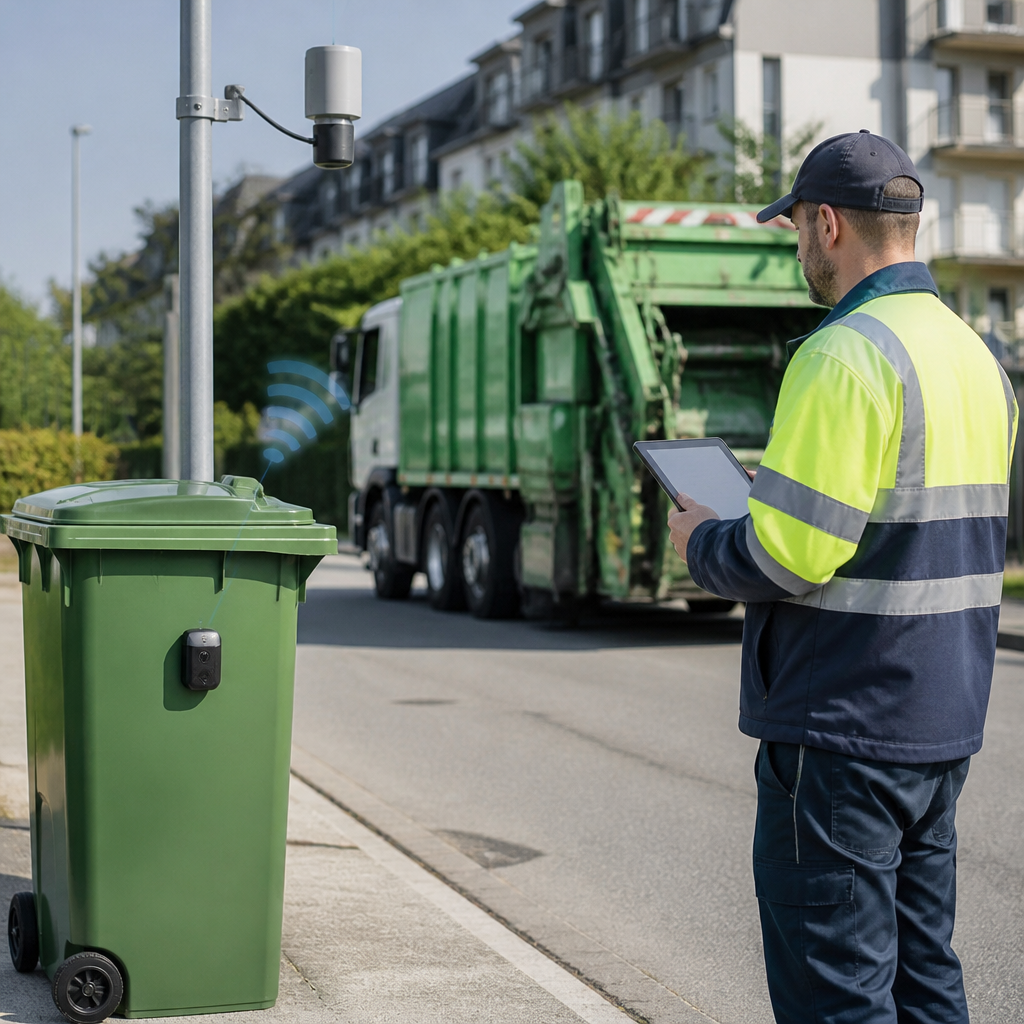
Digital monitoring is another major shift. Sensors linked to supervisory control platforms can track fill levels, biogas production, pump status, leak alarms, and treatment parameters in near real time. That matters because decentralized systems fail silently when no one notices changes early. Remote diagnostics lower response times and support performance-based service contracts. Research is also improving product confidence. Standardized testing for recovered fertilizers, biosolids, and reclaimed water helps buyers compare quality and helps regulators define safe markets. The Bill & Melinda Gates Foundation’s Reinvent the Toilet portfolio accelerated interest in off-grid sanitation technologies, but the lesson from deployment is clear: novelty alone does not scale. Technologies scale when they reduce operating uncertainty, fit local service chains, and produce outputs with dependable demand.
Economics, policy, and implementation barriers
Cost is often the first objection to closed-loop sanitation systems, but simple comparisons with conventional sewers can be misleading. Capital expenditure may be lower for modular decentralized systems, especially where terrain, distance, or informal settlement patterns make trunk sewer expansion expensive. Operating costs, however, depend heavily on collection frequency, energy use, labor, consumables, and residual handling. A system that recovers fertilizer or energy can offset costs, but revenues are rarely enough on their own unless markets are well developed. Financial analysis should include avoided water purchases, reduced sludge hauling, lower pollution penalties, and resilience benefits during droughts or floods. Life-cycle costing gives a much clearer picture than upfront hardware pricing.
Policy can either unlock or stall progress. Many sanitation codes were written around flush toilets, septic tanks, and centralized wastewater treatment, leaving uncertain pathways for urine reuse, container-based services, or decentralized product certification. Utilities and health departments need standards for monitoring, licensing, and end-use restrictions that are rigorous without being impossible to meet. Public procurement also matters. Schools, social housing projects, industrial parks, and municipal markets can create early demand for innovative systems if tenders evaluate whole-life performance instead of defaulting to conventional layouts. For readers using this article as a hub, the strategic takeaway is straightforward: successful implementation depends on integrating engineering, operations, regulation, finance, and user behavior from the beginning.
Closed-loop sanitation systems offer a sustainable approach because they treat sanitation as infrastructure for health, water security, nutrient recovery, and climate resilience at the same time. The strongest systems are not chosen by trend. They are selected by context: settlement density, water availability, treatment goals, operator capacity, and realistic reuse markets. Source separation improves recovery efficiency, anaerobic digestion captures energy, membrane systems enable water reuse, and thermal or biological processes can transform solids into safer, more useful products. Across every model, the nonnegotiable requirement is protection of public health through validated treatment, monitoring, and disciplined operation.
As the hub for exploring cutting-edge EcoSan technologies, this article points to a practical framework for deeper reading and project planning. Start with the waste streams, identify the resources worth recovering, match technologies to local constraints, and verify safety at every step. Then assess service logistics, regulation, and end-user acceptance before scaling. Communities, developers, researchers, and utilities that follow this sequence can avoid common pilot failures and build sanitation systems that conserve water, reduce pollution, and return value to local economies. If you are evaluating sustainable sanitation options, use this hub as your starting map and move next into the specific technology pathways most relevant to your site, budget, and reuse goals.
Frequently Asked Questions
What is a closed-loop sanitation system, and how does it work?
A closed-loop sanitation system is an approach to sanitation that treats human waste as a resource stream rather than something to simply flush away and discard. Instead of relying entirely on long sewer networks and centralized treatment plants, these systems capture waste close to where it is produced or route it through decentralized treatment systems. The goal is to safely process solids and liquids, recover valuable materials, and return them to productive use. Depending on the design, the outputs can include treated water for reuse, nutrients such as nitrogen and phosphorus for fertilizers, stabilized organic matter for soil improvement, and energy in the form of biogas or heat.
In practice, a closed-loop sanitation system usually includes several linked stages: collection, separation or containment, treatment, recovery, and reuse. Some systems separate urine and feces at the toilet level to make nutrient recovery easier. Others collect combined waste and process it through biodigesters, composting units, constructed wetlands, anaerobic treatment, or other decentralized technologies. What makes the system “closed-loop” is that it aims to keep water, nutrients, and energy circulating within a local or regional cycle instead of losing them through disposal. This reduces pollution, lowers demand for synthetic inputs, and helps communities build more resilient sanitation infrastructure.
Why are closed-loop sanitation systems considered more sustainable than conventional sanitation?
Closed-loop sanitation systems are considered more sustainable because they address several environmental and resource challenges at the same time. Conventional sanitation often follows a linear model: water is used to transport waste, waste is moved away from the source, and valuable nutrients and organic matter are lost or only partially recovered. That model can require large volumes of freshwater, expensive infrastructure, and high energy inputs, while also contributing to nutrient pollution in rivers, lakes, and coastal waters when treatment is incomplete.
By contrast, closed-loop systems are designed to reduce waste, conserve water, and recover useful outputs. They can significantly lower the amount of water needed for sanitation, especially when dry toilets, vacuum systems, or urine-diverting designs are used. They also make it possible to capture nutrients that would otherwise be wasted and return them to agriculture, helping reduce dependence on mined phosphorus and energy-intensive synthetic fertilizers. In addition, some systems generate biogas from organic waste, creating a local renewable energy source for cooking, heating, or electricity generation. From a climate and resilience perspective, closed-loop sanitation can also be better suited to areas facing water scarcity, weak sewer infrastructure, rapid urban growth, or the need for localized, modular services.
What kinds of resources can be recovered from closed-loop sanitation systems?
One of the most important advantages of closed-loop sanitation is resource recovery. Human waste contains water, nutrients, organic matter, and energy potential, all of which can be captured through appropriate treatment. Nutrient recovery is especially significant because urine and feces contain nitrogen, phosphorus, and potassium, which are essential for plant growth. When treated safely, these nutrients can be turned into fertilizers or soil amendments that support agriculture, landscaping, or reforestation projects.
Water is another major recoverable resource. Depending on the technology and treatment level, wastewater can be cleaned and reused for irrigation, toilet flushing, groundwater recharge, or certain industrial purposes. Organic solids can be composted or otherwise stabilized to create soil conditioners that improve soil structure and fertility. In anaerobic digestion systems, organic waste breaks down in the absence of oxygen and produces biogas, which can be used as a renewable fuel. Some advanced systems may also recover heat or produce processed products that are easier to transport and apply. The exact outputs depend on system design, local regulations, user behavior, climate, and treatment performance, but the core idea remains the same: sanitation can provide valuable materials instead of just generating waste.
Are closed-loop sanitation systems safe for public health and the environment?
Yes, closed-loop sanitation systems can be safe and highly effective when they are properly designed, operated, and monitored. Safety depends on ensuring that pathogens are reduced or eliminated to levels appropriate for the intended end use of recovered products. This requires selecting treatment processes that match the local context and applying clear standards for storage, handling, treatment duration, moisture control, temperature, and final product use. Technologies such as composting, anaerobic digestion, dehydration, filtration, disinfection, and constructed wetlands can all contribute to pathogen reduction when managed correctly.
From an environmental standpoint, closed-loop sanitation can reduce contamination of surface water, groundwater, and soils by preventing untreated waste from entering the environment. It can also lower nutrient runoff and help control emissions associated with conventional wastewater transport and treatment. That said, safety is not automatic. Like any sanitation system, closed-loop models need routine maintenance, trained operators or service providers, user education, and regulation that supports safe reuse. The strongest systems combine appropriate technology with institutional support, monitoring protocols, and community acceptance. When those elements are in place, closed-loop sanitation can protect health while also delivering environmental and economic benefits.
Where are closed-loop sanitation systems most useful, and what challenges can affect adoption?
Closed-loop sanitation systems are especially useful in places where conventional sewer-based sanitation is difficult, costly, or environmentally inefficient. This includes water-scarce regions, informal settlements, rural communities, peri-urban areas, ecologically sensitive landscapes, and fast-growing cities where centralized infrastructure cannot keep pace with demand. They are also valuable in locations seeking to improve circular resource use, reduce fertilizer dependence, strengthen climate resilience, or create more localized sanitation services. In these settings, decentralized or source-separating systems can offer flexible, scalable solutions that fit local geography, budgets, and resource needs.
Adoption, however, can be shaped by several challenges. Public perception is often one of the biggest barriers, especially where people are unfamiliar with the idea of reusing products derived from human waste. Regulatory frameworks may not yet be designed to support nutrient recovery, decentralized treatment, or safe reuse pathways. Financing can also be complex, since benefits are distributed across sanitation, agriculture, water management, and energy sectors rather than appearing in a single budget line. In addition, successful operation depends on maintenance systems, supply chains for parts and services, and clear responsibilities for collection, treatment, and end-use management. Even so, these challenges are increasingly being addressed through better policy design, stronger service models, improved treatment technologies, and public education. As a result, closed-loop sanitation is gaining attention as a practical and sustainable option for the future of sanitation.