Research on pathogen reduction in composting toilets has moved from niche sanitation science to a serious field within ecological sanitation, because safe reuse depends on proving that fecal pathogens are reliably inactivated under real operating conditions. In practice, composting toilets are not a single technology but a family of systems that separate, dehydrate, aerate, heat, or biologically stabilize human excreta so it can be handled with lower health risk and, in some cases, reused as soil amendment. When I have evaluated EcoSan projects, the first question from operators, regulators, and skeptical communities has always been the same: does the system actually kill pathogens, or does it simply store waste out of sight?
That question matters because untreated excreta can contain bacteria such as Escherichia coli, Salmonella, and Vibrio cholerae; viruses including rotavirus, norovirus, and hepatitis A; protozoa such as Giardia and Cryptosporidium; and helminths, especially Ascaris lumbricoides, whose eggs are among the most persistent indicators used in sanitation research. Pathogen reduction means lowering viable organisms to levels considered safe by public health standards or fit-for-purpose reuse guidelines. In composting toilets, reduction is driven by temperature, time, moisture control, pH shifts, microbial competition, ammonia exposure, oxygen availability, and storage conditions. No single factor is enough in every design.
As a hub article for exploring cutting-edge EcoSan technologies, this review connects the core science of pathogen die-off with the engineering innovations now shaping the field: urine diversion, forced aeration, sensor-based monitoring, solar assistance, biochar amendments, membrane treatment, and hybrid systems that bridge decentralized sanitation and resource recovery. The strongest research shows a simple truth. Composting toilets can achieve meaningful pathogen reduction, but performance depends on disciplined design, realistic loading rates, climate, user behavior, and post-treatment verification. Understanding that evidence helps households choose better products, helps municipalities assess pilots responsibly, and helps designers build systems that are truly safe rather than merely sustainable in appearance.
How Pathogen Reduction Works in Composting Toilets
Pathogen reduction in composting toilets happens through a combination of biological decomposition and environmental stress. In an ideal thermophilic composting process, microorganisms break down organic matter and generate heat, pushing the mass above 45°C and sometimes above 55°C, temperatures that sharply accelerate die-off for many bacteria, viruses, and protozoa. International guidance, including U.S. EPA biosolids time-temperature concepts and World Health Organization sanitation risk frameworks, treats sustained high temperature as one of the most reliable barriers. Yet many small composting toilets never sustain true thermophilic conditions throughout the pile, especially in cold climates or under intermittent use. That is why research focuses on the whole treatment train, not just the label on the unit.
Moisture is equally important. Excess water can create anaerobic zones, suppress heat development, and increase odor, while too little moisture can stall decomposition and preserve material rather than compost it. In field installations I have seen, the difference between a well-managed chamber and a failing one often came down to bulking material and ventilation. Sawdust, shredded leaves, coconut coir, or wood chips improve porosity and carbon-to-nitrogen balance, allowing air movement and reducing compaction. Forced-air fans can further stabilize the process by removing moisture and maintaining oxygen. This matters because aerobic microbial activity is faster, hotter, and generally better at reducing indicator organisms than wet, compacted sludge-like conditions.
Researchers also distinguish between decomposition and sanitization. A vault may reduce volume and smell without meeting safe reuse targets. Helminth eggs illustrate the gap. Ascaris eggs can survive for months in cool, moist material even when bacterial indicators decline rapidly. For that reason, studies often track fecal coliforms or E. coli for routine process control, then use helminth ova, bacteriophages, or specific pathogens for validation. The strongest evidence comes from multi-parameter studies that measure temperature profiles, retention time, moisture content, pH, ammonium concentration, and final microbiological results instead of relying on appearance alone.
What the Research Shows About Different Pathogens
Modern composting toilet research consistently shows that not all pathogens behave the same way. Vegetative bacteria are usually the easiest to inactivate. Under warm, aerobic composting conditions, E. coli and fecal coliform counts can drop several log units within days or weeks. Enteric viruses often decline more slowly but are still vulnerable to heat, desiccation, and extended storage. Protozoan cysts and oocysts vary in persistence; some are damaged by drying and temperature, while others remain infectious longer than bacterial indicators suggest. Helminth eggs remain the benchmark for conservative design because they are the hardest to destroy under decentralized conditions.
Several review papers in ecological sanitation and fecal sludge management have found that temperature above 50°C, if sustained long enough, can dramatically reduce bacterial and viral hazards, but household-scale systems frequently produce uneven heating. The center of the pile may reach sanitizing temperatures while material near walls, corners, or fresh deposits remains cooler. That is why mixing, batch operation, and curing periods improve outcomes. In contrast, urine-diverting dry toilets often depend less on active composting and more on dehydration and storage. Those systems can work well for bacterial die-off, especially when moisture stays low, but they usually require longer storage to address hardy organisms.
One practical lesson from the evidence is that indicator selection matters. A toilet operator may test low E. coli and assume full sanitation, yet viable Ascaris eggs can still be present. Research programs in Africa, Asia, Europe, and Latin America have repeatedly highlighted that mismatch. For this reason, engineers increasingly use barrier-based design: source separation, controlled addition of cover material, optimized chamber geometry, post-storage curing, and restricted end use unless monitoring confirms safety. That conservative approach reflects real data, not excessive caution.
Cutting-Edge EcoSan Technologies Improving Safety
The most important innovations in EcoSan are not cosmetic upgrades. They are design changes that make pathogen reduction more predictable. Urine diversion is one of the most influential. By separating urine at the source, the solids chamber stays drier, lighter, and easier to aerate. Lower moisture reduces odors and improves handling, while collected urine can be sanitized separately through storage, alkaline treatment, nitrification-distillation, or concentration technologies now entering the resource recovery market. This separation also allows designers to tune treatment pathways for very different waste streams instead of forcing one chamber to do everything.
Forced aeration and smart ventilation have also changed performance. Older passive systems often relied on stack effect alone, which worked inconsistently in humid or low-wind settings. Newer units use low-energy DC fans, sometimes paired with solar panels, to maintain airflow and evaporative drying. In monitored trials, better airflow correlates with lower moisture content, fewer flies, and improved user acceptance. Sensor packages now track chamber temperature, humidity, fill level, and even ammonia concentration, sending data to maintenance teams. That kind of instrumentation is common in pilot programs because it converts sanitation from a hidden process into a managed one.
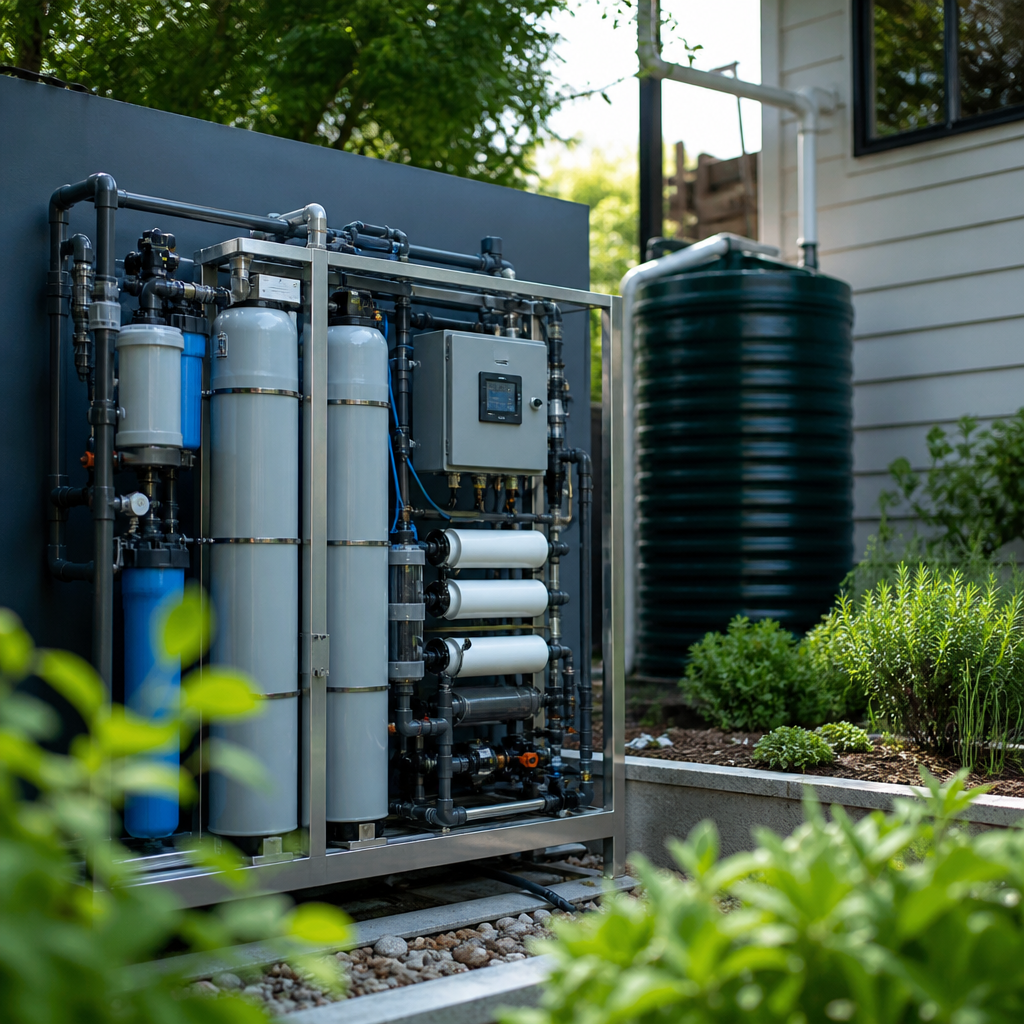
Biochar amendments are another promising area. Researchers add biochar to increase porosity, adsorb odors, retain nutrients, and sometimes support beneficial microbial communities. Results vary by feedstock and particle size, but trials suggest biochar can improve structure and reduce leachate while supporting more stable composting conditions. Some hybrid systems go further, pairing dehydrating toilets with secondary treatment units such as vermicomposting reactors, solar heaters, black soldier fly preprocessing, or membrane polishing for liquid fractions. These are not universal solutions, but they show how EcoSan has evolved beyond the image of a simple pit replacement.
| Technology | Main mechanism | Best pathogen control benefit | Key limitation |
|---|---|---|---|
| Urine diversion | Source separation and drying | Reduces moisture and improves solids stabilization | Requires correct user behavior and maintenance |
| Forced aeration | Oxygen supply and evaporation | Supports aerobic breakdown and lower odor | Needs power and fan upkeep |
| Solar-assisted heating | Raises chamber temperature | Improves die-off where climate is favorable | Uneven heating in cloudy or cold conditions |
| Biochar amendment | Porosity, adsorption, nutrient retention | Stabilizes process conditions and handling | Performance depends on material quality |
| Secondary curing vault | Extended storage time | Addresses slow die-off organisms like helminths | Needs space and disciplined rotation |
Design Variables That Determine Real-World Performance
Field performance depends less on marketing claims than on retention time, climate, loading rate, and maintenance discipline. A weekend cabin toilet serving two people behaves very differently from a public park unit serving fifty users a day. High loading rates raise moisture, overwhelm aeration, and reduce the time needed for full stabilization. Chamber size therefore matters as much as any additive. Designers should calculate not just annual volume, but peak use, cover material availability, and the practical time before removal. In my experience, undersized chambers are one of the most common reasons composting toilets disappoint users and fail microbial targets.
Climate creates another divide. In warm, dry regions, dehydration can be a powerful sanitation aid, especially with urine diversion. In cool, wet climates, moisture management and insulation become more important than theoretical compost potential. Some manufacturers add insulated shells, heated seats, or solar thermal collectors to keep temperatures higher, but those features only help if air movement and drainage are also correct. Leachate management is often neglected in popular discussions, yet a poorly drained system can rewet lower layers and sustain pathogens. Good designs include condensate control, urine drainage, and protected access for maintenance crews.
User practices can either preserve or destroy system performance. Adding the correct amount of bulking material, avoiding chemical cleaners that disrupt microbiology, keeping non-biodegradable trash out of the chamber, and following chamber rotation schedules are all essential. Research on school and community toilets repeatedly shows that technology alone does not guarantee safe outcomes. Facilities with clear operating rules, visible instructions, and assigned maintenance staff routinely outperform technically similar installations without management. For a sanitation technology intended to protect public health, operations are part of the treatment process, not an afterthought.
Monitoring, Standards, and How Safety Is Verified
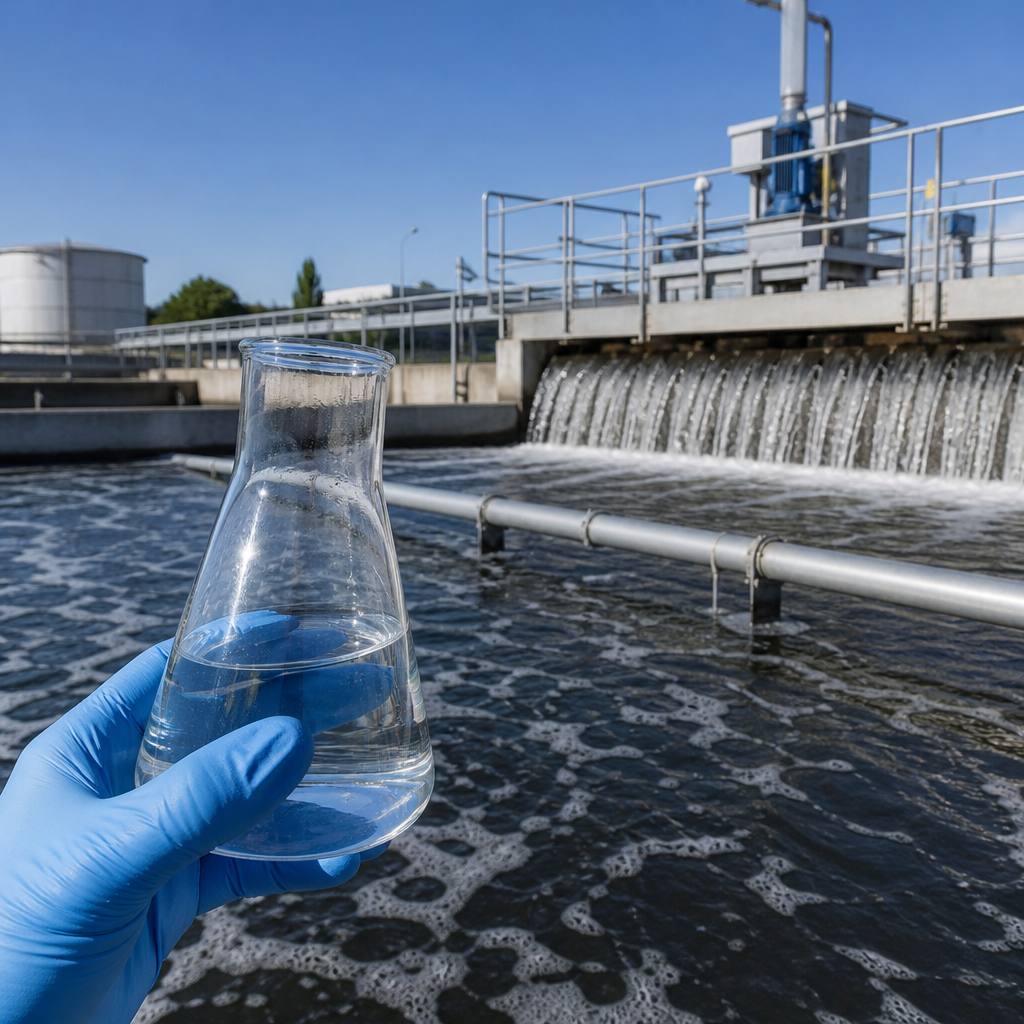
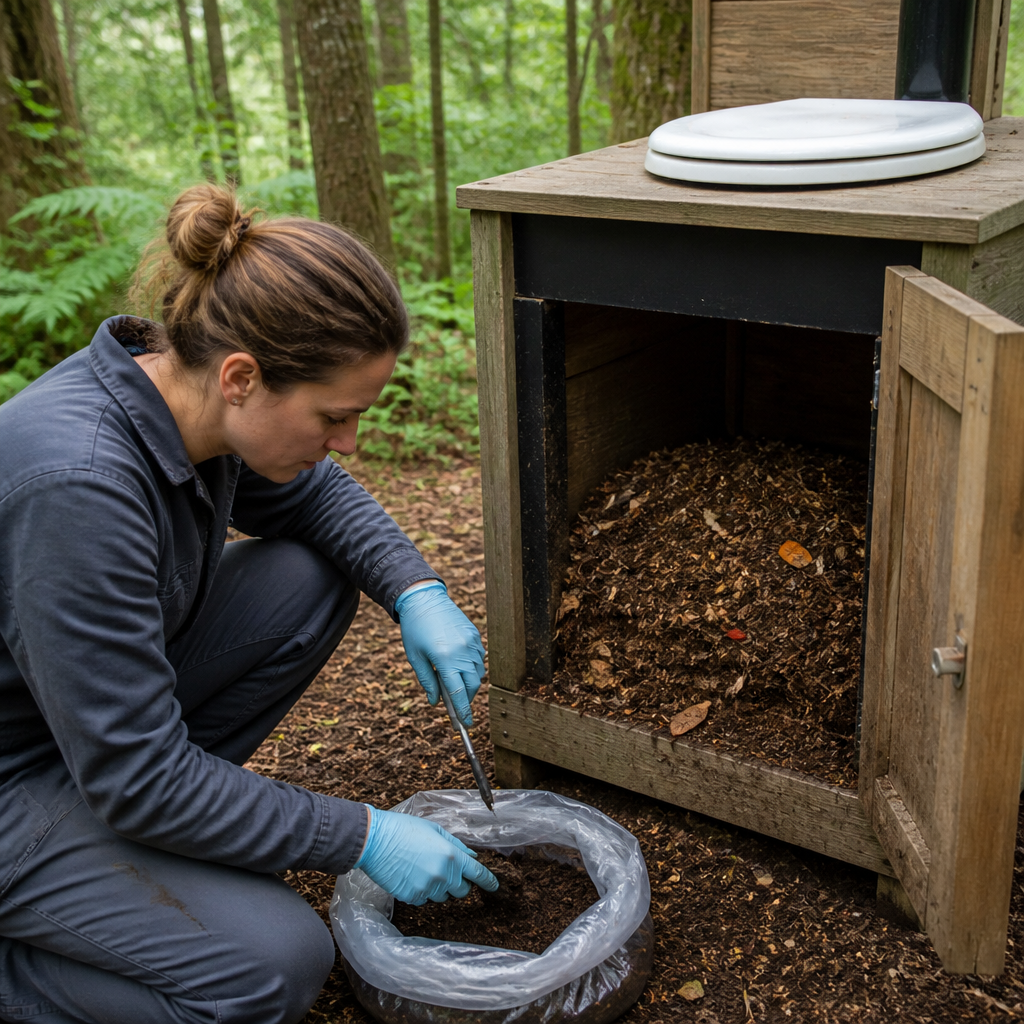
Reliable pathogen reduction must be measured, not assumed. Researchers usually verify performance through microbiological sampling, but routine operators often need simpler proxies. Temperature logging is useful because it shows whether the material ever entered a zone associated with rapid inactivation. Moisture content, pH, and retention time also matter. However, no proxy replaces final validation where reuse is planned. Standard methods may include culturing fecal indicator bacteria, microscopy for helminth ova, and molecular tools such as quantitative PCR, although PCR can detect nonviable genetic material and should be interpreted carefully.
There is no single global rulebook for composting toilet outputs, so practitioners often map their results to multiple references. The World Health Organization promotes health-based targets and multiple barriers for excreta reuse. The U.S. EPA biosolids framework provides widely cited temperature-time benchmarks for pathogen reduction, even though centralized sludge treatment is not identical to household composting. NSF and other product certification pathways address construction, safety, and performance criteria for some markets. Serious projects compare local regulations, intended end use, and actual test results before declaring material safe.
A mature safety plan uses hazard analysis rather than one final test alone. That means identifying where failures can occur: excess liquids, short-circuiting of fresh material into finished material, poor chamber rotation, vector access, or premature emptying. It also means matching reuse to treatment confidence. If validation is limited, non-food tree planting or ornamental use may be more appropriate than edible crop application. This balanced approach protects health while still supporting nutrient recovery and decentralized sanitation goals.
Where the Research Is Heading Next
The next phase of EcoSan research is focused on making decentralized sanitation measurable, modular, and easier to regulate. Sensor-rich toilets are being tested to create digital treatment records, allowing operators to prove residence time and environmental conditions instead of relying on visual inspection. Microbial risk assessment models are becoming more sophisticated, linking pathogen concentrations, exposure pathways, and end-use scenarios. That helps designers choose realistic safety factors rather than copying standards developed for entirely different systems.
Another major frontier is resource recovery without compromising hygiene. Researchers are exploring ammonia capture, struvite precipitation, electrochemical disinfection, lactic acid fermentation, and container-based logistics integrated with off-site treatment hubs. These innovations matter because they separate user convenience from treatment intensity. A household may use a compact front-end toilet while specialized downstream processing delivers the actual pathogen barrier. This hub-and-spoke model is increasingly relevant in dense settlements, emergency sanitation, and regions where on-site compost curing is impractical.
The main lesson from research on pathogen reduction in composting toilets is clear: success comes from combining sound biology, appropriate engineering, and disciplined management. Composting toilets can reduce health risk substantially, but only when the system is designed for the local climate, loading pattern, and maintenance capacity. The best EcoSan technologies improve predictability through source separation, airflow control, monitored storage, and validated post-treatment rather than promising effortless sanitation.
For planners, homeowners, and researchers, the benefit is significant. Done well, these systems conserve water, recover nutrients, reduce sewer dependence, and support resilient sanitation in places centralized infrastructure cannot reach efficiently. Done poorly, they create a false sense of safety. Use that distinction to evaluate every product, pilot, or policy proposal in this field.
If you are building an EcoSan knowledge base, treat this article as the hub: start with pathogen targets, compare technologies by treatment mechanism, and then study each linked subtopic in depth before choosing a system or launching a project.
Frequently Asked Questions
What does pathogen reduction mean in the context of composting toilets?
Pathogen reduction refers to the decrease, inactivation, or destruction of disease-causing organisms in human waste during storage, treatment, and stabilization inside a composting toilet system. These organisms can include bacteria such as Salmonella and pathogenic E. coli, viruses, protozoa, and helminth eggs, which are often among the most persistent and important indicators of public health risk. In research, pathogen reduction is not treated as a vague improvement in cleanliness. It is measured as a reduction in viable organisms over time, usually under defined operating conditions such as temperature, moisture content, pH, oxygen availability, and retention time.
In composting toilets, this matters because the end goal is not just volume reduction or odor control. The central question is whether the material becomes significantly safer to handle, store, or potentially reuse. Researchers therefore study how different toilet designs and treatment pathways affect pathogen survival. Some systems rely more on drying and long storage, others on active composting with heat and aeration, and others on alkaline or biologically assisted stabilization. The term pathogen reduction captures all of these mechanisms, but it also highlights an important limitation: a material can look dry, earthy, and “finished” without being microbiologically safe. That is why research focuses on verified inactivation rather than appearance alone.
How do composting toilets actually reduce pathogens?
Composting toilets reduce pathogens through a combination of environmental stresses that make survival increasingly difficult for disease-causing organisms. The most important mechanisms include elevated temperature, microbial competition, moisture reduction, oxygen exposure, ammonia formation, pH shifts, and extended storage time. In a well-managed thermophilic composting process, internal temperatures can rise high enough to kill many bacteria, viruses, and parasites relatively quickly. However, not all composting toilets consistently reach or maintain thermophilic conditions, especially small household units or systems used intermittently. That is why researchers emphasize that pathogen reduction usually comes from multiple overlapping factors rather than heat alone.
Drying is another major pathway, particularly in urine-diverting or dehydration-oriented systems. Many pathogens survive poorly when moisture falls to low levels, although some, especially helminth eggs, can remain viable much longer than bacteria under dry conditions. Aeration also matters because oxygen supports beneficial microbial activity and helps create conditions associated with more complete organic stabilization. Time is critical as well. Even when temperatures are moderate, long retention periods can significantly lower pathogen counts. In practice, studies show that performance depends heavily on user behavior and system design, including whether bulking materials are added, whether leachate is controlled, whether urine is separated, and whether the compost mass is mixed evenly enough to avoid cool pockets where pathogens may persist.
Which pathogens are hardest to eliminate in composting toilet research?
The most difficult pathogens to eliminate are usually the ones that are environmentally robust and capable of surviving long periods outside a host. In composting toilet research, helminth eggs, especially Ascaris, are often treated as one of the most important and conservative indicators of sanitation safety because they are highly resistant to adverse conditions and can remain viable for extended periods. If a treatment process can reliably inactivate organisms this resilient, it gives researchers greater confidence that less resistant pathogens have also been reduced. Protozoan cysts and some viruses can also be persistent under certain conditions, particularly where temperatures remain low and moisture is unevenly distributed.
Bacterial pathogens often decline more quickly than helminths, but they still matter because initial concentrations can be high and regrowth or recontamination can occur if materials are mishandled. Research therefore does not usually rely on one organism alone. Instead, scientists often use a combination of indicator organisms, pathogen surrogates, and direct testing to understand system performance. The challenge is that different pathogens respond differently to heat, dryness, pH, and storage. A toilet system that performs well against vegetative bacteria may still be inadequate for parasite eggs. That is one reason why composting toilet research has become more rigorous over time: claims of safety must account for the most persistent health hazards, not just the easiest microbes to kill.
Why is real-world performance different from laboratory results?
Laboratory studies are valuable because they isolate variables and help researchers understand how pathogens respond to specific temperatures, moisture levels, or treatment durations. But real-world composting toilets operate under far messier conditions. User patterns vary, climates vary, feedstocks vary, and maintenance practices vary. A system tested under controlled laboratory conditions may receive ideal aeration, carefully balanced carbon inputs, uniform mixing, and precise temperature monitoring. In everyday use, the same system may experience cold weather, overloading, uneven moisture, poor ventilation, or inconsistent addition of cover materials. These factors can create zones within the compost mass where pathogens survive much longer than expected.
Another major difference is scale and heterogeneity. Composting toilets are not uniform reactors. They may contain fresh deposits next to older material, wet sections next to dry sections, and hot areas next to cool ones. In pathogen research, this unevenness is crucial because safety depends on the least-treated fraction, not the average condition. Field studies therefore often reveal more variable outcomes than lab trials. That does not mean the technology is ineffective. It means performance must be verified under realistic operating conditions, and system claims should be based on conservative assumptions. Good research increasingly bridges this gap by combining bench-scale experiments with field monitoring, retention-time studies, and risk-based assessments that reflect how people actually use ecological sanitation systems.
Can material from a composting toilet be safely reused, and what does research say?
Research suggests that safe reuse is possible in some cases, but only when the treatment process is demonstrably effective and the final material is managed according to health-based guidelines. The key point is that reuse should never be assumed simply because waste has been stored or partially composted. Safe reuse depends on the type of system, the treatment conditions achieved, the pathogens of concern, the length of storage, and the intended end use. For example, material applied to ornamental plants presents a different level of exposure risk than material used on food crops. Researchers therefore evaluate not only microbial reductions but also likely human contact pathways, environmental persistence, and the consequences of treatment failure.
In the best-performing systems, especially those with sufficient retention time, consistent drying or heating, and careful post-treatment handling, pathogen loads can be reduced enough to support restricted or conditional reuse. However, many studies also caution that decentralized systems are highly variable, and that verification, secondary treatment, or additional storage may be necessary before land application. This is why current research often frames the issue in terms of risk management rather than simple labels like “safe” or “unsafe.” The strongest evidence supports a multiple-barrier approach: good toilet design, proper operation, adequate treatment time, monitoring where feasible, and conservative reuse practices. In other words, composting toilet outputs may become useful resources, but only when pathogen reduction is treated as a measurable public health requirement rather than an assumption.