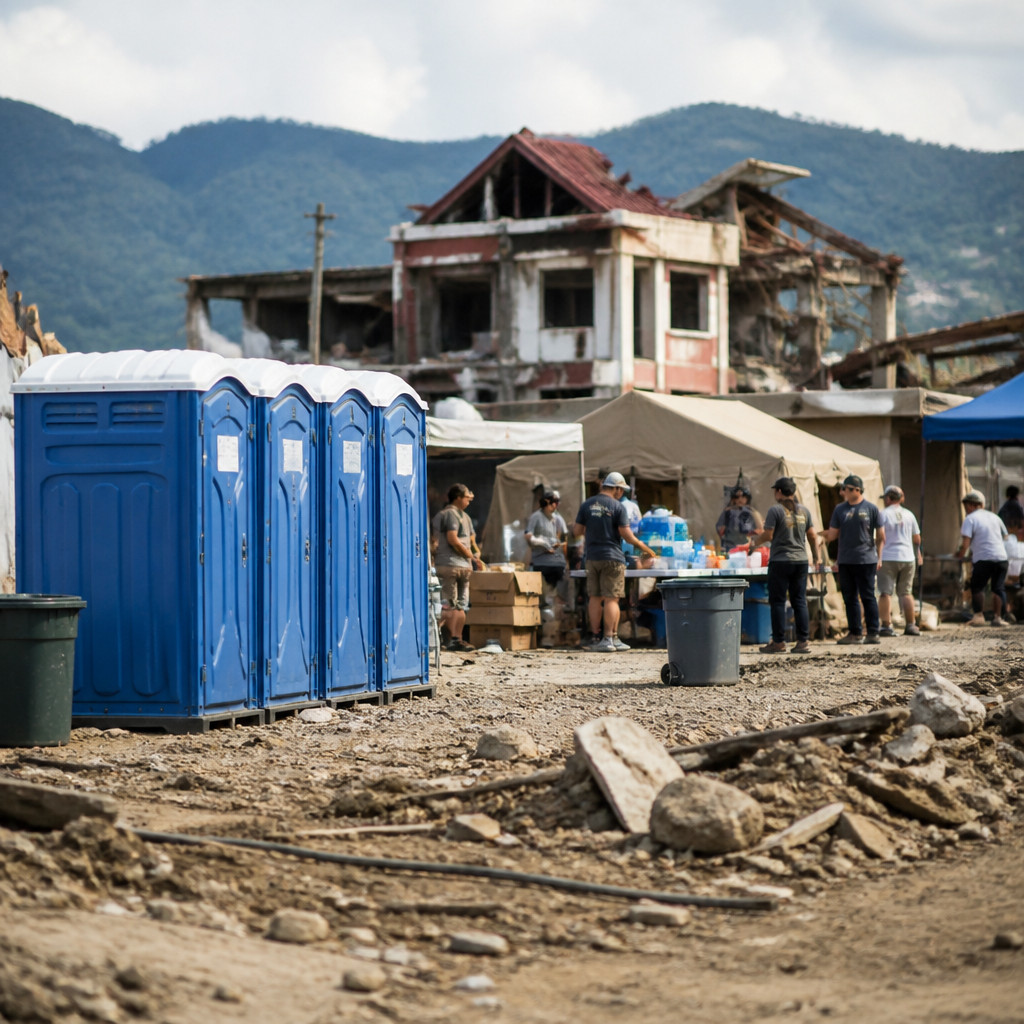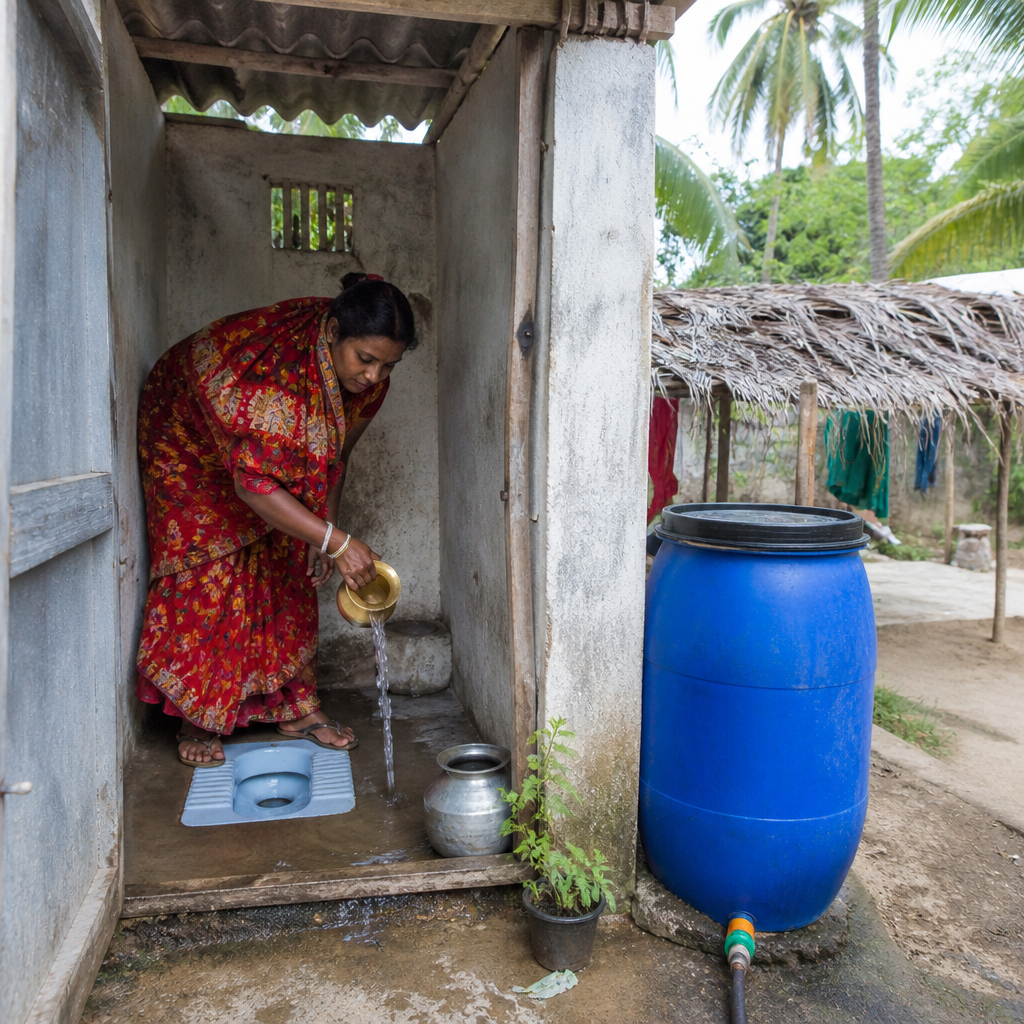

Sustainable sanitation materials are reshaping how communities build toilets, sewers, containment systems, and treatment infrastructure, and they now sit at the center of advancing research in sanitation. In practice, this field brings together material science, public health engineering, circular economy design, and climate resilience. When I have evaluated sanitation projects, the material choice has often determined whether a system stayed affordable, repairable, and safe after the pilot phase ended. A toilet slab that resists cracking, a pipe that survives corrosive wastewater, or a liner made from recovered polymers can change long-term service outcomes more than an ambitious concept note ever will.
The term sustainable sanitation materials refers to inputs that reduce environmental harm while maintaining hygiene performance, durability, user safety, and economic viability. That includes low-carbon cement blends, recycled plastics, bamboo composites, geopolymer concrete, corrosion-resistant coatings, bio-based membranes, and modular components designed for disassembly and reuse. Research in sanitation goes beyond inventing new substances. It also studies pathogen containment, moisture behavior, chemical resistance, manufacturing energy, local supply chains, end-of-life recovery, and how materials perform in informal settlements, schools, health facilities, and rural households. Advancing research in sanitation means asking not only what a material is made of, but whether it supports safe service across the entire sanitation chain.
This matters because sanitation systems face converging pressures. Urban growth is increasing wastewater volumes. Climate change is intensifying flooding, heat, and drought, all of which stress sanitation assets. At the same time, the sector must cut embodied carbon, reduce plastic waste, and lower operating costs without compromising infection prevention. According to WHO and UNICEF Joint Monitoring Programme reporting, billions of people still lack safely managed sanitation, which means infrastructure expansion remains urgent. Materials are therefore not a niche concern. They influence capital cost, maintenance frequency, greenhouse gas emissions, leakage risk, fecal sludge management efficiency, and whether innovations can scale in low-resource settings. For a hub on advancing research in sanitation, sustainable materials are a unifying theme because they connect laboratory work, field validation, regulation, and deployment.
Why material innovation now defines sanitation research
Material innovation defines current sanitation research because sanitation systems are expected to do more under harsher conditions. Conventional materials such as ordinary Portland cement, virgin PVC, and mild steel remain useful, but each has constraints. Cement production is carbon intensive. Some plastics become brittle under ultraviolet exposure or are difficult to recycle after contamination. Unprotected metals corrode quickly in hydrogen sulfide rich environments common in sewers and sludge facilities. Researchers are responding by testing alternatives that keep performance high while reducing lifecycle burdens.
One major shift is from asset-by-asset specification to lifecycle thinking. Instead of asking whether a toilet pan is cheap at purchase, sanitation engineers increasingly ask how long it lasts, whether it can be cleaned without abrasive chemicals, whether the manufacturer can guarantee dimensional consistency, and whether the item can be recovered or remanufactured. Standards such as ISO 30500 for non-sewered sanitation systems and ISO 31800 for fecal sludge treatment units have pushed product developers toward more rigorous performance testing. In my experience, teams that adopt these standards earlier avoid expensive redesign later because materials get screened against real operating stresses, not just ideal laboratory conditions.
Research is also broadening geographically. Universities, utilities, social enterprises, and humanitarian agencies are testing materials in flood-prone deltas, dense informal settlements, arid regions, and cold climates. A slab that performs well in a temperate lab may fail when exposed to tropical humidity, aggressive cleaning agents, or repeated transport on poor roads. That is why advancing research in sanitation increasingly depends on field-based evidence, accelerated aging studies, and user-centered evaluation.
Promising sustainable sanitation materials and where they fit
Several material families are emerging as especially important. Geopolymer concrete uses industrial by-products such as fly ash or ground granulated blast furnace slag activated with alkaline solutions to create binders with lower embodied carbon than traditional cement in many formulations. Researchers are investigating geopolymer slabs, precast rings, and drain elements because these can achieve strong compressive performance and chemical resistance when properly formulated. The limitation is quality control: feedstock variability and curing requirements can affect consistency, so successful deployment depends on disciplined manufacturing.
Recycled plastics are another high-potential category. High-density polyethylene and polypropylene recovered from post-consumer streams are being used in toilet superstructure panels, urine-diverting fixtures, prefabricated septic components, and inspection chambers. Their strengths include low weight, corrosion resistance, and fast installation. However, not all recycled polymers are equal. Contamination, filler content, and thermal history influence impact strength and creep behavior. Good research therefore includes tensile testing, ultraviolet stabilization review, and exposure trials in hot climates before a product reaches procurement lists.
Bio-based materials are receiving attention where local sourcing matters. Bamboo, agricultural fiber composites, and natural fiber reinforcement can lower transport emissions and support local manufacturing. I have seen these work best when they are treated as engineered products rather than informal substitutes. Moisture barriers, fungal resistance treatment, joint detailing, and standardized dimensions are critical. Without those controls, bio-based components can absorb water, warp, or degrade in ways that create hygiene risks.
Advanced coatings and membranes form a less visible but highly influential research frontier. Epoxy and polyurethane coatings can extend the life of concrete tanks. Ceramic and polymer membranes are improving decentralized wastewater treatment and resource recovery. Antimicrobial surface technologies are being explored for high-touch sanitation settings, though claims need careful validation because many additives perform differently under repeated abrasion and real cleaning routines.
| Material | Typical sanitation use | Main sustainability benefit | Key research question |
|---|---|---|---|
| Geopolymer concrete | Slabs, rings, channels | Lower embodied carbon potential | How stable is performance across feedstocks? |
| Recycled HDPE or PP | Panels, chambers, pans | Waste reduction and corrosion resistance | How do heat, UV, and load affect long-term durability? |
| Bamboo or fiber composites | Superstructures, interior panels | Local renewable sourcing | Can moisture and biological degradation be controlled? |
| Protective coatings | Tanks, sewers, treatment units | Longer asset life and fewer repairs | How do coatings perform under cleaning and chemical exposure? |
How researchers test sanitation materials in real conditions
Advancing research in sanitation requires tougher testing methods than many general construction products undergo. The reason is simple: sanitation materials face biological contamination, standing moisture, abrasion, chemical attack, and irregular maintenance. A useful test program combines laboratory characterization with field validation. Mechanical testing covers compressive strength, flexural strength, impact resistance, and creep. Chemical tests evaluate resistance to ammonia, sulfides, acids, and detergents. Water absorption and permeability tests matter because porous materials can weaken, stain, or harbor contamination.
Accelerated aging is particularly important. Researchers expose plastics to ultraviolet light and heat cycling, soak composites in humid environments, or run freeze-thaw cycles for cold-climate applications. For sewer and tank materials, microbiologically induced corrosion testing is essential because sulfur-oxidizing bacteria can generate sulfuric acid that degrades concrete rapidly. Utilities in Europe, North America, and Asia have documented this failure mode for decades, and it remains one of the clearest examples of why sanitation cannot simply borrow material assumptions from dry buildings.
Field trials then answer the questions laboratories cannot. Does a modular toilet wall crack during transport? Can a surface actually be cleaned effectively with the products households use? Do local masons install the material correctly without special tools? Does the color show staining that users interpret as dirt even when the surface is hygienic? In my project reviews, adoption often turned on these practical details. The best research teams combine engineering metrics with user observation, maintenance records, and cost tracking over at least one wet and one dry season.
Designing for the full sanitation chain and circular economy
Sustainable sanitation materials only deliver value when they support the full service chain: capture, storage, conveyance, treatment, reuse, and final disposal. A toilet made from recycled polymer is not truly sustainable if it fails at the interface with a pit liner, leaks at pipe joints, or cannot be repaired locally. Research is therefore moving toward system integration. Material choices for toilets, tanks, transfer stations, drying beds, digesters, and nutrient recovery units are increasingly evaluated together.
This systems approach aligns with circular economy goals. Urine diversion units may need materials that resist scaling and allow nutrient recovery. Fecal sludge drying technologies benefit from surfaces that release material cleanly and minimize manual scraping. Anaerobic digestion systems require gas-tight seals and corrosion-resistant fittings. Black soldier fly and composting applications need durable containment with predictable moisture behavior. When materials improve separation, cleaning, and component replacement, they make resource recovery more practical.
Modularity matters here. Products designed for disassembly can extend service life because damaged parts are replaced without discarding the full unit. That is especially useful for school toilets, public toilets, and container-based sanitation equipment with high usage rates. Digital product passports are beginning to appear in broader manufacturing sectors, and sanitation research should adapt the concept. If a utility or nonprofit can track resin type, additive package, manufacturing date, and repair guidance, procurement becomes more evidence driven and end-of-life recycling becomes more realistic.
Procurement, standards, and the path from pilot to scale
Many strong sanitation material ideas stall because pilot success does not automatically translate into procurement approval or financing. Scaling requires standard specifications, documented performance, quality assurance, and supplier reliability. Public buyers usually need proof that a new material meets health, fire, structural, and durability requirements. That is why research papers alone are not enough. Developers need test reports, installation protocols, maintenance guidance, and reference sites.
Recognized tools help bridge this gap. Life cycle assessment software such as SimaPro and openLCA can compare embodied impacts. Material flow analysis can show how recycled content moves through local markets. Building information modeling supports modular sanitation asset planning. For quality management, ISO 9001 processes and factory acceptance testing reduce variability, which is often the hidden reason promising products fail. On the public health side, sanitation technologies should align with sanitation safety planning principles so materials are judged by their contribution to risk reduction, not aesthetics alone.
There are tradeoffs. A lower-carbon material may cost more upfront. A high-recycled-content plastic may require tighter process control than virgin resin. A bio-based panel may support local jobs but have a shorter service interval in humid zones. Good procurement does not ignore these drawbacks; it prices them. Whole-life costing is the right method because frequent replacement, leakage, or cleaning difficulty can erase an apparent purchase saving within a few years. The organizations making the smartest decisions now are those that combine lifecycle cost, user acceptance, and verified performance instead of treating material selection as a narrow engineering exercise.
Research priorities that will shape the next decade
The next decade of sanitation research should focus on five priorities. First, more comparative field data is needed across climates and use cases. Too many studies end at prototype stage. Second, researchers need better open datasets linking material properties to service outcomes such as cleaning time, breakage rates, leakage incidents, and desludging efficiency. Third, pathogen-informed material testing should become standard, especially for shared and institutional sanitation. Fourth, funding should support local manufacturing research, because import-dependent solutions often struggle once donor support ends. Fifth, end-of-life planning must move upstream so sanitation products do not solve one waste problem by creating another.
These priorities are practical, not academic. They determine whether sustainable sanitation materials remain isolated innovations or become the backbone of resilient service delivery. For organizations building the article cluster around advancing research in sanitation, the most useful next step is to connect material innovation with treatment technologies, monitoring systems, decentralized sanitation design, and implementation finance. Sustainable sanitation materials are the new wave because they translate research into assets people can actually use, maintain, and trust. Audit your current specifications, review lifecycle data, and start replacing assumptions with tested evidence.
Frequently Asked Questions
What are sustainable sanitation materials, and why are they becoming so important?
Sustainable sanitation materials are the products, components, and construction inputs used to build toilets, sewers, pits, tanks, urine-diverting systems, containment units, and treatment facilities in ways that reduce environmental impact while improving long-term performance. This can include recycled plastics, low-carbon concrete, engineered bamboo, locally produced bricks, corrosion-resistant liners, modular composite panels, geotextiles, and other materials selected for durability, repairability, affordability, and safety. The idea is not simply to use “green” materials, but to choose materials that help sanitation systems function reliably over time in real-world conditions.
They are becoming more important because sanitation systems are under pressure from multiple directions at once. Communities need infrastructure that can withstand flooding, heat, soil movement, and growing populations. At the same time, project budgets are often tight, supply chains can be unstable, and there is increasing demand to reduce carbon emissions and waste. In that context, material choice has become a strategic decision rather than a minor technical detail. A well-chosen material can extend service life, reduce maintenance costs, improve user safety, and make future repairs much easier.
Research in this area is also advancing quickly because sanitation sits at the intersection of public health, engineering, and environmental management. Materials now influence whether systems can be safely cleaned, whether fecal sludge can be contained without leakage, whether parts can be replaced locally, and whether infrastructure remains functional after the pilot phase ends. In many projects, sustainable sanitation materials are proving to be one of the clearest indicators of whether a system will scale successfully or fail after initial funding ends.
How do material choices affect the affordability and long-term success of sanitation projects?
Material choices directly shape both the initial cost of a sanitation system and the total cost of owning, operating, and repairing it over time. A lower upfront price may look attractive during procurement, but if the material cracks easily, corrodes quickly, absorbs odors, leaks under pressure, or requires specialized replacement parts, the system can become expensive and unreliable very fast. In sanitation, affordability is not just about what a community can build today; it is also about what users, utilities, municipalities, and service providers can maintain five or ten years later.
The most successful sanitation projects usually select materials based on lifecycle performance. That means asking practical questions: Can this slab survive repeated cleaning? Will this pipe resist chemical and biological degradation? Can local technicians repair this tank without importing tools or proprietary parts? Is the material strong enough for the soil and climate conditions? When those questions are ignored, projects often fail after demonstration stages because replacement costs rise, repairs become difficult, and households or operators lose confidence in the system.
Material choice also affects operational realities such as transport, installation speed, labor requirements, and supply chain resilience. Locally available materials may reduce delivery costs and make future expansion easier. Modular materials can simplify upgrades and shorten construction timelines. Standardized components can reduce downtime when something breaks. In many cases, the long-term success of sanitation infrastructure depends less on having the most advanced design on paper and more on using materials that are appropriate for the local economy, maintenance capacity, and environmental stressors.
Which materials are emerging as promising options for more sustainable sanitation systems?
Several categories of materials are gaining attention because they offer a better balance of environmental performance, durability, and practicality. Recycled plastics are increasingly used for toilet superstructures, prefabricated panels, piping components, and modular containment units because they can be lightweight, moisture-resistant, and relatively easy to clean. Low-carbon concrete and alternative cement blends are also important, especially for slabs, tanks, and treatment structures, because conventional cement has a high carbon footprint and sanitation systems often require large volumes of it.
Natural and bio-based materials are also being explored where they match local conditions. Engineered bamboo, treated timber, compressed earth products, fiber-reinforced composites, and agricultural residue-based panels may offer lower embodied energy and stronger local economic benefits when sourced responsibly. At the same time, protective liners, sealants, and corrosion-resistant coatings are becoming more important in pits, digesters, and fecal sludge infrastructure, where exposure to moisture, gases, and aggressive waste streams can destroy conventional materials faster than expected.
What makes a material “promising” in sanitation is not novelty alone. It must perform under repeated use, variable cleaning practices, microbial exposure, and changing weather conditions. It should also be compatible with safe emptying, transport, treatment, and possible resource recovery pathways. The strongest emerging options are usually those that combine technical reliability with local manufacturability, straightforward installation, and realistic maintenance needs. In other words, the best materials are not always the most futuristic ones; they are the ones that communities and service systems can actually sustain.
How do sustainable sanitation materials support climate resilience and public health?
Sustainable sanitation materials support climate resilience by helping infrastructure withstand the environmental shocks that increasingly disrupt basic services. Flood-resistant materials can reduce collapse, infiltration, and contamination during heavy rains. Heat-tolerant and UV-stable materials can maintain integrity in harsh climates. Stronger lining systems and well-selected containment materials can prevent leakage into groundwater when soils shift or water tables rise. These are not minor benefits. When sanitation structures fail during climate events, the result is often direct exposure to pathogens, damaged water sources, and large public health risks.
From a public health perspective, material performance influences whether waste is safely contained, whether surfaces can be adequately cleaned, and whether treatment systems operate as intended. Smooth, durable, non-porous surfaces can improve hygiene and reduce pathogen persistence in user areas. Leak-resistant storage and conveyance materials reduce the spread of contamination into surrounding environments. In treatment settings, material reliability helps ensure that processes such as settling, drying, composting, digestion, or filtration are not compromised by structural failure or corrosion.
Climate resilience and public health are closely connected in sanitation because vulnerable communities are often the first to experience both infrastructure breakdown and disease exposure. A resilient material strategy strengthens the full sanitation chain, from the user interface to final treatment or reuse. That includes choosing materials that remain functional during extreme weather, can be inspected easily, and do not create hidden weak points that only become visible once systems are under stress. In practice, better materials can mean fewer failures, safer operation, cleaner environments, and stronger confidence in sanitation services overall.
What should planners, engineers, and communities consider when selecting sustainable sanitation materials?
The first consideration should be fitness for local conditions. That includes climate, soil type, groundwater level, flood risk, usage patterns, cleaning habits, and the availability of skilled labor. A material that performs well in one region may fail in another if the environmental and social context is different. Decision-makers should also evaluate durability, resistance to corrosion and moisture, ease of transport, compatibility with local construction methods, and whether the material can be repaired or replaced without depending on distant suppliers.
It is also essential to look beyond the product itself and examine the full system. Materials should support safe containment, emptying, conveyance, treatment, and, where relevant, resource recovery. For example, a toilet structure may look robust, but if its storage tank is prone to cracking or its pipework is difficult to replace, the overall system remains fragile. Likewise, a low-carbon material may sound attractive environmentally, but it still needs to meet hygiene, structural, and operational requirements. Good selection processes weigh embodied environmental impact alongside safety, service life, and maintenance realities.
Finally, planners and communities should consider lifecycle cost, local ownership, and scalability. Can the community source this material again in three years? Can local masons or technicians work with it confidently? Are spare parts standardized? Is there evidence from comparable sanitation settings, not just laboratory testing? The most sustainable choices are usually those that align technical performance with local repair ecosystems, public health priorities, and long-term financial practicality. When material selection is handled thoughtfully, it becomes one of the strongest foundations for sanitation systems that last beyond the pilot phase and continue delivering safe service at scale.