
Blockchain for transparency in sanitation projects is becoming a practical strategy for improving how EcoSan programs are funded, monitored, and trusted. In this context, blockchain is a shared digital ledger that records transactions and project events in a way that is time-stamped, hard to alter, and visible to authorized participants. Sanitation projects include toilet construction, fecal sludge management, nutrient recovery, hygiene infrastructure, and decentralized wastewater treatment, while EcoSan, or ecological sanitation, focuses on safely recovering water, energy, and nutrients from waste streams. When these systems involve many actors, including donors, municipalities, contractors, community groups, transporters, and treatment operators, information gaps appear quickly. I have seen sanitation initiatives stall not because the engineering failed, but because procurement records were incomplete, maintenance budgets were opaque, and asset ownership was disputed. A transparent data layer matters because trust determines whether money moves, facilities get serviced, and recovered products such as compost or struvite reach markets. For a sub-pillar hub on exploring cutting-edge EcoSan technologies, blockchain sits alongside sensors, digital twins, container-based sanitation platforms, off-grid treatment units, and resource recovery innovations as an enabling technology rather than a standalone solution.
The reason this topic matters now is simple: sanitation investment is rising, climate pressure is reshaping water management, and funders increasingly want proof that outcomes occurred where they were promised. The World Health Organization and UNICEF Joint Monitoring Programme has repeatedly shown that safely managed sanitation remains out of reach for billions, and weak accountability is part of the problem. In EcoSan projects, the challenge is even sharper because value chains are circular. Urine diversion toilets, biodigesters, black soldier fly processing, and nutrient recovery reactors all produce outputs that must be traced for safety, quality, and revenue sharing. Blockchain can support that traceability by linking payments, inspection records, geotagged assets, laboratory results, and service events in one auditable sequence. It does not replace field operations, and it does not magically verify false data entered by humans, but it can reduce tampering, speed reconciliation, and create clear responsibility. For readers mapping the landscape of advanced EcoSan technologies, understanding blockchain helps connect technical performance with governance, compliance, and long-term service reliability across the sanitation chain.
Why transparency is a defining issue in modern EcoSan systems
Transparency in sanitation is not a public relations benefit; it is an operational requirement. EcoSan projects often combine capital grants, micro-payments from households, output-based aid, carbon finance, and sales of recovered products. That creates multiple points where money and performance claims can diverge. In one decentralized sanitation rollout I reviewed, the toilets were installed on schedule, but the maintenance records were scattered across spreadsheets, paper logs, and contractor invoices. The municipality could not prove which units were functioning, the donor could not verify service frequency, and users lost confidence after avoidable breakdowns. Blockchain addresses this by preserving a chronological record of events, such as installation, inspection, desludging, repair, and payment, that can be viewed by the parties who need it.
For EcoSan, transparency also extends beyond finances. Regulators need evidence that treated effluent meets standards, farmers need assurance that composted biosolids are safe, and communities need visibility into complaint resolution. A tamper-resistant ledger helps establish chain of custody for waste streams and recovered materials. If a batch of urine-derived fertilizer fails a quality test, the source, treatment conditions, transport details, and distribution history can be traced quickly. That kind of accountability is especially valuable in projects using innovative systems, where public acceptance depends on confidence that safeguards are real, documented, and enforceable.
How blockchain works in sanitation projects
At a practical level, blockchain stores records in blocks linked cryptographically so that changing a past entry becomes obvious. In sanitation projects, this usually happens through a permissioned network rather than a fully public one. A permissioned approach, using platforms such as Hyperledger Fabric, Quorum, or Corda, lets municipalities, utilities, NGOs, auditors, and service providers access the system based on roles. That matters because sanitation data may include household information, facility coordinates, vendor pricing, or health-related indicators that should not be public. Smart contracts, which are self-executing rules on the ledger, can release payments when defined conditions are met. For example, a desludging operator could be paid only after a truck route is verified, a disposal ticket is logged, and a treatment plant confirms receipt.
Not every sanitation data point belongs on-chain. In well-designed systems, the blockchain records critical proofs, approvals, hashes of documents, and transaction events, while larger files stay off-chain in secure databases or cloud storage. This hybrid model is more efficient and aligns with data protection obligations. The point is not to force every operational detail into a ledger. The point is to create a trusted audit trail around the data and decisions that determine performance, payment, and compliance.
Use cases across the sanitation value chain
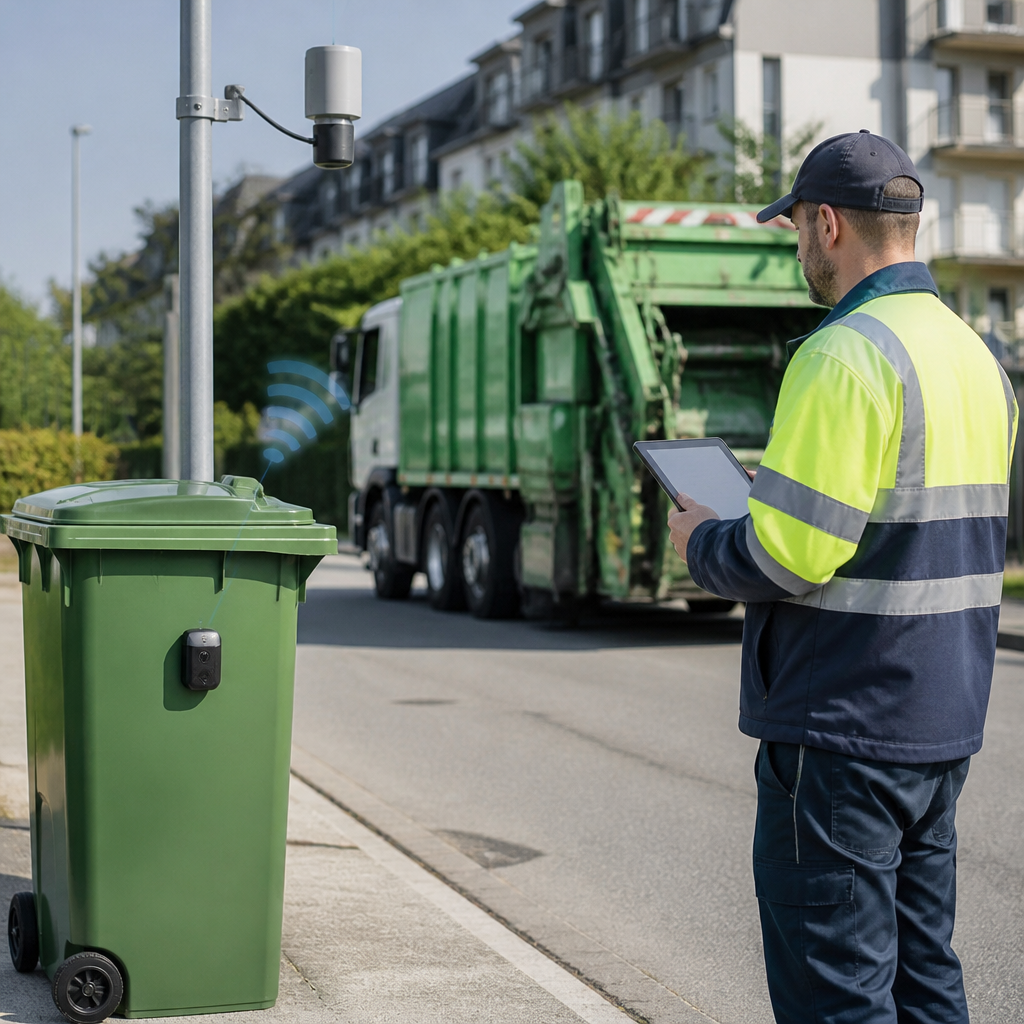
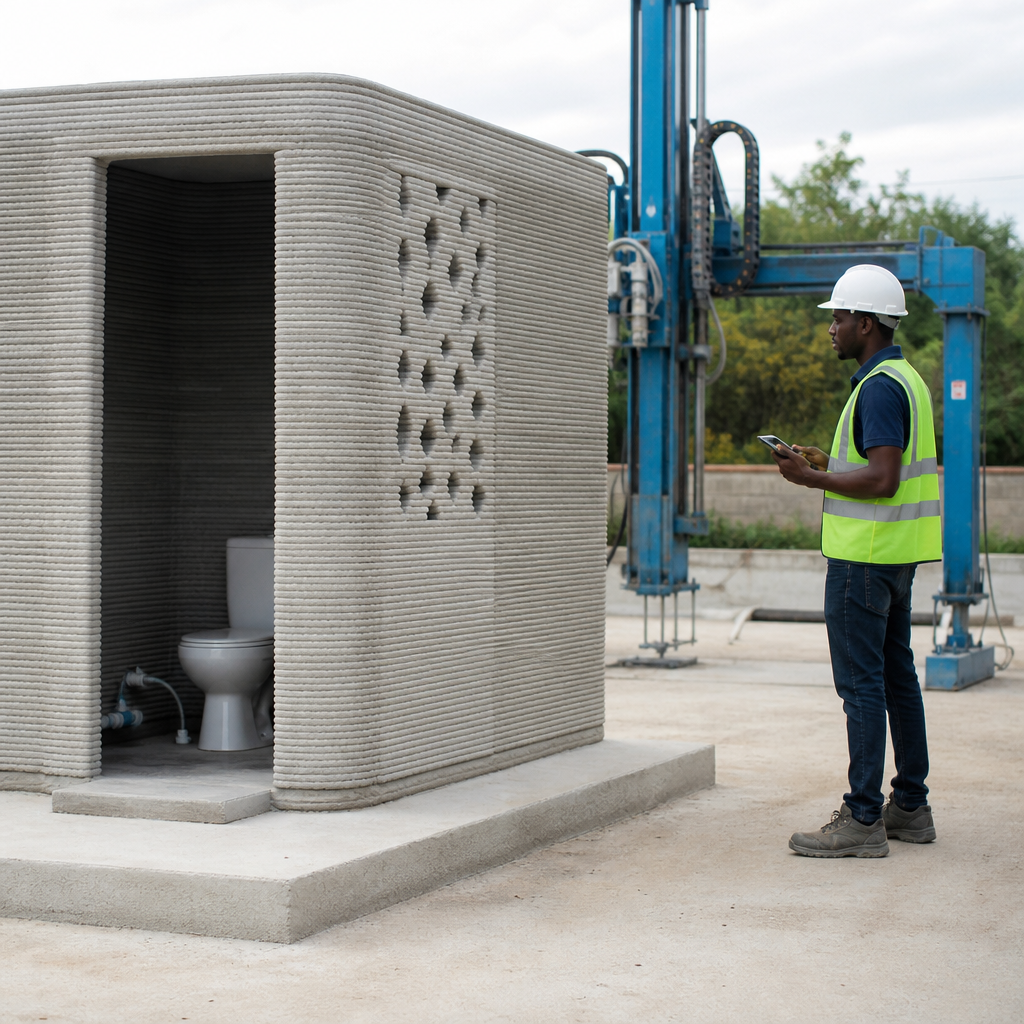
Blockchain creates the most value when it follows the actual sanitation workflow from asset deployment to resource recovery. During procurement and construction, each toilet, urine diversion pedestal, biodigester, pump, or treatment module can receive a digital asset identity tied to specifications, supplier details, warranty terms, inspection photos, and GPS coordinates. That reduces duplicate invoicing and simplifies lifecycle management. In operations, service events such as pit emptying, membrane replacement, chemical dosing, and laboratory sampling can be recorded in sequence. For container-based sanitation, every container exchange can be logged, creating accountability around collection frequency and route efficiency.
Resource recovery is another strong use case. EcoSan depends on turning waste into valuable outputs without losing safety controls. A blockchain ledger can document feedstock origin, processing steps, pathogen reduction evidence, nutrient analysis, and buyer transactions for products such as compost, biogas digestate, biochar, recovered phosphorus, or insect protein produced from organic residues. This matters commercially. Buyers pay more readily when product claims are traceable. It also matters for carbon and impact markets. If a project claims methane avoidance, nutrient recycling, or water savings, the supporting records can be linked to verified operational data rather than scattered reports.
| Sanitation stage | Typical transparency problem | Blockchain-supported record | Practical benefit |
|---|---|---|---|
| Procurement and construction | Duplicate billing, unclear asset ownership | Digital asset ID, contract milestone log, inspection approval | Cleaner audits and warranty tracking |
| Collection and transport | Missed pickups, illegal dumping, route disputes | Time stamp, GPS proof, disposal confirmation | Verified service delivery and safer disposal |
| Treatment and compliance | Weak laboratory traceability, altered reports | Sample chain of custody, hashed lab results, operator sign-off | Faster compliance review and stronger trust |
| Resource recovery and sales | Questionable product claims, revenue leakage | Batch history, nutrient tests, buyer transaction log | Better market confidence and revenue visibility |
Pairing blockchain with other cutting-edge EcoSan technologies
As a hub for exploring cutting-edge EcoSan technologies, this topic only makes sense when connected to the wider innovation stack. Blockchain is most effective when paired with Internet of Things sensors, mobile field apps, geospatial systems, and advanced treatment technologies. A urine-diverting dry toilet equipped with a fill-level sensor can trigger a maintenance event that is logged automatically. A decentralized anaerobic digester can feed runtime, temperature, and gas production data into dashboards, while the blockchain stores approved snapshots used for payment or performance verification. In nutrient recovery systems producing struvite, laboratory certificates and batch release approvals can be written to the ledger for traceability.
Digital twins and analytics platforms add another layer. Utilities and NGOs increasingly use dashboards built with tools such as Power BI, QGIS, KoboToolbox, ArcGIS, and mWater to monitor sanitation assets. Blockchain should not replace those systems; it should anchor the critical records behind them. Think of the analytics layer as the operational cockpit and the ledger as the audit spine. That distinction keeps deployments realistic. It also supports internal linking across a technology and research hub because readers can move from blockchain governance to sensor monitoring, decentralized treatment, nutrient recovery, and sanitation financing as connected topics rather than isolated trends.
Funding, donor accountability, and performance-based contracts
One of the clearest advantages of blockchain in sanitation projects is improved donor accountability. Funders want to know where capital went, whether outputs were delivered, and whether outcomes lasted beyond commissioning. Traditional reporting often relies on quarterly summaries and manually compiled evidence. That introduces delays and opportunities for error. With a ledger-backed system, milestone payments can be tied to independent confirmations. A contractor might receive the next tranche only after a local inspector signs off, the installation images are geotagged, and the community committee acknowledges handover. For output-based aid, smart contracts can link disbursements to verified numbers of functioning units or documented service events.
This structure is also useful for blended finance and public-private partnerships. Sanitation enterprises that collect user fees, sell soil amendments, and receive impact-linked payments need clean records to attract investors. When operational data, product sales, and maintenance compliance are easier to audit, financial risk falls. That does not eliminate commercial uncertainty, but it improves bankability. In my experience, investors respond less to futuristic claims than to disciplined reporting. A well-governed ledger can provide exactly that discipline.
Limits, risks, and implementation requirements
Blockchain is not a cure for weak management. If field staff enter false information, if sensors are poorly calibrated, or if governance rules are vague, the ledger will preserve bad data very efficiently. This is the core limitation every sanitation planner should understand. Data integrity still depends on training, supervision, device management, and verification procedures. Privacy is another concern. Household sanitation records, especially in informal settlements or schools, must comply with national data protection rules. Personal identifiers should be minimized, and role-based access should be standard practice.
Cost and complexity also matter. Small rural sanitation programs may gain more from strong mobile data collection and simpler audit processes than from deploying a blockchain network. Energy use, often criticized in relation to blockchain, is usually manageable in permissioned systems because they do not rely on the energy-intensive consensus models associated with some public cryptocurrencies. Even so, technology choice should follow need, not fashion. Successful implementation requires a clear governance model, defined data standards, interoperability with existing management systems, and agreement on who operates the network over time. Standards from ISO, W3C verifiable credentials concepts, and utility data practices can guide this work, but local institutional fit is decisive.
How to evaluate whether blockchain fits an EcoSan project
The best screening question is not whether blockchain is innovative. It is whether the project has a multi-party trust problem that ordinary databases cannot solve as well. If several organizations need shared visibility, if payment depends on verified events, if chain of custody is important, and if auditability affects funding or compliance, blockchain deserves consideration. Start by mapping the sanitation value chain, identifying the highest-risk transactions, and defining the minimum records that must be immutable. Then choose a pilot with clear value, such as desludging verification, construction milestone tracking, or nutrient product traceability.
Measure success with practical indicators: fewer invoice disputes, faster payment cycles, reduced report reconciliation time, improved service verification rates, and stronger compliance documentation. Keep the user experience simple. Field operators should interact through mobile forms or QR codes, not through complicated wallet interfaces. For organizations building a technology and research content hub, this is the key message: blockchain is not the headline innovation in EcoSan by itself. Its real value is enabling confidence across advanced systems that already depend on reliable data, coordinated actors, and verifiable outcomes.
Blockchain for transparency in sanitation projects deserves attention because it solves a specific and costly problem: fragmented trust across the sanitation value chain. In EcoSan systems, where waste becomes water, energy, and nutrient resources, documentation quality affects everything from community confidence to investor interest. A well-designed ledger can verify assets, track service delivery, strengthen compliance records, and support fair, performance-based payments. It works best when combined with sensors, mobile data collection, and robust governance, not when treated as a standalone fix.
For anyone exploring cutting-edge EcoSan technologies, blockchain should be understood as core digital infrastructure for accountability. It helps connect technical innovation with financing, regulation, maintenance, and market uptake for recovered products. The tradeoffs are real: privacy must be protected, data quality must be managed, and smaller projects may need simpler tools. But where many actors share responsibility and proof matters, blockchain can make sanitation programs more transparent, investable, and durable. Review your current EcoSan workflow, identify the places where trust breaks down, and start with one pilot that can be measured clearly and improved quickly.
Frequently Asked Questions
What does blockchain actually mean in sanitation projects?
In sanitation projects, blockchain refers to a shared digital record system that documents funding flows, procurement actions, construction milestones, maintenance updates, and service delivery events in a way that is time-stamped and difficult to change after the fact. Instead of relying on separate spreadsheets, emails, paper reports, and disconnected databases, project stakeholders can record important transactions and field activities on a common ledger that authorized participants can review. For EcoSan and other sanitation initiatives, this can include tracking toilet construction progress, documenting fecal sludge collection and treatment, recording nutrient recovery outputs, verifying hygiene infrastructure installation, and monitoring decentralized wastewater treatment performance.
The practical value is transparency. Donors, local governments, NGOs, contractors, operators, and community organizations often need a trustworthy view of what was funded, what was delivered, when it happened, and who confirmed it. Blockchain helps create that audit trail. It does not replace engineering oversight, social engagement, or field verification, but it can strengthen trust by making project records more consistent, traceable, and resistant to manipulation. In simple terms, it gives sanitation programs a more credible way to prove that money, materials, and services are moving as intended.
How can blockchain improve transparency and accountability in EcoSan programs?
Blockchain can improve transparency in EcoSan programs by creating a verifiable history of project decisions and results. When grants are disbursed, contracts are issued, toilets are built, sludge is transported, treatment batches are completed, or recovered nutrients are sold or redistributed, each of those actions can be logged as a transaction or event. Because entries are time-stamped and linked in sequence, it becomes easier to identify delays, missing documentation, budget mismatches, or unverified claims. This can reduce opportunities for duplicate reporting, invoice inflation, undocumented procurement changes, and weak monitoring practices.
Accountability improves because multiple parties can work from the same source of truth. For example, a donor may see when funds were released, a municipal department may confirm which facilities were commissioned, and a community-based organization may verify whether maintenance commitments were completed. If sensor data, geo-tagged images, inspection reports, or signed delivery confirmations are connected to the ledger, confidence in reported outcomes can increase even further. This is especially useful in sanitation, where projects often involve many actors across construction, operations, public health outreach, waste handling, and environmental compliance. Blockchain does not automatically guarantee honesty, but it creates a stronger framework for checking whether reported activities match actual implementation.
What kinds of sanitation activities can be tracked on a blockchain system?
A wide range of sanitation activities can be tracked on blockchain, depending on the project design and the level of digital maturity in the region. On the infrastructure side, it can record procurement of construction materials, contractor payments, toilet installation milestones, school or community handover dates, and warranty or repair records. For fecal sludge management, blockchain can document collection requests, vehicle dispatch, transport routes, tipping confirmations, treatment entry logs, and final processing outcomes. In decentralized wastewater treatment systems, it can log maintenance intervals, operating parameters, testing records, and compliance checks.
For circular sanitation and EcoSan models, blockchain can also support nutrient recovery and reuse chains. That means recording volumes of treated sludge, compost production, urine diversion outputs, biosolids testing, and distribution of recovered fertilizer products. Hygiene infrastructure and service components can be included as well, such as handwashing station installation, cleaning schedules, soap supply deliveries, and community training events. The most effective implementations focus on high-value data points that matter to funders, regulators, and users, rather than trying to record everything. Good system design is important so the blockchain supports real decision-making instead of becoming a burdensome reporting layer.
Are there limitations or risks to using blockchain for sanitation transparency?
Yes, and it is important to be realistic about them. Blockchain can strengthen record integrity, but it cannot guarantee that the original data entered is accurate. If a field worker uploads false information, or if a contractor submits misleading documentation, the system may preserve incorrect data very effectively. This is often described as the “garbage in, garbage out” problem. That is why blockchain works best when combined with strong verification methods such as third-party inspections, community validation, photo evidence, sensor data, and clear governance rules about who can enter, approve, and review records.
There are also operational and ethical concerns. Some sanitation projects work in low-connectivity areas where digital tools are difficult to use consistently. Staff may require training, and smaller organizations may face cost or capacity barriers. Privacy must also be protected, especially if household-level sanitation usage, location details, or health-related information could expose vulnerable populations. In addition, not every project needs blockchain. In some cases, a well-managed conventional database may be simpler and more cost-effective. The strongest case for blockchain usually appears where there are multiple independent stakeholders, a high need for auditability, recurring funding flows, and a history of trust gaps or fragmented reporting.
What does successful implementation of blockchain in sanitation projects look like?
Successful implementation starts with a clear problem to solve, not with the technology itself. The best sanitation blockchain projects identify specific transparency gaps such as unclear fund disbursement, weak contractor accountability, limited visibility into sludge transport, or poor traceability of recovered resources. From there, the system is designed around priority use cases, defined roles, and meaningful indicators. For example, a program might allow donors to view approved disbursements, local governments to verify milestone completion, operators to log service events, and auditors to review the full record history. The system should fit into existing sanitation workflows rather than forcing unrealistic reporting demands on field teams.
Successful projects also combine digital records with on-the-ground validation. Mobile data collection, QR-coded assets, GPS-tagged service logs, laboratory test results, IoT monitoring, and community feedback channels can all support stronger evidence for what is entered into the ledger. Governance is equally important: participants need clear rules for access, data ownership, dispute resolution, and correction procedures. In practice, success looks like faster verification, fewer reporting disputes, stronger donor confidence, more reliable contractor oversight, and better visibility into whether sanitation services are actually reaching people. When implemented thoughtfully, blockchain becomes a trust infrastructure layer that helps sanitation programs demonstrate integrity, improve management, and scale with greater confidence.