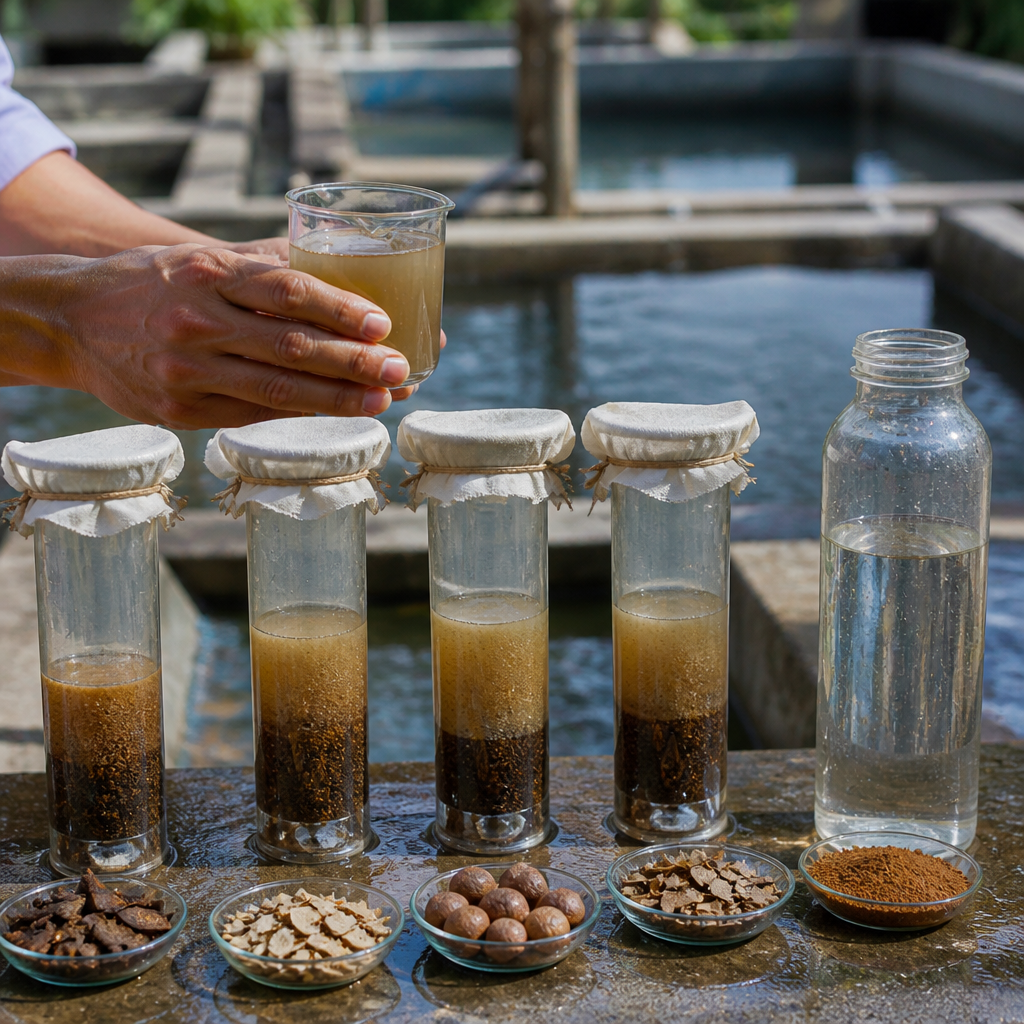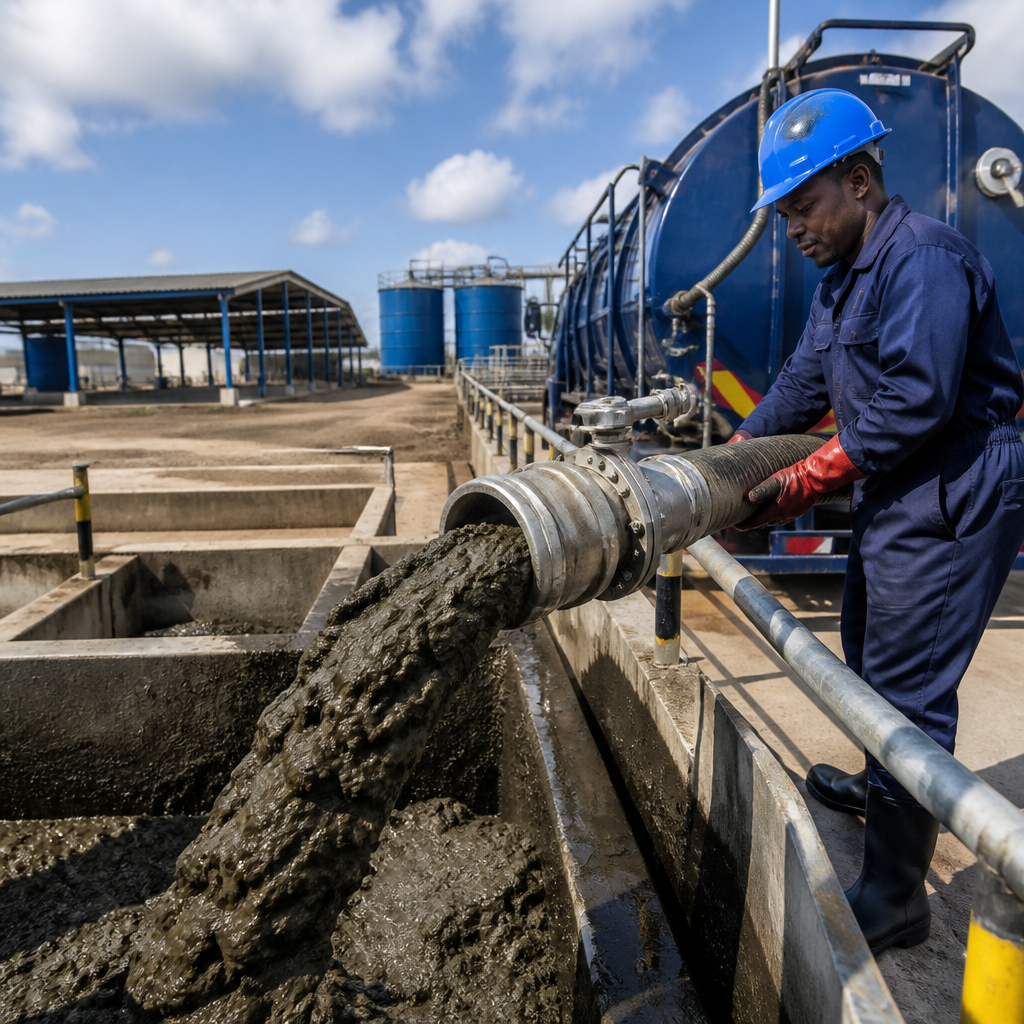
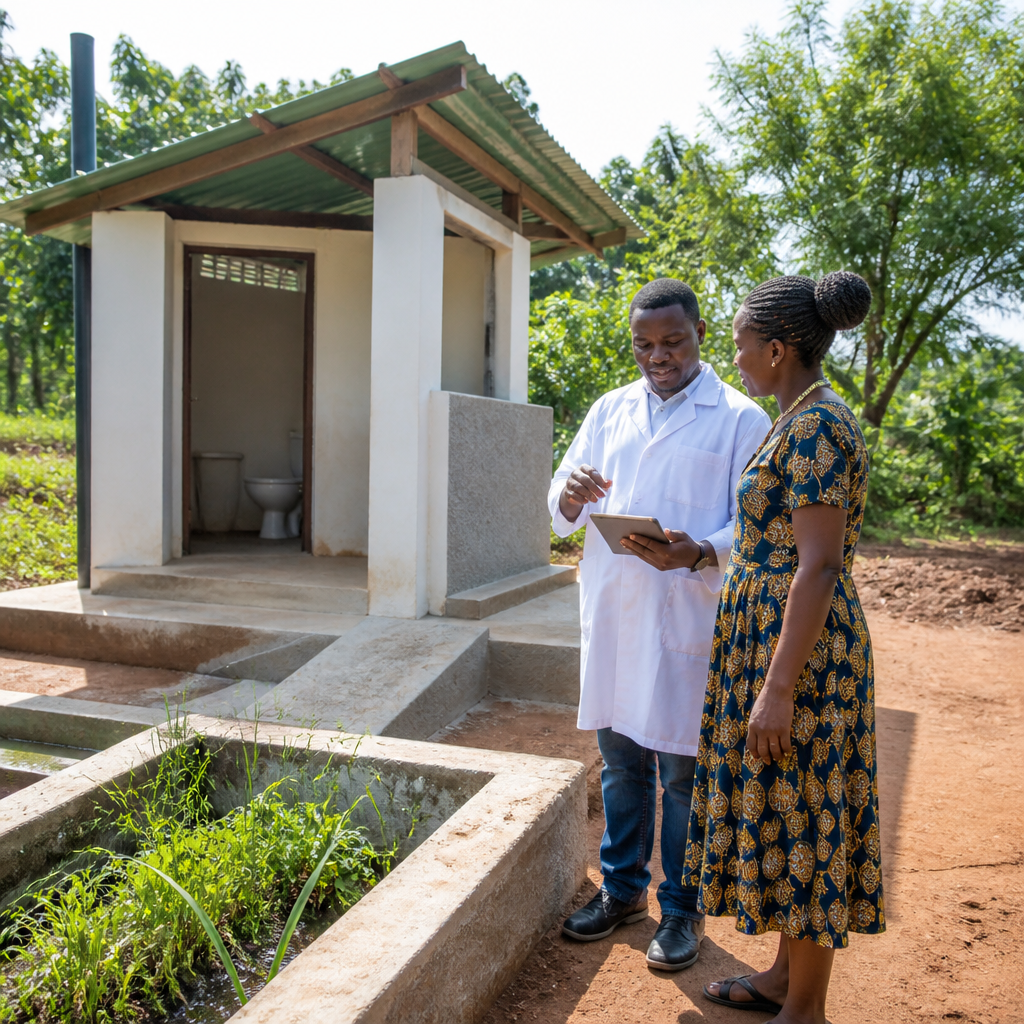
EcoSan and public health are now closely linked in sanitation research because ecological sanitation treats human waste as a resource, not only as a disposal problem, and that shift changes how communities manage disease risk, water stress, soil fertility, and infrastructure cost. In practice, EcoSan refers to sanitation systems designed to safely contain, treat, and reuse excreta and wastewater components, usually by separating urine and feces, conserving water, recovering nutrients, and reducing pollution loads. Public health, in this context, means preventing exposure to pathogens, toxic chemicals, and environmental contamination while improving the broader conditions that support healthy lives. I have worked with sanitation program teams reviewing field data from dry toilets, urine-diverting systems, and fecal sludge treatment pilots, and the same pattern appears repeatedly: when design, operation, and behavior change are aligned, EcoSan can deliver measurable health and environmental gains; when any one of those fails, risks persist. That is why recent research matters. Across Africa, Asia, and Latin America, studies are moving beyond simple coverage counts and examining pathogen die-off, user acceptance, nutrient recovery, antimicrobial resistance, greenhouse gas emissions, and service-chain reliability. This article serves as a hub for advancing research in sanitation by pulling those findings into one practical view. It explains what current evidence says, where EcoSan performs well, where it struggles, and which research questions now deserve priority for engineers, public health officials, utilities, municipalities, and funders.
What Recent Research Says About Health Protection
The central public health question is straightforward: does EcoSan reduce human exposure to disease-causing organisms? Recent research shows that it can, but not automatically. The strongest evidence comes from studies that measure the full sanitation chain, from user interface to storage, treatment, transport, and reuse. Urine-diverting dry toilets reduce water contact and can lower pathogen transfer through flood-prone sewer overflows, while dehydrating vaults and composting chambers can reduce viable helminth eggs, bacteria, and viruses over time if moisture, temperature, pH, and storage duration are properly controlled. The World Health Organization sanitation safety planning approach remains the most useful framework because it focuses on hazard identification and exposure barriers rather than assumptions about a technology label. In plain terms, a toilet called ecological is not automatically safe; safety comes from validated treatment and consistent operation.
One major insight from recent field studies is that fecal pathogen inactivation varies widely by climate and user practice. Ascaris eggs, often treated as the benchmark organism because they are hard to destroy, can survive for months in cool or wet conditions. That means vault emptying schedules based on theory rather than local monitoring can create exposure risk for workers and farmers. By contrast, source-separated urine generally contains far fewer fecal pathogens, and storage can make it suitable for agricultural reuse under controlled conditions, especially when cross-contamination is minimized. Researchers have also emphasized that hand hygiene stations, safe emptying tools, and protective equipment matter as much as the treatment chamber itself. In several program evaluations, health protection improved most where EcoSan systems were introduced alongside hygiene promotion and maintenance services, not as stand-alone hardware.
Pathogens, Antimicrobial Resistance, and Emerging Exposure Risks
Sanitation research now examines more than diarrhea outcomes. Investigators are tracking antimicrobial resistance genes, pharmaceutical residues, heavy metals, and microplastics in sanitation streams, and EcoSan is increasingly judged on its ability to manage these hazards before reuse. This matters because waste reuse can transfer not only nutrients but also unwanted contaminants into soils, crops, water bodies, and occupational settings. Evidence to date suggests that source separation improves risk management because it creates cleaner nutrient streams and makes treatment more targeted. Urine is typically rich in nitrogen, phosphorus, and potassium, while feces carry most enteric pathogens. Separating them allows each stream to be handled with methods matched to its risk profile.
Antimicrobial resistance is a particularly important research frontier. Studies using molecular methods such as quantitative PCR and metagenomic sequencing have found resistance genes in fecal sludge, composted excreta, and wastewater-derived fertilizers. Treatment processes can reduce these markers, but performance differs by temperature, retention time, aeration, pH, and solar drying conditions. A simple lesson has emerged from pilot projects: partial treatment is not enough when material is destined for food production. Researchers are therefore validating multi-barrier approaches that combine storage, alkaline treatment, thermophilic composting, and crop restrictions. Public health agencies should pay attention to this work because resistance control is no longer only a hospital issue; community sanitation systems influence the environmental spread of resistance determinants as well.
Nutrient Recovery, Agriculture, and the Circular Economy
A major reason EcoSan has gained research attention is its ability to recover nutrients that conventional sanitation often wastes. Human urine contains most of the nitrogen and a substantial share of the phosphorus excreted by households. When safely collected and treated, it can substitute for a portion of synthetic fertilizer demand, which is significant given volatile fertilizer prices and the finite nature of phosphate rock reserves. Field trials in countries including Sweden, South Africa, Nepal, and Uganda have shown positive yield responses when stored urine is applied at agronomic rates to cereals, vegetables, and forage crops. Feces, after effective treatment, can add organic matter that supports soil structure and water retention.
Recent research has become more precise about where nutrient recovery works best. It is most viable where farmers can use recovered products close to the point of generation, transport costs are manageable, and social acceptance is addressed directly. It is less viable where collection logistics are weak or where contamination undermines market confidence. Researchers are also comparing direct reuse with products such as struvite, ammonium sulfate, and sanitized compost pellets. These products can be easier to store, transport, and regulate than raw or semi-processed materials. From a public health perspective, the key point is that reuse only becomes a benefit when treatment and quality assurance are robust enough to protect users, workers, and consumers.
Technology Options and Performance Tradeoffs
EcoSan is not one technology. It includes urine-diverting dry toilets, composting toilets, container-based sanitation with resource recovery, black soldier fly bioconversion linked to fecal sludge treatment, decentralized wastewater treatment, and nutrient extraction from source-separated streams. Each option carries distinct public health implications. Dry systems conserve water and can work in areas with rocky ground, water scarcity, or weak sewer infrastructure, but they require disciplined use and routine management. Wet systems and decentralized treatment can handle larger flows and fit institutional settings, yet they need energy, operator skill, and sludge management capacity. The right choice depends on settlement density, groundwater vulnerability, climate, reuse demand, and local service models.
| EcoSan option | Main public health advantage | Primary operational risk | Best-fit context |
|---|---|---|---|
| Urine-diverting dry toilet | Limits water contamination and enables nutrient separation | User error, moisture intrusion, unsafe vault emptying | Water-scarce or off-grid households |
| Composting toilet | Potential pathogen reduction and soil amendment production | Insufficient temperature, odor, poor carbon balance | Rural homes, eco-lodges, low-density sites |
| Container-based sanitation | Safe removal from dense informal settlements | Collection failures and downstream treatment gaps | High-density urban areas without sewers |
| Decentralized nutrient recovery | Produces standardized fertilizer products | Higher capital and operator requirements | Institutions, campuses, peri-urban clusters |
Performance data increasingly show that service models matter more than hardware branding. A urine-diverting toilet with no spare parts, no user instruction, and no emptying plan will underperform a simpler system with accountable maintenance. Researchers studying long-term adoption repeatedly find that convenience, cleanliness, smell control, and privacy strongly predict sustained use. That is why the most credible sanitation innovation programs now integrate engineering with behavioral science, occupational safety, and local business models.
Urban Systems, Climate Pressure, and Service-Chain Research
Another major theme in advancing research in sanitation is the move from household devices to system performance. Urban public health risks rarely come from a toilet alone; they come from breaks in the chain. EcoSan researchers now study collection routes, transfer stations, treatment hubs, fertilizer markets, digital monitoring, and municipal regulation as connected parts of one service. This shift is essential in informal settlements, where flood exposure, shallow groundwater, and constrained space can make pit latrines and failing septic systems dangerous. Container-based sanitation and neighborhood-scale treatment with resource recovery have attracted attention because they can offer safer containment in dense areas while avoiding expensive sewer expansion.
Climate change strengthens the case for this research. Drought increases the value of water-saving sanitation, while flooding raises the stakes of keeping excreta out of living environments and waterways. Life-cycle assessment studies also suggest that some EcoSan systems can reduce greenhouse gas emissions compared with conventional alternatives, especially when they avoid energy-intensive fertilizer production and reduce methane from unmanaged sludge. But those gains are not universal. Transport distances, treatment energy, material durability, and product substitution rates all affect net impact. Good research therefore combines public health metrics with environmental accounting instead of treating sustainability as a vague claim.
Social Acceptance, Equity, and Behavior Change Evidence
Recent studies consistently show that public health outcomes depend on whether people accept and correctly use EcoSan systems. Households may appreciate lower water bills or fertilizer value yet still reject a toilet if it is difficult to clean, culturally unfamiliar, or perceived as unsafe. This is not a minor side issue. Misuse of urine-diversion pans, addition of excess wash water, and irregular covering of feces can undermine pathogen reduction and create odor problems that drive abandonment. Programs that succeed usually invest in co-design, demonstration sites, follow-up visits, and clear maintenance protocols.
Equity is another research priority. Women, children, older adults, and people with disabilities experience sanitation systems differently. Menstrual hygiene management, nighttime safety, accessibility, and the physical effort required for maintenance all influence whether a system protects health in real life. Researchers are also paying closer attention to sanitation workers, who face some of the highest exposure risks in the chain. Protective equipment, mechanized emptying, vaccination, and formal labor arrangements are public health interventions, not optional extras. When EcoSan programs value worker safety and user dignity from the start, adoption and trust improve.
Where Research Is Heading Next
The next phase of EcoSan and public health research is becoming more quantitative, more interdisciplinary, and more implementation-focused. Expect stronger use of microbial risk assessment, pathogen viability testing, sensor-based performance monitoring, and randomized or quasi-experimental comparisons of service models. Researchers are also improving standards for treated products so regulators and buyers can trust nutrient recovery outputs. Named tools already shaping this work include sanitation safety planning, life-cycle assessment, hazard analysis principles, and geospatial mapping of exposure hotspots. These approaches help municipalities decide not only whether EcoSan can work, but exactly where, for whom, and under what management conditions.
For a sub-pillar hub on advancing research in sanitation, the practical takeaway is clear. The best current evidence does not support one universal sanitation technology. It supports a risk-based, context-specific approach in which EcoSan is a strong option when systems are designed for local climate, monitored for treatment performance, supported by reliable services, and connected to safe reuse or disposal pathways. Researchers, utilities, nongovernmental organizations, and public health agencies should focus next on long-term field validation, product quality standards, financing for maintenance, and worker-safe collection models. If you are building out your sanitation research agenda, start with the questions highlighted here and map them to local health risks, agricultural demand, and service capacity. That is how EcoSan moves from promising concept to dependable public health infrastructure.
Frequently Asked Questions
1. What is EcoSan, and why is it becoming more important in public health research?
Ecological sanitation, often shortened to EcoSan, is an approach to sanitation that treats human waste as a manageable resource rather than only as material to be discarded. Instead of relying exclusively on water-intensive sewer systems that mix everything together, EcoSan systems are typically designed to separate urine and feces, contain them safely, support treatment processes, and enable the recovery of nutrients, organic matter, and in some cases water. This matters for public health because the way a community handles excreta directly affects exposure to pathogens, contamination of drinking water, vector breeding, environmental quality, and the overall burden of diarrheal and enteric disease.
Recent research has made EcoSan more relevant because public health challenges are increasingly interconnected. Water scarcity, rapid urbanization, informal settlement growth, failing sanitation infrastructure, antimicrobial resistance concerns, and climate-related stress on public services are all reshaping how sanitation is evaluated. Researchers now look beyond simple waste disposal and ask broader questions: Does a sanitation system reduce human contact with pathogens? Does it protect groundwater? Can it function where water is limited? Can it be maintained affordably over time? Can it improve agricultural productivity without creating new health risks?
EcoSan enters this conversation because it offers a systems-based model. By reducing dependence on flush water, limiting contamination pathways, and recovering nutrients that would otherwise be lost, EcoSan can support both environmental health and community resilience. Public health researchers are especially interested in whether properly managed EcoSan systems can lower disease risk while also improving soil fertility, reducing fertilizer costs, and making sanitation services more feasible in underserved areas. In short, EcoSan is gaining attention not because it is a single universal solution, but because it addresses sanitation, health, resource recovery, and sustainability in one integrated framework.
2. How does EcoSan affect disease prevention and community health outcomes?
EcoSan affects disease prevention by interrupting the routes through which pathogens move from human waste into people, food, water, and living environments. In conventional poorly managed sanitation settings, untreated or partially contained excreta can contaminate surface water, groundwater, household surroundings, and crops. This creates well-known fecal-oral transmission pathways that contribute to diarrheal disease, intestinal parasites, cholera outbreaks, typhoid transmission, and other serious health problems. EcoSan systems are designed to reduce these exposures through source separation, containment, treatment, and controlled reuse.
The public health benefit depends heavily on proper design and operation. When urine and feces are separated, it becomes easier to manage each stream according to its risk profile. Urine is typically much lower in pathogens than feces and can often be stored and reused more safely under controlled conditions. Fecal matter, which poses the greater infectious risk, can be isolated, dehydrated, composted, or otherwise treated before any reuse is considered. Research increasingly shows that the health value of EcoSan lies not only in the hardware itself, but in the full chain of management: user behavior, storage duration, treatment conditions, emptying practices, transport safety, and agricultural application standards.
Community health outcomes can improve when EcoSan systems are accepted and consistently maintained. Benefits may include less open defecation, lower contamination of local water sources, fewer stagnant wastewater problems, and reduced contact with untreated excreta. In areas where sewer expansion is unrealistic or too costly, EcoSan can provide a safer alternative than unimproved pits or direct environmental discharge. However, research also cautions that poorly managed reuse can reverse these gains. If treatment is inadequate or protective practices are ignored, communities may remain exposed to pathogens through handling or food production. That is why recent studies emphasize risk management, user education, monitoring, and locally appropriate treatment standards as essential public health safeguards.
3. What do recent studies say about EcoSan, water conservation, and environmental health?
Recent studies frequently identify water conservation as one of EcoSan’s strongest public health and environmental advantages. Many conventional sanitation systems depend on substantial volumes of clean water to transport waste, which can be difficult to justify in regions facing water stress, drought, intermittent service, or high infrastructure costs. EcoSan systems, especially dry or low-water designs, reduce that demand significantly. This can ease pressure on household water use, municipal supply systems, and groundwater resources while also expanding sanitation access in places where flush-based solutions are impractical.
From an environmental health perspective, the research is equally important. When sanitation systems leak, overflow, or discharge untreated waste, they can pollute rivers, aquifers, and coastal ecosystems. That pollution affects not only ecosystems but also drinking water safety, food systems, and disease exposure. EcoSan seeks to reduce these risks by containing waste more deliberately and by preventing the unnecessary dilution of nutrient-rich excreta into large wastewater streams that are harder and more expensive to treat. Researchers often point out that once urine and feces are mixed with large volumes of water, nutrient recovery becomes less efficient and sanitation treatment becomes more infrastructure-dependent.
There is also growing interest in EcoSan as part of climate and circular economy strategies. Nutrient recovery can reduce dependence on synthetic fertilizers, whose production can be energy-intensive and vulnerable to global price shocks. Reusing treated sanitation outputs in agriculture may support soil structure and crop productivity when managed safely. At the same time, environmental health researchers stress that these gains are conditional. Systems must prevent odor, insect attraction, seepage, and unsafe handling. The emerging consensus is that EcoSan can contribute meaningfully to water security and environmental protection, but only when the entire sanitation chain is managed to high operational and health standards.
4. Is it safe to reuse nutrients from human waste in EcoSan systems?
Yes, nutrient reuse can be safe, but only when it is handled within a strict health protection framework. This is one of the most closely studied and most misunderstood parts of EcoSan. The idea is not to apply fresh human waste directly to fields. The goal is to recover valuable nutrients such as nitrogen, phosphorus, and potassium after appropriate containment, storage, treatment, and risk reduction steps. Human excreta contains nutrients that crops need, which is why researchers and practitioners see strong potential for agricultural reuse, especially in places where fertilizer is expensive or inaccessible.
Safety depends on understanding that different waste streams carry different hazards. Urine generally contains most of the recoverable nutrients and is usually much lower in pathogens than feces, although it still requires careful management. Feces carry the primary pathogen burden and therefore require more rigorous treatment before reuse. Depending on the system, treatment may involve dehydration, extended storage, composting, alkaline treatment, or other approved methods designed to reduce bacteria, viruses, protozoa, and helminth eggs. Recent research emphasizes that time, temperature, moisture control, pH, and handling protocols all matter greatly in determining whether reuse is safe.
Public health authorities and sanitation researchers increasingly recommend a multiple-barrier approach. That means safety should not rely on a single step alone. Instead, risk is reduced through several layers: safe toilet design, proper collection, sufficient treatment time, personal protective equipment for handlers, hygienic transport, controlled field application, crop restrictions where needed, and handwashing and food safety measures. This is especially important when crops are eaten raw or when vulnerable populations are involved. So the short answer is that reuse can be safe and beneficial, but only under disciplined management and clear guidelines. Recent research supports reuse as a promising strategy, while also making it clear that public health protections must come first.
5. What are the main challenges to scaling EcoSan, despite its public health potential?
Although EcoSan has strong potential, scaling it is not just a technical issue. One of the biggest challenges is that sanitation systems succeed or fail through daily human behavior, local institutions, financing, and long-term maintenance. A well-designed EcoSan toilet can still underperform if users are not trained in source separation, if collection schedules are irregular, if treatment areas are poorly managed, or if there is no trusted system for the safe reuse or disposal of outputs. Public health research increasingly shows that implementation quality is just as important as engineering design.
Social acceptance is another major factor. In some communities, the idea of handling or reusing products derived from human waste can face cultural resistance, understandable stigma, or concerns about odor and cleanliness. These concerns should not be dismissed, because they influence whether households use systems correctly and consistently. Programs that succeed usually involve community engagement, clear health messaging, user-centered design, and practical demonstrations of safety and value. Where people see improvements in convenience, water savings, cost, or agricultural productivity, acceptance tends to improve.
There are also institutional and regulatory barriers. Many sanitation policies were written around sewered systems or conventional on-site systems and may not clearly support nutrient recovery models. In addition, local governments may lack standards for treatment verification, transport safety, or agricultural reuse. Financing can be another obstacle because EcoSan may require upfront investment in training, containers, collection systems, or decentralized treatment arrangements, even if it reduces long-term water and infrastructure costs. Recent research therefore frames EcoSan as a governance challenge as much as a sanitation innovation. To scale successfully, communities need supportive policy, practical technical standards, monitoring, supply chains for maintenance, and health-focused oversight. When those elements are in place, EcoSan can move from a niche concept to a realistic public health strategy.