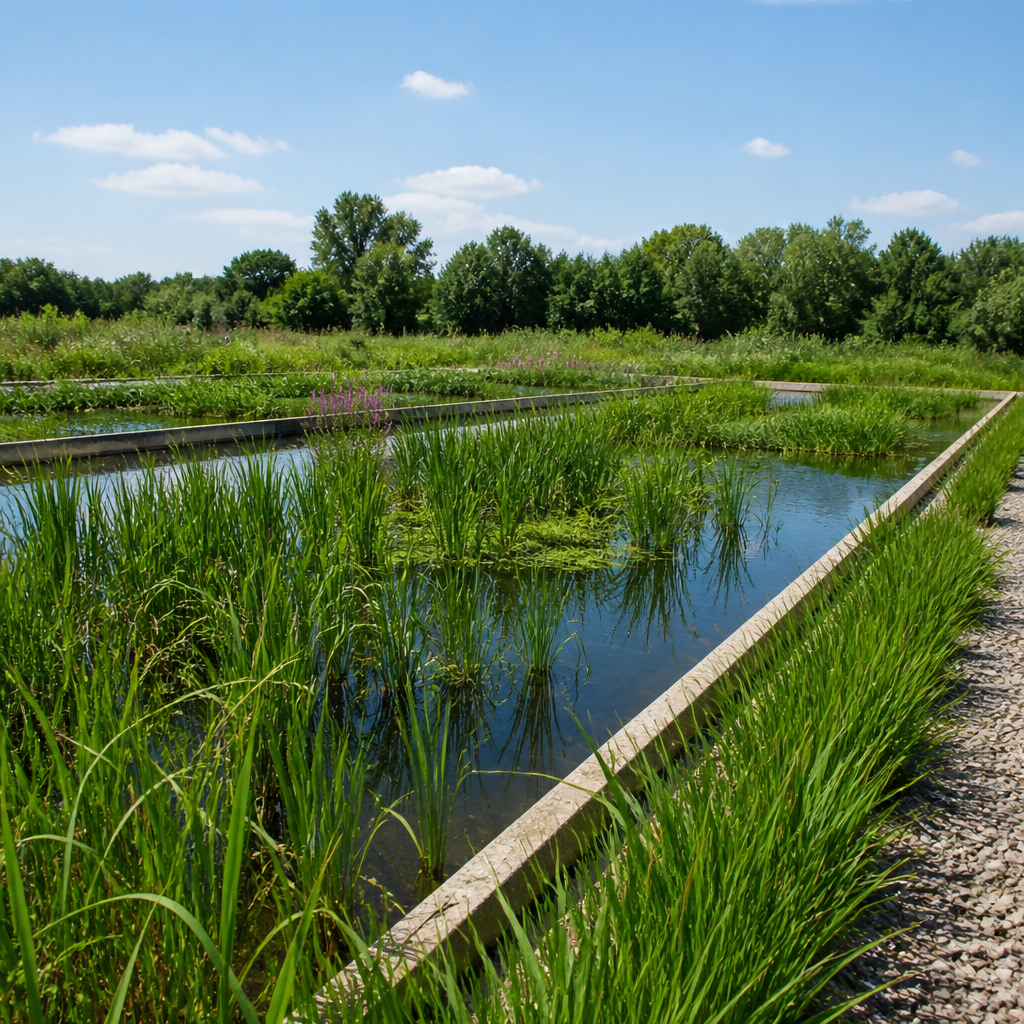
Wastewater treatment using constructed wetlands has moved from a niche ecological idea to a practical sanitation strategy because it combines engineered treatment performance with the self-organizing functions of wetland plants, microbes, soils, and water flow. A constructed wetland is a deliberately designed system that mimics natural wetland processes to remove contaminants from domestic sewage, graywater, stormwater, septage effluent, agricultural runoff, or selected industrial streams. In sanitation work, the term usually refers to lined basins filled with gravel, sand, or soil and planted with emergent vegetation such as Phragmites australis, Typha latifolia, Schoenoplectus, or local equivalents. Wastewater passes through the system, and pollutants are reduced through sedimentation, filtration, adsorption, plant uptake, microbial degradation, nitrification, denitrification, and pathogen die-off. The result is not magic or passive landscaping. It is a treatment train that requires hydraulic design, loading control, monitoring, and maintenance.
This topic matters because sanitation systems are under pressure from urban growth, climate variability, energy costs, nutrient pollution, and the persistent gap between laboratory innovation and field performance. I have seen small plants fail because operators inherited mechanical systems they could not maintain, while simple wetland cells kept meeting discharge goals with modest inputs. That does not mean wetlands replace every technology. It means they deserve a central place in advancing research in sanitation, especially where reliability, lifecycle cost, and resilience matter as much as peak removal rates. As a hub topic, constructed wetlands connect multiple research directions: decentralized treatment, nutrient recovery, antimicrobial resistance, digital monitoring, nature-based climate adaptation, sludge management, and reuse in agriculture or landscaping. Understanding how these systems work is essential for planners, utilities, researchers, and development practitioners who need treatment solutions that are effective, affordable, and adaptable.
How constructed wetlands treat wastewater
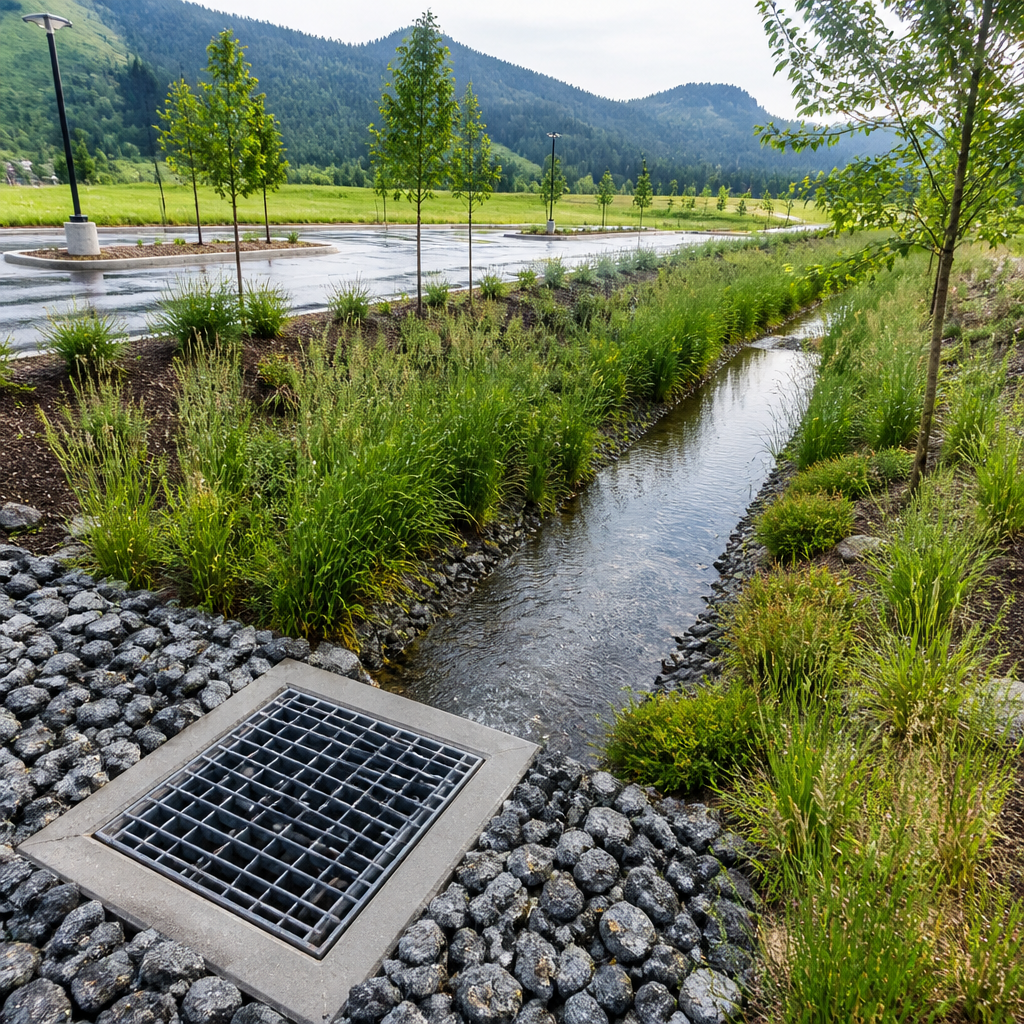
Constructed wetlands treat wastewater by slowing it down, spreading it through reactive media, and creating biological zones where different transformations occur. In horizontal subsurface flow wetlands, water moves laterally through gravel below the surface, which limits odor and mosquito breeding while supporting anoxic and anaerobic conditions useful for organic matter removal and denitrification. In vertical flow wetlands, wastewater is dosed intermittently onto the surface and percolates downward, drawing oxygen into the bed between loading cycles. That oxygen transfer improves nitrification and biochemical oxygen demand removal. Free water surface wetlands, by contrast, resemble shallow marshes with exposed water and are often used for polishing, habitat creation, or stormwater treatment.
The main pollutants targeted in sanitation are suspended solids, biodegradable organics measured as BOD or COD, nitrogen, phosphorus, pathogens, and sometimes trace organics. Solids settle or are filtered physically. Dissolved organic carbon is metabolized by heterotrophic bacteria attached to media and plant roots. Ammonium can be oxidized to nitrate in oxygen-rich zones, then reduced to nitrogen gas in low-oxygen zones if a carbon source is available. Phosphorus is more difficult. It may sorb onto iron, aluminum, or calcium-rich media, but capacity declines over time, which is why research now focuses on reactive substrates such as slag, zeolite, or engineered media. Pathogen reduction comes from filtration, predation, natural die-off, sunlight in open systems, and long retention time, though wetlands alone may not always achieve stringent reuse standards without additional disinfection.
Performance depends on hydraulic retention time, temperature, influent strength, media selection, vegetation, and hydraulic loading rate. A well-designed hybrid system often outperforms a single cell. For example, a septic tank followed by a vertical flow wetland and then a horizontal polishing cell can consistently reduce BOD, total suspended solids, and ammonium in domestic wastewater. In Europe, vertical flow reed beds have been used for small municipalities for decades, while in East Africa and India, hybrid wetlands are being tested for institutional campuses, schools, and peri-urban housing where sewer expansion is slow. The lesson from practice is straightforward: wetlands work best when matched to the wastewater characteristics and integrated into a broader treatment sequence.
Types of constructed wetlands and where each fits
The first design decision is choosing the wetland configuration. Surface flow wetlands are easiest to visualize and can deliver strong ecological co-benefits, but they require more land and provide less control over human contact. Subsurface systems are usually preferred for domestic sanitation because water remains below the media surface, reducing odors and vector exposure. Horizontal subsurface flow wetlands are robust and simple, yet they can struggle with full nitrification because oxygen transfer is limited. Vertical flow wetlands address that limitation and are often selected when ammonium removal is a regulatory priority. Tidal flow and reciprocating systems push oxygen transfer further, though they need valves, timers, or pumps and therefore greater operational discipline.
Hybrid wetlands combine strengths. A common arrangement is primary settling, vertical flow nitrification, horizontal flow denitrification, and final polishing. This sequence handles fluctuating influent better than a single unit and is increasingly used in research projects assessing water reuse. Another important variant is the intensified or aerated wetland. By adding low-energy aeration, engineers can increase oxygen availability, improve nitrogen removal, and reduce footprint. The tradeoff is higher energy use and more electromechanical components. In my experience, that tradeoff is justified for constrained sites or colder climates, but not always for remote settlements where maintenance capacity is thin.
| Wetland type | Main strengths | Main limitations | Best-fit applications |
|---|---|---|---|
| Free water surface | Habitat value, polishing, stormwater storage | Larger area, mosquito risk, exposed water | Polishing ponds, parks, stormwater systems |
| Horizontal subsurface flow | Simple operation, low odor, reliable BOD removal | Lower oxygen transfer, weaker nitrification | Small communities, septic effluent polishing |
| Vertical flow | Better aeration, strong ammonium and BOD removal | Requires dosing control, clogging risk if pretreatment is weak | Municipal clusters, institutions, hybrid systems |
| Hybrid wetland | Balanced nutrient removal, flexible design | More components, more design complexity | Reuse schemes, stricter discharge standards |
| Aerated or intensified wetland | Smaller footprint, improved nitrogen treatment | Energy demand, higher O&M needs | Land-limited sites, retrofits, colder regions |
Research frontiers in sanitation and wetland innovation
Advancing research in sanitation now means moving beyond simple removal percentages and asking harder questions about resilience, public health, and circular resource use. One active area is pathogen and antimicrobial resistance control. Wetlands can reduce fecal indicator bacteria substantially, but researchers are now tracking viruses, helminth eggs, antibiotic residues, and antibiotic resistance genes. The evidence shows that removal is variable and strongly influenced by hydraulic short-circuiting, solids carryover, and season. That has pushed better pretreatment, longer retention, and multi-barrier reuse frameworks into the conversation.
Another major research area is nutrient management. Conventional wetlands can remove nitrogen effectively when redox conditions are staged, but phosphorus remains a design challenge. Current studies test steel slag, alum sludge, biochar, calcite, and lightweight aggregate as reactive media. Some projects also regenerate or replace phosphorus-saturated media and examine whether recovered phosphorus can re-enter agriculture safely. This matters because sanitation is no longer judged only by pollution control. It is increasingly judged by whether it can support water reuse and nutrient cycling without creating secondary contamination.
Digital monitoring is also changing the field. Low-cost sensors for water level, conductivity, dissolved oxygen, oxidation-reduction potential, and temperature make it easier to detect clogging, overloaded dosing, or dead zones before effluent quality declines. Coupled with remote data loggers, utilities can supervise decentralized wetlands across a region instead of relying only on periodic grab samples. Researchers are also using tracer studies, computational fluid dynamics, and machine learning to understand hydraulics and optimize dosing frequency. These methods are especially useful because poor hydraulics, not weak biology, often explain underperforming systems.
Climate adaptation is a fourth frontier. Constructed wetlands buffer hydraulic shocks, support flood management, and can reduce treatment energy demand compared with activated sludge. At the same time, they are affected by drought, salinity intrusion, and intense rainfall. Research therefore focuses on evapotranspiration, carbon balances, methane emissions, and plant community shifts under changing climate conditions. This is where sanitation research becomes interdisciplinary. Engineers, ecologists, microbiologists, and public health specialists need to work together, because treatment performance, greenhouse gases, biodiversity, and human exposure are all connected in one infrastructure system.
Design, operation, and maintenance lessons from field practice
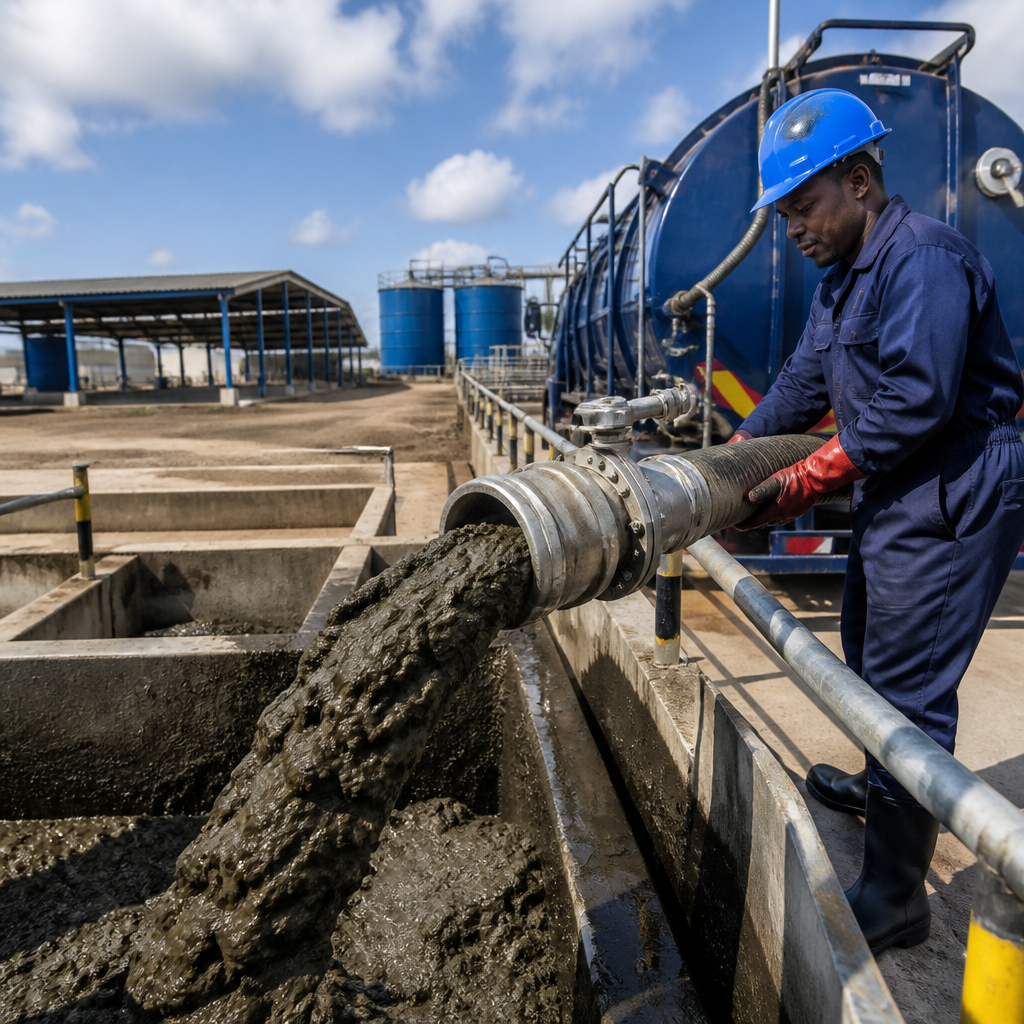
Successful wetlands begin with pretreatment. Septic tanks, Imhoff tanks, settlers, or anaerobic baffled reactors remove gross solids and protect the media from clogging. Skipping or undersizing pretreatment is one of the most common causes of failure. After pretreatment, hydraulic loading and distribution become critical. Uniform inlet manifolds, level beds, proper underdrains, and accessible control chambers determine whether water actually uses the whole bed. I have inspected wetlands that looked healthy from the surface but had severe short-circuiting because the inlet trench had settled and flow was bypassing half the media.
Media specification deserves equal attention. Gravel must be washed, correctly graded, and resistant to breakdown. Fine material increases clogging risk. Planting should favor species proven locally, not just species popular in imported drawings. Establishment irrigation, weed control, and protection from grazing are often overlooked in budgets. Once the system is running, maintenance is simple but not optional: desludging pretreatment units, clearing distribution pipes, cutting vegetation when appropriate, checking liners, managing invasive growth, and documenting effluent trends. A wetland is low-maintenance, not no-maintenance.
Land requirement is the issue most often raised by decision-makers. It is a real constraint, especially in dense urban areas, but it should be evaluated against total lifecycle cost, energy use, staffing, and outage risk. For small towns, tourist lodges, schools, and health facilities, land is frequently available at the urban edge or within institutional compounds. In those cases, wetlands can beat packaged plants that depend on uninterrupted power and specialized spare parts. Where land is scarce, intensified hybrids or rooftop and modular wetland concepts are emerging, though they are still more specialized than standard ground-based systems.
Policy, standards, and the role of wetlands in future sanitation systems
Constructed wetlands fit best when policy recognizes decentralized and nature-based treatment as legitimate infrastructure rather than temporary substitutes. International guidance from the World Health Organization on safe wastewater reuse, along with national discharge and reuse standards, provides the framework for risk-based design. In Europe, long-term operational experience has informed design rules for vertical flow and hybrid reed bed systems. In the United States, state-level manuals often guide wetland sizing and permitting. Across low- and middle-income countries, standards are improving, but enforcement and operator training remain uneven. Research hubs should therefore connect technical performance with governance, financing, and capacity building.
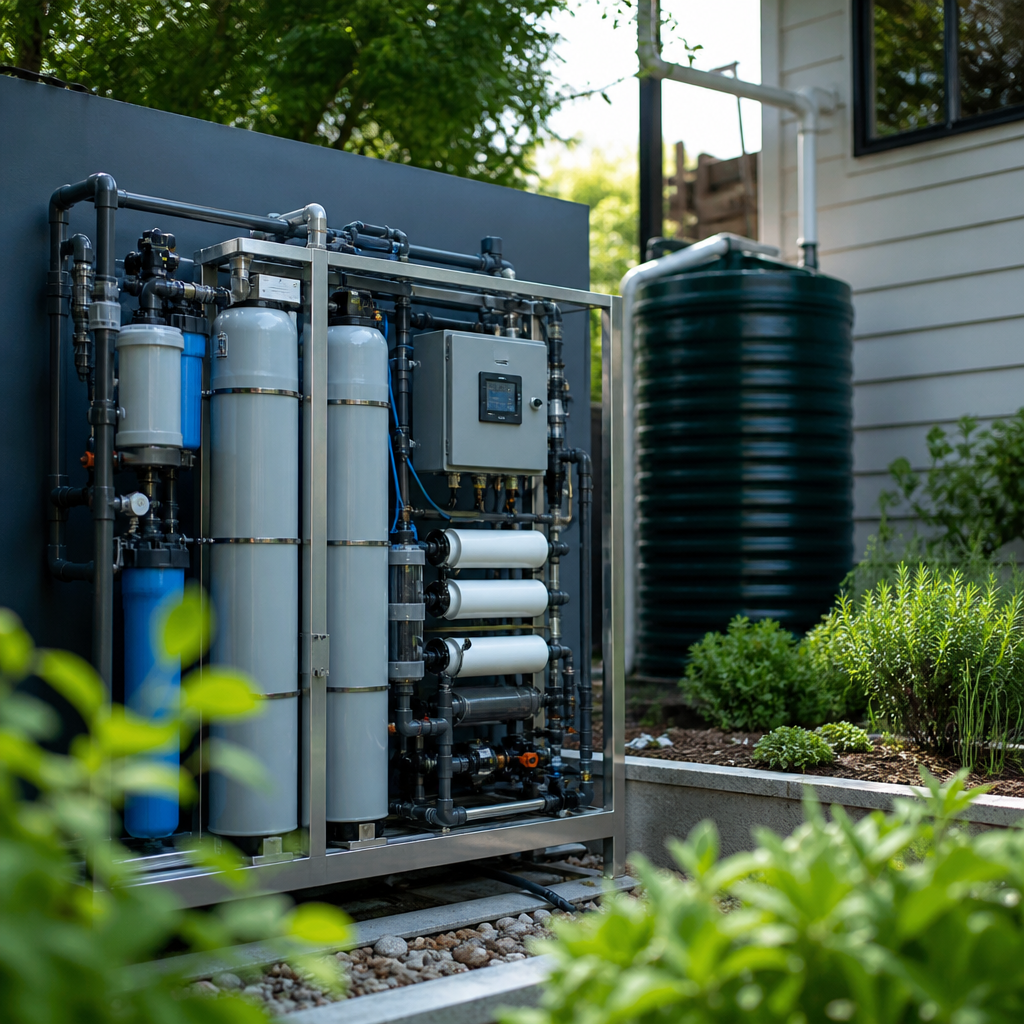
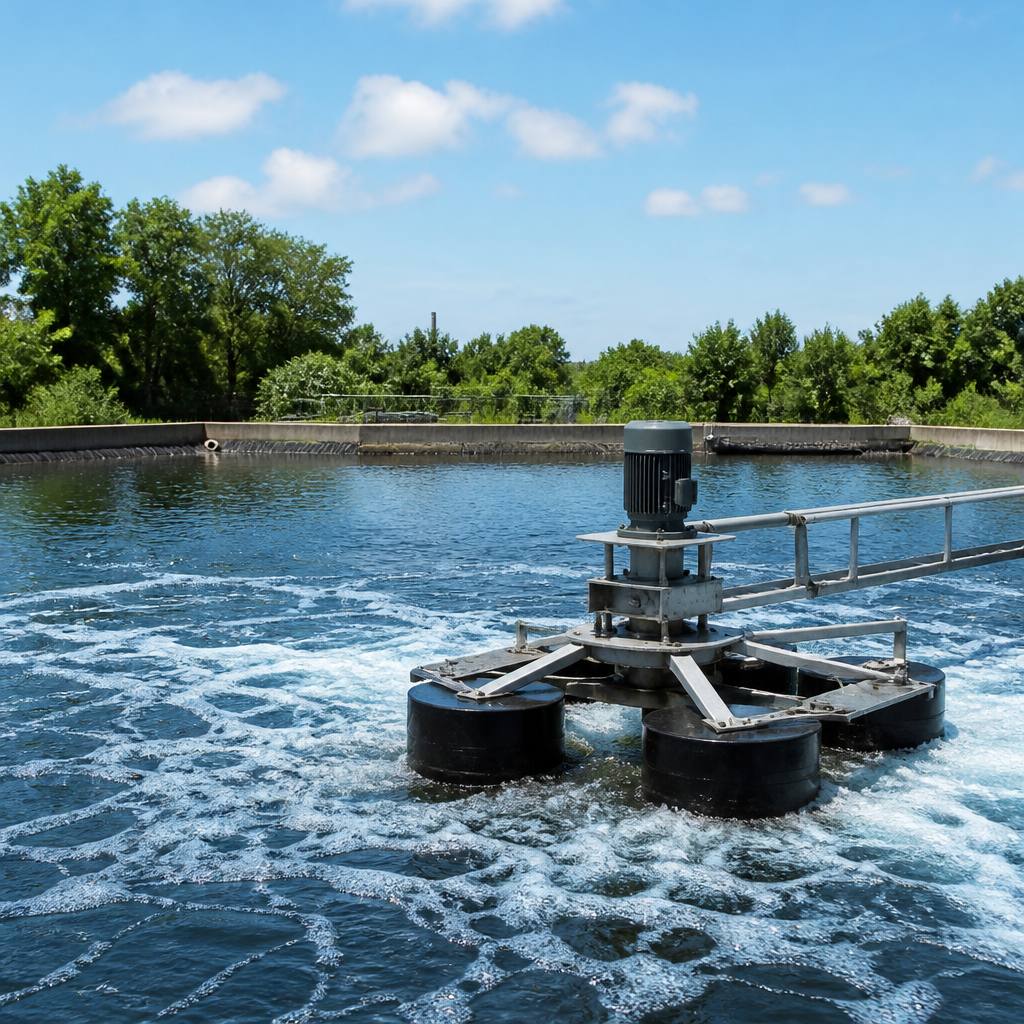
For this sub-pillar topic, constructed wetlands are a useful entry point into wider sanitation innovation because they link so many research themes. They support decentralized service models, pair well with anaerobic pretreatment, create opportunities for non-potable reuse, and generate data for smarter asset management. They also expose unresolved questions that deserve follow-on articles: how wetlands compare with membrane bioreactors for small systems, how to design for phosphorus recovery, how to monitor pathogen risk in reuse, how to estimate greenhouse gas emissions, and how to retrofit failing stabilization ponds. In other words, this hub is not only about one technology. It is about a research agenda for sanitation that is practical, evidence-based, and adaptable to local conditions.
The central takeaway is clear: wastewater treatment using constructed wetlands is not a simplistic natural alternative, but a mature engineering approach with expanding research relevance. These systems remove pollutants through well-understood physical, chemical, and biological mechanisms, and they can be configured as horizontal, vertical, free water surface, hybrid, or intensified designs to meet different site constraints and treatment goals. When paired with proper pretreatment, sound hydraulics, and realistic maintenance, they deliver reliable sanitation outcomes while using less energy and offering resilience benefits that many conventional systems struggle to match.
They also sit at the center of advancing research in sanitation. Current work on reactive media, antimicrobial resistance, sensor-based monitoring, carbon emissions, climate resilience, and water reuse is making wetlands more precise and more defensible in policy and funding discussions. Just as important, field experience keeps reminding us that success depends on details: influent characterization, loading control, media quality, plant selection, and operator follow-through. The best wetland projects are not the ones with the most decorative planting. They are the ones with the clearest design assumptions, the strongest monitoring plans, and the most honest evaluation of tradeoffs.
If you are building knowledge in technological innovations and research, use constructed wetlands as a foundation topic and a decision framework. Study the treatment mechanisms, compare configurations, review standards, and connect this hub to deeper articles on reuse, nutrient recovery, pathogen control, and decentralized infrastructure. That approach will help you choose sanitation solutions that are technically sound, operationally realistic, and ready for the next generation of research and implementation challenges.
Frequently Asked Questions
What is a constructed wetland, and how does it treat wastewater?
A constructed wetland is an engineered treatment system designed to reproduce the cleaning functions that occur in natural wetlands. Instead of relying only on mechanical equipment and chemical dosing, it uses a carefully arranged combination of shallow basins, porous media such as gravel or sand, wetland plants, microbial communities, and controlled water movement to reduce pollutants in wastewater. The goal is not to create a decorative pond, but to build a treatment environment where physical, biological, and chemical processes work together in a predictable way.
As wastewater flows through the system, suspended solids settle or become trapped within the media, while plant roots and the surrounding biofilm create a large active surface area for microbial growth. These microorganisms break down organic matter, convert nutrients into less harmful forms, and help reduce pathogens. At the same time, soils and substrate materials can adsorb certain contaminants, and oxygen transfer around root zones supports additional treatment reactions. Depending on the design, wetlands may be used for domestic sewage, graywater, stormwater, agricultural runoff, septic tank effluent, or selected industrial streams that are compatible with biological treatment.
Constructed wetlands are typically categorized as surface flow systems, where water moves above the soil surface through planted marsh-like zones, or subsurface flow systems, where water travels through gravel or sand below the surface. Subsurface wetlands are especially popular for sanitation applications because they reduce odors, limit mosquito breeding, and provide more controlled treatment conditions. In all cases, performance depends on sound design, correct sizing, appropriate pretreatment, and regular maintenance. When those elements are in place, constructed wetlands can provide reliable wastewater treatment while also offering landscape, habitat, and water reuse benefits.
What types of wastewater can be treated using constructed wetlands?
Constructed wetlands are versatile systems and can be adapted to treat a wide range of wastewater types, provided the water quality and loading rates match the design. Common applications include domestic sewage, septic tank effluent, graywater from sinks and showers, stormwater runoff, agricultural drainage, animal wastewater after pretreatment, and some industrial effluents with moderate organic loads. They are especially valuable in decentralized sanitation settings, small communities, institutions, resorts, parks, farms, and peri-urban areas where conventional sewer infrastructure may be too expensive or impractical.
For household and community wastewater, constructed wetlands are often used after primary treatment such as a septic tank or settling chamber. This is important because wetlands perform best when large solids and grease are removed first. In graywater treatment, wetlands can reduce organic matter, solids, surfactants, and nutrients, making the water more suitable for restricted reuse or safer discharge, depending on local regulations. In stormwater treatment, they help slow flow, capture sediments, and remove nutrients, metals, and other urban runoff pollutants. In agricultural settings, they can reduce nutrient loads and suspended solids from drainage water or livestock-related streams when properly configured.
That said, not every wastewater is automatically suitable. Very high-strength industrial effluents, toxic chemicals, extreme pH, large oil and grease loads, or highly variable discharges may require significant pretreatment or a different treatment process altogether. The key question is not whether wetlands can treat wastewater in general, but whether a specific wastewater stream fits the biological and hydraulic limits of the system. A proper wastewater characterization study, pilot testing when needed, and design by experienced professionals are essential to ensure both treatment performance and long-term durability.
How effective are constructed wetlands at removing pollutants?
Constructed wetlands can be highly effective when they are well designed, properly loaded, and correctly maintained. They are widely used to reduce biochemical oxygen demand, chemical oxygen demand, total suspended solids, nutrients such as nitrogen and phosphorus, and indicator pathogens. They can also help remove metals, trace organics, and other contaminants in certain applications, although removal rates for these substances depend strongly on the wetland type, media, retention time, temperature, and influent composition. In practice, their effectiveness is shaped by both engineering and ecology.
Organic matter removal is generally one of the strengths of constructed wetlands. Microbial communities attached to the media and plant root zones break down biodegradable material, while physical filtration and sedimentation remove solids. Nitrogen removal can occur through several pathways, including ammonification, nitrification, denitrification, plant uptake, and storage in biomass or sediments. Phosphorus removal is often more variable because it depends heavily on adsorption to the substrate and precipitation reactions; over time, some media may lose phosphorus-binding capacity, which is why media selection matters. Pathogen reduction occurs through a mix of filtration, sedimentation, natural die-off, predation, and exposure to unfavorable environmental conditions.
Performance is not uniform across all systems or all seasons. Temperature, rainfall, hydraulic loading, short-circuiting, clogging, and inadequate pretreatment can significantly affect results. Horizontal subsurface, vertical flow, hybrid wetlands, and free-water-surface wetlands each have different strengths, and many of the best-performing installations use staged treatment to target multiple pollutant groups. When designed with realistic loading rates and operated consistently, constructed wetlands can meet stringent treatment goals, but they should be evaluated as engineered systems rather than assumed to work automatically. Monitoring effluent quality remains important, especially where discharge permits or water reuse standards apply.
What are the main advantages and limitations of wastewater treatment using constructed wetlands?
The biggest advantage of constructed wetlands is that they combine dependable treatment mechanisms with relatively low energy demand and simple operation. Compared with many conventional treatment systems, they often require less mechanical equipment, fewer chemicals, and lower routine operating costs. They can be particularly attractive in areas where skilled operators, grid power, or maintenance budgets are limited. Because they use natural treatment pathways, they can also contribute to landscape enhancement, biodiversity support, carbon-conscious infrastructure strategies, and public acceptance when integrated thoughtfully into a site.
Another major benefit is resilience. Wetlands can tolerate flow variations better than some highly mechanized systems, and they are well suited to decentralized treatment where modular expansion is useful. They can be designed as part of water reuse schemes, helping communities reclaim treated effluent for irrigation, groundwater recharge support, or other non-potable uses where regulations permit. In addition, the visible plant-based character of a wetland can make wastewater treatment feel less industrial and more compatible with schools, eco-developments, parks, and rural settlements.
However, constructed wetlands are not a universal solution. Land area is one of the most common constraints, especially in dense urban environments where property costs are high. Treatment performance can decline if the system is undersized, poorly graded, hydraulically short-circuited, or overloaded with solids because pretreatment was neglected. Clogging is a known risk in subsurface systems, particularly when influent contains too much suspended matter. Nutrient removal, especially phosphorus, may require specialized media or hybrid designs to meet tighter standards. In colder climates, biological activity can slow, although many systems still function effectively with proper design. The most realistic way to view constructed wetlands is as a robust, low-energy treatment option with clear strengths and equally clear design boundaries.
What maintenance and design factors are most important for long-term success?
Long-term success depends first on good design. A constructed wetland should be sized according to actual flow, pollutant load, climate, treatment targets, and the type of wastewater being received. Pretreatment is essential because wetlands are not meant to act as raw solids traps. Septic tanks, grease traps, settling chambers, screens, or other primary treatment units are often needed to protect the wetland from clogging and hydraulic failure. Equally important are proper media selection, inlet and outlet design, flow distribution, liner integrity, water level control, and hydraulic retention time. Small design mistakes at the beginning can become costly operational problems later.
Plant selection also matters, although plants are only one part of the treatment system. Species should be adapted to local climate and water conditions, capable of establishing strong root systems, and compatible with the wetland type. Once established, vegetation helps stabilize the media, supports microbial communities, and promotes treatment, but unmanaged overgrowth, invasive species, or plant dieback can interfere with performance. Regular inspection helps identify bare patches, blocked distribution zones, erosion, or unwanted standing water in places where it should not occur.
From an operations standpoint, maintenance is typically straightforward but should never be ignored. Routine tasks include checking pretreatment units, monitoring water levels and flow paths, removing accumulated solids where necessary, controlling weeds, inspecting pipes and control structures, and watching for signs of clogging or bypass. Periodic water quality sampling is also important to verify that the system is meeting treatment goals. If the wetland is part of a permitted discharge or reuse program, documented monitoring is usually non-negotiable. In short, constructed wetlands are lower-maintenance than many conventional systems, but they are not maintenance-free. Their long service life depends on treating them as engineered infrastructure supported by regular observation and preventive care.