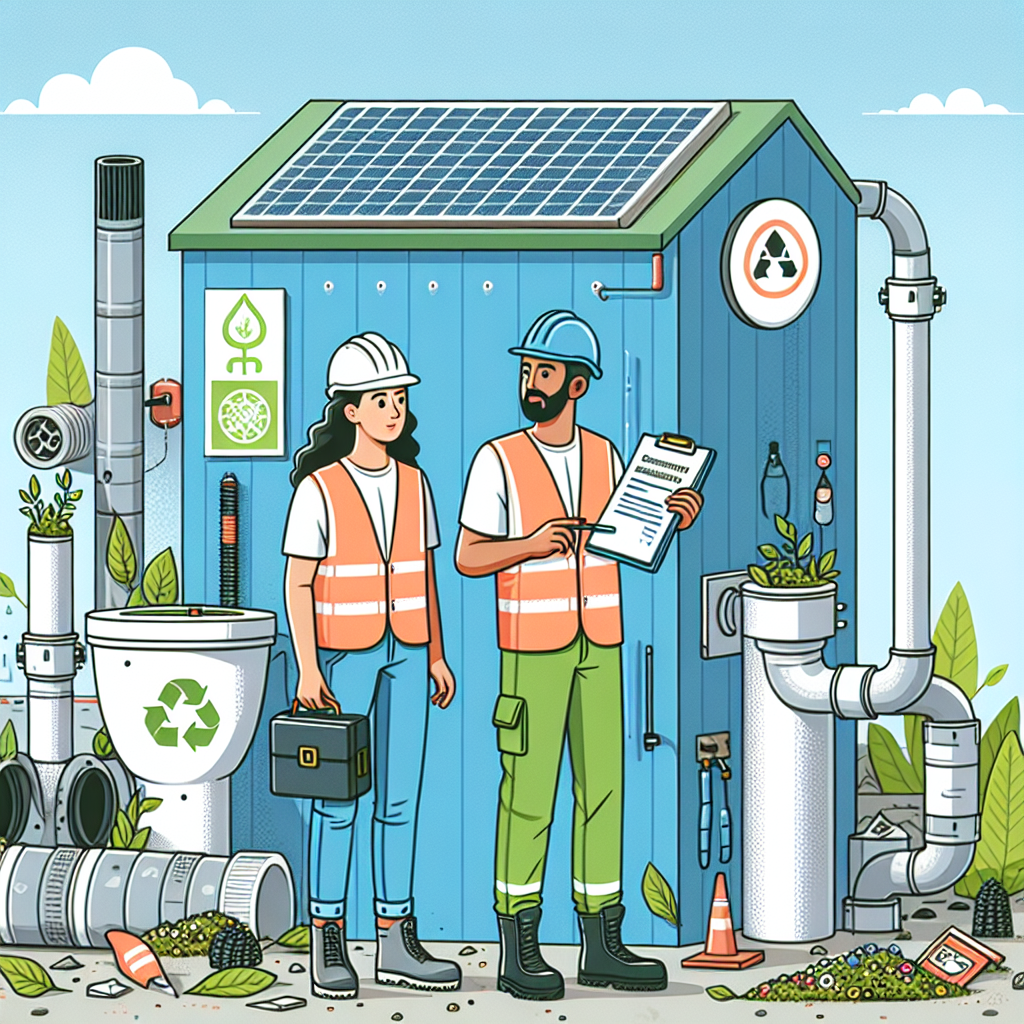
Ecological sanitation, commonly known as EcoSan, is a sustainable alternative to conventional sanitation systems. Its primary goal is to safely transform human waste into reusable resources, thereby reducing environmental contamination and promoting nutrient cycling. Implementing EcoSan projects comes with a unique set of challenges and opportunities. For these initiatives to be successful, it is essential to adopt strategies that encourage long-term sustainability. This article delves into various approaches to advance the implementation of EcoSan projects, focusing on community involvement, education, appropriate technology, policy support, and financial mechanisms.
The importance of proper sanitation cannot be overstated. Globally, unsanitary conditions affect billions, leading to severe health implications and environmental degradation. Traditional sanitation systems often overlook the long-term consequences of waste management, inadvertently perpetuating issues like soil degradation and water pollution. EcoSan, in contrast, epitomizes a closed-loop system. It transforms waste into valuable compost and biogas, leading to multifaceted benefits. However, for EcoSan initiatives to truly thrive and make substantial impacts, a comprehensive and strategic approach is necessary.
Community Involvement and Ownership
Community involvement is pivotal in ensuring the long-term sustainability of EcoSan projects. Introducing these systems in a community requires a participatory approach, whereby community members are involved from the outset. This involvement fosters a sense of ownership and responsibility, which is crucial for the maintenance and success of the project.
Initiating community workshops and forums to discuss the benefits and operational aspects of EcoSan is an effective strategy. These forums offer a platform for addressing concerns, clarifying doubts, and generating enthusiasm among community members. It is also beneficial to identify and train local champions who can advocate for the EcoSan systems and provide peer support.
Additionally, the integration of traditional and local knowledge with EcoSan practices can enhance acceptance. Collaborating with community leaders and respecting existing cultural norms and practices is vital. This collaboration ensures that the EcoSan systems are not only technically appropriate but also culturally sensitive, thereby increasing the likelihood of long-term adoption and success.
Education and Awareness
Education and awareness are fundamental to the success of EcoSan projects. Misconceptions and lack of knowledge about ecological sanitation can be significant barriers to implementation. Comprehensive education programs targeted at various stakeholder groups—such as community members, local authorities, and schools—can help to overcome these challenges.
These programs should cover basic principles of EcoSan, health and environmental benefits, and practical operational guidelines. Hands-on training sessions can demystify the technology and make it more approachable. Encouraging school programs and integrating EcoSan education into the curriculum can also have a long-term beneficial impact.
Public awareness campaigns, including local media, social media, and community events, can further amplify the reach of educational efforts. Highlighting success stories from other regions can inspire and motivate local communities to embrace EcoSan technologies. Tailored communication strategies that address specific local concerns and values will further enhance the effectiveness of these initiatives.
Appropriate Technology and Infrastructure
Selecting and implementing appropriate technologies is crucial for the sustainability of EcoSan projects. The technology should be context-specific, taking into account local environmental conditions, available resources, and cultural preferences. There is no one-size-fits-all solution; adaptability and flexibility are key.
The design and functionality of the EcoSan system should be user-friendly and require minimal maintenance. This ensures user compliance and longevity of the system. Incorporating locally available materials and resources in the construction of EcoSan systems can also reduce costs and enhance sustainability.
Additionally, ongoing technical support and maintenance are essential to address any issues promptly and effectively. Establishing local maintenance teams and providing necessary tools and training can ensure quick resolutions of any operational problems. Regular monitoring and evaluation of the system’s performance can also help in making necessary adjustments and improvements.
Policy Support and Regulatory Frameworks
The success of EcoSan projects greatly depends on supportive policy frameworks and regulatory environments. Governments and local authorities must recognize the importance of sustainable sanitation solutions and create enabling environments for their implementation.
Developing clear guidelines and standards for the construction and operation of EcoSan systems is a critical step. These regulations should ensure safety, hygiene, and environmental protection. Integrating EcoSan into national and local sanitation strategies and policies can provide a significant boost to their adoption and scaling.
Furthermore, policy support for capacity building, research, and development is essential. Allocating resources for training programs, technical assistance, and continuous innovation can drive the advancement of EcoSan technologies. Collaborative efforts between governmental bodies, NGOs, and private sectors can further strengthen these initiatives.
Financial Mechanisms and Economic Incentives
Financial sustainability is a critical aspect of EcoSan projects. Identifying and implementing appropriate financial mechanisms and economic incentives can facilitate the initial setup and long-term operation of EcoSan systems.
Grant funding from international organizations, governments, and non-profits can help to kickstart EcoSan projects. However, relying solely on grants is not sustainable in the long run. Developing community-based financial models, such as micro-financing, savings groups, or cooperative funds, can provide continuous financial support.
Economic incentives, such as subsidies for constructing EcoSan toilets, tax breaks, or credits for waste-derived products (like compost and biogas), can also drive adoption. Creating market linkages for the sale of these products can provide additional income for users, making EcoSan systems more attractive.
Encouraging public-private partnerships can further bolster financial support. Engaging the private sector in the production, distribution, and maintenance of EcoSan technologies can create sustainable business models while promoting sanitation improvements.
Conclusion
Implementing EcoSan projects successfully requires a multifaceted and strategic approach. Community involvement and ownership, extensive education and awareness campaigns, appropriate technology choices, supportive policy frameworks, and robust financial mechanisms are all essential components of this strategy. By addressing these areas comprehensively, EcoSan initiatives can achieve long-term sustainability and deliver substantial health, environmental, and economic benefits.
As we strive towards a more sustainable future, the integration of EcoSan systems could play a transformative role. These systems not only address the urgent need for improved sanitation but also contribute to environmental conservation, resource recovery, and climate change mitigation. By adopting and advancing these strategies, we can create resilient and sustainable communities that thrive on circular economy principles.
The journey towards widespread EcoSan adoption may encounter challenges, but the potential rewards make it a worthy endeavor. Continued innovation, collaboration, and commitment will be key drivers in overcoming obstacles and unlocking the full potential of EcoSan systems. Together, we can pave the way for healthier, cleaner, and more sustainable communities.