Renewable energy integration in wastewater treatment is no longer a niche engineering idea; it is becoming a practical strategy for utilities that want lower operating costs, lower emissions, and more resilient public infrastructure. Wastewater treatment refers to the physical, biological, and chemical processes used to remove pollutants from sewage and industrial effluent before discharge or reuse. Renewable energy integration means supplying part or all of that treatment process with energy from sources such as biogas, solar, wind, hydropower, and heat recovery. When these systems are designed together, plants can shift from being heavy electricity consumers to becoming resource recovery facilities.
This matters because wastewater treatment is energy intensive. Aeration alone often accounts for roughly half of a conventional activated sludge plant’s electricity use, while pumping, sludge handling, disinfection, and advanced nutrient removal add substantial demand. At the same time, utilities face rising power prices, stricter discharge limits, climate reporting expectations, and pressure to improve service reliability during grid disruptions. I have worked on projects where plant managers initially focused only on compliance, then realized that energy mapping exposed major savings opportunities without compromising effluent quality. That shift in perspective is where environmental sustainability becomes operationally meaningful.
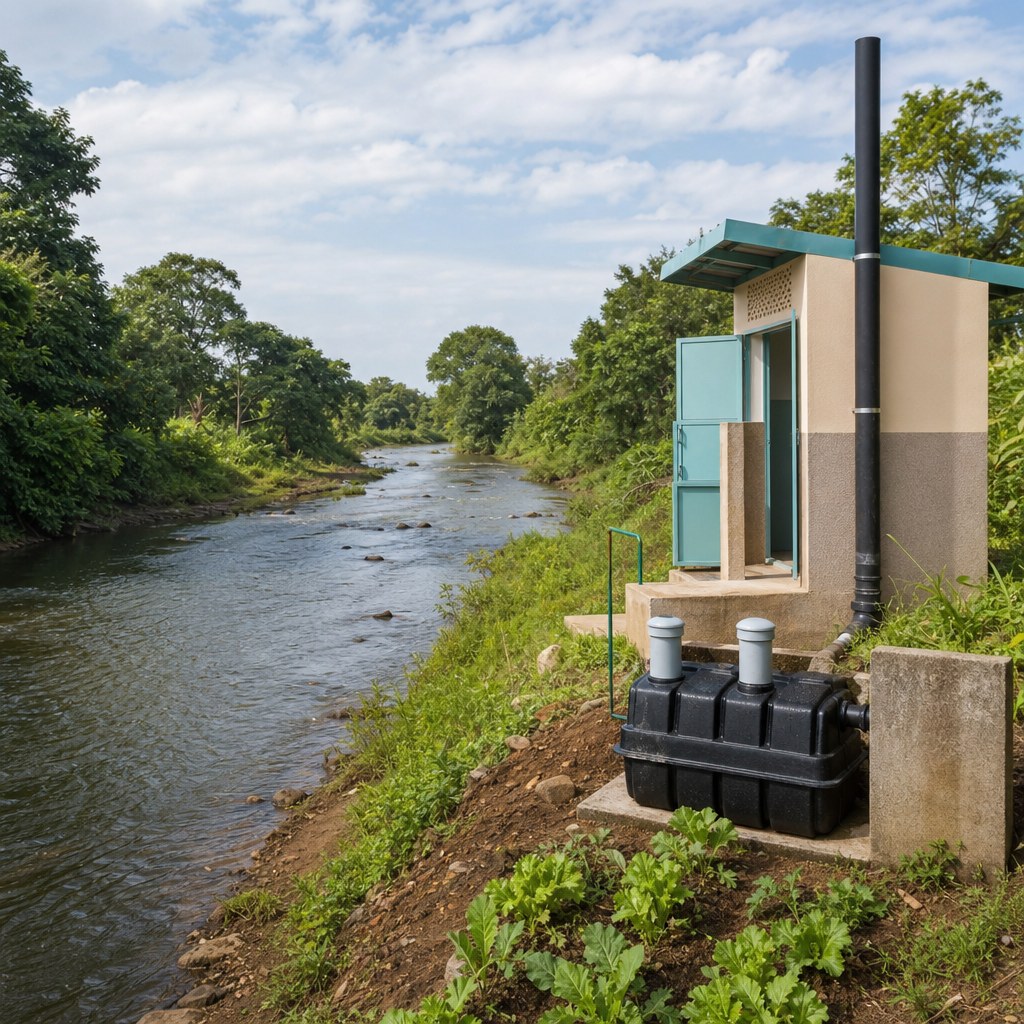
EcoSan, short for ecological sanitation, provides the broader sustainability framework for this transition. In practice, EcoSan treats wastewater not as waste to be disposed of, but as a source of water, nutrients, organic matter, and recoverable energy. The approach supports circular resource use: capture methane from sludge digestion, recover phosphorus from sidestreams, reuse treated effluent, and reduce the carbon footprint of every treated cubic meter. As a sub-pillar hub within Environmental Impact, this topic connects process optimization, climate mitigation, water reuse, biosolids management, and community resilience. Understanding renewable energy integration is essential because energy choices influence every one of those outcomes.
The core question utilities ask is simple: which renewable technologies work best in wastewater treatment, and under what conditions? The answer depends on plant size, influent strength, local climate, tariff structure, available land, digester capacity, and regulatory requirements. There is no universal template. However, the most successful facilities follow a repeatable sequence: measure baseline energy use, identify recoverable energy streams, select technologies matched to process loads, and integrate controls so energy production supports treatment reliability. Plants that do this well do not chase trends. They build a balanced portfolio that cuts emissions while protecting permit compliance and long-term asset performance.
Why wastewater treatment is a strong candidate for renewable energy
Wastewater treatment plants are ideal sites for renewable deployment because they operate continuously, own sizable infrastructure footprints, and already manage energy-rich organic material. Unlike many commercial buildings, treatment plants have predictable base loads twenty-four hours a day. That consistency makes on-site generation easier to size and justify. They also have roofs, open land, hydraulic drops, digesters, and warm process streams that can host multiple technologies simultaneously. In my experience, few municipal assets offer the same combination of stable demand and untapped energy resources.
Another advantage is that sustainability gains are measurable in several ways at once. A plant can track kilowatt-hours offset, peak demand reduced, tons of carbon dioxide equivalent avoided, biosolids stabilized, and nutrient recovery improved. For utilities under integrated planning mandates, those co-benefits matter. For example, reducing purchased electricity lowers indirect emissions from the grid, while capturing digester methane prevents potent greenhouse gas releases. According to widely used emissions accounting methods from organizations such as the Intergovernmental Panel on Climate Change and national environmental agencies, methane reduction often delivers climate benefits far greater than electricity savings alone.
Renewable integration also strengthens operational resilience. During storms, wildfires, and heat events, electric service interruptions can threaten pumping, aeration, and disinfection. Plants with combined heat and power systems fueled by biogas, backed by solar and storage where appropriate, can maintain critical operations longer than grid-dependent facilities. This is especially important for coastal or flood-prone communities where treatment continuity protects public health and receiving waters. EcoSan supports that resilience by valuing closed-loop resource systems rather than single-purpose assets.
Biogas and anaerobic digestion: the anchor technology
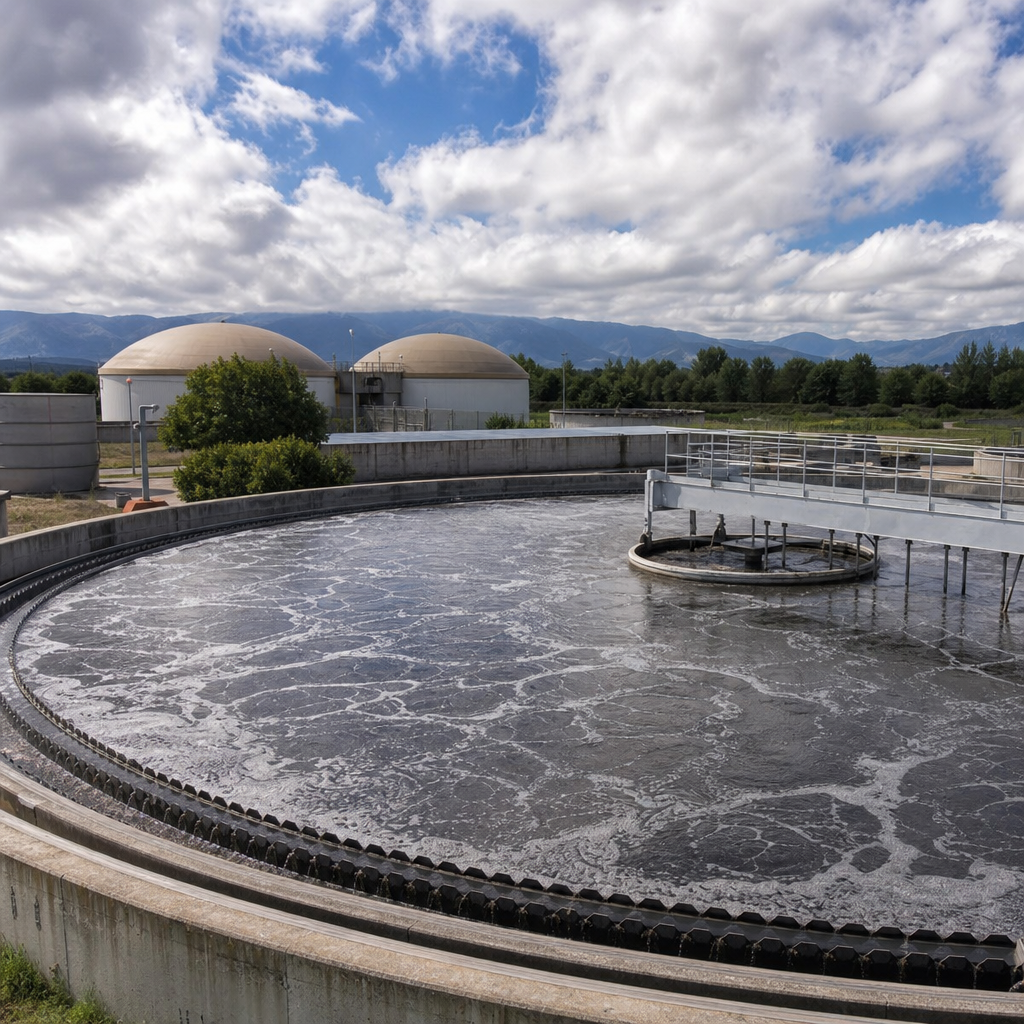
For most medium and large wastewater facilities, anaerobic digestion is the strongest renewable energy opportunity. In digesters, microorganisms break down sludge in oxygen-free conditions and produce biogas, typically containing methane and carbon dioxide with trace hydrogen sulfide, moisture, and siloxanes. After cleaning, that gas can fuel boilers, internal combustion engines, microturbines, or upgraded renewable natural gas systems. This is proven infrastructure, not experimental technology. Many utilities have run digesters for decades; what has changed is the sophistication of gas cleaning, controls, and revenue stacking.
The highest-value pathway is often combined heat and power. A CHP unit converts biogas into electricity while recovering waste heat for digester heating or building loads. That dual use improves total efficiency compared with flaring gas or producing heat alone. I have seen facilities cut grid purchases materially simply by stabilizing digester operation, improving sludge thickening, and right-sizing engine maintenance intervals. Co-digestion can further increase output by adding food waste, fats, oils, and grease, although that requires careful feedstock contracts, receiving infrastructure, and monitoring to avoid foaming, inhibition, or permit issues.
Biogas systems are not effortless. Digesters need consistent solids loading, temperature control, mixing, and skilled operations. Gas cleanup is critical because hydrogen sulfide corrodes equipment and siloxanes can damage engines. Smaller plants may struggle to justify CHP if gas volumes are low. Even so, where sludge quantities support it, anaerobic digestion remains the clearest route to turning wastewater liabilities into dispatchable renewable energy. Within EcoSan, it is also central because it links waste stabilization, odor control, biosolids management, and carbon reduction in a single platform.
Solar, wind, and small hydropower in plant operations
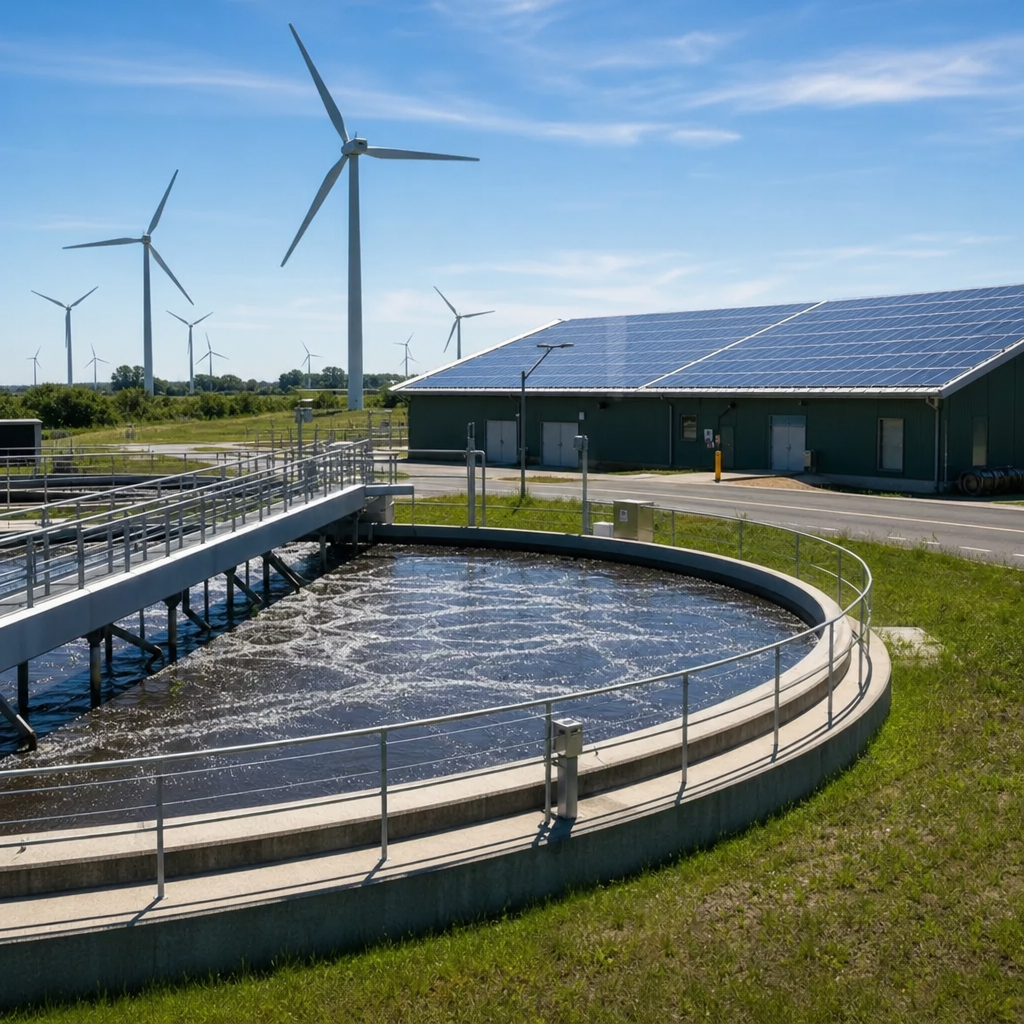
Solar photovoltaic systems are now common additions to wastewater treatment sites because they are modular, reliable, and easy to pair with daytime loads such as pumping and blowers. Roof-mounted arrays can serve administration buildings and process structures, while ground-mounted systems can use buffer land unsuitable for other development. Floating solar on lagoons or storage basins is also gaining attention because it reduces evaporation and avoids land conflicts. The key design issue is matching production profiles to plant demand and utility tariffs, especially where net metering rules have changed.
Wind power is more site specific. It works best at plants with favorable wind resources, open exposure, and local permitting support. In flat coastal regions or large inland sites, one or two turbines can contribute meaningful generation, but maintenance complexity and visual considerations are higher than for solar. Small hydropower is another overlooked option. Where plants have significant elevation changes in influent lines, effluent outfalls, or pressure reducing stations, in-pipe turbines can recover electricity from flows that would otherwise dissipate energy. These projects rarely power the whole facility, yet they can be highly efficient niche additions.
| Technology | Best fit in wastewater treatment | Main benefit | Key limitation |
|---|---|---|---|
| Biogas CHP | Medium to large plants with digesters | Dispatchable power plus useful heat | Requires steady sludge and gas cleanup |
| Solar PV | Plants with roof or land area and strong daytime loads | Low maintenance electricity offset | Intermittent output without storage |
| Wind | Open sites with strong local wind resource | High generation potential at select locations | Permitting and maintenance complexity |
| Small hydropower | Facilities with pressure drops or elevation change | Continuous recovery from existing flows | Limited to specific hydraulic conditions |
The best plants treat these technologies as complementary rather than competing. Solar can shave daytime purchases, biogas can cover baseload and heat, and hydropower can harvest otherwise lost energy. EcoSan planning works well here because it forces a whole-system view: energy, water, land, sludge, and infrastructure are considered together, not in isolated capital projects.
Energy efficiency first, then integration and controls
Renewable energy only delivers its full value when paired with efficiency. The cheapest kilowatt-hour is the one a plant does not need to buy or generate. In wastewater treatment, that usually starts with aeration optimization. Fine-bubble diffusers, blower upgrades, dissolved oxygen control, ammonia-based aeration control, and better basin mixing can reduce electricity consumption substantially while maintaining nitrification. Pump efficiency, variable frequency drives, leak reduction in air systems, and optimized return activated sludge rates also produce measurable savings. I have repeatedly found that plants seeking renewable installations first benefit from an energy audit that reveals oversized equipment and poor control logic.
Controls matter as much as hardware. Supervisory control and data acquisition systems can coordinate CHP dispatch, battery charging, solar production, digester heating, and high-energy process scheduling. For example, a plant may time noncritical dewatering or pumping to align with solar generation or lower tariff periods. Digital twins and advanced process control platforms are helping larger utilities model those tradeoffs more precisely. Standards from organizations such as the Water Environment Federation and the International Organization for Standardization support systematic energy management, which is essential when plants move beyond single-technology upgrades.
Storage adds another layer. Electrical batteries can improve solar self-consumption and backup capability, but thermal storage is often undervalued. Hot water recovered from CHP can be stored and used to stabilize digester temperatures or support building heat without immediate boiler firing. That can be more cost effective than large battery systems, depending on site conditions. The practical lesson is straightforward: optimize loads first, then size renewable systems around real demand, not rough estimates.
Environmental outcomes, financing, and the EcoSan roadmap
The environmental case for renewable energy integration is strong because it extends beyond carbon accounting. Better sludge stabilization reduces odors and pathogen risks. Resource recovery lowers reliance on fossil-based electricity and can improve nutrient management when paired with technologies such as struvite precipitation. Water reuse systems powered partly by on-site renewables can reduce withdrawals from stressed freshwater sources. These are tangible sustainability outcomes that communities can see in cleaner waterways, more reliable service, and lower long-term operating exposure to energy volatility.
Financing is often the deciding factor. Utilities use energy performance contracts, power purchase agreements, green bonds, renewable energy credits, low-interest state revolving funds, and utility incentives to make projects bankable. Revenue from renewable natural gas or avoided demand charges can materially improve payback. Still, project economics depend on local tariffs, interconnection rules, maintenance capacity, and biosolids strategy. A successful business case always includes lifecycle costing, not just initial capital. Equipment replacement schedules, engine overhauls, digester cleaning, and operator training must be included from the start.
For organizations advancing environmental sustainability with EcoSan, the roadmap is clear. Start with a plant-wide energy and mass balance. Identify quick efficiency wins. Evaluate digestion, CHP, solar, hydropower, and storage against site-specific conditions. Align design with discharge permits, resilience goals, and biosolids plans. Then build internal capability so operators can run the system confidently. Renewable energy integration in wastewater treatment works best when it is treated as core infrastructure, not a public relations accessory. If you are developing your Environmental Impact strategy, use this hub as the starting point and map each resource stream at your facility to its highest-value sustainable use.
Frequently Asked Questions
What does renewable energy integration in wastewater treatment actually mean?
Renewable energy integration in wastewater treatment means using clean energy sources to power some or all of the processes required to treat sewage and industrial wastewater. A modern treatment plant relies on energy-intensive equipment such as pumps, blowers, mixers, aeration systems, dewatering units, controls, and disinfection systems. Integrating renewable energy means replacing or offsetting conventional grid electricity or fossil fuel use with sources such as solar power, wind energy, biogas from anaerobic digestion, small hydropower, and in some cases geothermal or thermal recovery systems.
In practical terms, this can happen in several ways. A facility may install solar panels on available land, rooftops, or over lagoons to supply daytime electricity. It may capture methane-rich biogas produced from sludge digestion and use it in combined heat and power systems to generate both electricity and useful heat. Some larger plants also recover energy from effluent flows or optimize operations to align high-energy treatment steps with periods of renewable generation. The goal is not simply to “go green,” but to create a more efficient and resilient treatment system that reduces long-term energy costs, cuts greenhouse gas emissions, and improves operational stability.
Because wastewater treatment is an essential public health service, reliability is critical. That is why renewable integration usually involves a hybrid approach rather than a complete overnight shift away from the grid. Utilities often combine on-site generation, storage, backup systems, and intelligent controls so treatment performance remains consistent even when renewable output changes. In short, renewable energy integration is about making wastewater treatment cleaner, smarter, and more financially sustainable without compromising compliance or treatment quality.
Why are wastewater treatment plants especially well suited for renewable energy projects?
Wastewater treatment plants are particularly strong candidates for renewable energy integration because they are large, continuous energy users with predictable operational needs. Unlike many facilities that have highly variable demand, treatment plants run around the clock and depend on core systems every day of the year. That consistent load creates an excellent foundation for renewable project planning, because utilities can clearly identify where energy is being consumed and where offset opportunities exist.
Another major advantage is that many plants already have physical and operational assets that support energy generation. They often have available land, large roof areas, tank covers, or buffer zones that can host solar arrays. Facilities that process significant sludge volumes may also be able to produce biogas through anaerobic digestion, effectively turning waste into fuel. This makes wastewater treatment unique compared with many other municipal services: the plant is not only an energy consumer, but potentially an energy producer.
Wastewater utilities also face strong financial and regulatory incentives. Energy is frequently one of the largest operating expenses for a treatment facility, especially in plants with intensive aeration and pumping requirements. At the same time, municipalities are under increasing pressure to reduce emissions, improve resilience, and modernize infrastructure. Renewable energy helps address all of those priorities at once. It can lower exposure to utility price volatility, support climate action goals, and improve emergency preparedness when paired with storage or on-site generation. For many utilities, the combination of technical feasibility, operational need, and policy momentum makes wastewater treatment one of the most logical places to invest in renewable energy.
Which renewable energy sources are most commonly used in wastewater treatment facilities?
The most commonly used renewable energy sources in wastewater treatment are solar energy and biogas, although wind, hydropower, and heat recovery can also play important roles depending on site conditions. Solar is often the easiest entry point because photovoltaic systems are modular, mature, and increasingly cost-effective. Plants can install panels on rooftops, maintenance buildings, parking canopies, unused land, or even floating systems in suitable configurations. Solar works especially well for offsetting daytime electricity demand from pumps, controls, and process equipment.
Biogas is another highly valuable energy source because it is generated directly from the treatment process itself. When sludge is treated in anaerobic digesters, microorganisms break down organic matter and release methane-rich gas. That gas can be cleaned and used in boilers, engines, turbines, or combined heat and power units. This approach is particularly attractive because it supports a circular model: the plant uses its own waste stream to produce fuel, then uses that fuel to support plant operations. In larger facilities, biogas can become a major contributor to on-site energy independence.
Wind energy can be effective at plants located in regions with strong and consistent wind resources, though it is more site-specific than solar. Small hydropower opportunities may exist where treated effluent, influent flows, or elevation changes can be used for energy recovery. Some advanced facilities also capture thermal energy from wastewater or effluent to support heating and cooling loads. The best renewable mix depends on factors such as plant size, sludge production, land availability, local climate, utility rates, regulatory requirements, and capital budget. In many cases, the most effective strategy is not relying on one technology alone, but combining several approaches to improve performance and flexibility.
What are the main benefits of integrating renewable energy into wastewater treatment operations?
The most immediate benefit is lower operating cost. Wastewater treatment is energy-intensive, and electricity expenses can place significant pressure on municipal budgets and utility rate structures. By generating power on-site or using renewable fuel such as biogas, facilities can reduce purchased energy and improve long-term cost predictability. Even when upfront capital investment is substantial, many projects deliver value over time through avoided utility costs, available incentives, and reduced exposure to energy market volatility.
Another major benefit is emissions reduction. Traditional wastewater treatment can have a sizable carbon footprint because of grid electricity use and fossil fuel dependence. Replacing part of that energy demand with solar, wind, or recovered biogas can significantly reduce greenhouse gas emissions. This supports municipal sustainability goals, state and national climate targets, and broader efforts to decarbonize public infrastructure. It can also improve a utility’s public image by showing that essential services can be delivered in a more environmentally responsible way.
Resilience is equally important. Wastewater treatment plants must continue operating during storms, grid outages, fuel disruptions, and other emergencies. On-site renewable generation, especially when combined with batteries, thermal storage, or dispatchable biogas systems, can strengthen continuity of operations. That added resilience is valuable not just for utility management, but for public health and environmental protection. In addition, renewable integration often drives broader modernization. Utilities that invest in clean energy frequently also upgrade controls, improve process efficiency, optimize aeration, and adopt better energy monitoring practices. As a result, the benefits go beyond renewable power alone and can lead to a more efficient, reliable, and future-ready treatment plant.
What challenges should utilities consider before implementing renewable energy in wastewater treatment plants?
Utilities should begin by recognizing that renewable energy integration is highly promising, but it is not a plug-and-play solution. One of the biggest challenges is matching renewable generation with plant energy demand. Wastewater treatment requires dependable, continuous operation, while some renewable sources, especially solar and wind, are variable. This means facilities need careful system design, load analysis, and often a combination of grid connection, storage, backup generation, or dispatchable energy sources such as biogas to maintain reliability.
Capital cost is another key consideration. Solar arrays, digesters, gas cleaning systems, combined heat and power equipment, battery storage, and electrical upgrades can require substantial investment. While lifecycle economics may be favorable, the upfront funding path can be complex. Utilities may need to evaluate grants, public-private partnerships, green bonds, energy performance contracts, or phased implementation strategies. They also need to account for operations and maintenance requirements, replacement schedules, staff training, and permitting obligations when assessing project viability.
Technical integration can also be challenging. Every plant has its own process configuration, load profile, site limitations, regulatory context, and treatment priorities. A successful project depends on detailed feasibility studies, realistic performance assumptions, and coordination among engineers, operators, utility managers, regulators, and financial decision-makers. For biogas projects in particular, feedstock quality, digester performance, gas cleanup needs, and equipment maintenance must be carefully managed. The good news is that these challenges are manageable with proper planning. Utilities that take a phased, data-driven approach usually achieve better results than those pursuing a one-size-fits-all solution. The most successful projects treat renewable energy not as an isolated add-on, but as part of a broader strategy for energy efficiency, infrastructure resilience, and long-term operational improvement.