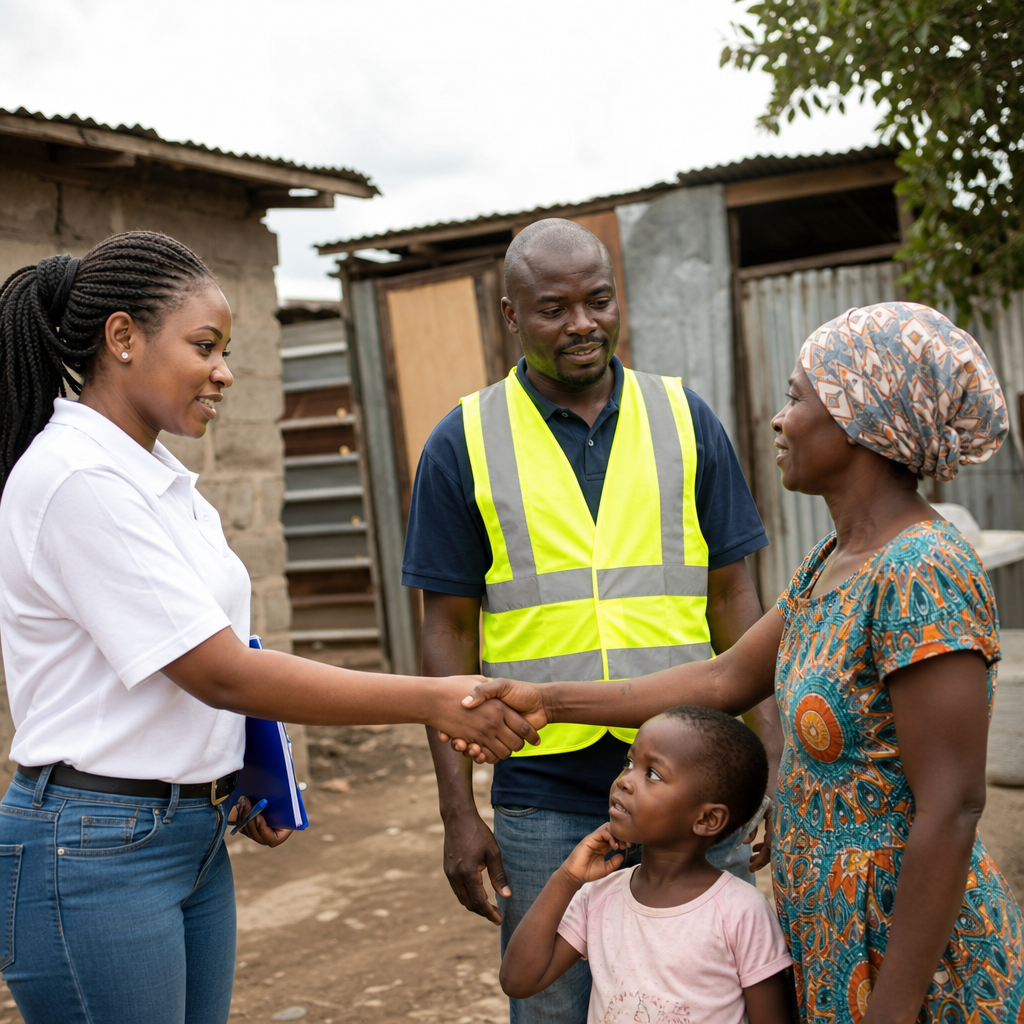
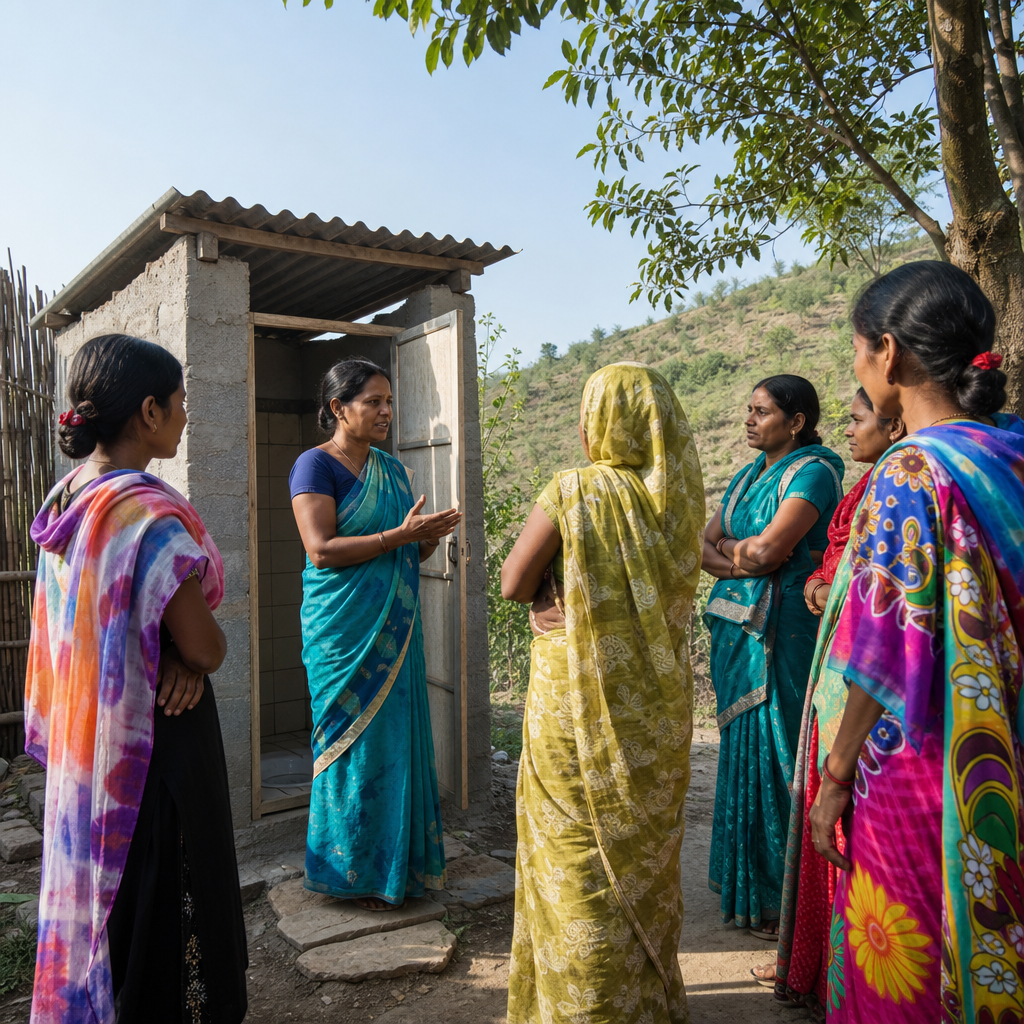
Collaborative research is one of the most effective ways to improve sanitation solutions because sanitation failures are rarely caused by a single missing technology. They usually result from a mix of weak infrastructure, fragmented governance, unaffordable services, environmental stress, and social barriers that prevent safe toilet use, fecal sludge management, wastewater treatment, and hygiene behavior. In practice, collaborative research brings together governments, utilities, universities, community organizations, engineers, public health specialists, and funders to test what works under real conditions. That matters because sanitation affects disease transmission, school attendance, nutrition, water quality, urban resilience, and economic productivity. When researchers and practitioners work in isolation, sanitation programs often miss the local realities that determine whether a system will be used, maintained, and scaled.
Sanitation includes the full chain: containment, emptying, transport, treatment, reuse, and safe disposal of human waste. Improved sanitation solutions can range from sewer networks and decentralized wastewater treatment to container-based sanitation, pit latrine upgrades, sludge treatment plants, handwashing infrastructure, menstrual health facilities, and digital monitoring systems. Global initiatives and collaborations in sanitation are the formal and informal partnerships that align evidence, funding, regulation, innovation, and implementation across borders. I have worked on sanitation content and program planning long enough to see the same lesson repeated in cities, refugee settings, and rural districts: strong coordination outperforms isolated pilot projects. The reason is simple. Sanitation systems sit at the intersection of health, engineering, land use, climate adaptation, and behavior, so no single institution holds all the necessary knowledge.
The global urgency is clear. Billions of people still lack safely managed sanitation services, and progress remains uneven between and within countries. Rapid urbanization has expanded informal settlements faster than networks and utilities can respond. Climate pressures are making floods, droughts, and groundwater contamination more severe, exposing weaknesses in poorly designed sanitation infrastructure. At the same time, donors and governments increasingly expect measurable impact, inclusive service delivery, and circular economy outcomes such as nutrient recovery, water reuse, and lower greenhouse gas emissions. Collaborative research helps meet those expectations by producing shared definitions, comparable data, implementation evidence, and practical standards. As a hub topic under global challenges and opportunities, global initiatives and collaborations in sanitation deserve close attention because they show how evidence moves from laboratories and policy forums into public services that protect health and dignity at scale.
Why collaborative research improves sanitation outcomes
Collaborative research improves sanitation outcomes by combining technical rigor with implementation reality. A university team may be excellent at pathogen measurement, while a local utility understands pipe failure rates, tariff constraints, and service complaints. A community-based organization knows why households reject a toilet design or why women avoid facilities after dark. When these perspectives are integrated from the start, the result is better problem definition, better intervention design, and better evaluation. In sanitation, that often means fewer stranded assets and more services people actually use. This is especially important for fecal sludge management in low-income urban areas, where treatment capacity, truck routing, land availability, regulation, and household willingness to pay must all align.
One recurring example is the difference between toilet construction and sanitation service delivery. Many early programs counted toilets built, but collaborative research showed that public health gains depend on the entire service chain. If pits fill and cannot be emptied safely, or sludge is dumped into drains and waterways, disease risks remain high. Research partnerships helped shift attention toward safely managed sanitation, a more useful performance standard than simple access. They also strengthened methods such as service chain mapping, citywide inclusive sanitation planning, and non-sewered sanitation assessments. These approaches allow municipal authorities to identify where failures occur, whether at containment, collection, transport, treatment, or reuse, and then target investment more precisely.
Collaborative research also improves credibility. Decision-makers are more likely to act when findings are co-produced with trusted institutions and validated across disciplines. Health ministries respond to epidemiological evidence, utilities respond to operational data, and finance ministries respond to lifecycle cost analysis. International partners often require all three. In my experience, the most influential sanitation studies are not the most theoretical ones; they are the ones that pair microbial testing, cost data, user feedback, and implementation constraints in one coherent picture. That is what turns a promising concept into a fundable and governable sanitation solution.
Major global initiatives shaping sanitation collaboration
Several major global initiatives have shaped how sanitation collaboration works. The sanitation target within the Sustainable Development Goals created a common language for safely managed services and pushed countries to improve monitoring beyond infrastructure counts. WHO and UNICEF’s Joint Monitoring Programme remains the central global source for water, sanitation, and hygiene service ladders, and its definitions influence national reporting, donor strategies, and program design. UN-Water helps coordinate the wider system, while organizations such as the World Bank, UNICEF, WHO, UN-Habitat, the Gates Foundation, WaterAid, the International Water Association, and the Global Water Security and Sanitation Partnership have supported research, financing, and implementation frameworks that countries use in practice.
Citywide inclusive sanitation has been especially important as a collaboration model. Rather than assuming sewerage is the only endpoint, it treats sanitation as a citywide public service delivered through a mix of sewered and non-sewered systems, with explicit attention to poor and underserved communities. That framing changed the conversation in many rapidly growing cities because it recognized informality, tenure insecurity, and fiscal limits without lowering health standards. Research partnerships around this model have generated practical tools for service assessments, business models, treatment planning, regulation, and operator performance. Similar collaborative momentum exists in rural sanitation, where community-led approaches, behavior-centered design, and market systems development have all benefited from cross-country learning and iterative evidence.
Another important area is sanitation in humanitarian and fragile settings. Here, collaboration is essential because operating conditions are volatile and health risks escalate quickly. Agencies working in refugee camps and conflict-affected areas have advanced research on desludging logistics, rapid latrine deployment, pathogen control, menstrual health management, and accessibility for people with disabilities. These lessons increasingly inform non-emergency sanitation planning as well, particularly in climate-vulnerable regions where flooding and displacement blur the line between humanitarian response and development programming.
How partnerships translate research into working sanitation systems
Good sanitation partnerships are structured around decisions, not just meetings. The strongest collaborations define the operational question first: for example, whether a city should subsidize emptying, where to site a sludge treatment plant, or which on-site containment standard should be enforced in flood-prone neighborhoods. Once the decision is clear, partners can align methods, timelines, and data responsibilities. Engineers may model flows and treatment loads. Public health teams may assess exposure pathways. Local governments may provide permit data, budgets, and land constraints. Community groups may validate whether proposed service models are acceptable and safe. This decision-focused structure prevents research from becoming detached from implementation.
Data integration is another turning point. Sanitation research often spans household surveys, geospatial mapping, utility records, environmental sampling, and financial analysis. When these are analyzed together, blind spots become visible. I have seen cities discover that neighborhoods with the lowest formal toilet access were not always the ones with the highest exposure risk; sometimes the most dangerous areas were those with widespread containment but no safe emptying pathway and heavy seasonal flooding. Without collaborative data sharing, those patterns would have remained hidden. Digital tools now make this easier, including GIS platforms, mobile inspection tools, remote sensing for settlement growth, and management information systems that track service requests and desludging events.
| Collaboration type | Main contribution | Sanitation example | Common limitation |
|---|---|---|---|
| University and utility partnership | Operational evidence and performance testing | Measuring treatment efficiency at a fecal sludge plant | Research timelines may move slower than service demands |
| Government and NGO consortium | Community engagement and policy alignment | Designing inclusive public toilets in informal settlements | Roles can overlap without clear accountability |
| Donor-funded multi-country network | Comparable learning across contexts | Testing non-sewered sanitation business models in several cities | Findings may need local adaptation before scale-up |
| Private sector and municipal partnership | Service innovation and logistics efficiency | Digital scheduling for desludging trucks | Commercial incentives may not match equity goals |
Translation into working systems also depends on procurement, regulation, and finance. A technology validated in field trials still fails if spare parts are unavailable, tariffs are unrealistic, or operators lack licenses. Collaborative research is most useful when it examines these enabling conditions directly. That includes lifecycle costing, occupational health and safety, sludge disposal compliance, land tenure, and social inclusion. In sanitation, evidence that ignores institutions is incomplete evidence.
Priority research areas in global sanitation today
The highest-priority research areas reflect the sector’s biggest unresolved bottlenecks. First is fecal sludge management, especially in dense cities where most residents rely on pits or septic tanks but treatment coverage remains low. Researchers are working on transfer station design, treatment optimization, truck routing, sludge characterization, and financing models that reduce illegal dumping. Second is climate-resilient sanitation. Flood-safe containment, elevated toilets, drought-tolerant systems, groundwater protection, and resilient wastewater treatment are all urgent as climate shocks intensify. Third is inclusive sanitation design, covering gender safety, disability access, child-friendly facilities, menstrual health support, and affordability for low-income users.
Non-sewered sanitation is another major research frontier. International standards such as ISO 30500 for non-sewered sanitation systems have helped bring more discipline to performance expectations around effluent quality, pathogen reduction, energy use, and maintenance. That does not mean every certified technology is ready for every market. Field conditions, user behavior, service ecosystems, and operator skills still determine outcomes. However, standards-based collaboration makes it easier to compare options and avoid exaggerated claims. Resource recovery is also drawing stronger attention, including biogas generation, composting, black soldier fly treatment pathways, nutrient recovery from urine, and safe reuse in agriculture where regulations allow.
Monitoring and health impact evaluation remain essential. It is not enough to know whether toilets were installed; programs need to know whether exposure to fecal contamination actually fell. That requires stronger environmental surveillance, better indicators of safe containment and transport, and more realistic evaluation designs that account for neighborhood-level effects. Researchers increasingly combine microbial source tracking, sentinel surveillance, and service delivery metrics to understand whether sanitation investments are breaking transmission pathways. This is a more demanding evidence standard, but it leads to better sanitation decisions.
Barriers that limit collaboration and how leading programs address them
Despite its advantages, collaborative research in sanitation faces persistent barriers. Funding is often fragmented between infrastructure, health, climate, and humanitarian budgets, even when the field problem crosses all four. Data ownership can become political, especially when service failures are tied to regulatory gaps or informal settlements. Academic incentives may favor publication novelty over implementation speed, while municipal teams may need actionable guidance within a budget cycle. Cross-border partnerships can also reproduce power imbalances if local researchers are treated mainly as data collectors rather than agenda setters and co-authors.
Leading programs address these barriers through governance design. They establish shared research questions early, define data access rules, budget for local institutional capacity, and set decision checkpoints so findings can influence procurement or policy on time. Strong consortia also build in community review, because sanitation interventions that ignore user safety, privacy, and willingness to pay often underperform. Another effective practice is to pair pilot testing with a scale pathway from the beginning. If a sludge treatment technology works only under donor-managed conditions, the pilot has limited value. If the partnership also tests operator training, spare-parts supply, tariff implications, and regulatory approval, the findings become far more useful.
There is also a growing recognition that sanitation collaboration must be ethically grounded. Waste workers face substantial health and dignity risks, and communities in low-income areas are too often consulted late. Better research partnerships include occupational safety protocols, fair compensation, informed consent, and transparent communication about what a project will and will not deliver. These are not side issues. They are central to whether sanitation research produces solutions that are legitimate, adoptable, and sustainable.
What this hub topic should help readers explore next
As a hub for global initiatives and collaborations in sanitation, this topic should connect readers to the full sanitation landscape rather than treating one intervention as universal. The next articles under this subtopic should explore citywide inclusive sanitation, fecal sludge management, sanitation finance, school sanitation, humanitarian sanitation, wastewater reuse, climate-resilient sanitation systems, behavior change, and the role of standards and digital tools. Readers should also look closely at governance: who is responsible for each part of the service chain, how performance is measured, and how public funding can be structured to support safe services for low-income communities.
The core takeaway is practical. Collaborative research improves sanitation solutions when it links evidence to decisions, includes the full service chain, and brings local institutions into the center of problem solving. Global initiatives matter not because they create slogans, but because they create shared methods, standards, funding channels, and accountability that help good sanitation ideas survive contact with reality. If you are building content, policy, or programs in this area, use this hub as the starting point for deeper work on the specific partnerships, technologies, and governance models that turn sanitation research into healthier communities.
Frequently Asked Questions
Why is collaborative research so important for improving sanitation solutions?
Collaborative research matters because sanitation problems are rarely isolated technical failures. In most communities, poor sanitation results from several issues happening at the same time, such as inadequate infrastructure, weak public management, limited financing, environmental pressures, and social norms that affect how people use toilets, hygiene services, and wastewater systems. If research looks at only one part of that chain, the final solution often falls short in real-world conditions.
By bringing together governments, utilities, universities, community organizations, engineers, public health specialists, and private service providers, collaborative research creates a fuller picture of what is actually happening on the ground. It helps stakeholders understand not only which technologies can work, but also which policies, maintenance models, behavior change strategies, and financing mechanisms are needed to make those technologies sustainable. This kind of shared inquiry reduces blind spots, improves decision-making, and increases the likelihood that sanitation interventions will be practical, affordable, and accepted by the people who use them.
Collaborative research also strengthens accountability. When multiple partners contribute data, field experience, and technical insight, it becomes easier to identify where systems are breaking down and what must change. Instead of relying on assumptions, decision-makers can act on evidence that reflects operational realities, community priorities, and public health risks. That is what makes collaboration such a powerful driver of better sanitation outcomes.
Who should be involved in collaborative sanitation research?
Effective sanitation research works best when it includes stakeholders from across the full sanitation service chain. That usually means local and national government agencies, water and sanitation utilities, universities and research institutions, public health experts, engineers, urban planners, environmental specialists, non-governmental organizations, community leaders, and in many cases private sector operators such as desludging companies, treatment providers, and technology developers.
Each group contributes a different type of expertise. Governments understand regulation, budgeting, and service mandates. Utilities know the operational constraints of running sanitation systems at scale. Researchers bring analytical methods, monitoring tools, and the ability to test assumptions. Community organizations and residents provide essential insight into user behavior, local barriers, affordability concerns, gender dynamics, and cultural realities that strongly influence whether a sanitation solution will be adopted and maintained. Private operators can clarify cost structures, logistics, market incentives, and service delivery bottlenecks that are often overlooked in policy discussions.
The most valuable collaborations are not token partnerships where one group simply validates another group’s ideas. They are structured so that stakeholders help define the questions, review evidence, interpret findings, and shape recommendations together. This produces results that are not only technically stronger, but also far more useful for implementation. When the right people are involved early, research is more likely to lead to policies, infrastructure investments, and service models that actually work in practice.
How does collaborative research help address barriers beyond technology?
One of the biggest strengths of collaborative research is that it recognizes sanitation as a systems challenge rather than a single engineering problem. A toilet design, treatment method, or wastewater technology may be sound on paper, but still fail if households cannot afford services, if utilities lack maintenance capacity, if regulations are unclear, or if social stigma discourages safe use. Research that involves multiple disciplines and stakeholders can uncover these non-technical barriers before resources are wasted on incomplete solutions.
For example, a collaborative team may discover that a community’s sanitation gap is tied less to the availability of hardware and more to irregular fecal sludge collection, weak enforcement, flood vulnerability, land tenure issues, or lack of trust in service providers. In another setting, the key obstacle may be the absence of financing for low-income households, or hygiene messaging that does not reflect local language, norms, or daily realities. These insights are difficult to surface through technical analysis alone.
Because collaborative research combines social, environmental, operational, and policy perspectives, it helps institutions design more realistic interventions. That could include adjusting tariff structures, improving governance, redesigning service routes, integrating climate resilience, strengthening treatment monitoring, or co-creating hygiene campaigns with communities. In other words, collaboration turns sanitation research into a practical tool for solving the real barriers that prevent safe and lasting sanitation access.
What kinds of outcomes can collaborative research produce in sanitation projects?
Collaborative research can produce a wide range of outcomes, from better data to more effective policies and stronger service delivery models. At the most immediate level, it often improves the evidence base by identifying contamination pathways, mapping service gaps, measuring user needs, evaluating treatment performance, and clarifying the economic and institutional constraints affecting sanitation systems. This alone is valuable because many sanitation decisions are still made with incomplete or fragmented information.
Beyond data collection, collaborative research can directly shape program design and implementation. It may lead to revised infrastructure plans, improved fecal sludge management systems, more realistic operation and maintenance strategies, stronger monitoring frameworks, updated public health guidance, or targeted investments in underserved areas. In some cases, research partnerships help develop pilot projects that test solutions under local conditions before scaling them. This reduces risk and allows stakeholders to refine approaches based on evidence rather than assumption.
Longer term, collaborative research can strengthen institutional capacity and trust. When agencies, researchers, and communities work together repeatedly, they build shared methods for learning, problem-solving, and adapting over time. That is especially important in sanitation, where conditions change due to urban growth, climate stress, migration, and economic pressures. The most lasting outcome is often not a single report or innovation, but a stronger ecosystem for continuous improvement that enables sanitation systems to become safer, more equitable, and more resilient.
How can organizations make collaborative sanitation research more effective?
To make collaborative sanitation research effective, organizations need to move beyond simple coordination and create a clear framework for joint work. That starts with defining a shared problem statement. All partners should understand what sanitation challenge is being studied, why it matters, and what decisions the research is meant to inform. Without that clarity, collaborations can become broad conversations that produce interesting findings but limited practical action.
It is also important to establish meaningful roles for each participant. Communities should not be included only as data sources; they should have a voice in shaping priorities and interpreting findings. Utilities and local authorities should be involved early so recommendations reflect operational and regulatory realities. Researchers should design methods that are rigorous but still practical for local contexts. Transparent data-sharing agreements, realistic timelines, and agreed measures of success all help prevent confusion and build trust among partners.
Another critical factor is a commitment to implementation. Research becomes far more valuable when it is connected to planning, budgeting, policy review, and service improvement. Organizations should ask from the beginning how findings will be used, who has the authority to act on them, and what resources will be needed to translate evidence into results. Finally, effective collaboration requires flexibility. Sanitation systems are complex, and new findings may challenge initial assumptions. The best research partnerships are willing to adapt, learn continuously, and keep the focus on achieving safe, inclusive, and sustainable sanitation solutions.