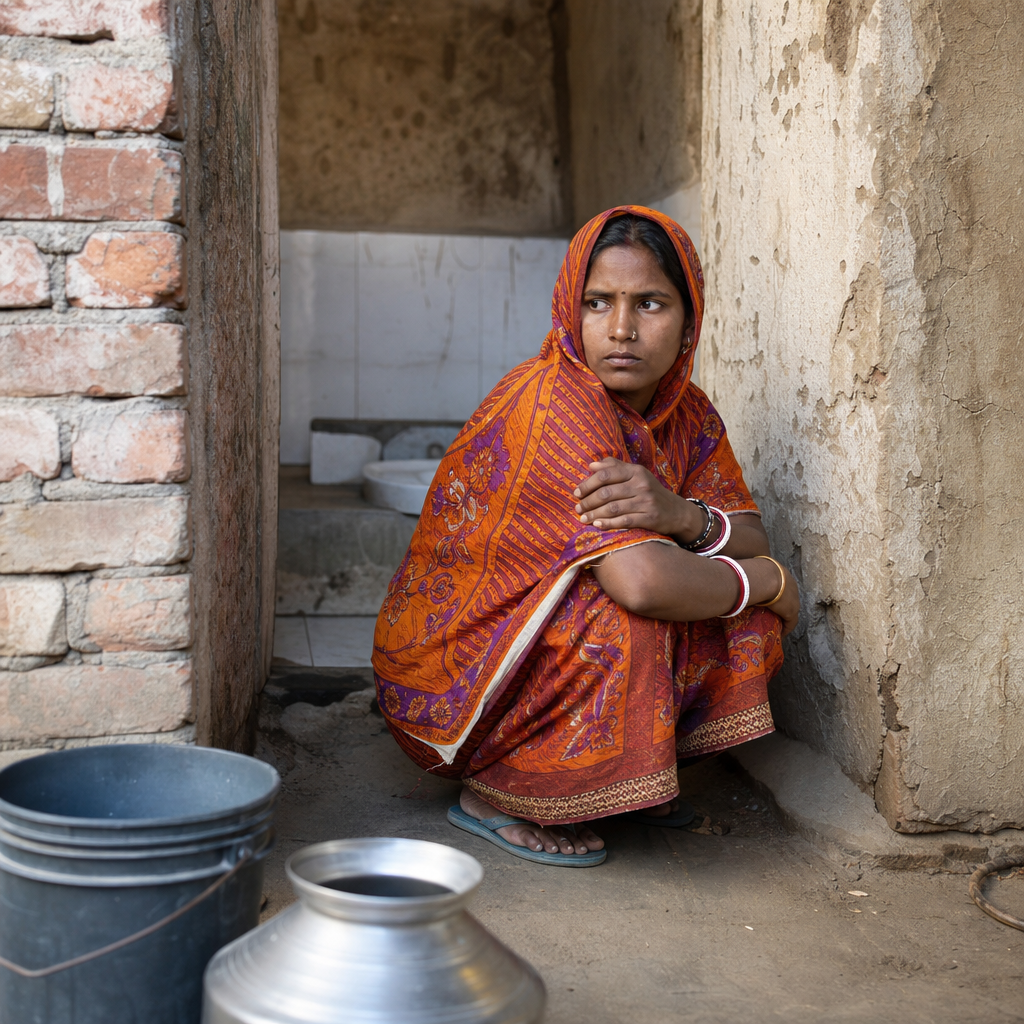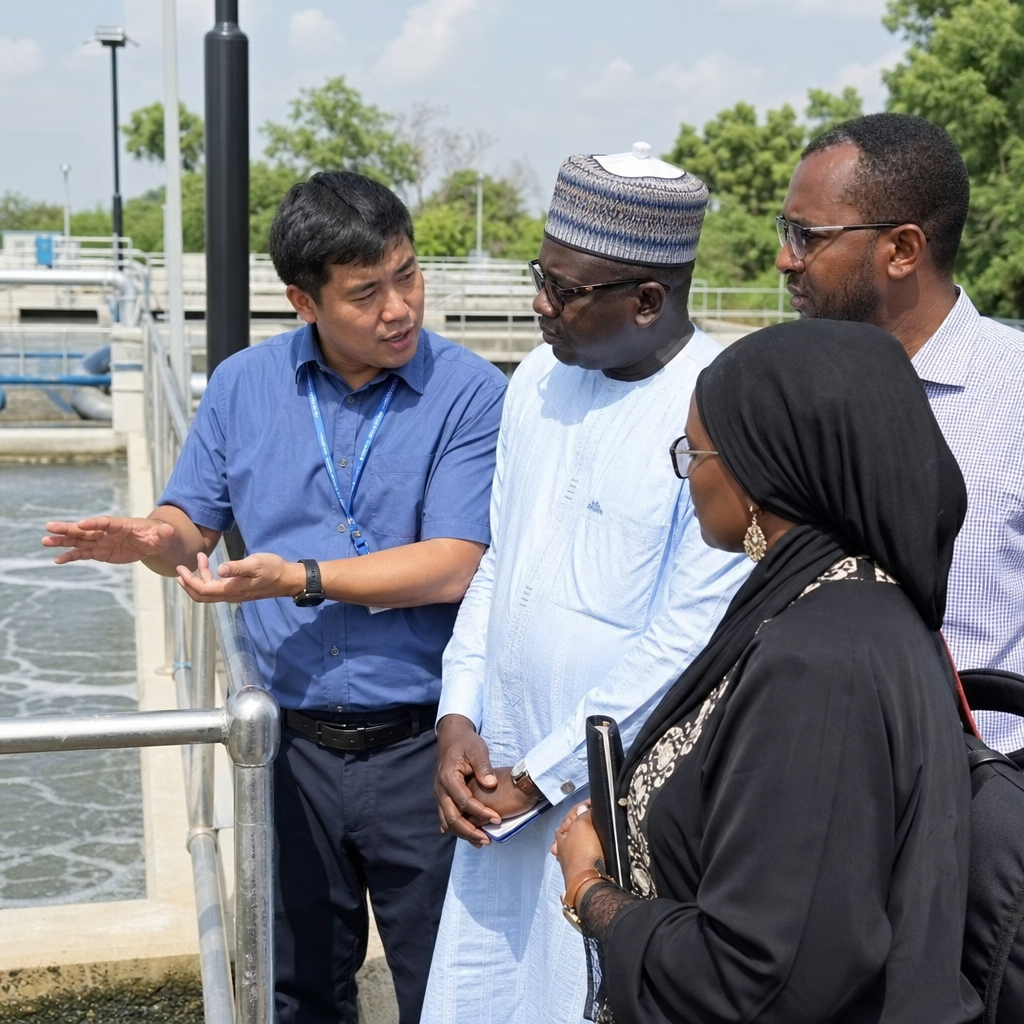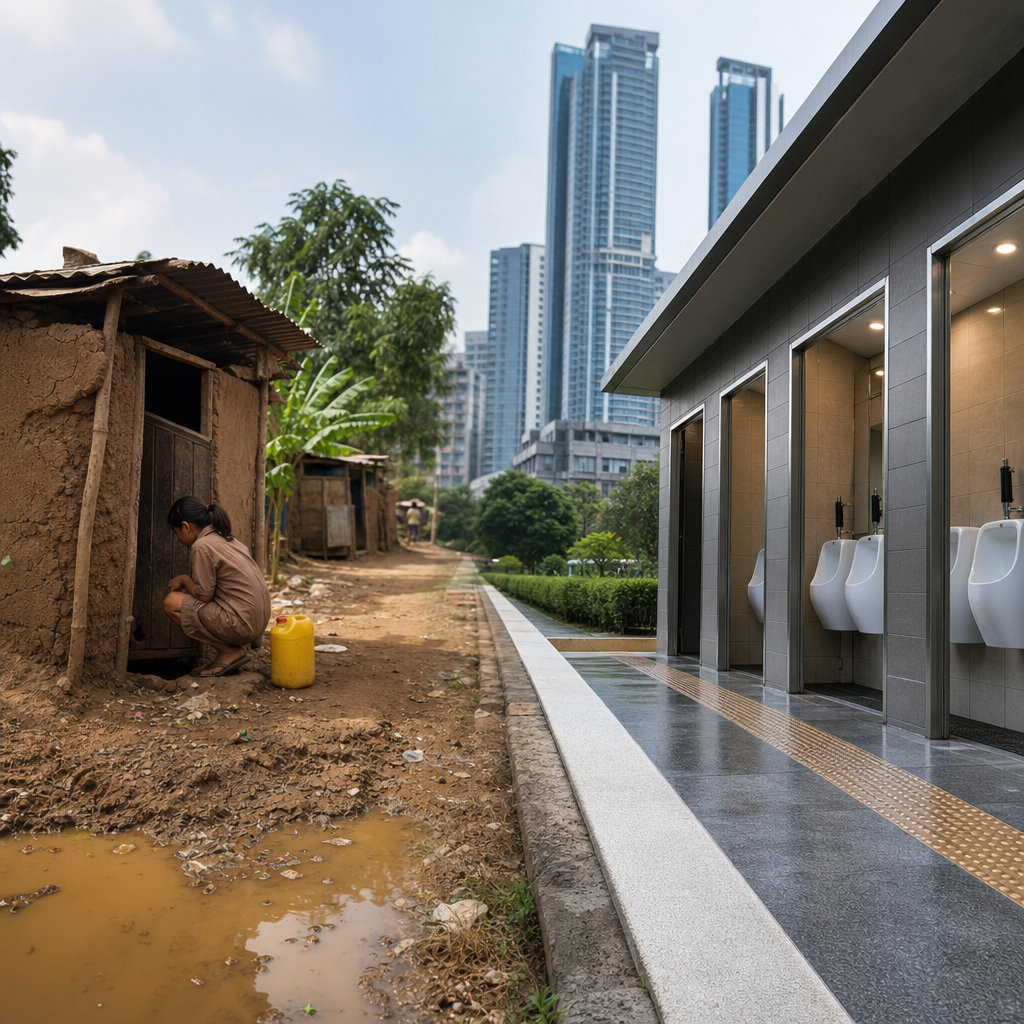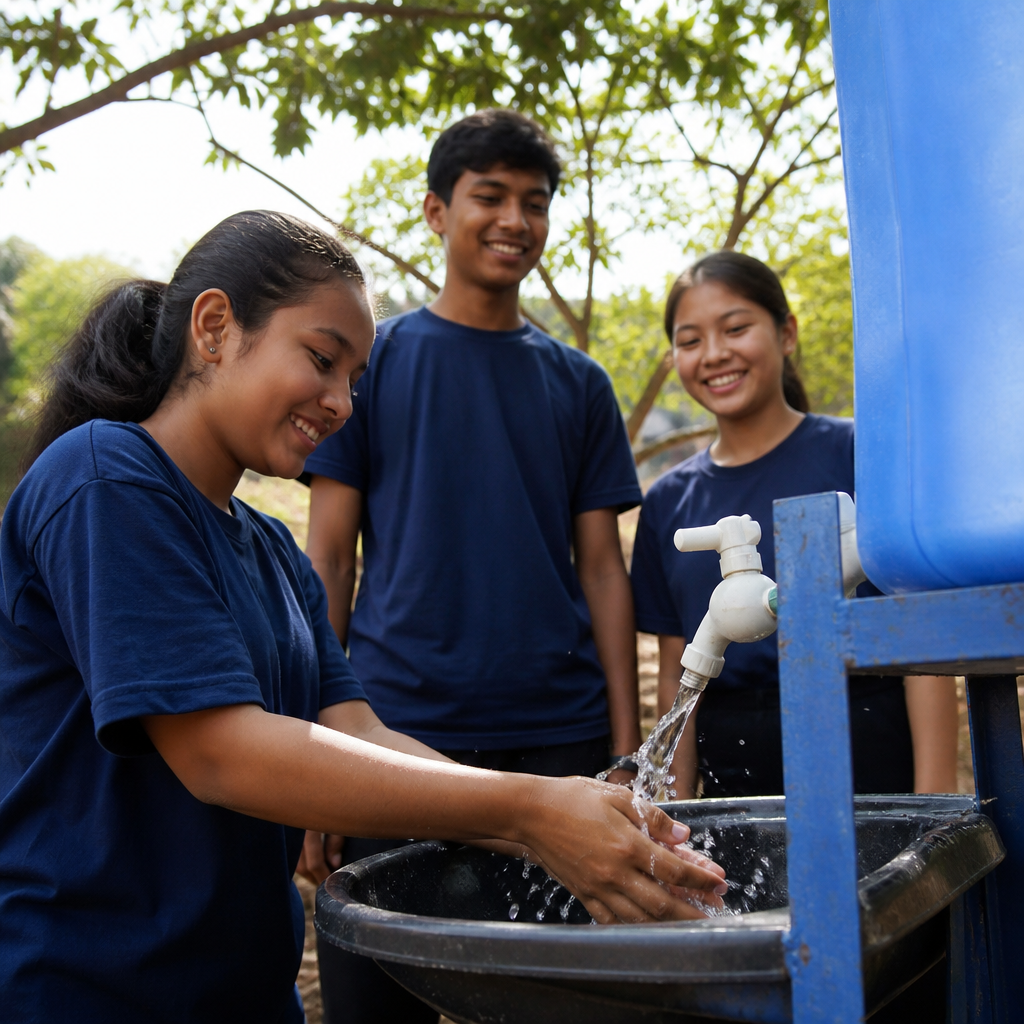
Opportunities for youth engagement in global sanitation are expanding faster than many education systems, employers, and civic institutions recognize. Sanitation includes the safe management of human waste across the full service chain: access to toilets, containment, emptying, transport, treatment, reuse, and the hygiene behaviors that protect health. When sanitation fails, communities face diarrheal disease, parasitic infections, environmental contamination, school absenteeism, lost productivity, and unsafe living conditions, especially in low-income and rapidly urbanizing areas. When sanitation systems work, they improve public health, dignity, gender equity, climate resilience, and local economic development. For young people, this field is not only a humanitarian cause. It is also a space for careers, entrepreneurship, research, advocacy, policy leadership, and community problem solving.
I have seen sanitation projects succeed when youth are involved early and meaningfully, not used as symbolic volunteers at the end. In school WASH programs, student clubs often spot maintenance failures before administrators do. In community campaigns, young organizers can translate technical messages into language families trust. In digital mapping projects, university teams have helped municipalities identify informal settlements lacking safe toilets or fecal sludge services. These examples matter because global sanitation challenges are local in practice. The people closest to service gaps often understand barriers in detail: cost, stigma, menstrual health needs, disability access, flooding, landlord neglect, weak enforcement, and unsafe emptying practices.
This article serves as a hub for global opportunities in sanitation by explaining where youth can contribute, which skills matter, how institutions engage them, and what practical pathways exist across sectors. It covers community action, innovation, public policy, financing, emergency response, and workforce development. It also clarifies an important point: sanitation is broader than toilet construction. The strongest opportunities sit where engineering, behavior change, public health, urban planning, data, and governance intersect. Young people entering this field can create measurable impact if they understand the system, choose the right entry point, and work with credible partners. That combination turns interest into durable public benefit.
Why sanitation needs youth leadership now
Sanitation remains one of the most persistent global development gaps. Billions of people still lack safely managed sanitation, and service deficits are concentrated in informal urban settlements, rural areas, schools, healthcare facilities, and places affected by conflict or climate shocks. Population growth and urban expansion are increasing pressure on already fragile systems. At the same time, heavy rainfall, sea level rise, drought, and flooding are changing how waste moves through communities and ecosystems. These pressures make sanitation both a public health priority and an adaptation challenge. Youth engagement matters because younger generations will live longest with the consequences of underinvestment and are often the first adopters of new tools, communication methods, and service models.
Youth leadership also matters because sanitation behavior and governance are social, not only technical. A city can invest in treatment capacity, but if households cannot afford emptying services, if public toilets are unsafe for girls, or if sludge is dumped illegally due to weak oversight, outcomes remain poor. Young leaders often work effectively across these social dimensions. They can organize peer education, document service failures, support citizen reporting, and advocate for inclusion in municipal budgets. In many countries, youth organizations already influence climate policy, education reform, and public health outreach. Sanitation should be part of that civic agenda because it affects disease burden, school completion, livelihoods, and environmental quality simultaneously.
Community engagement and behavior change opportunities
One of the most immediate ways young people can contribute is through community engagement. Many sanitation barriers are not solved by infrastructure alone. Households may avoid using toilets that feel unsafe, dirty, costly, or culturally inappropriate. Shared facilities may fail because cleaning responsibilities are unclear. Rural sanitation campaigns can stall when programs focus on hardware without addressing norms. Youth groups can support behavior change efforts by conducting local surveys, facilitating discussions, translating health information, and helping communities co-design solutions. The most effective efforts avoid blame. They identify practical constraints and build trust through repeated, visible action.
School-based work is especially important. Students can lead handwashing campaigns, monitor toilet functionality, report supply shortages, and advocate for menstrual health management. In my experience, school sanitation improves faster when youth committees track simple indicators such as water availability, door locks, soap presence, lighting, disability access, and cleaning frequency. Those observations create evidence that principals, parent associations, and local authorities can act on. Community sanitation mapping is another strong entry point. Youth volunteers and students can use tools like KoboToolbox, OpenStreetMap, and mobile GPS apps to identify where public toilets are missing, which drains overflow, and where waste is disposed unsafely. Good data turns anecdotal frustration into actionable planning.
Innovation, technology, and sanitation entrepreneurship
Global sanitation needs more than public funding. It also needs practical innovation and viable businesses. Youth entrepreneurs are well positioned to work on products and services that close service gaps. Opportunities include container-based sanitation, low-water toilet systems, digital platforms for pit emptying bookings, sludge transport logistics, sensor-based monitoring, treatment technologies, and resource recovery models that convert waste into compost, fuel, or construction inputs where regulations permit. The key is solving a real service problem, not building technology for its own sake. In sanitation, business success usually depends on understanding user willingness to pay, municipal rules, maintenance requirements, and the economics of the full service chain.
Some of the strongest examples come from enterprises that simplify messy operational challenges. A mobile service that connects households to licensed emptiers can reduce illegal dumping if pricing is transparent and response times are reliable. A startup that manufactures durable toilet components locally can lower costs and speed repairs. University engineering teams can prototype solutions, but they need field testing with users, operators, and regulators. Human-centered design is essential. So is compliance with public health standards. Young founders should study frameworks from organizations such as the World Health Organization, UNICEF, the World Bank, and the Sustainable Sanitation Alliance, because sanitation products operate within health, environmental, and municipal systems, not in isolation.
| Opportunity area | What youth can do | Skills and tools | Example outcome |
|---|---|---|---|
| Community outreach | Run hygiene campaigns, map service gaps, support school WASH clubs | Facilitation, survey design, KoboToolbox, local language communication | Higher toilet use and faster reporting of broken facilities |
| Entrepreneurship | Launch emptying services, toilet maintenance firms, reuse ventures | Business modeling, customer research, operations planning | Safer fecal sludge management and local job creation |
| Public policy | Join youth councils, analyze budgets, advocate for inclusive sanitation | Policy research, public speaking, data interpretation | Better targeting of municipal sanitation funds |
| Research and data | Collect field data, evaluate programs, build dashboards | GIS, Excel, statistical analysis, ethics protocols | Evidence-based planning and accountability |
| Emergency response | Support hygiene promotion and rapid facility assessments | Risk communication, logistics coordination, safeguarding awareness | Reduced disease transmission in crisis settings |
Policy, governance, and civic participation
Sanitation outcomes improve when young people move beyond project participation and enter decision-making spaces. Municipal sanitation plans, utility investment strategies, school management committees, and public budget hearings all influence whether services reach underserved populations. Youth advocates can review local development plans, ask how sanitation funds are allocated, and press for service standards that include safety, affordability, accessibility, and maintenance. This is especially relevant in urban areas where responsibilities are fragmented among utilities, health departments, environment agencies, schools, and private operators. Without coordinated governance, toilets may be built without treatment capacity, or desludging services may exist without safe disposal sites.
Effective youth advocacy is specific. Rather than asking leaders to “improve sanitation,” strong campaigns request measurable actions: publish ward-level service data, fund separate school toilets for girls and boys, license fecal sludge operators, include disability access in procurement, or budget for operations and maintenance instead of capital works alone. Young researchers can support this work by analyzing public spending, comparing standards, and documenting inequities between neighborhoods. Civic technology also helps. Dashboards, complaint systems, and geotagged reports can expose recurring failures such as broken public toilets, overflowing pits, or uncollected sludge. The goal is not confrontation for its own sake. It is institutional accountability that leads to safer, more inclusive services.
Education, careers, and workforce pathways
Many young people care about sanitation but do not know where professional opportunities exist. In practice, the sector needs a wide talent base. Civil and environmental engineers design containment systems, sewers, treatment plants, and drainage interfaces. Public health specialists study exposure pathways and hygiene behavior. Urban planners integrate sanitation into land use and informal settlement upgrading. Social scientists examine norms, adoption barriers, and gendered safety concerns. Data analysts support monitoring and service targeting. Communications professionals craft public campaigns. Lawyers and policy specialists work on regulation, contracts, and compliance. Finance experts structure blended funding, tariffs, and enterprise growth. Sanitation is a systems field, which makes it unusually open to interdisciplinary youth talent.
Practical entry points include internships with NGOs, utilities, municipal governments, engineering firms, social enterprises, and multilateral programs. Student research can focus on school sanitation audits, fecal sludge management markets, wastewater reuse, climate risk to sanitation infrastructure, or accessibility design. Technical training is equally important. Short courses in GIS, water quality testing, monitoring and evaluation, or behavior change communication often provide faster job readiness than broad theory alone. Professional communities matter too. Young people should follow sector resources from UNICEF, WHO, Sanitation and Water for All, the International Water Association, and national WASH networks. Those spaces provide mentorship, terminology, standards, case studies, and openings that are rarely visible through general job searches.
Sanitation in humanitarian, climate, and public health contexts
Youth engagement is especially valuable where sanitation intersects with emergencies and environmental stress. In displacement camps, conflict zones, and disaster-affected regions, sanitation failures can rapidly trigger disease outbreaks and protection risks. Temporary toilets placed without attention to lighting, distance, privacy, or menstrual hygiene can become dangerous, especially for women and girls. Young volunteers and professionals can support rapid needs assessments, hygiene communication, facility monitoring, and feedback systems that capture user concerns early. These roles require discipline and safeguarding awareness. Crisis sanitation is not improvised charity. It follows established humanitarian standards, including Sphere guidance on excreta disposal, hand hygiene, access, and safety.
Climate change adds another layer of urgency. Flooded pits can contaminate wells, damaged sewers can discharge untreated waste, and drought can undermine water-dependent systems. Youth climate groups often discuss energy, transport, and agriculture, but sanitation deserves equal attention because it directly affects resilience and pollution control. There are concrete opportunities here: mapping sanitation assets in flood-prone areas, supporting nature-based treatment options where suitable, advocating for resilient design standards, and integrating sanitation into local adaptation plans. Public health agencies increasingly recognize that outbreak prevention depends on sanitation reliability. Young professionals who understand both WASH and climate risk will be highly valuable as governments and donors invest more in resilient infrastructure.
How to start and how to contribute effectively
The best first step is to choose one entry point and learn the full sanitation chain behind it. If you begin with school toilets, study maintenance budgets, waste containment, water supply, cleaning systems, accessibility, and menstrual health needs. If you begin with entrepreneurship, understand licensing, treatment endpoints, and customer demand before building a product. Start local, but use global standards. Volunteer with a credible organization, attend municipal meetings, interview operators, and read actual sanitation strategies rather than relying on slogans. Ask basic but powerful questions: Where does waste go after the toilet? Who pays? Who is excluded? What fails during floods? Which agency is accountable?
Young people create the most value when they combine energy with rigor. That means using reliable data, respecting community knowledge, measuring outcomes, and accepting that sanitation progress often depends on operations and governance more than visibility. A repaired toilet with a funded cleaning plan can matter more than a new facility with no maintenance. A well-run desludging service can prevent more contamination than a one-time awareness event. If you want to build a career or movement in this space, focus on long-term service quality, not short-term optics. Sanitation is foundational to health, education, equality, and urban resilience. The opportunity is clear: learn the system, join the work, and help make safe sanitation normal rather than exceptional.
Frequently Asked Questions
What does youth engagement in global sanitation actually involve?
Youth engagement in global sanitation goes far beyond volunteering for a one-day cleanup or participating in awareness campaigns. It includes meaningful involvement across the entire sanitation service chain: promoting access to safe toilets, supporting systems for waste containment, contributing to fecal sludge emptying and transport solutions, helping improve treatment processes, encouraging safe reuse where appropriate, and advancing hygiene practices that reduce disease transmission. Young people can participate as community educators, researchers, social entrepreneurs, policy advocates, designers, engineers, public health communicators, and organizers who help local institutions better understand sanitation needs.
In practical terms, this means youth can help map sanitation gaps in underserved neighborhoods, gather community feedback on toilet usability and safety, develop behavior change campaigns for handwashing and menstrual hygiene, and work with schools or municipalities to improve facilities. In many places, young leaders are especially effective at connecting sanitation to issues their peers already care about, such as dignity, climate resilience, education, gender equity, and employment. Because sanitation intersects with public health, urban planning, environmental protection, and economic development, youth engagement can be both highly local and globally relevant. The most impactful roles are usually those where young people are not treated as symbolic participants, but as problem-solvers with real responsibilities, decision-making power, and access to resources.
Why is sanitation an important area for young people to focus on globally?
Sanitation is one of the most important and often overlooked foundations of healthy, productive communities. When sanitation systems fail, the consequences are immediate and wide-ranging: higher rates of diarrheal disease, parasitic infections, water contamination, unsafe living conditions, school absenteeism, and reduced economic productivity. Children and young people are often among the most affected, especially when poor sanitation in schools discourages attendance, limits menstrual hygiene management, or creates unsafe environments. For youth, focusing on sanitation is not just about infrastructure; it is about protecting health, preserving dignity, improving educational outcomes, and reducing inequality.
Globally, sanitation also matters because it sits at the center of major development challenges. It affects climate adaptation, urban growth, informal settlement upgrading, ecosystem health, and the safe management of increasingly stressed water resources. Young people will inherit many of the long-term consequences of underinvestment in sanitation, but they are also well positioned to drive new approaches. They often bring digital skills, openness to innovation, and strong peer networks that can help accelerate behavior change and community participation. In addition, sanitation work creates opportunities to influence public systems that are central to daily life yet frequently under-prioritized. For youth who want to make a measurable difference, sanitation is a field where local action can lead directly to healthier households, stronger schools, safer public spaces, and more resilient communities.
What kinds of careers and leadership opportunities exist for youth in the sanitation sector?
The sanitation sector offers a surprisingly broad range of pathways, including technical, social, policy, business, and community-based roles. Young people interested in engineering or science may work in toilet design, wastewater treatment, environmental monitoring, resource recovery, or fecal sludge management technologies. Those drawn to public health can contribute through hygiene promotion, disease prevention programs, school health initiatives, and community behavior change strategies. Others may find opportunities in urban planning, social work, gender and inclusion programming, climate resilience, communications, or data analysis. The sector also includes entrepreneurship, such as building service businesses around toilet maintenance, waste collection logistics, sanitation products, treatment innovation, or circular economy models that safely recover nutrients, water, or energy.
Leadership opportunities are equally important. Youth can serve on local advisory boards, organize campus or community sanitation initiatives, participate in global advocacy networks, contribute to nonprofit and social enterprise projects, and influence local government planning through consultations and citizen engagement processes. International organizations, NGOs, public utilities, municipalities, universities, and private companies increasingly recognize the value of youth perspectives, particularly in designing services that are inclusive, affordable, and practical for real users. For young people entering the field, internships, fellowships, hackathons, student research, grassroots organizing, and volunteer roles often provide a starting point. Over time, these experiences can grow into careers where youth not only support sanitation systems, but help lead the decisions that shape them.
How can young people get involved in sanitation work if they do not have technical training?
Technical training is helpful in some roles, but it is not a requirement for meaningful participation in sanitation work. Many of the most important contributions come from communication, organizing, listening, and problem-solving skills rather than engineering expertise. Young people can begin by joining school clubs, youth networks, public health campaigns, or local community groups that focus on hygiene, environmental health, or infrastructure access. They can help identify sanitation challenges through surveys, storytelling, social media campaigns, and participatory mapping. They can also support awareness efforts around handwashing, safe toilet use, menstrual health, stigma reduction, and the links between sanitation, education, and disease prevention.
Another strong entry point is community engagement. Youth can facilitate discussions with residents, help local leaders understand barriers faced by women and girls, document accessibility concerns for people with disabilities, and advocate for safer and more inclusive facilities in schools and public spaces. Basic training in public health, community research, and sanitation systems is increasingly available through online courses, nonprofit workshops, university outreach programs, and international development platforms. These learning opportunities allow young people to build confidence while contributing right away. What matters most is a willingness to learn, respect for community knowledge, and a commitment to practical solutions. In sanitation, people who can bridge the gap between technical systems and everyday human needs are often just as valuable as those with formal engineering backgrounds.
What makes youth engagement in sanitation effective and sustainable over time?
Effective and sustainable youth engagement depends on moving beyond short-term participation and creating real structures for influence, learning, and continuity. Young people are most effective when they are included early in planning, given access to clear information, and trusted with responsibilities that have visible outcomes. This could mean helping design school sanitation improvements, contributing data to municipal planning, co-leading hygiene campaigns, or participating in the evaluation of services. Engagement becomes sustainable when institutions provide mentorship, funding, training, and leadership pathways rather than expecting youth to contribute energy without support. In other words, successful programs treat young people as long-term partners, not temporary helpers.
It is also essential to connect youth engagement to actual system change. If young people identify unsafe toilets, inaccessible facilities, poor waste handling, or harmful hygiene gaps, there must be a mechanism for those findings to inform budgets, policy, service delivery, or community action. Partnerships between youth groups, schools, local governments, utilities, NGOs, and employers are especially important because sanitation challenges rarely sit within one sector alone. Sustainable engagement also requires inclusivity. Programs should involve youth from different backgrounds, including those in low-income communities, informal settlements, rural areas, and historically excluded groups, because they often have the deepest understanding of unmet sanitation needs. When youth engagement is practical, supported, inclusive, and tied to decision-making, it can strengthen sanitation systems while building the next generation of public health and development leaders.