Global efforts to combat waterborne diseases sit at the center of one of the biggest public health opportunities of this century: improving sanitation systems so fewer people become sick from contaminated water, inadequate hygiene, and unsafe waste management. Waterborne diseases are illnesses transmitted through water that carries pathogens such as bacteria, viruses, and parasites. Cholera, typhoid, dysentery, hepatitis A, and diarrheal infections are among the most common examples. In practice, these diseases spread when drinking water is polluted by human or animal waste, when wastewater is poorly managed, or when basic handwashing and toilet access are missing. After working on sanitation content and reviewing field programs across low-income cities, refugee settings, and rural districts, I have seen the same pattern repeatedly: where sanitation infrastructure is weak, disease control becomes fragile, expensive, and reactive.
This matters because the health burden is immense and preventable. The World Health Organization and UNICEF have long shown that unsafe water, sanitation, and hygiene contribute heavily to diarrheal disease, child mortality, malnutrition, and missed school and workdays. Waterborne disease does not only kill; it slows economic development, undermines tourism, raises healthcare costs, and deepens inequality. Children are especially vulnerable because repeated infections impair nutrient absorption and growth. Women and girls face disproportionate effects when sanitation is unsafe, distant, or unavailable, often losing hours each day to water collection or avoiding school during menstruation. Climate change compounds these risks by increasing floods, droughts, salinity intrusion, and infrastructure failures that expose communities to contamination.
As a hub for global opportunities in sanitation, this article explains where progress is happening, which solutions work, and why sanitation should be treated not as a narrow utility issue but as a development multiplier. The strongest sanitation strategies combine infrastructure, governance, financing, behavior change, and disease surveillance. They also connect household toilets to broader systems: safe fecal sludge management, sewer networks where feasible, wastewater treatment, drainage, hand hygiene, and water quality monitoring. Global efforts succeed when they move beyond one-off latrine construction and build durable service chains that protect public health from containment to transport, treatment, and reuse. Understanding that full chain is essential for anyone evaluating sanitation investment, health policy, urban planning, climate resilience, or community development.
Why sanitation is the front line against waterborne disease
Sanitation interrupts disease transmission at its source. When feces are safely contained, removed, treated, and kept away from drinking water, flies, soil, and hands, the chances of pathogen exposure drop sharply. This is the practical foundation of disease prevention. In dense settlements, I have seen how even improved water points fail when drainage is poor and open defecation or overflowing pits contaminate the surrounding area. Safe sanitation protects water sources upstream and downstream, reduces outbreaks after heavy rains, and lowers environmental pathogen loads over time.
The most effective public health framing is simple: sanitation is not just about toilets; it is about safely managing human waste across the full service chain. A household toilet without emptying services can become a hazard. A sewer without treatment can simply move contamination from one neighborhood to a river. A treatment plant without reliable power or trained operators can fail silently. That is why global sanitation programs increasingly use service-level metrics rather than counting infrastructure alone. The JMP service ladder from WHO and UNICEF, citywide inclusive sanitation approaches, and sanitation safety planning all push decision-makers to look at outcomes, not only assets.
There are broad development gains as well. Better sanitation improves school attendance, workplace productivity, land values, and community dignity. Hospitals become safer when waste streams are controlled. Tourism markets benefit when beaches and urban waterfronts are not polluted by sewage. Food systems become more secure when irrigation water is cleaner. The return is therefore multi-sectoral, which is why ministries of health, water, education, finance, and urban development all have a stake in sanitation reform.
Global disease patterns and the communities at highest risk
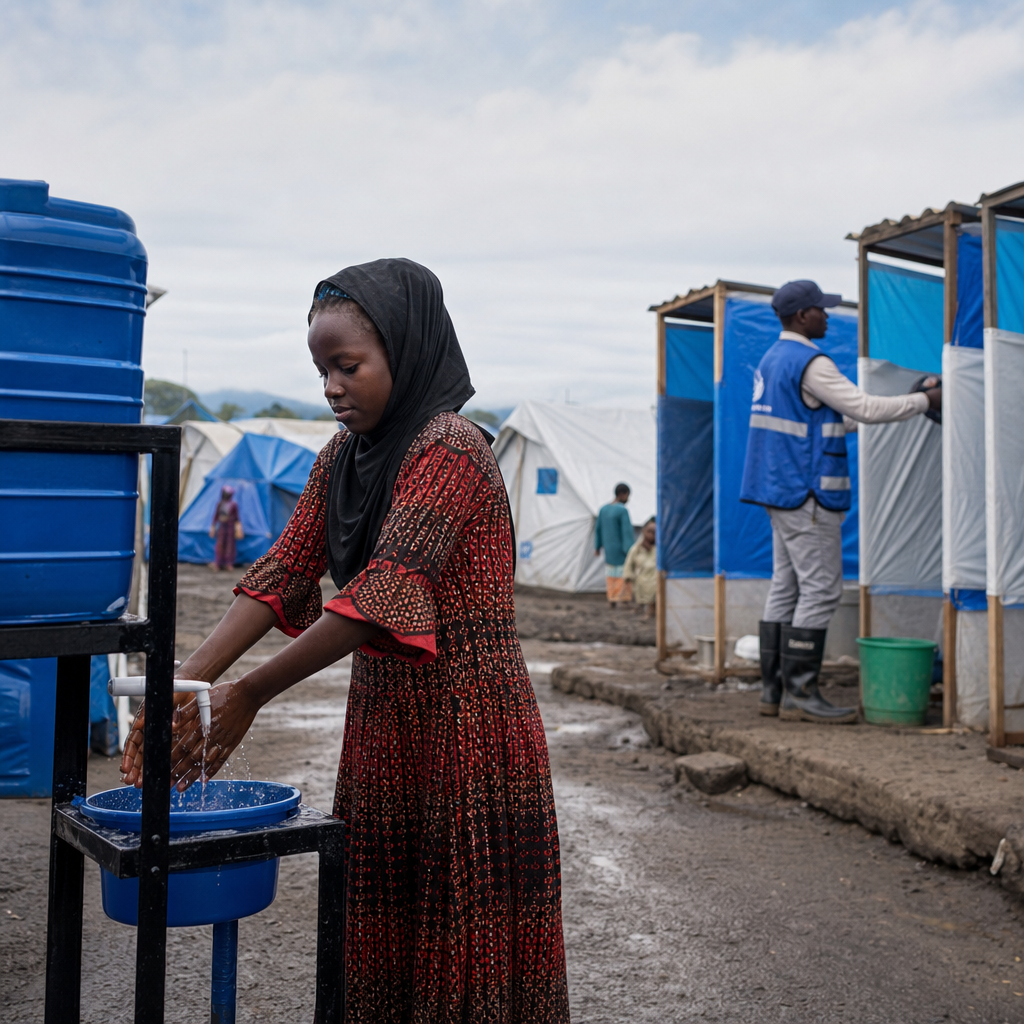
Waterborne diseases are global, but the burden is concentrated where services are weakest. Informal urban settlements often face the highest exposure because population density magnifies the consequences of leaking sewers, shared toilets, and inadequate drainage. Rural communities can also be highly vulnerable, especially where groundwater is contaminated, pit latrines are poorly sited, or seasonal flooding spreads waste into wells and surface water. Humanitarian crises create especially severe risks because displacement overwhelms existing infrastructure and compresses large populations into temporary settings.
Cholera illustrates how sanitation failures and inequality intersect. Outbreaks often follow conflict, flood damage, or prolonged underinvestment in urban water and sanitation systems. The disease spreads rapidly when fecal contamination reaches food and drinking water, but it is preventable through safe water, sanitation, oral cholera vaccines, rapid treatment, and surveillance. Typhoid follows similar structural patterns, particularly where sewage mixes with household water supplies. Rotavirus, norovirus, cryptosporidium, and other diarrheal pathogens are also common where hygiene and sanitation are inadequate, and they are especially dangerous for young children and immunocompromised people.
Risk is shaped by more than geography. Poverty, weak local government capacity, insecure land tenure, and gender inequality all influence whether sanitation services reach households consistently. Communities that lack legal recognition may be excluded from sewer extensions or municipal waste collection. Schools without separate, functional toilets for girls see lower attendance. Health facilities without reliable sanitation struggle with infection prevention and control. Effective global efforts therefore target systems and social barriers together.
What successful sanitation systems have in common
The most successful sanitation programs share four traits: they focus on service delivery, match technology to context, build accountable institutions, and finance operations over time. In practical terms, this means choosing between sewers, septic systems, container-based sanitation, urine-diverting toilets, or pit latrines based on density, soil, water table, affordability, and maintenance capacity rather than prestige. In many fast-growing cities, onsite sanitation and fecal sludge management deliver faster health gains than waiting decades for universal sewer coverage.
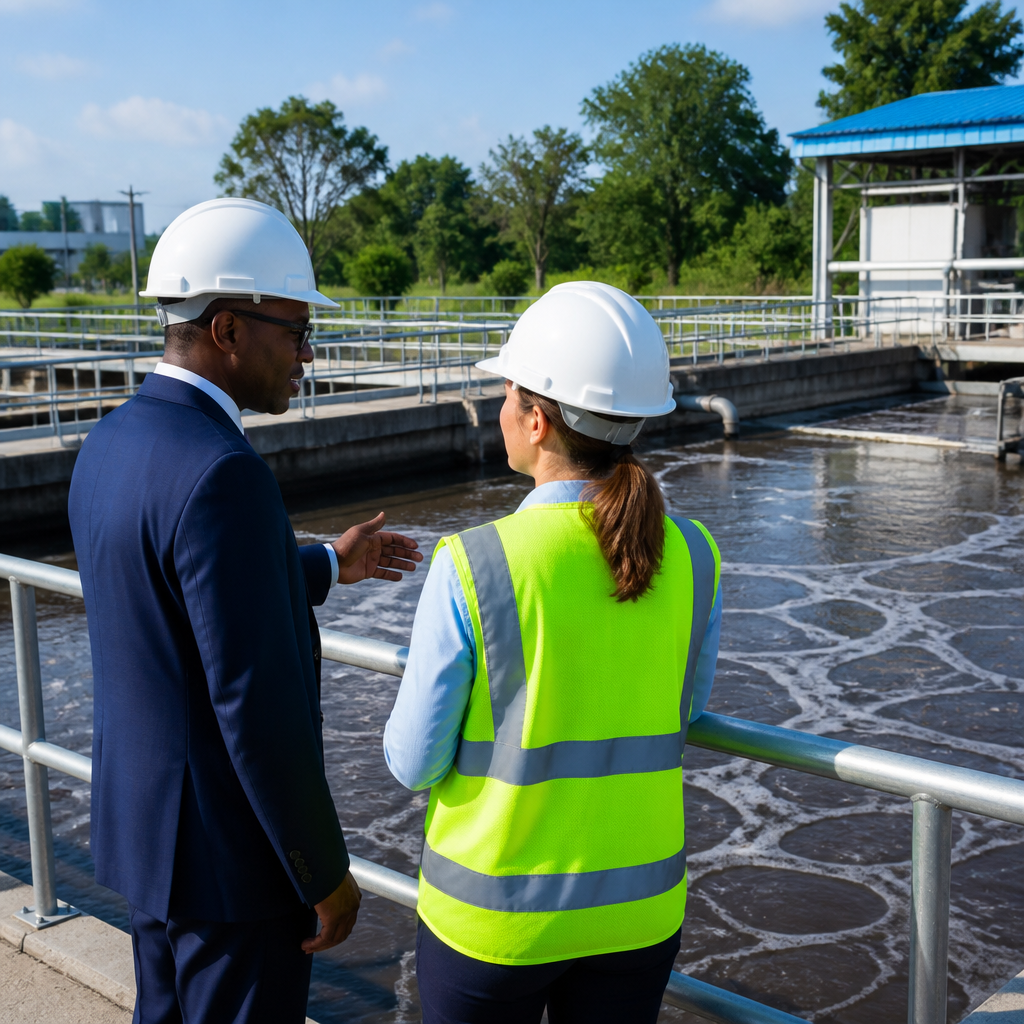
Successful systems also measure the entire pathway from toilet use to final disposal or reuse. Emptying trucks, transfer stations, drying beds, anaerobic digesters, constructed wetlands, and wastewater treatment plants all matter because failure at any point can return pathogens to the environment. Utilities and municipalities that perform well usually have clear mandates, tariff structures, operator training, customer feedback channels, and routine monitoring for overflows, illegal dumping, and effluent quality.
| Sanitation approach | Best fit | Main advantage | Key limitation |
|---|---|---|---|
| Sewer networks with treatment | Dense formal urban areas | High-volume waste removal and centralized treatment | Capital-intensive and slow to expand |
| Septic tanks | Peri-urban and rural homes | Common, familiar, and suitable off-grid | Needs regular desludging and proper soakaway design |
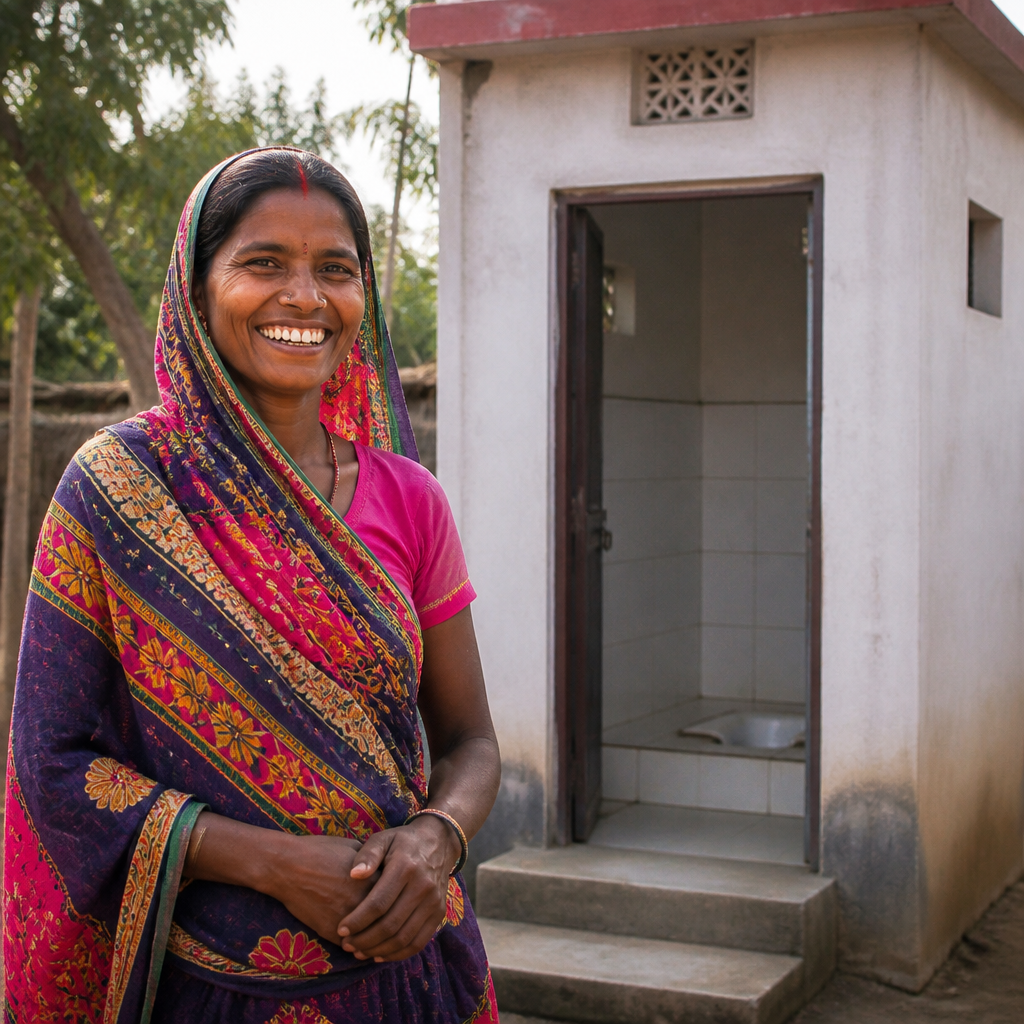
| Pit latrines | Low-density, low-cost settings | Affordable basic containment | Risk of groundwater contamination and unsafe emptying |
| Container-based sanitation | Dense informal settlements | Works where pits and sewers are impractical | Requires strong collection logistics and user trust |
| Fecal sludge treatment and reuse | Cities reliant on onsite systems | Closes service gaps quickly and can recover resources | Needs regulation, markets, and steady O&M funding |
One lesson repeated across continents is that maintenance is policy, not an afterthought. Toilets fail when supply chains for parts are weak, when operators are unpaid, or when sludge disposal is unregulated. By contrast, sanitation markets strengthen when local masons are trained, desludging businesses are licensed, and treatment plants are integrated into city budgets. That is where lasting disease reduction comes from.
Promising global opportunities in sanitation
The biggest global opportunities in sanitation are now in inclusive urban service models, climate-resilient infrastructure, digital monitoring, and circular economy reuse. Citywide inclusive sanitation has gained traction because it accepts a reality many planners once ignored: most residents in rapidly expanding cities will rely on a mix of onsite and networked systems for years. Rather than treating non-sewered areas as temporary exceptions, this model designs safe service chains for everyone, including low-income neighborhoods, renters, and informal settlements. That is a major opportunity for disease reduction because exclusion leaves the highest-risk populations unserved.
Climate-resilient sanitation is another high-value area. Flood-resistant toilets, sealed containment, elevated latrines, decentralized wastewater treatment, and stormwater management can prevent contamination after extreme weather. In delta cities and coastal areas, salinity and sea-level rise complicate conventional designs, making adaptive systems essential. Development banks and climate funds increasingly recognize sanitation as resilience infrastructure, not only as a social service.
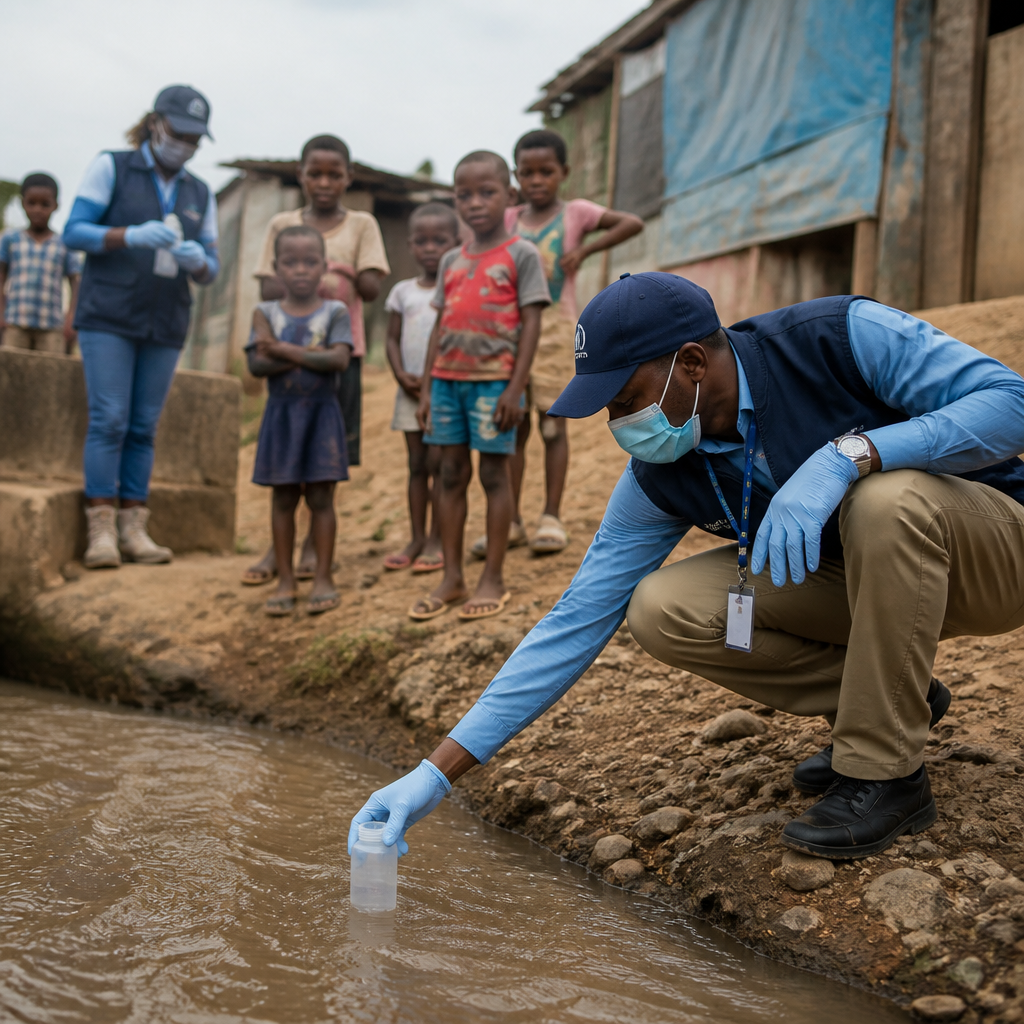
Digital tools are improving accountability. Utilities and municipalities now use GIS mapping, remote sensors, mobile payment systems, and customer reporting platforms to track desludging schedules, illegal discharge, treatment plant performance, and service complaints. These tools do not replace governance, but they make service gaps visible. I have reviewed municipal dashboards where hotspots for blocked drains and overflowing containment structures clearly predicted contamination risks before outbreaks escalated.
Resource recovery also creates opportunities. Properly treated sludge can support compost production, soil conditioning, energy generation through biogas, and, in some contexts, industrial fuel substitution. Wastewater reuse can support agriculture when treatment standards are met. These models do not justify weak health safeguards; pathogen reduction must remain nonnegotiable. Still, when regulation is strong, reuse can improve financial sustainability and attract private operators who would otherwise avoid the sector.
Public health strategy, financing, and partnerships
Combating waterborne disease requires more than engineering. The most effective national strategies combine sanitation investment with vaccination campaigns, oral rehydration access, handwashing promotion, water safety planning, and laboratory-backed surveillance. During cholera control efforts, for example, emergency chlorination and vaccination can reduce immediate deaths, but long-term prevention depends on sanitation upgrades in hotspots. That is why the strongest global plans map disease incidence against infrastructure deficits and then prioritize investment geographically.
Financing remains a decisive challenge. Sanitation often loses budget battles because benefits are distributed across health, education, environment, and productivity rather than captured by one agency. Smart financing blends public funds, utility revenues, household contributions, concessional loans, and targeted subsidies for low-income users. Results-based financing, output-based aid, and blended finance can work, but only when local institutions can verify services and enforce standards. Private sector participation is useful in desludging, construction, treatment operations, and digital service delivery, yet regulation must prevent unsafe dumping and price gouging.
Partnerships matter because no single actor controls the whole chain. Municipalities manage land use and licensing. Utilities operate water and, sometimes, sewerage. Ministries of health track disease trends. NGOs often mobilize communities and pilot new service models. Multilateral institutions such as the World Bank, UNICEF, WHO, and regional development banks provide financing, technical guidance, and benchmarking. Research groups and universities contribute pathogen monitoring, design improvements, and cost-effectiveness analysis. When these actors coordinate around shared service standards and public health outcomes, sanitation programs scale faster and break the cycle of repeated outbreaks.
What the future demands from governments and communities
Future progress depends on treating sanitation as essential public infrastructure with measurable health outcomes. Governments need stronger regulatory frameworks for fecal sludge management, wastewater discharge, occupational safety, and service quality. They also need better data. Too many countries still cannot accurately say what proportion of waste is safely managed after leaving the household. Without that visibility, contamination remains hidden until clinics fill up.
Communities also play a central role. Demand for toilets matters, but so does trust in emptying services, willingness to pay for reliable collection, and local oversight of shared facilities. Behavior change programs work best when they are practical and culturally grounded, not moralizing. In schools and health centers, management routines, soap availability, cleaning schedules, and menstrual hygiene support are as important as construction. Global opportunities in sanitation will be realized not by isolated projects but by institutions and communities that keep systems functioning every day.
The core lesson is straightforward: the fight against waterborne diseases is won through sanitation systems that are inclusive, financed, climate-aware, and accountable from household containment to safe treatment. Global efforts already show what works. Cities that strengthen fecal sludge management reduce contamination faster. Rural districts that protect water points and improve toilets cut diarrheal disease risk. Health systems that integrate surveillance with infrastructure planning respond earlier and spend less on crisis control. If you are shaping policy, funding infrastructure, or planning community programs, prioritize sanitation as a frontline investment. It is one of the clearest opportunities to save lives while building healthier, more resilient economies.
Frequently Asked Questions
What are waterborne diseases, and why do they remain such a major global health challenge?
Waterborne diseases are illnesses caused by harmful microorganisms in contaminated water, including bacteria, viruses, and parasites. Common examples include cholera, typhoid fever, dysentery, hepatitis A, and many forms of diarrheal disease. These infections spread when people drink unsafe water, prepare food with contaminated water, or come into contact with water affected by poor sanitation and unmanaged human waste. In many communities, the risk is intensified by weak sewage systems, limited access to toilets, overcrowding, flooding, and poor hygiene infrastructure.
They remain a major global health challenge because water safety is closely tied to poverty, infrastructure, climate, and public health capacity. In low-resource settings, even a single failure in water treatment, sanitation, or waste disposal can expose entire communities to repeated outbreaks. Children are especially vulnerable, and recurring diarrheal illness can contribute to malnutrition, missed school, and long-term health complications. On a broader level, waterborne diseases strain hospitals, reduce productivity, and place a heavy burden on national health systems. That is why global efforts to combat them focus not only on emergency response, but also on long-term investments in safe drinking water, sanitation systems, hygiene education, and disease surveillance.
What are the most effective global strategies for preventing waterborne diseases?
The most effective strategies are often grouped under the WASH framework: water, sanitation, and hygiene. Safe drinking water is the first priority. This includes protecting water sources, treating water through filtration or chlorination, maintaining reliable distribution systems, and monitoring water quality on an ongoing basis. When households have access to safe water close to home, infection risks decline dramatically.
Sanitation is equally important. Building and maintaining toilets, sewer networks, wastewater treatment plants, and systems for safe waste disposal helps prevent human waste from contaminating rivers, wells, and groundwater. In areas without large-scale infrastructure, community sanitation programs, fecal sludge management, and low-cost toilet solutions can still make a major difference. Hygiene measures such as handwashing with soap, safe food preparation, menstrual hygiene support, and public education campaigns further reduce transmission.
Global strategies also include vaccination for diseases such as cholera and typhoid in high-risk areas, stronger disease surveillance systems, outbreak early-warning tools, and rapid-response health teams. Many international organizations, governments, and NGOs now emphasize integrated prevention, meaning they combine infrastructure upgrades with community engagement, school-based education, public health outreach, and local capacity building. This comprehensive approach is considered the most sustainable way to reduce waterborne illness over time.
How do international organizations and governments work together to fight waterborne diseases?
International cooperation is essential because waterborne disease prevention touches public health, engineering, education, environmental protection, and emergency response all at once. Governments typically lead national planning by setting water quality standards, funding sanitation infrastructure, organizing health services, and coordinating responses to outbreaks. International organizations such as the World Health Organization, UNICEF, the World Bank, and regional development agencies often provide technical expertise, financing, training, data support, and emergency assistance.
In practice, this collaboration may involve helping a country expand rural water access, improve laboratory testing, train public health workers, or modernize wastewater systems in growing cities. During outbreaks, global partners can help deploy oral cholera vaccines, water purification supplies, rehydration treatment, mobile testing units, and communication campaigns that teach families how to stay safe. Long-term partnerships are especially important because infrastructure projects require sustained funding, local workforce development, and policy support well beyond the initial launch phase.
Many successful programs also depend on coordination at the local level. Municipal leaders, health ministries, schools, engineers, and community organizations all play a role in making sure solutions are practical and maintained over time. This is one reason the global push against waterborne diseases is increasingly focused on resilience: not just solving a crisis in the moment, but building systems that can withstand population growth, natural disasters, and climate-related disruptions.
How does climate change affect efforts to control waterborne diseases?
Climate change is making waterborne disease control more difficult in many parts of the world. Rising temperatures, more intense rainfall, prolonged droughts, and stronger floods can all disrupt water systems and increase exposure to contaminated water. Heavy storms may overwhelm sewers and treatment plants, causing untreated waste to enter drinking water sources. Flooding can contaminate wells and force families into crowded conditions where sanitation breaks down. At the same time, drought can reduce access to safe water, pushing communities to rely on unsafe sources.
Warmer conditions may also support the survival or spread of some pathogens in water and food systems. In coastal regions, changing environmental conditions can increase the risk of cholera and other water-related infections. These patterns mean that public health systems must now plan for more frequent disruptions, not just routine service delivery.
To respond, global efforts are increasingly incorporating climate resilience into water and sanitation planning. This includes flood-resistant infrastructure, backup water treatment capacity, stronger watershed protection, better urban drainage, early-warning systems, and emergency stockpiles of sanitation and medical supplies. It also means using climate and health data together so governments can identify high-risk areas before outbreaks escalate. In simple terms, fighting waterborne diseases today requires not only cleaner water systems, but also smarter systems that can adapt to a changing environment.
What can communities and individuals do to support the global fight against waterborne diseases?
While large-scale infrastructure and policy reforms are critical, communities and individuals remain central to prevention. At the household level, simple actions such as boiling or treating drinking water when necessary, storing water in clean covered containers, washing hands with soap, using toilets safely, and preparing food hygienically can greatly reduce infection risks. Families can also protect vulnerable members by recognizing symptoms early and seeking treatment quickly, especially for dehydration caused by diarrheal illness.
Community action is just as powerful. Local leaders can organize clean water committees, promote hygiene education in schools, advocate for better sanitation services, and monitor shared water points for safety issues. Community health workers often serve as the bridge between national health campaigns and day-to-day local behavior, helping people understand how diseases spread and what practical steps can stop them. In rural and informal urban settings, community-based sanitation planning has often been one of the most effective ways to create lasting improvements.
On a broader level, individuals can support the global effort by backing policies and organizations that invest in safe water access, public health systems, and sustainable sanitation. Raising awareness matters because waterborne diseases are preventable, yet they still affect millions of people where basic services are lacking. The more communities are informed, engaged, and equipped to demand safe water and sanitation, the stronger the global response becomes.