Healthy habits begin long before adulthood, and one of the most practical lessons children can learn is how sanitation and hygiene shape everyday health. When schools and families teach kids about EcoSan and hygiene, they are not only explaining how to wash hands or use a toilet correctly; they are building lifelong attitudes about cleanliness, safety, dignity, and care for the environment. EcoSan, short for ecological sanitation, is an approach to sanitation that treats human waste as a resource to be managed safely instead of a problem to be hidden or ignored. Hygiene refers to the daily practices that prevent disease, including handwashing, safe water handling, menstrual hygiene, food hygiene, and clean toilet use.
I have worked on school health and sanitation programs where the biggest difference did not come from expensive infrastructure alone. It came when children understood why toilets must stay clean, why soap matters, why flies spread disease, and why waste must be handled safely. Once kids grasped that connection, behavior changed faster. Teachers reported fewer stomach complaints, parents copied school routines at home, and maintenance improved because children felt ownership of the space.
This matters because poor sanitation and weak hygiene practices remain major drivers of diarrheal disease, intestinal worm infections, skin conditions, and school absenteeism. According to the World Health Organization and UNICEF Joint Monitoring Programme, safely managed sanitation and hygiene services are still out of reach for billions of people globally. For children, the effects are immediate: missed school days, reduced concentration, dehydration, embarrassment, and avoidable illness. In communities with limited water access or overcrowded facilities, these risks grow quickly.
Enhancing health through EcoSan means teaching children how the full sanitation chain works: containment, separation where appropriate, safe use, cleaning, treatment, and reuse or disposal. It also means showing that hygiene is not an isolated lesson but part of a wider health and safety system. A school can have toilets, but if there is no soap, no cleaning schedule, no privacy, and no child-friendly instruction, health outcomes stay poor. This hub article explains the core concepts, the school and home practices that matter most, and the practical ways educators and caregivers can help kids turn EcoSan and hygiene into healthy habits.
What EcoSan Means for Children’s Health
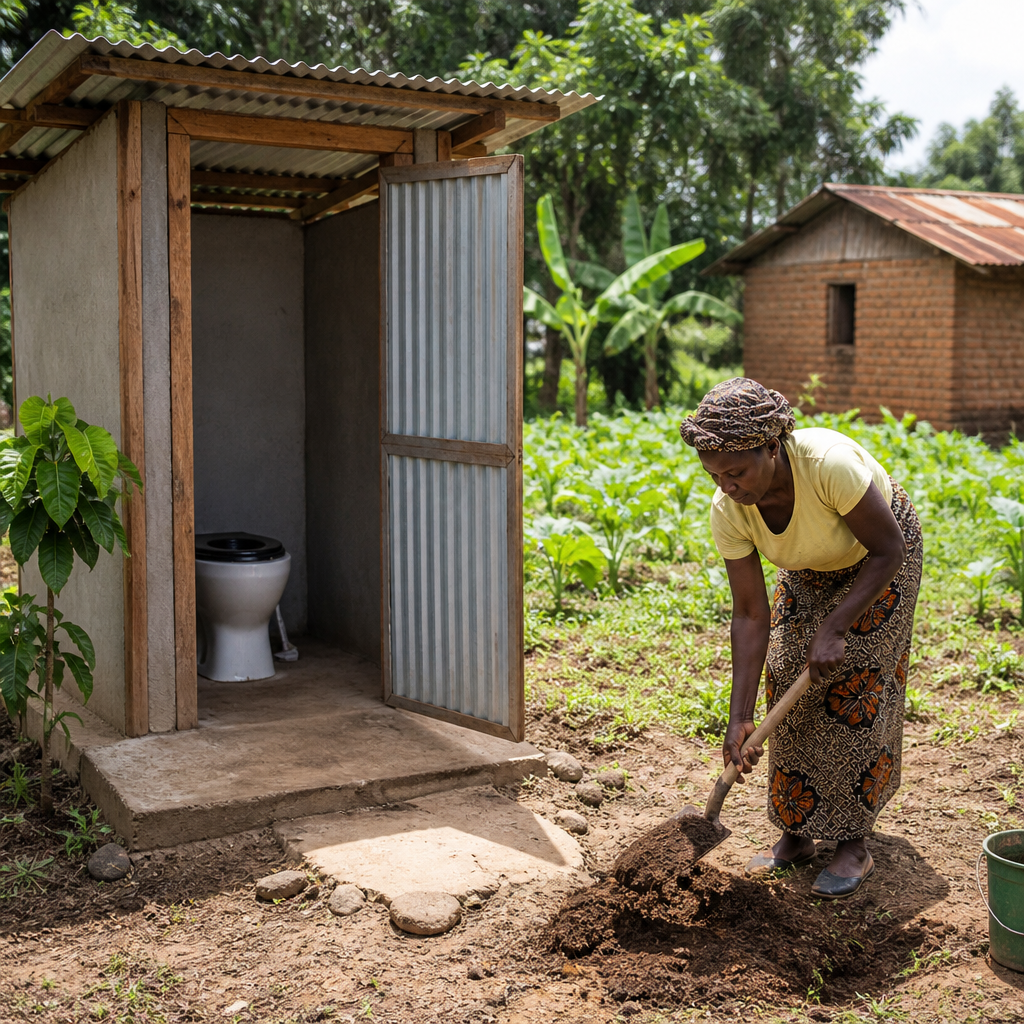
EcoSan is a sanitation approach designed to protect human health and the environment by safely managing urine and feces, often through systems that reduce water use and enable treatment and beneficial reuse. In plain terms, it teaches that waste must never contaminate hands, water, food, soil, or surfaces people touch every day. Some EcoSan systems separate urine and feces, some compost treated waste, and some use dry toilets in water-scarce areas. The exact technology varies, but the health goal is constant: break the chain of infection.
For children, that chain is easiest to understand through direct examples. If a toilet is left dirty, flies can land on feces and then on food. If a child does not wash hands after toileting, germs can move to a snack, a pencil, or a younger sibling. If wastewater drains poorly, mosquitoes can breed nearby. I have seen students understand this quickly when lessons connect sanitation to familiar routines rather than abstract public health language.
EcoSan also helps children see sanitation as part of environmental stewardship. In places where flush toilets strain scarce water supplies, dry or low-water options can be more resilient. In agricultural communities, properly treated sanitation by-products may support soil health when regulations, treatment standards, and local acceptance align. That point must be taught carefully: untreated waste is dangerous, while treated material handled under clear safety controls can be useful. Children do not need technical complexity, but they do need the rule that safe treatment comes before any reuse.
As the hub for enhancing health through EcoSan, this topic connects naturally to related health and safety articles on handwashing, school toilet design, menstrual hygiene support, safe drinking water, waste segregation, deworming, and disease prevention. Together, those topics form a complete picture of how sanitation habits protect growing bodies and learning environments.
Core Hygiene Habits Kids Should Learn Early
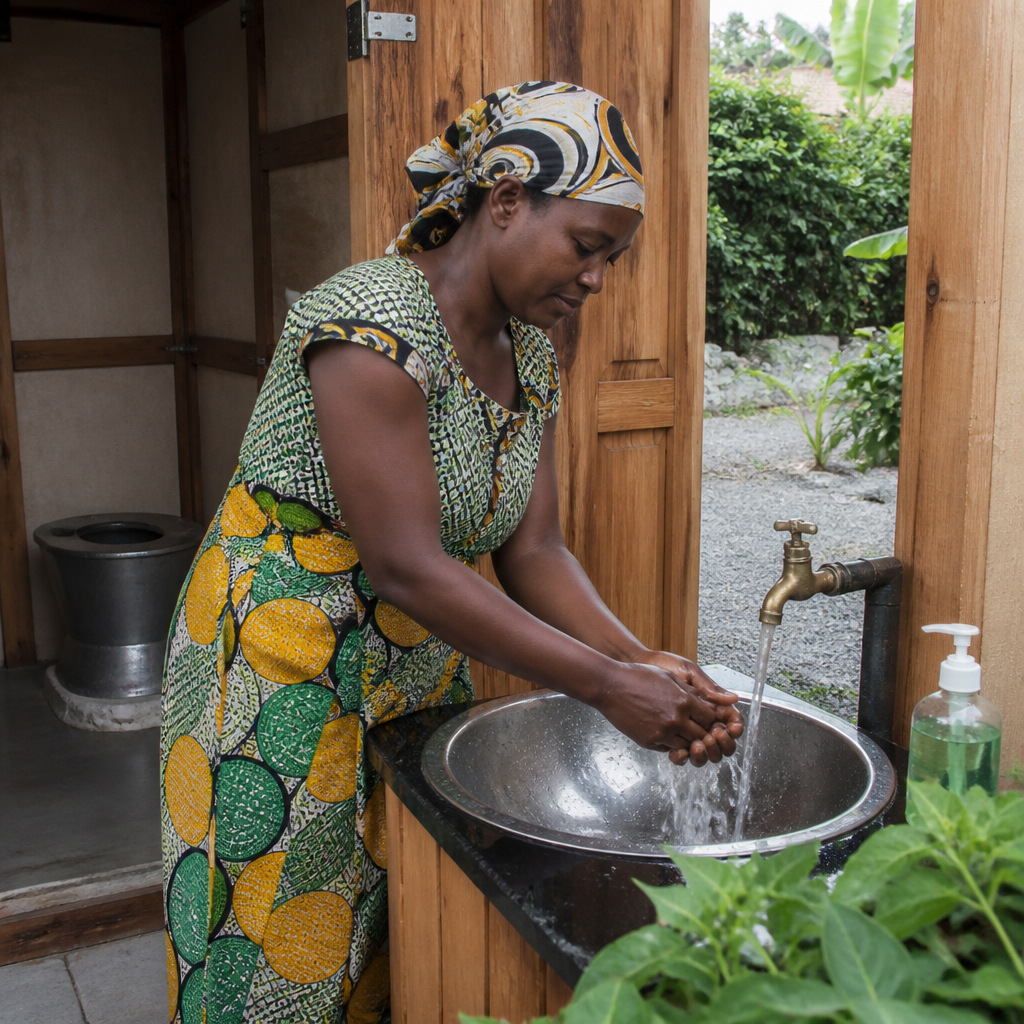
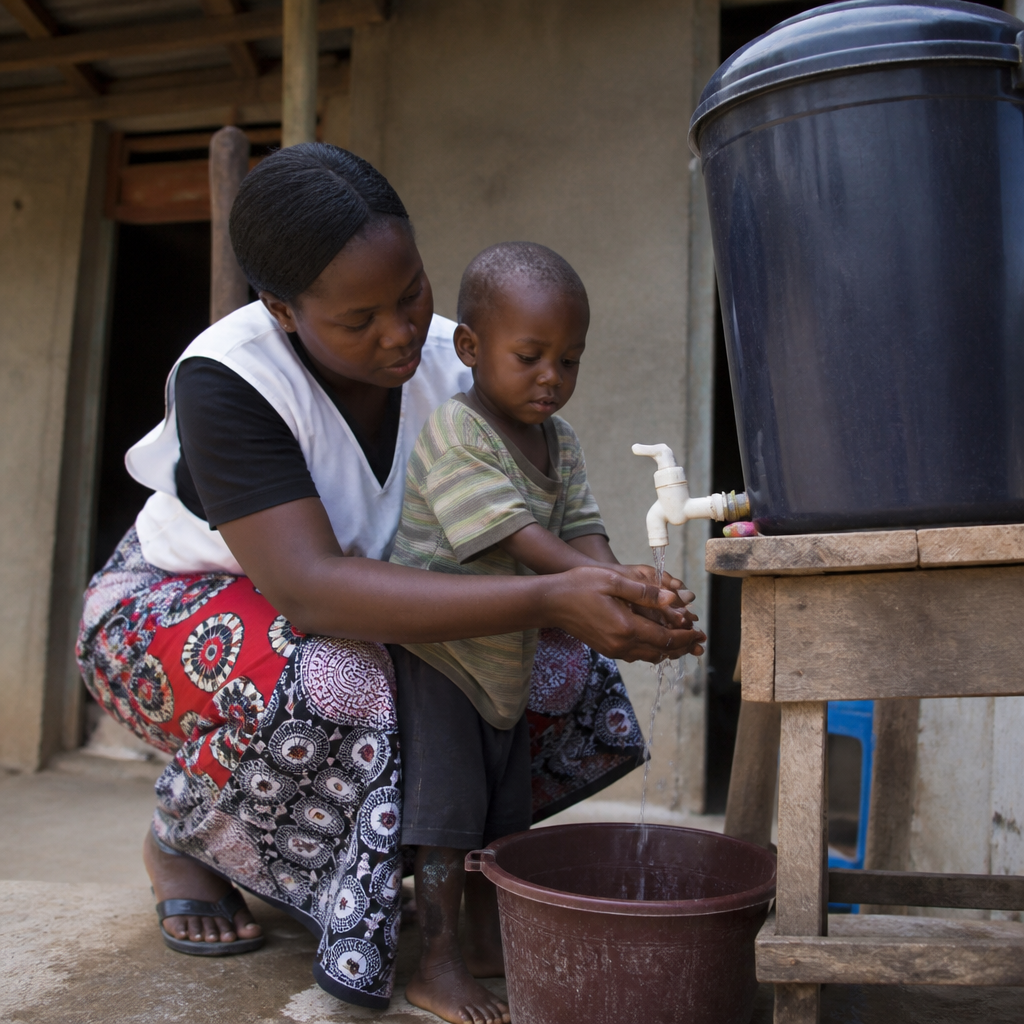
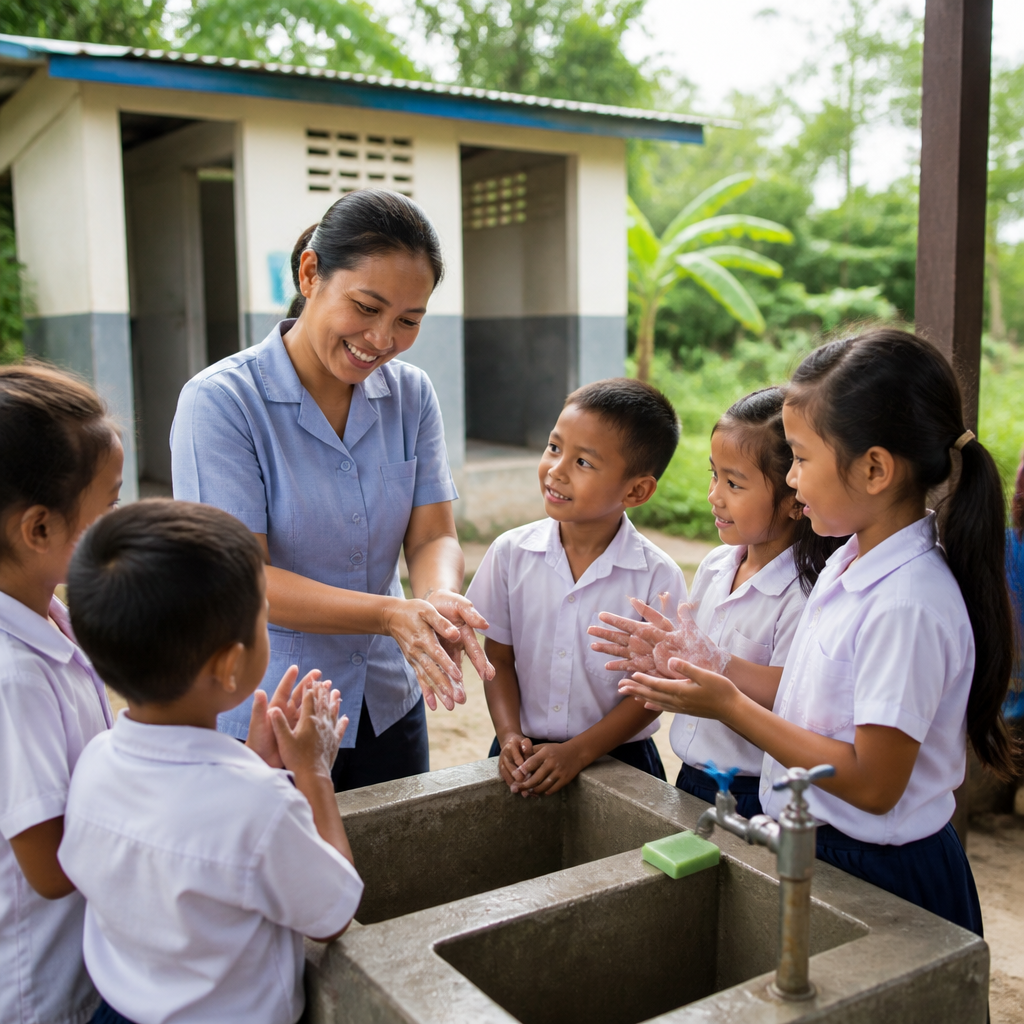
The most effective hygiene education focuses on a short list of repeatable behaviors. First is handwashing with soap at critical times: after using the toilet, after cleaning a child, before eating, before preparing food, and after handling waste or animals. Soap is important because it lifts oils and microbes from the skin more effectively than water alone. The standard technique should cover palms, backs of hands, fingers, thumbs, fingertips, and wrists for about twenty seconds, followed by rinsing with safe water and drying with a clean towel or air.
Second is correct toilet use. Children need explicit instruction on opening, using, and leaving a toilet clean, including how much paper to use, where to dispose of it, how to close lids where relevant, and when to report spills or blocked pits. Third is safe water behavior: drink from clean containers, avoid dipping dirty cups into shared storage, and keep lids closed. Fourth is personal cleanliness, such as regular bathing, nail trimming, and changing into clean clothes after play.
Girls and boys also need age-appropriate education on puberty and menstrual hygiene. In practice, this means privacy, disposal options, access to water, and language that removes shame. Schools that avoid the topic usually see attendance problems and anxiety increase. By contrast, when students know what products are available and where they can wash discreetly, confidence improves.
| Habit | Why It Matters | Simple Teaching Method |
|---|---|---|
| Handwashing with soap | Reduces fecal-oral disease transmission | Use songs, posters, and supervised routines |
| Clean toilet use | Prevents contamination and keeps facilities usable | Demonstrate steps and assign peer monitors |
| Safe water handling | Prevents recontamination after collection or storage | Show covered containers and no-touch pouring |
| Nail and body cleanliness | Lowers dirt and microbe buildup | Weekly hygiene checks with positive feedback |
| Menstrual hygiene support | Improves comfort, dignity, and attendance | Private guidance and stocked wash spaces |
These routines work best when adults model them consistently. Children notice whether teachers wash hands, whether caregivers keep toilets supplied, and whether rules apply to everyone. Habits form through repetition, visibility, and convenience, not through lectures alone.
How Schools Can Build an EcoSan and Hygiene Culture
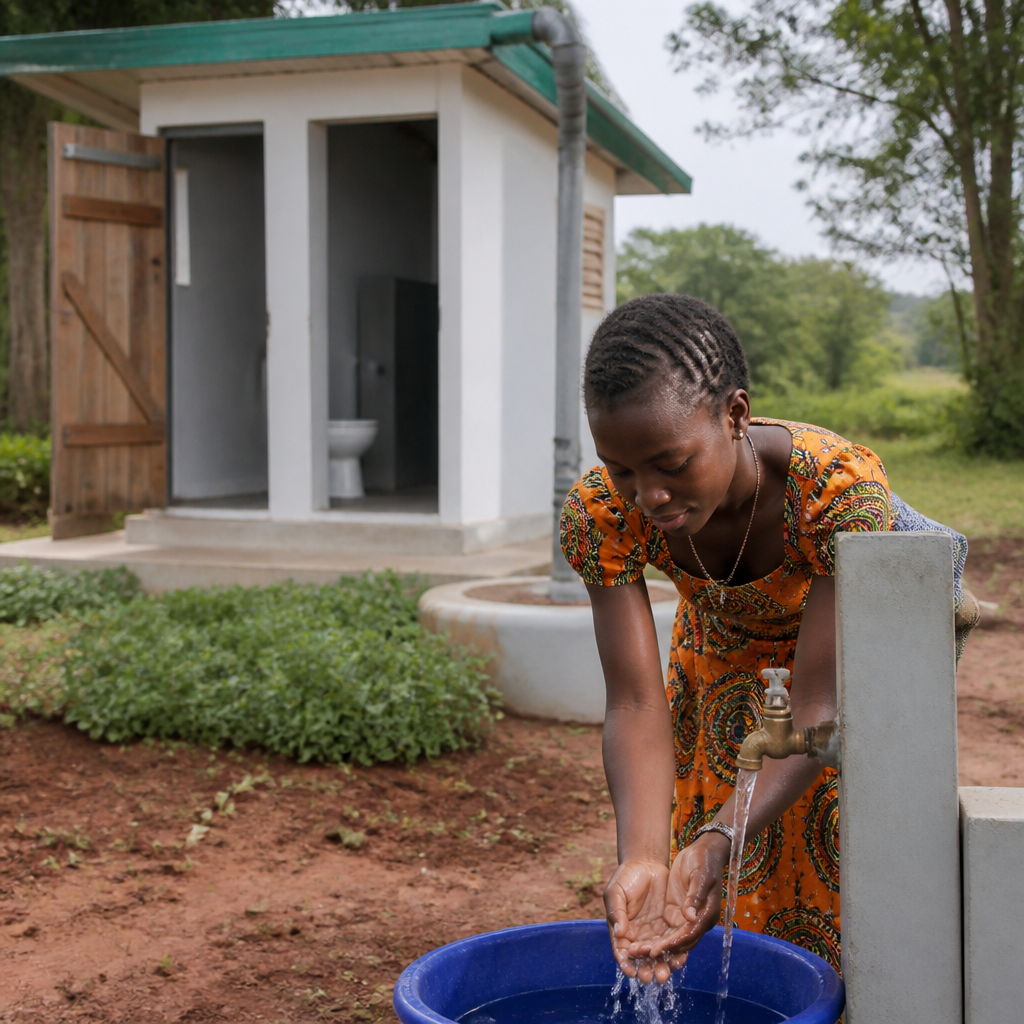
A healthy school sanitation program depends on more than building latrines. The strongest programs combine infrastructure, behavior change, maintenance, supervision, and accountability. At minimum, children need safe, accessible toilets; handwashing stations with soap and water; cleaning tools; clear schedules; menstrual hygiene support; and a process for repairs. Without these basics, even well-designed lessons lose credibility.
In schools I have supported, the turning point was usually a simple operating system. Each block had a cleaning roster, a teacher responsible for supply checks, and student health clubs that reported broken taps or empty soap containers. This was not about shifting cleaning labor onto children; it was about giving them a role in observation, reminders, and pride of place. Professional or designated adult cleaning remained essential, especially for disinfecting high-touch surfaces and managing waste safely.
Design also affects use. Younger children need lower basins, smaller toilet seats or child-friendly squat plates, doors that lock from the inside without trapping them, and pathways that stay usable in rain. Girls need privacy and disposal bins. Children with disabilities need ramps, handrails, space for assistance, and inclusive layouts. When facilities are hard to use, children avoid them, wait too long, or practice open defecation nearby, all of which increase health risks.
Schools should teach hygiene across subjects rather than treating it as a one-off assembly topic. Science classes can explain germs and decomposition. Social studies can cover shared responsibility and public spaces. Art can reinforce handwashing steps through posters children create themselves. Monitoring should be practical: soap availability, functionality of taps, toilet cleanliness, absenteeism patterns, and student feedback. If a school measures only whether a facility exists, it misses whether that facility is protecting health.
Connecting EcoSan Lessons to Home and Community Practice
Children carry sanitation lessons home, but transfer is not automatic. Families may have different toilet types, different water access, and different beliefs about waste. Effective EcoSan education respects those realities while reinforcing nonnegotiable health principles. The message should be simple: keep feces contained, keep hands clean, protect water, control flies, and treat waste safely before any reuse.
One practical method is sending home illustrated checklists that do not assume literacy levels are high. A sheet can show washing hands after toileting, storing drinking water covered, keeping animals away from food areas, and reporting damaged latrines. Parent meetings work better when they include demonstrations, not just speeches. I have seen strong engagement when facilitators used glow powder or colored paint to simulate germ spread from an unwashed hand to cups, desks, and doorknobs.
Community context matters as well. In dense settlements, pit emptying, drainage, and shared facility cleaning can be the main risks. In rural areas, distance to water sources and seasonal flooding may drive contamination. In drought-prone regions, low-water sanitation and handwashing devices such as tippy taps may be more realistic than standard sinks. Good education names these tradeoffs honestly. The aim is not to promote one toilet model everywhere, but to promote behaviors and systems that protect health in local conditions.
This hub topic also links closely with community waste management, vector control, child nutrition, and safe play spaces. When sanitation fails, health problems rarely stay isolated. Diarrhea affects appetite and nutrient absorption. Worm infections reduce energy and concentration. Dirty surroundings increase stigma and discourage school use. Strong EcoSan habits therefore support both immediate wellbeing and longer-term development.
Common Challenges and What Actually Improves Results
The most common mistake in child hygiene education is assuming knowledge alone changes behavior. Many students can recite handwashing steps yet skip them when soap is missing, queues are long, or facilities feel unsafe. Another mistake is treating toilet construction as the finish line. I have assessed schools with new blocks that quickly became unusable because no one budgeted for water refills, cleaning supplies, pit management, or minor repairs.
Results improve when programs address barriers directly. If children avoid toilets because of smell, cleanliness and ventilation must be fixed. If younger students fear dark cubicles, improve lighting and supervision. If girls miss school during menstruation, provide disposal bins, water, privacy, and trusted staff support. If children with disabilities cannot enter facilities independently, redesign access rather than offering workarounds that reduce dignity.
Another challenge is unsafe messaging around resource recovery. EcoSan can include composting or reuse pathways, but only after proper treatment that meets health safeguards. Guidance from organizations such as the World Health Organization emphasizes multiple barriers to pathogen exposure, including containment, treatment time, handling controls, and crop-use restrictions where applicable. Children should learn the principle that waste can become safe only through managed treatment, never through wishful thinking or shortcuts.
What consistently works is routine. Daily inspection, weekly reinforcement, visible supplies, clear responsibilities, and child-friendly teaching create stable habits. Schools and families do not need perfection on day one. They need systems that make the healthy choice the easy choice, then improve them steadily over time.
Why This Hub Matters for Enhancing Health Through EcoSan
Teaching kids about EcoSan and hygiene is one of the most reliable ways to strengthen health and safety at the same time. Children learn how disease spreads, how toilets and handwashing interrupt that spread, and how environmental care supports community wellbeing. They also gain practical confidence: using facilities correctly, speaking up when supplies run out, respecting privacy, and helping keep shared spaces clean.
The central lesson is straightforward. Sanitation is not only about infrastructure, and hygiene is not only about personal neatness. Together, they form a protective system that reduces infection, supports attendance, preserves dignity, and makes schools and homes safer. EcoSan adds an important dimension by showing that sanitation choices affect water, soil, maintenance, and long-term sustainability. When taught well, these ideas are not too complex for children. They become memorable because they connect directly to daily life.
As a hub for enhancing health through EcoSan, this page points to the wider topics every strong program needs: safe handwashing, child-friendly toilets, inclusive design, menstrual hygiene management, water safety, cleaning protocols, and community sanitation practices. Each subtopic deepens the same goal of healthier habits that last beyond the classroom.
If you are building a health and safety curriculum, start with the basics children can practice today: wash hands with soap, use toilets correctly, keep water clean, and understand why safe sanitation protects everyone. Then connect those habits to the wider EcoSan system so children see not just what to do, but why it matters.
Frequently Asked Questions
What is EcoSan, and how can children understand it in a simple way?
EcoSan, or ecological sanitation, is a way of managing human waste that protects health and the environment at the same time. A simple way to explain it to children is to say that EcoSan helps people use toilets in a cleaner, safer, and smarter way so germs do not spread and valuable nutrients are not wasted. Instead of treating waste as something to ignore, EcoSan teaches that it must be handled responsibly to keep water, soil, and communities healthy. In some systems, waste is safely processed and turned into useful material for agriculture, which helps children see the connection between sanitation, nature, and everyday life.
For kids, the lesson should focus on practical ideas they can understand: using the toilet properly, keeping the toilet area clean, washing hands after using the bathroom, and respecting shared spaces. As they grow older, they can learn that sanitation is not only about personal cleanliness but also about protecting rivers, reducing pollution, and helping communities stay healthier. Teaching EcoSan in age-appropriate language helps children see that hygiene is part of caring for themselves, other people, and the world around them.
Why is it important to teach kids about hygiene and sanitation at an early age?
Teaching children about hygiene and sanitation early in life is important because habits formed in childhood often last into adulthood. When children learn to wash their hands with soap, use toilets correctly, keep drinking water clean, and understand why cleanliness matters, they are building routines that reduce the spread of disease. These simple actions can help prevent diarrhea, intestinal infections, skin problems, and many other illnesses that affect children’s growth, school attendance, and overall well-being.
Early education also shapes attitude and responsibility. Children who understand sanitation are more likely to respect school toilets, keep shared spaces cleaner, and remind others to practice healthy habits. Just as importantly, teaching hygiene early supports dignity and confidence. A child who knows how to stay clean, manage personal hygiene, and use sanitation facilities safely is better prepared for school, social situations, and independent living. Over time, these lessons do more than protect individual health—they help create cleaner households, stronger communities, and a generation that values both public health and environmental care.
How can parents and teachers make EcoSan and hygiene lessons engaging for children?
Parents and teachers can make EcoSan and hygiene lessons more engaging by connecting them to daily routines and using hands-on activities. Children learn best when lessons feel real and practical, so adults can demonstrate proper handwashing, explain why toilets must be used and cleaned correctly, and involve children in simple cleanliness tasks appropriate for their age. Songs, stories, posters, games, role-playing, and picture-based demonstrations are especially effective for younger children because they turn important health messages into something memorable and easy to repeat.
It also helps to link lessons to cause and effect. For example, adults can explain that germs are too small to see, but they can still make people sick if hands are not washed before eating or after using the toilet. Older children may benefit from learning how waste can contaminate water sources, how sanitation affects the environment, and how EcoSan systems can contribute to sustainability when managed correctly. When children are invited to ask questions, observe good examples, and participate in keeping their environment clean, the lesson becomes more meaningful. Consistency between home and school is especially powerful, because repeated messages from trusted adults reinforce healthy behavior and turn learning into habit.
What are the most important hygiene habits children should practice every day?
The most important daily hygiene habits for children include washing hands with soap and clean water at key times, using the toilet properly, and keeping their bodies and surroundings clean. Handwashing is especially important after using the toilet, before eating, before handling food, and after playing outside or touching dirty surfaces. Children should also learn to flush or properly manage toilet use according to the type of sanitation system available, avoid leaving waste exposed, and keep toilet areas tidy. These steps reduce the spread of germs and make sanitation spaces safer and more pleasant for everyone.
Other essential habits include bathing regularly, brushing teeth twice a day, wearing clean clothes, trimming nails, covering the mouth and nose when coughing or sneezing, and drinking safe, clean water. Children should also learn not to litter and to understand that waste belongs in the correct place. In an EcoSan context, this can include respecting the rules of a specific toilet system and learning why correct use matters. While these habits may seem basic, together they form a strong foundation for health, self-respect, and social responsibility. The goal is not perfection, but consistency—small everyday actions that become normal and automatic over time.
How does teaching EcoSan and hygiene help communities as well as individual children?
Teaching EcoSan and hygiene benefits individual children by reducing illness, improving comfort, and helping them develop healthy routines, but the impact reaches much further than the individual. When children understand sanitation and hygiene, they often carry those lessons into their homes, influencing siblings and even adults. A child who consistently washes hands, uses sanitation facilities properly, and understands the importance of cleanliness can become a powerful messenger for healthier family behavior. Over time, this shared knowledge can reduce preventable disease, lower the burden on caregivers, and improve school attendance and participation.
At the community level, these lessons support cleaner public spaces, safer water, and greater environmental awareness. EcoSan education can help children and families understand that poor waste management does not just create bad smells or dirty conditions—it can contaminate soil and water, attract pests, and spread infections. By contrast, responsible sanitation protects natural resources and supports long-term community health. It also encourages dignity, inclusion, and respect, especially when sanitation facilities are shared. In this way, teaching kids about EcoSan and hygiene is not only a health lesson; it is an investment in public well-being, environmental stewardship, and a more informed and responsible future generation.