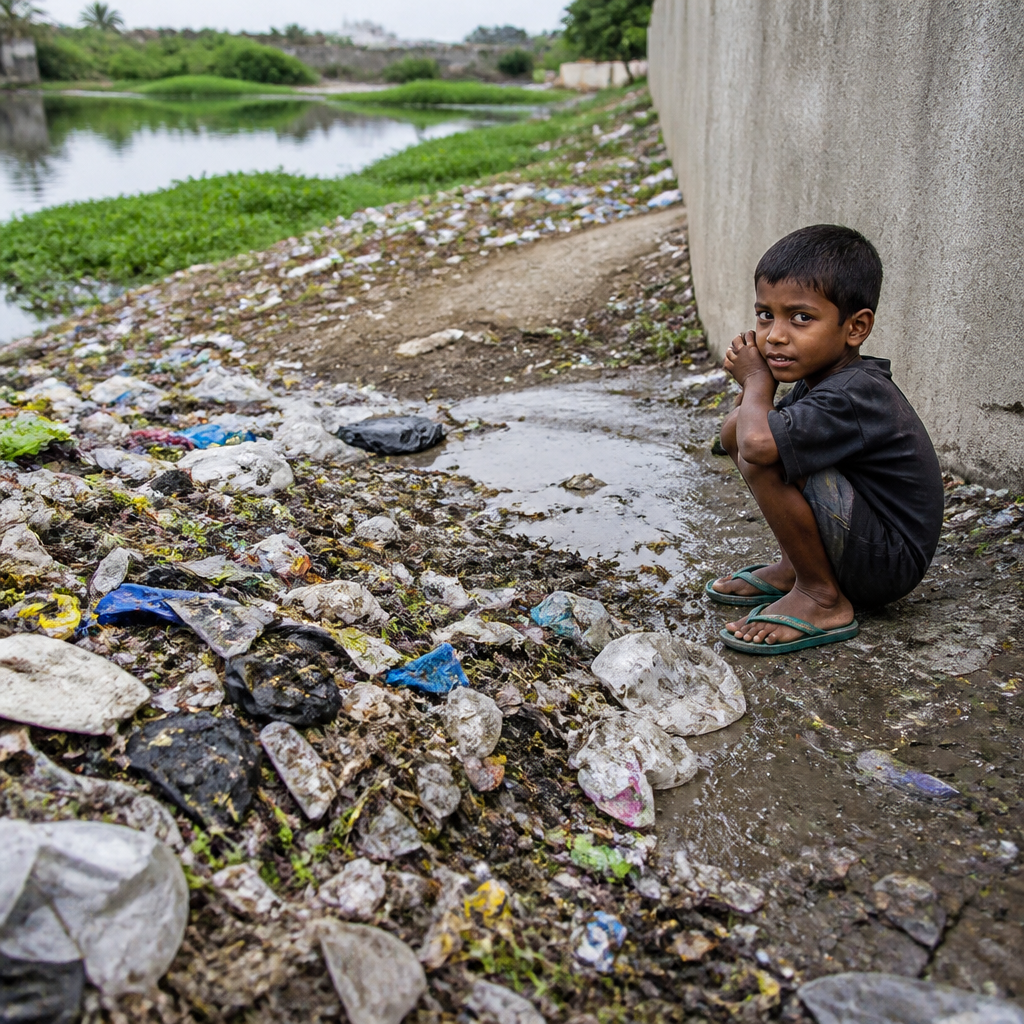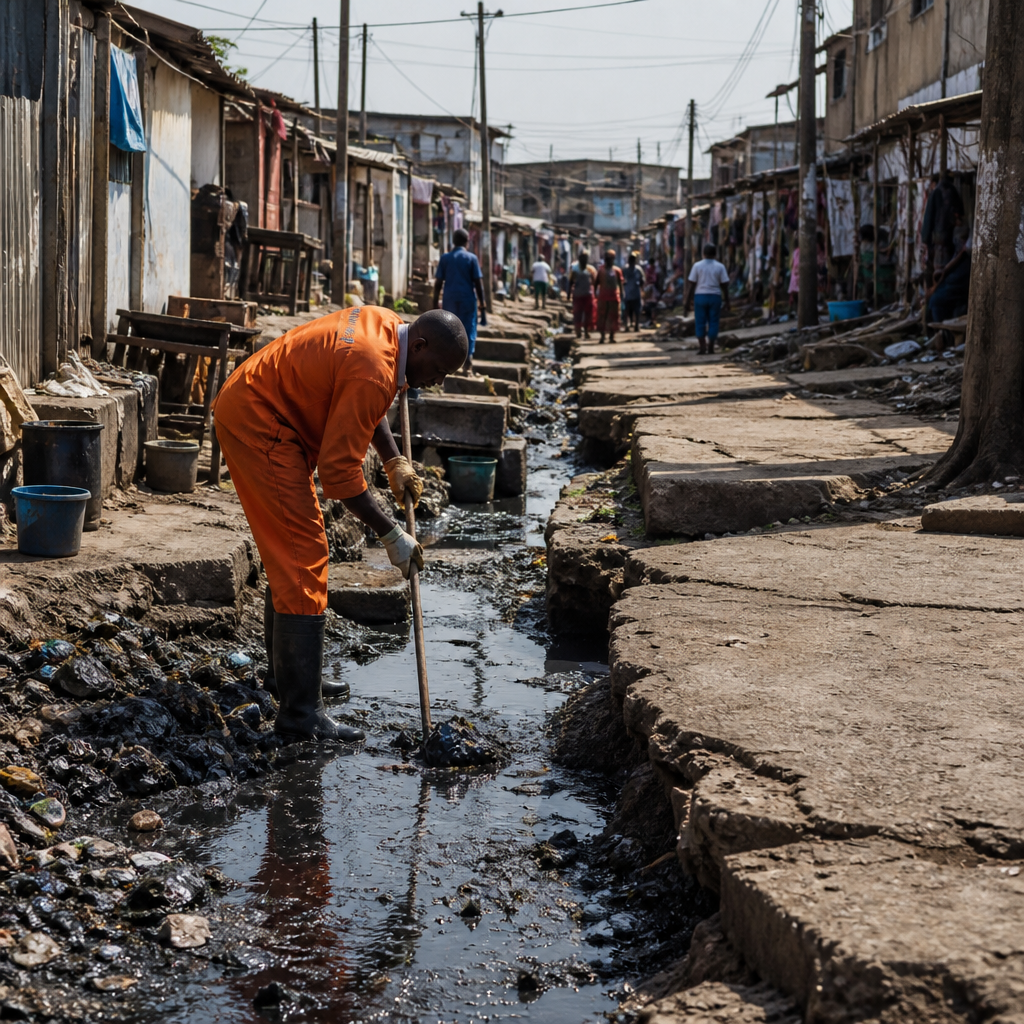
Water scarcity is no longer a distant environmental issue; it is a daily health and safety challenge affecting households, clinics, schools, and entire cities. When clean water becomes limited, hygiene declines, toilets fail, wastewater is poorly managed, and the risk of diarrheal disease, parasitic infection, undernutrition, and lost productivity rises quickly. In my work reviewing sanitation programs and public health infrastructure, I have seen the same pattern repeatedly: communities do not suffer from water scarcity alone, but from the sanitation breakdowns that follow it. That is why EcoSan solutions matter. They reduce water demand, recover nutrients, protect groundwater, and improve health outcomes at the same time.
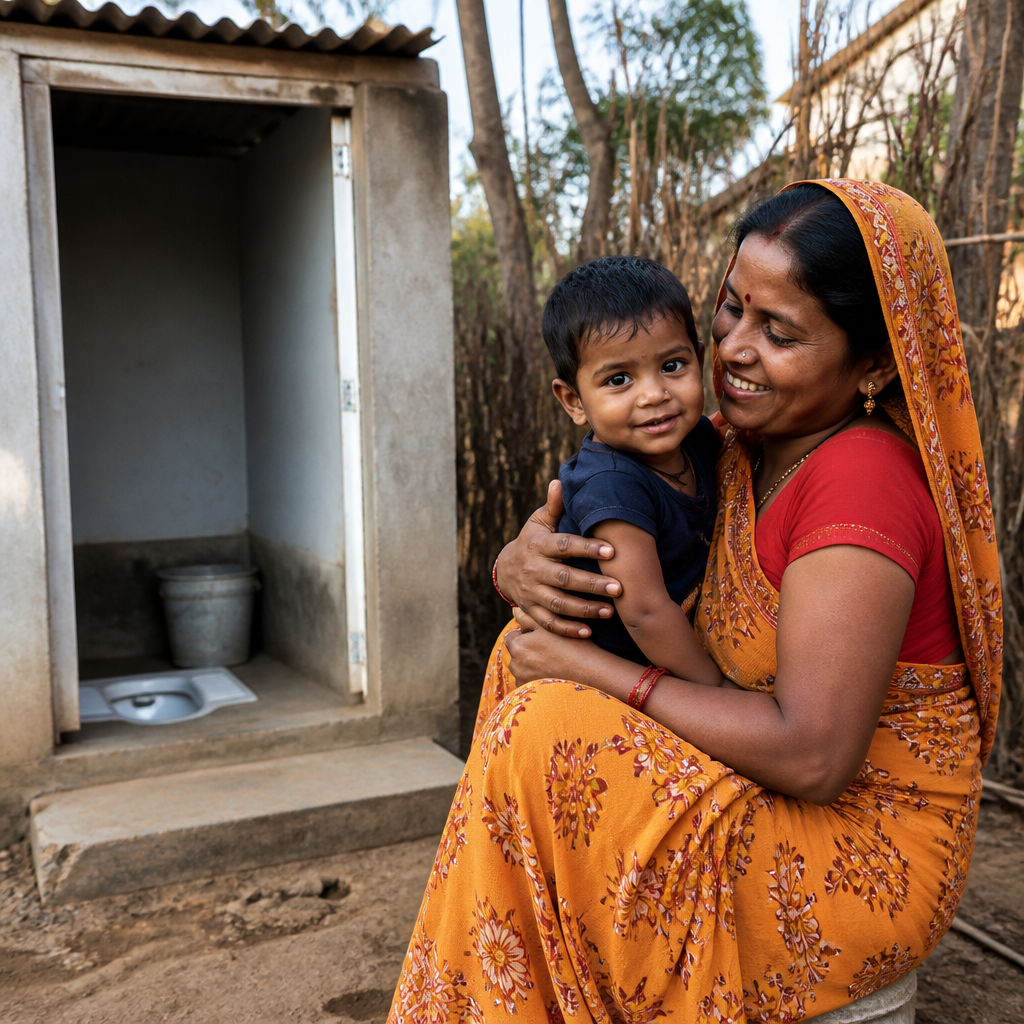
EcoSan, short for ecological sanitation, is an approach that treats human waste as a resource rather than a disposal problem. Instead of flushing nutrients away with large volumes of water, EcoSan systems aim to safely separate, treat, and reuse urine, feces, and greywater. Common examples include urine-diverting dry toilets, composting toilets, dehydrating vault toilets, and small-scale systems that support safe agricultural reuse. The public health logic is straightforward. If a sanitation system works with little or no water, remains usable during drought, and contains pathogens effectively, people are less likely to resort to open defecation, unsafe pit emptying, or contaminated surface water.
This topic matters because sanitation and health are inseparable. The World Health Organization has long linked improved sanitation to lower disease burden, better child growth, and safer living conditions. Water-intensive sewer systems can perform well where there is reliable infrastructure, abundant water, stable electricity, and strong operations. Yet in water-stressed settings, they can be fragile, expensive, and difficult to extend equitably. EcoSan offers a practical alternative or complement, especially in rural settlements, peri-urban neighborhoods, schools, refugee settings, and drought-prone regions. A well-designed EcoSan strategy can reduce water use, preserve dignity, and turn waste streams into compost or fertilizer inputs when treatment standards are met.
Enhancing health through EcoSan requires more than installing a toilet. It depends on behavior, containment, pathogen reduction, maintenance, local regulation, and safe reuse protocols. The hub page below explains the core health mechanisms, compares major EcoSan options, highlights implementation requirements, and shows where this subtopic connects to hygiene, water safety, infection prevention, climate resilience, and food security. If you want to understand how ecological sanitation supports health and safety in practical, measurable ways, this is the starting point.
How EcoSan Directly Improves Health
EcoSan improves health by interrupting the fecal-oral transmission pathway, conserving water for essential hygiene, and reducing environmental contamination. In plain terms, a household or facility with a reliable low-water sanitation system is better able to keep pathogens out of hands, food, drinking water, and living spaces. That matters most where intermittent water supply makes conventional flushing inconsistent. When toilets cannot flush, users often abandon them, pits overflow, or sewage is discharged untreated. EcoSan systems avoid that dependence on large volumes of water.
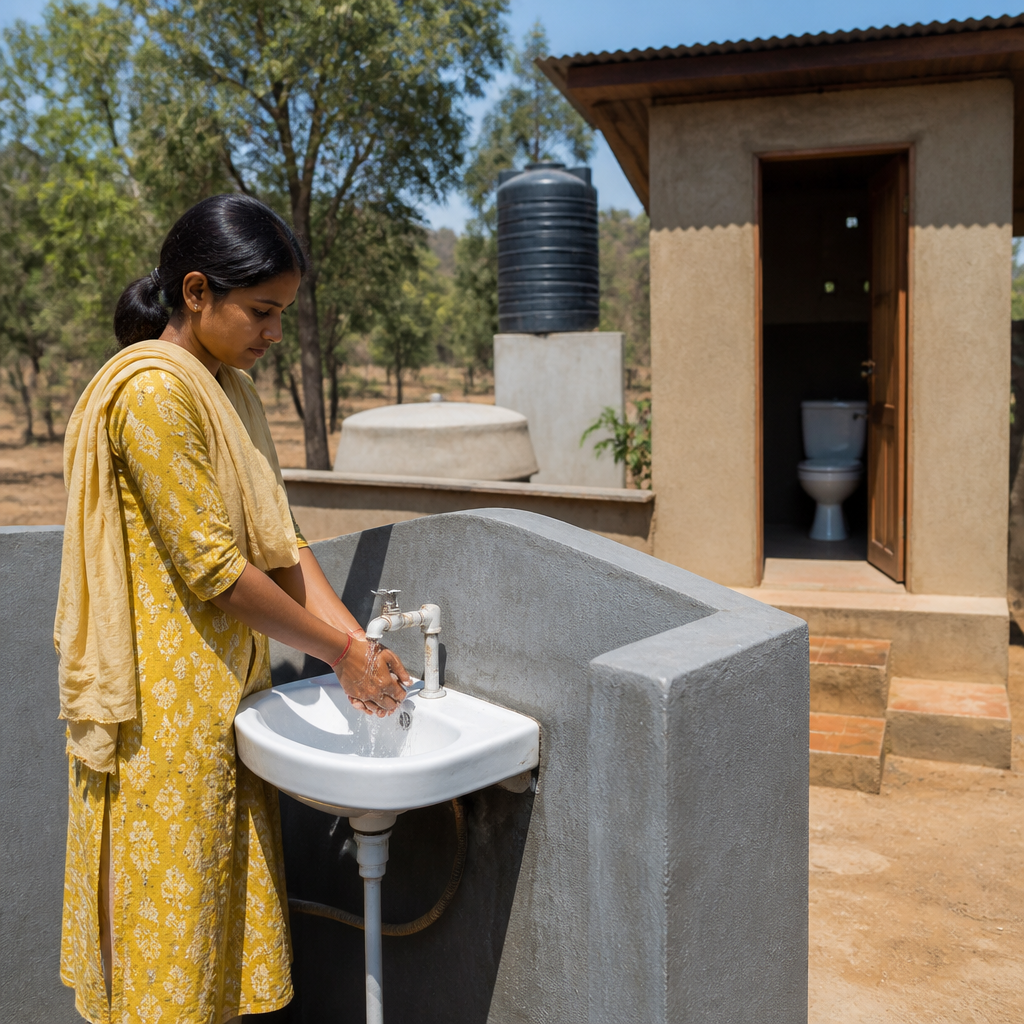
Urine-diverting dry toilets are a strong example. These systems separate urine from feces at the source. Feces are collected in sealed chambers with drying material such as ash, lime, or sawdust, which lowers moisture and discourages odor and flies. Urine, which is typically low in pathogens from healthy users, can be stored and later applied as fertilizer under controlled conditions. By keeping waste streams separate, treatment becomes more manageable and contamination risks fall. In field evaluations, the greatest health gains come when toilets are paired with handwashing facilities, clear user instructions, and scheduled maintenance.
Another direct health benefit is reduced groundwater pollution. Traditional unlined pits can leach nitrates, fecal bacteria, and viruses into shallow aquifers, particularly in flood-prone or densely populated areas. EcoSan vaults and above-ground systems can perform better where high water tables make pit latrines unsafe. This is especially important for households that depend on nearby wells. Preventing contamination at the source is far more effective than trying to disinfect heavily polluted water later.
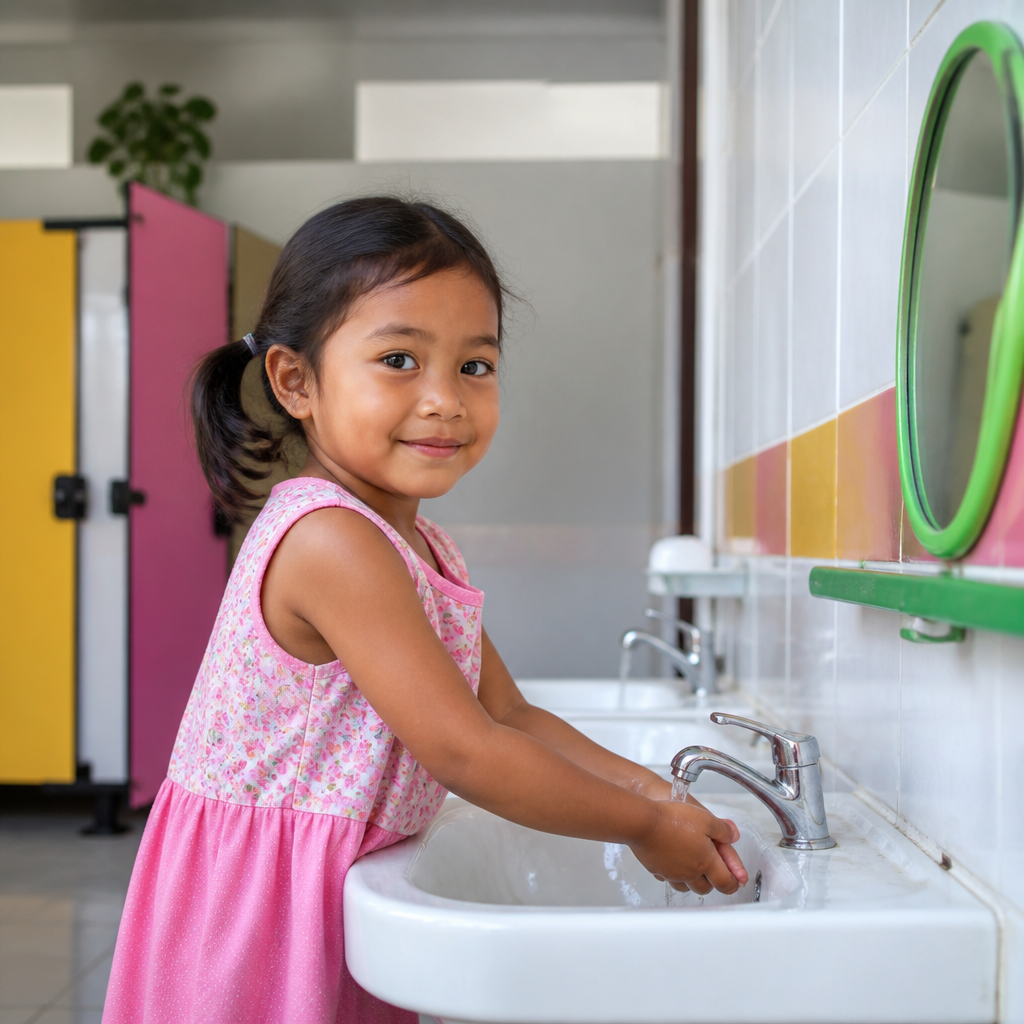
EcoSan also supports menstrual hygiene, disability access, and user dignity when designs are inclusive. In schools, girls are more likely to attend consistently when private, usable toilets exist year-round, including during dry seasons. In clinics, resilient sanitation protects both patients and staff from exposure. Health benefits therefore extend beyond infection control to psychosocial well-being, safety, and continuity of essential services.
Core EcoSan Technologies and Where They Fit
Not every EcoSan system suits every setting. Selection depends on climate, soil conditions, user preferences, maintenance capacity, building density, and intended reuse. The most effective programs choose technology only after assessing these variables carefully.
| EcoSan option | Best-fit setting | Main health advantage | Key limitation |
|---|---|---|---|
| Urine-diverting dry toilet | Water-scarce homes, schools, peri-urban sites | Low water use, good pathogen containment when maintained | Requires user training and dry cover material |
| Composting toilet | Rural households, eco-lodges, institutions with oversight | Stabilizes waste and reduces handling hazards | Needs proper carbon balance, aeration, and curing time |
| Dehydration vault toilet | Hot, dry climates and rocky terrain | Reduces moisture, odor, and fly breeding | Performance drops in humid conditions without management |
| Container-based sanitation | Dense informal settlements, emergency response | Sealed collection reduces exposure in difficult sites | Depends on reliable collection and treatment service |
Urine-diverting systems are often the most versatile hub technology because they can operate with almost no water and create clear treatment pathways. They are widely used in parts of East Africa, South Asia, Latin America, and southern Africa where water scarcity and shallow groundwater limit pit expansion. Their success, however, depends on consistent separation and cleaning practices. When users pour wash water or solid waste into the wrong chamber, treatment efficiency drops and odor rises.
Composting toilets are frequently misunderstood. A true composting system requires oxygen, moisture control, heat generation, and sufficient retention time to reduce pathogens. It is not simply a pit with organic matter added. Where operations are supervised, such as eco-campuses or managed public facilities, composting toilets can produce stable material suitable for restricted reuse after verification. Where supervision is weak, dehydration models may be safer and simpler.
Container-based sanitation is increasingly relevant for health and safety planning in dense neighborhoods that lack sewers and cannot excavate pits. Waste is collected in sealable containers and transported to a treatment facility. The health strength of this model is service reliability. Families are not left to empty pits manually, which is one of the highest-risk sanitation tasks in many low-income settlements.
Safe Reuse, Nutrient Recovery, and Public Health Protection
One of EcoSan’s defining strengths is nutrient recovery, but reuse must never outrun safety. Human urine contains valuable nitrogen, phosphorus, and potassium. Fecal matter contains organic carbon and nutrients but also carries the highest pathogen load. The health objective is therefore controlled treatment followed by restricted or approved reuse, not informal dumping onto crops.
Established guidance from the World Health Organization and the International Organization for Standardization provides the framework. Barriers may include source separation, storage time, pH increase, dehydration, composting, protective equipment, crop restriction, withholding periods before harvest, and hand hygiene after handling. This multiple-barrier approach matters because no single step is perfect under field conditions. In practice, the safest programs combine engineering controls with behavior controls.
For example, stored urine can be used effectively on non-leafy crops, tree crops, or grains when local guidance, dilution practices, and withholding intervals are followed. Fecal compost or dehydrated solids generally require stricter treatment and should be applied only when pathogen reduction targets are achieved. Programs that skip laboratory verification or fail to train users create avoidable health risks. I have reviewed projects where the toilet hardware was sound, but the reuse chain failed because no one owned the treatment protocol. That is a governance problem, not a technology problem.
Nutrient recovery also strengthens community health indirectly. In drought-prone agricultural zones, fertilizers are expensive and often unavailable. Safe nutrient reuse can support household food production, improve soil organic matter, and reduce dependence on degraded water sources for farming. Better food security contributes to nutrition, income stability, and resilience. The health gain is therefore both direct, through sanitation, and indirect, through livelihoods and diets.
Design, Operation, and Maintenance Factors That Determine Success
EcoSan systems protect health only when design and operations match local realities. The most common failure point is not the concept but the mismatch between technology and user context. Toilets placed in flood zones, superstructures without ventilation, inaccessible vaults, poor anal cleansing accommodation, and weak emptying plans all undermine safety.
Good design starts with user behavior. If a community uses water for anal cleansing, the system must manage that without flooding the feces chamber. If elderly users or people with disabilities cannot squat safely, seats, handrails, and wider doors are not optional extras; they are core health features. If the climate is humid, dehydration alone may be insufficient and ventilation or different treatment stages may be needed.
Operation and maintenance should be planned as a service, not left to chance. That includes assigning responsibility for adding cover material, cleaning urine bowls, inspecting vents, rotating vaults, monitoring fill levels, and managing final treatment. Schools need janitorial protocols. Clinics need infection prevention procedures. Municipal pilots need budgets for inspection and repair. In successful programs, someone is always accountable.
Monitoring should track both technical and health indicators. Useful measures include toilet functionality rate, handwashing availability, user satisfaction, odor complaints, safe emptying compliance, groundwater test results where relevant, and reported diarrhea trends alongside broader public health data. Named tools such as Sanitation Safety Planning, Hazard Analysis and Critical Control Points principles, and WASH facility audits help teams identify where exposure risks are most likely. These methods work because they force implementers to examine the whole chain from user interface to treatment to reuse or disposal.
Implementation in Homes, Schools, Clinics, and Communities
The hub value of EcoSan is that it adapts across settings while preserving the same health objective: safe sanitation under water stress. In homes, the priority is daily usability and affordability. A well-built household urine-diverting toilet can sharply cut water use while reducing the need for new pits. Families benefit most when local masons are trained, spare parts are available, and extension workers provide follow-up after installation.
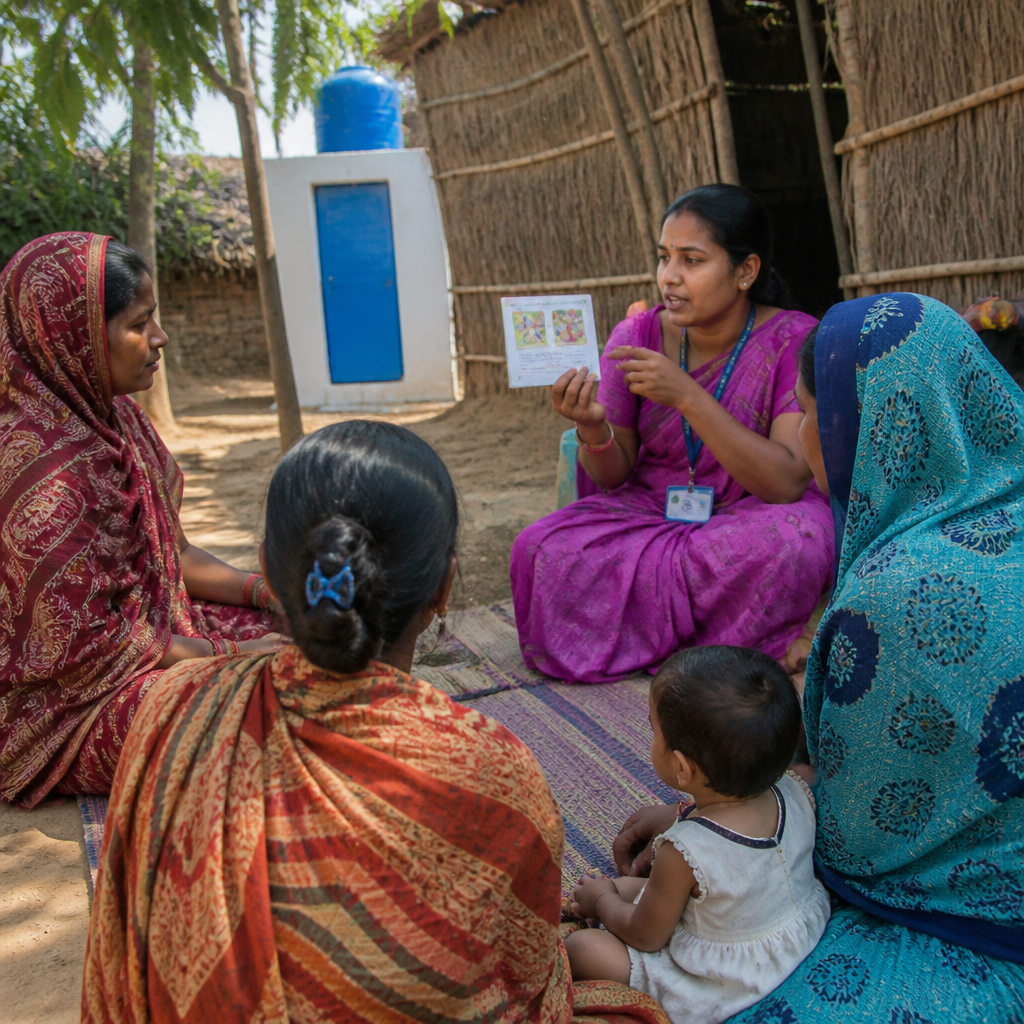
In schools, EcoSan must be designed for heavy use. Separate facilities for girls and boys, menstrual hygiene provisions, handwashing stations, and cleaning schedules are essential. The education component matters here more than anywhere else. Students need simple instructions on correct use, what not to throw into chambers, and why water conservation supports health. Schools often become demonstration sites that normalize new sanitation habits for the wider community.
Clinics and health posts require stricter controls because users may carry higher pathogen loads and staff need dependable sanitation for infection prevention. EcoSan can work in these settings, especially where piped water is unreliable, but only with strong operating procedures, personal protective equipment for handlers, and off-site treatment where needed. High-risk waste streams such as sharps or contaminated dressings must never enter standard EcoSan units.
At community level, governance determines scale. Local government, water and sanitation committees, public health officers, and farmers all need defined roles. Financing can combine household contributions, school or clinic budgets, municipal support, and climate adaptation funding. The strongest programs link sanitation planning with water safety plans, drought preparedness, groundwater protection, and agricultural extension. That integrated approach is what turns EcoSan from a niche toilet project into a health and safety strategy.
Common Challenges, Misconceptions, and Practical Solutions
EcoSan is sometimes dismissed as too complex, too unfamiliar, or culturally difficult. Those concerns are real, but they are manageable when addressed early. User acceptance improves when toilets are clean, odor is low, and benefits are visible. It declines when projects prioritize construction targets over training and service support.
One misconception is that all dry toilets smell bad. In fact, odor usually signals poor ventilation, excess moisture, or incorrect use. Another misconception is that reuse is inherently unsafe. Unsafe reuse is dangerous; treated, restricted reuse under established guidelines is not the same thing. A third misconception is that sewerage is always the gold standard. In many water-scarce areas, an intermittent sewer with leakage and untreated discharge can create more health risk than a properly managed EcoSan system.
There are also real limitations. EcoSan may not suit every high-rise context. It can fail without supply chains for cover material or maintenance. Some communities prefer flush systems and may resist alternatives unless involved in design. These tradeoffs should be stated clearly. The practical solution is phased implementation: start with site assessment, build demonstration units, measure performance, train local operators, and adapt designs before scaling.
Combating water scarcity through EcoSan is ultimately about protecting health with sanitation systems that keep working when water is limited. The key lessons are clear: choose the right technology for the setting, contain pathogens reliably, support safe reuse only after treatment, and manage operation as a continuing service. When those conditions are met, EcoSan reduces water demand, lowers contamination risk, and strengthens resilience for homes, schools, clinics, and communities. Use this hub as your starting point, then map the next steps for design, training, maintenance, and public health oversight in your own context.
Frequently Asked Questions
1. How does water scarcity directly affect health and sanitation in homes, schools, and clinics?
Water scarcity affects much more than drinking water. It disrupts the entire chain of hygiene, sanitation, and disease prevention. In homes, limited water often means handwashing is reduced, toilets are flushed less often or stop functioning altogether, and wastewater may be disposed of unsafely. That creates ideal conditions for diarrheal illness, intestinal parasites, skin infections, and the spread of harmful bacteria and viruses. In schools, the problem becomes especially serious because children may avoid using dirty or nonfunctional toilets, which can lead to dehydration, absenteeism, and reduced concentration. Girls are often affected most when safe and private sanitation is unavailable.
In clinics and health posts, the consequences are even more severe. If there is not enough water for cleaning surfaces, washing hands, sterilizing equipment, or safely managing human waste, infection prevention becomes much harder. That raises the risk of healthcare-associated infections for both patients and staff. Water scarcity also weakens nutrition outcomes because repeated infections, especially diarrhea, reduce the body’s ability to absorb nutrients. Over time, this contributes to undernutrition, poor child development, and lost productivity across entire communities. In practical terms, when water becomes scarce, sanitation systems fail first, and health impacts follow quickly unless infrastructure is designed to work with limited water rather than depend on large volumes of it.
2. What are EcoSan solutions, and why are they useful in water-scarce areas?
EcoSan, or ecological sanitation, refers to sanitation approaches that safely manage human waste while minimizing water use, protecting public health, and in many cases recovering nutrients or resources that would otherwise be lost. Unlike conventional flush systems that require reliable water supply, sewer networks, pumping, and treatment capacity, EcoSan systems are designed to function effectively where water is limited, infrastructure is weak, or operating costs must stay low. Common examples include urine-diverting dry toilets, composting toilets, container-based sanitation, decentralized wastewater treatment, and systems that separate waste streams to improve safe treatment and reuse.
These solutions are useful in water-scarce areas because they reduce dependence on flushing and can continue operating during droughts, service interruptions, or supply shortages. They also help prevent the public health breakdown that occurs when toilets become unusable. A well-designed EcoSan system can contain waste safely, reduce contamination of groundwater and surface water, lower exposure to pathogens, and support better hygiene management even in resource-constrained settings. In some contexts, treated outputs can be reused in agriculture or landscaping, helping communities recover nutrients and reduce pressure on freshwater supplies. The most important point is that EcoSan is not simply about saving water; it is about building sanitation systems that remain safe, practical, and resilient when water availability becomes uncertain.
3. Can EcoSan systems really improve public health, or are they mainly environmental solutions?
EcoSan systems can absolutely improve public health when they are properly selected, installed, operated, and maintained. While they are often discussed in environmental terms because they conserve water and can support resource recovery, their health value is just as important. The primary public health goal of any sanitation system is to separate people from pathogens in human waste. EcoSan systems do that by providing a safe, functional alternative where flush toilets or sewer-based systems are unreliable, unaffordable, or impossible to maintain. If a community has toilets that work consistently during water shortages, exposure to fecal contamination drops, hygiene behaviors become easier to sustain, and outbreaks linked to unsafe waste disposal become less likely.
The benefits are particularly strong in settings where conventional systems frequently fail. For example, if a flush toilet cannot be used because there is no water, people may resort to open defecation, unsafe pits, or dumping waste in drainage channels. EcoSan options reduce that risk by offering containment methods that do not depend on daily water availability. In schools and clinics, reliable sanitation helps protect vulnerable populations and supports routine infection prevention. That said, EcoSan is not a magic fix. The health gains depend on correct design, user acceptance, regular emptying or treatment where needed, odor and vector control, and clear education about safe use. In short, EcoSan is most effective when it is treated as public health infrastructure first and environmental technology second.
4. What types of EcoSan systems are most effective for communities facing chronic water shortages?
The most effective EcoSan system depends on local conditions, including climate, population density, soil type, cultural preferences, maintenance capacity, and whether the setting is a household, school, clinic, or informal settlement. In many water-scarce areas, urine-diverting dry toilets are a strong option because they require little or no flushing water and help keep waste streams separate, which can simplify treatment and reduce odors when managed correctly. Composting toilets may also work well in lower-density settings if users receive proper guidance and there is capacity to manage the treatment process safely. In dense urban areas, container-based sanitation can be highly effective because it allows waste to be collected regularly and transported for off-site treatment without requiring sewers or large amounts of water.
For institutions such as schools and clinics, decentralized systems are often valuable because they can be tailored to local demand and do not depend entirely on centralized sewer infrastructure. In some cases, low-water pour-flush systems connected to simplified treatment units may be more acceptable than fully dry systems, especially where a small amount of water is available. The key is not to assume one model fits every community. The best results come from matching the technology to user behavior, service arrangements, financing, and long-term maintenance plans. A technically sound toilet that nobody wants to use will fail. An effective EcoSan program combines hardware, training, service delivery, and monitoring so that sanitation remains safe and dependable year after year.
5. What should governments, NGOs, and community leaders focus on when implementing EcoSan for health outcomes?
They should start by treating sanitation planning as a health protection strategy, not just a construction project. That means identifying where water scarcity is already undermining hygiene, toilet use, wastewater management, and disease control, then selecting solutions that can continue functioning under those exact conditions. Too many sanitation projects focus on installation numbers instead of long-term performance. For EcoSan to deliver health outcomes, leaders need to plan for the full service chain: user education, cleaning routines, waste collection or emptying, treatment, safe disposal or reuse, financing, and ongoing oversight. Every link matters. If containment is good but treatment is weak, health risks simply move downstream.
Governments and NGOs should also invest in community engagement from the beginning. People are far more likely to use and maintain a system if they understand why it is needed, how it protects their health, and what their responsibilities are. In schools and clinics, training for staff is essential, as is budgeting for supplies and maintenance rather than assuming infrastructure alone will solve the problem. Monitoring should include not only whether toilets were built, but whether they remain usable, hygienic, accessible, and safe during periods of water stress. Finally, leaders should integrate EcoSan into broader resilience planning that includes hygiene promotion, drainage, wastewater management, and public health surveillance. When water scarcity is approached as a sanitation and health systems challenge, EcoSan becomes a practical tool for reducing disease risk, protecting dignity, and helping communities stay functional under growing environmental pressure.