Innovations in sanitation are reshaping how cities protect public health, conserve resources, and build safer neighborhoods, especially as EcoSan systems move from niche pilots to practical urban infrastructure. In this context, sanitation means the full chain of containment, collection, treatment, reuse, and safe disposal of human waste, wastewater, and related hygiene services. EcoSan, short for ecological sanitation, is an approach that treats waste as a resource while reducing pollution, water use, and disease transmission. Safety and wellness in EcoSan therefore cover pathogen control, odor management, worker protection, user comfort, nutrient recovery, environmental performance, and equitable access. I have worked on sanitation content and implementation reviews where the most successful projects were not the most technologically complex; they were the ones that made health protection easy for users, operators, and local authorities. That is why this topic matters for urban communities facing dense populations, aging sewer systems, water scarcity, flood risk, informal settlement growth, and tighter environmental regulations.
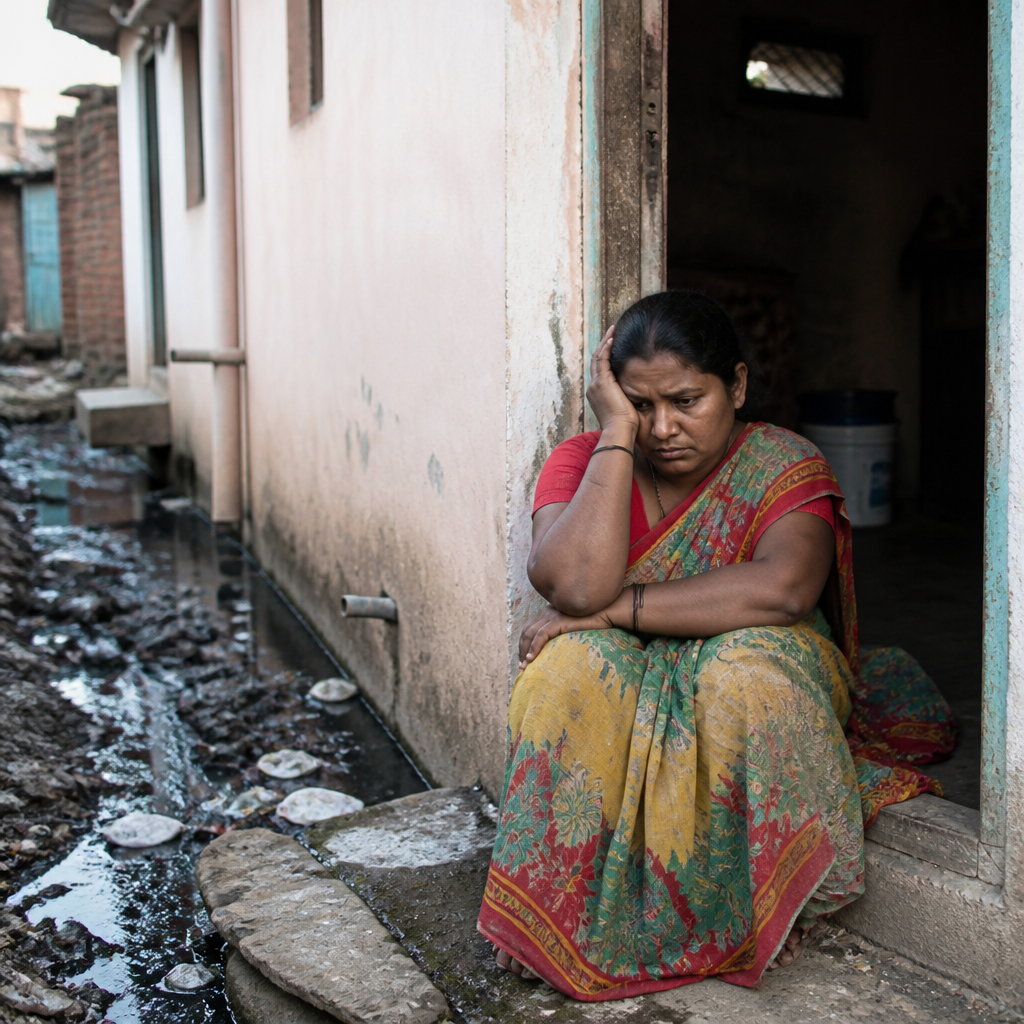
Traditional urban sanitation often relies on centralized sewers and energy-intensive treatment plants. That model remains essential in many cities, but it is not always fast, affordable, or resilient enough to serve every district. Combined sewer overflows, leaking pipes, illegal dumping, and under-maintained public toilets can spread pathogens and damage trust in local services. EcoSan expands the toolkit by adding source separation, decentralized treatment, container-based sanitation, urine diversion, composting, anaerobic digestion, and water-efficient fixtures. When these systems are designed correctly, they reduce fecal exposure pathways, lower freshwater demand, and recover nutrients such as nitrogen and phosphorus for agriculture or landscaping. The World Health Organization sanitation safety planning framework and ISO 30500 performance standards for non-sewered sanitation systems have helped push the field toward measurable health outcomes rather than good intentions alone. For a hub page under Health and Safety, the central question is simple: which innovations make EcoSan safer, healthier, and more workable in real urban conditions?
What safety and wellness mean in EcoSan systems
Safety in EcoSan starts with breaking the chain of infection. Fecal pathogens include bacteria such as E. coli and Vibrio cholerae, viruses such as rotavirus and hepatitis A, protozoa such as Giardia, and helminths such as Ascaris. A sanitation system is safe when it prevents these organisms from reaching hands, water, food, surfaces, vectors, and air in harmful concentrations. Wellness goes further. It includes privacy, menstrual hygiene support, accessibility for older adults and people with disabilities, thermal comfort, lighting, security, low odor, and confidence that using the service will not create stigma. In dense cities, a toilet that users avoid at night for fear of harassment is not a successful health intervention, even if the treatment unit performs well on paper.
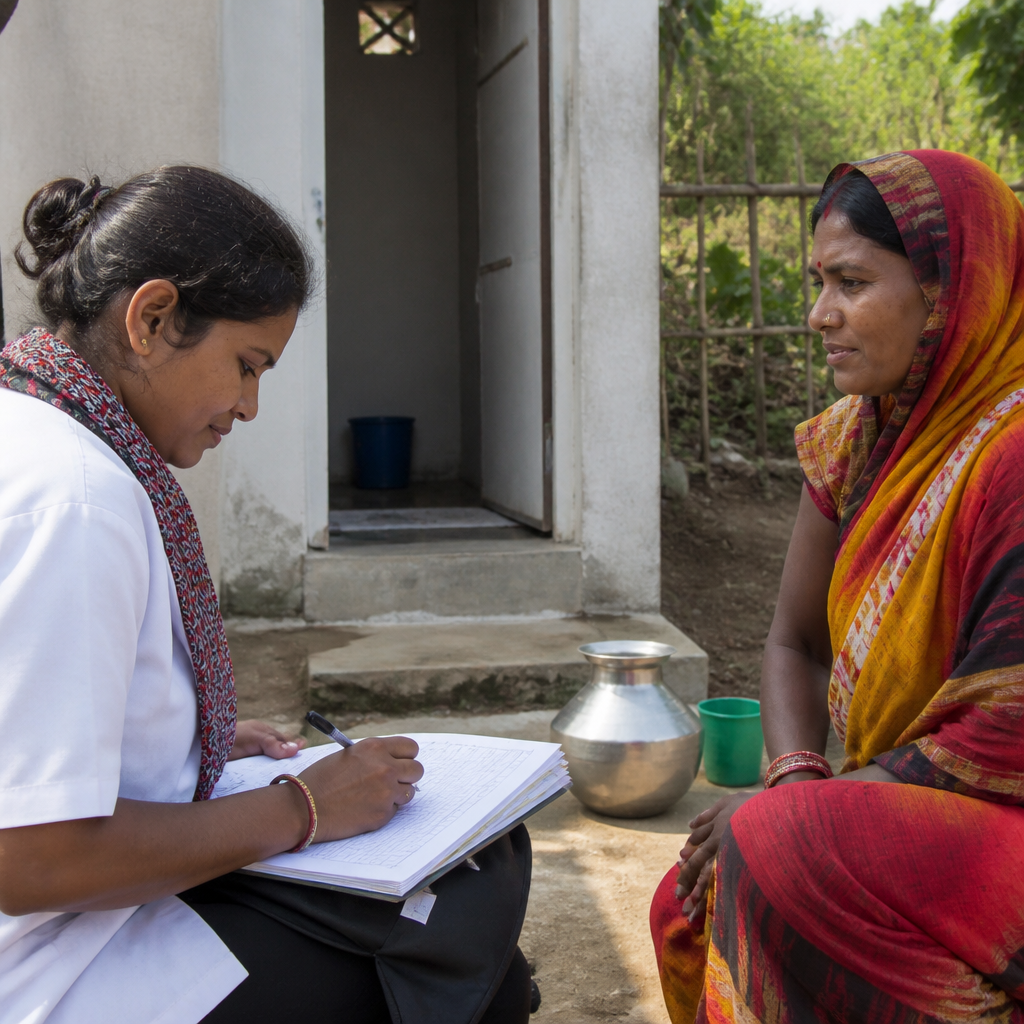
From direct project reviews, I have seen three recurring failure points. First, interfaces are confusing: users do not know where to place paper, wash water, or menstrual products, and contamination follows. Second, operations are underfunded: sealed containers, filters, and fans fail because spare parts and service intervals were never budgeted. Third, risk communication is weak: residents hear “resource recovery” and assume untreated waste is harmless. Strong EcoSan programs solve all three by pairing engineering with behavior design, service contracts, and transparent monitoring. Clear signage, standard operating procedures, desludging schedules, and training matter as much as toilets and tanks.
Core innovations making urban sanitation healthier
Several innovations now define safer EcoSan in cities. Urine-diverting dry toilets separate urine and feces at the source, reducing moisture, limiting odor formation, and improving downstream treatment options. Container-based sanitation uses sealable cartridges collected on a routine schedule, which is especially useful in informal settlements where sewers are absent and pits are unsafe. Prefabricated decentralized treatment units can serve apartment blocks, schools, and markets with membrane filtration, anaerobic baffled reactors, constructed wetlands, or disinfection modules. Smart sensors monitor fill levels, ammonia, moisture, and equipment faults, helping operators intervene before a public health problem develops.
Another major advance is non-sewered sanitation designed to meet high performance standards. Modern units integrate solids drying, pathogen reduction, and effluent polishing in compact footprints. Some systems use solar energy for ventilation or thermal treatment; others use anaerobic digestion to produce biogas for cooking or heating water in community facilities. Low-flow and vacuum toilets reduce water demand dramatically, easing pressure on treatment and making service possible in water-stressed districts. Antimicrobial surface coatings, touch-free taps, and better ventilation design also improve user safety, though they are supportive features rather than substitutes for sound waste treatment.
| Innovation | Main health benefit | Best urban use case | Key limitation to manage |
|---|---|---|---|
| Urine-diverting toilets | Reduces moisture, odor, and cross-contamination | Schools, eco-housing, water-scarce districts | User training is essential |
| Container-based sanitation | Minimizes exposure during storage and transport | Informal settlements, flood-prone areas | Requires reliable collection logistics |
| Decentralized wastewater treatment | Local treatment lowers overflow and discharge risks | Apartment blocks, clinics, markets | Needs skilled operation and maintenance |
| Anaerobic digestion | Stabilizes waste and supports energy recovery | Institutions, food market clusters | Performance drops with poor feed balance |
| Smart monitoring sensors | Early warning for failures and overflow | Public toilets, municipal service networks | Power and data upkeep are required |
Pathogen control, treatment performance, and occupational safety
The hardest question in EcoSan is not whether reuse is possible; it is whether treatment is consistently good enough to protect health. Pathogen reduction depends on time, temperature, pH, moisture, sunlight exposure, storage conditions, and post-treatment handling. Composting toilets can work, but only when operators achieve and verify adequate conditions. Helminth eggs are especially persistent, so systems intended for agricultural reuse need conservative storage periods, validated treatment steps, and barriers between treated outputs and edible crops. Urine can be a valuable fertilizer, yet storage protocols matter because contamination and pharmaceutical residues vary by context. WHO guidance uses multiple barriers for a reason: no single step is perfect.
Worker safety is equally important. Emptying pits or cartridges, cleaning public toilets, transporting sludge, and maintaining digesters all carry exposure risks. Good programs specify gloves, boots, face protection, handwashing points, vaccination where appropriate, and procedures for spills and sharps. Mechanical emptying is safer than manual handling whenever feasible. Ventilation is vital because hydrogen sulfide, methane, and ammonia can accumulate in confined spaces. Municipal buyers should ask whether a vendor can document lockout procedures, confined-space protocols, and incident reporting. A sanitation system cannot be called healthy if it protects residents while endangering the workforce that keeps it running.
User-centered design: dignity, accessibility, and daily wellness
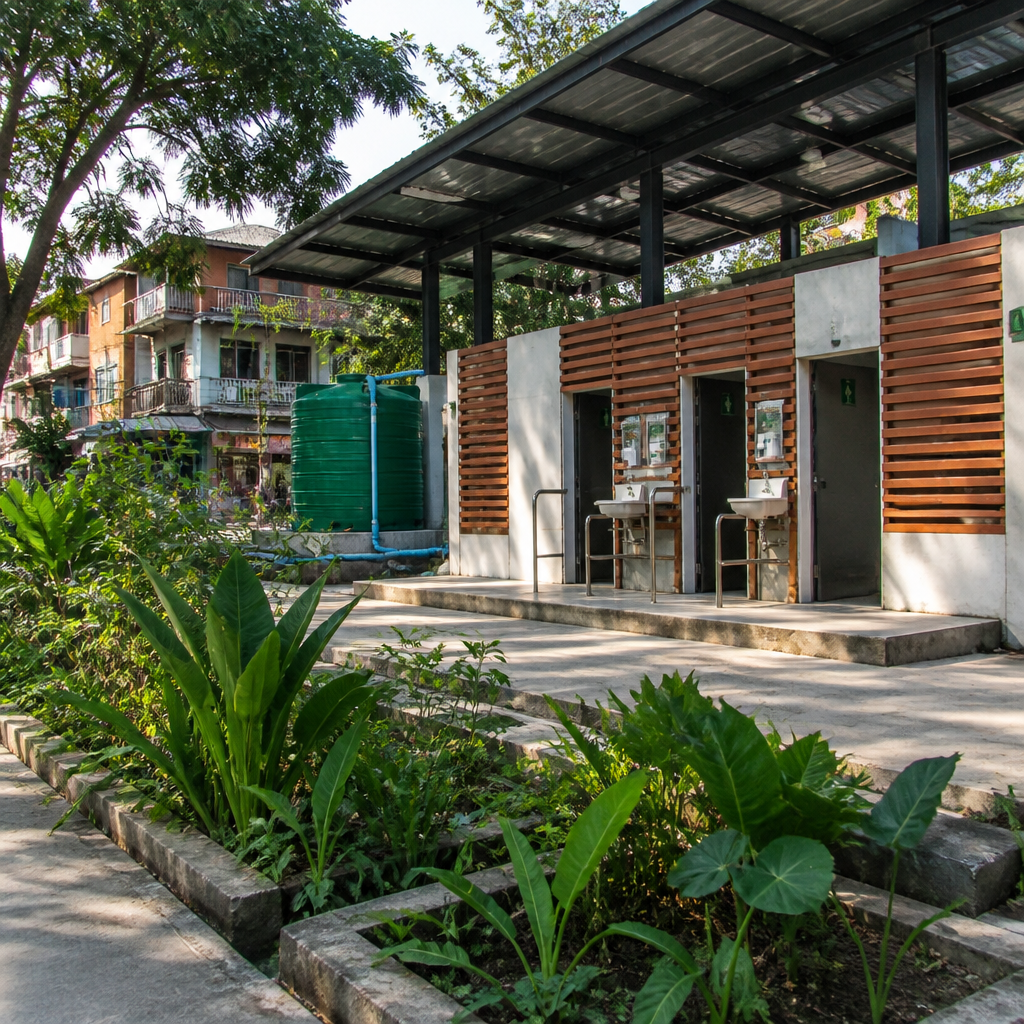
Urban sanitation succeeds when people willingly use it every day. That makes user-centered design a health intervention, not a cosmetic extra. In practice, this means doors that lock securely, lighting that works after dark, cubicles sized for caregivers and children, handwashing stations placed at the point of exit, and materials that can be cleaned without rapid deterioration. Menstrual hygiene needs covered bins, water access, shelf space, and disposal or treatment pathways that do not clog equipment. For older users, raised seats and handrails reduce falls. For wheelchair users, turning radius, transfer space, ramp gradients, and grab bar placement must be planned from the start.
Wellness also depends on smell, heat, noise, and maintenance signals. If a facility smells strongly of ammonia or feces, users assume it is unsafe, and often they are right. Vent stacks, urine traps, fly screens, negative pressure fans, and dry cover material can all help, but only if they are maintained. In one school sanitation review, attendance improved after simple changes: brighter interior finishes, scheduled cleaning visible on a wall chart, soap dispensers that were actually refilled, and a female attendant during peak hours. None of these features replaced treatment, yet all of them increased use, hygiene, and trust. That is the daily reality of Safety and Wellness in EcoSan.
Circular resource recovery without compromising health
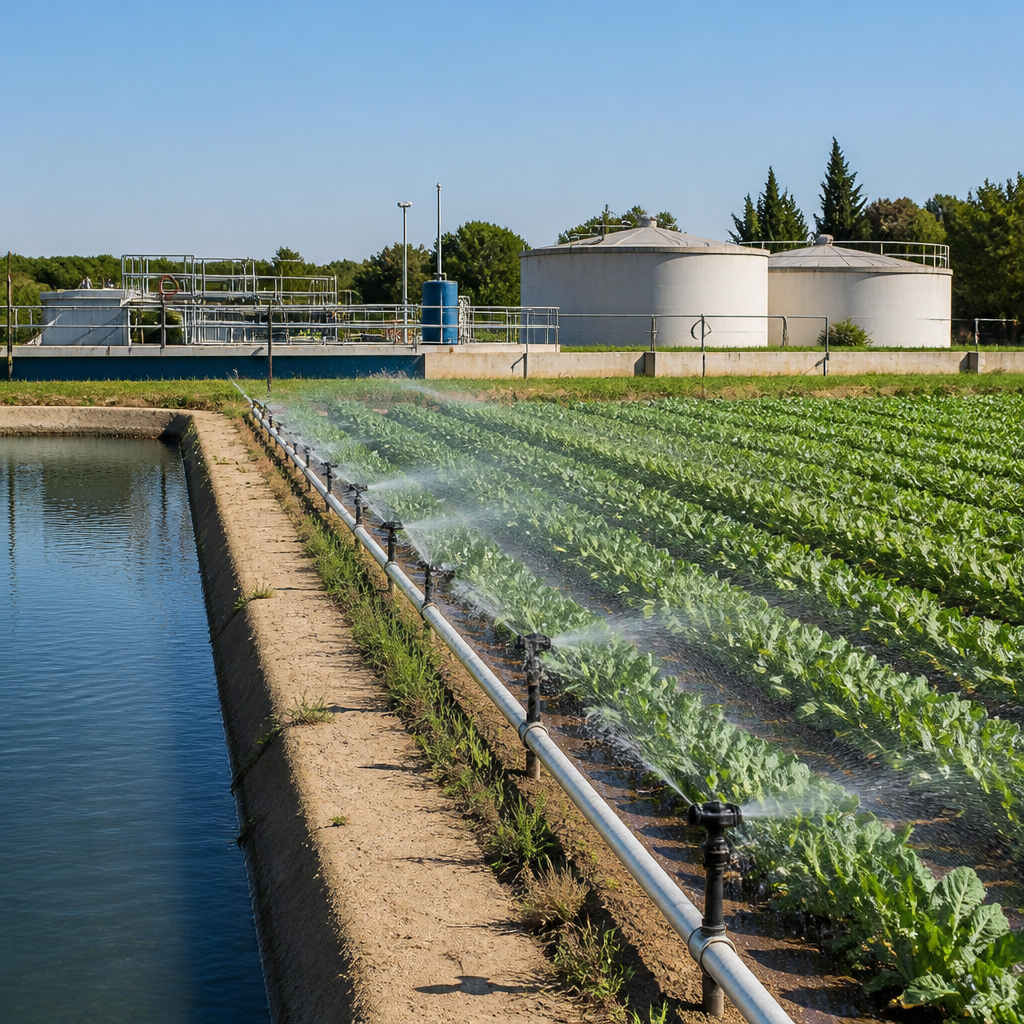
One reason cities invest in EcoSan is the promise of circularity. Nutrients in urine and feces can offset synthetic fertilizers, and organic matter can improve soils used in urban landscaping, peri-urban agriculture, and tree planting. Biogas can displace charcoal or liquefied petroleum gas in some settings. These benefits are real, but they are only defensible when recovery pathways are controlled. Treated biosolids need quality criteria, traceability, and end-use restrictions. Urine-derived fertilizers need storage protocols, dosing guidance, and communication so users do not overapply nitrogen near waterways. Graywater reuse for irrigation or flushing can reduce demand on potable water systems, but salinity, detergents, and residual pathogens must be monitored.
In my experience, the strongest urban projects begin with a market assessment instead of assuming that every recovered product will find a buyer. Compost that is too wet, inconsistent, or contaminated will sit unsold and become a liability. By contrast, projects that standardize output quality, package products clearly, and partner with parks departments, nurseries, or peri-urban farmers have a far better chance of sustaining operations. Resource recovery should subsidize service quality, not distract from it. Public health remains the nonnegotiable first objective.
Governance, financing, and the future of healthier urban communities
Technology alone does not deliver healthier sanitation. Cities need governance models that define who owns assets, who operates them, who inspects them, and how failures are corrected. Sanitation safety planning provides a practical structure: map the entire service chain, identify hazards, rank risks, set control measures, monitor them, and revise based on evidence. Local building codes, effluent standards, sludge transport rules, and reuse regulations must align, or operators get trapped between conflicting requirements. Performance-based procurement is especially useful because it focuses contracts on outcomes such as pathogen reduction, uptime, odor control, accessibility, and response times rather than just the lowest installation price.
Financing must cover capital costs and lifelong service costs. Many promising systems fail because cities budget for construction but not collection routes, spare parts, laboratory testing, cleaning staff, and community engagement. Blended finance, user fees calibrated to affordability, cross-subsidies, and municipal service contracts can all play a role. Looking ahead, the most important innovations will combine resilient hardware with better operations data and clearer health accountability. For urban leaders, the takeaway is direct: safer EcoSan is achievable when design, treatment, operations, and human dignity are treated as one system. Audit your current sanitation chain, identify exposure points, and prioritize the upgrades that protect both residents and workers first.
Frequently Asked Questions
1. What does “innovation in sanitation” actually mean for urban communities?
In urban settings, sanitation innovation goes far beyond building more toilets. It refers to improving the entire sanitation chain: safe containment, reliable collection, effective treatment, resource recovery, and responsible reuse or disposal. In practical terms, that can include smart sewer monitoring, decentralized wastewater treatment, water-saving toilet systems, container-based sanitation, nutrient recovery technologies, and EcoSan models that turn human waste into useful products such as compost, soil amendments, or biogas.
For healthier urban communities, these innovations matter because they reduce direct exposure to pathogens, prevent contamination of groundwater and surface water, and help control the spread of sanitation-related disease. They also strengthen city resilience by reducing pressure on aging sewer systems and offering flexible options for informal settlements, flood-prone neighborhoods, and rapidly growing districts where centralized infrastructure may be too costly or slow to expand. The most important shift is that sanitation is no longer seen only as a disposal problem; it is increasingly treated as a public health system and a resource management opportunity at the same time.
2. How does EcoSan differ from conventional sanitation systems?
Conventional sanitation systems are typically designed around one main goal: moving waste away from homes and public spaces as quickly as possible, often using large volumes of water and centralized treatment infrastructure. EcoSan, or ecological sanitation, takes a different approach. It is designed to protect human health while also recovering value from waste. Instead of viewing human waste and wastewater as something to discard, EcoSan treats them as potential sources of nutrients, organic matter, water, and energy.
In practice, EcoSan systems may separate urine and feces, reduce water use, support decentralized treatment, and enable safe reuse after proper processing. For example, nutrients such as nitrogen and phosphorus can be recovered for agriculture or landscaping, while treated organic matter can improve soils. This can reduce pollution, lower dependence on chemical fertilizers, and support more circular urban systems. Importantly, EcoSan is not a single device or toilet type. It is a broader framework for designing sanitation systems that are safe, environmentally sound, resource-efficient, and appropriate to local social and infrastructure conditions.
3. Why are sanitation innovations so important for public health in cities?
Dense urban environments amplify sanitation risks. When waste is not safely contained or treated, pathogens can spread quickly through water, food, flooded streets, insects, and human contact. This increases the risk of diarrheal disease, parasitic infections, cholera, hepatitis, and other illnesses that disproportionately affect children, older adults, and lower-income communities. Sanitation innovations help break these transmission pathways by improving safety at every step, from household containment to final treatment and reuse.
Public health benefits also extend beyond infection control. Better sanitation reduces unpleasant odors, improves neighborhood cleanliness, decreases environmental contamination, and supports dignity and safety, especially for women, children, sanitation workers, and people with disabilities. Modern systems can also improve outbreak surveillance by monitoring wastewater for signs of disease circulation. In this way, sanitation innovation contributes not just to cleaner cities, but to stronger preventive health systems, more equitable service access, and better quality of life overall.
4. Can EcoSan and other modern sanitation systems work in dense or low-resource urban areas?
Yes, and in many cases they are especially valuable in these environments. One of the biggest advantages of modern sanitation approaches, including EcoSan, is their flexibility. Not every neighborhood can be served efficiently by a traditional sewer network, particularly where land is limited, roads are narrow, housing is informal, or infrastructure is vulnerable to flooding. Decentralized and modular systems can often be installed faster, adapted to local conditions, and maintained incrementally as communities grow.
Success depends on good design, local governance, community acceptance, and long-term operation and maintenance. For example, systems must be convenient to use, affordable to maintain, and integrated with reliable collection or treatment services. Resource recovery only works if treatment is safe and outputs meet health and regulatory standards. When these conditions are in place, low-resource or high-density areas can benefit significantly from sanitation systems that conserve water, reduce environmental discharge, and create opportunities for local service jobs and urban resource recovery. The key is not whether the community is “advanced enough” for innovation, but whether the solution is properly matched to local realities.
5. What should cities consider before adopting new sanitation technologies or EcoSan strategies?
Cities should start by treating sanitation as both a health priority and an infrastructure system. That means looking beyond hardware and asking how the full service chain will function over time. Decision-makers need to assess population density, water availability, land constraints, climate and flood risk, existing waste management systems, regulatory capacity, financing, and user behavior. A technology that performs well in one city may fail in another if maintenance, collection logistics, or public acceptance are overlooked.
Cities should also evaluate worker safety, environmental performance, and the quality control needed for reuse products such as compost, treated water, or recovered nutrients. Public education is essential, because even strong technologies can struggle if residents do not understand how to use them or trust the outputs. The most effective urban sanitation strategies usually combine engineering, health planning, policy support, and community engagement. Rather than asking for a single perfect solution, cities should build sanitation portfolios that can evolve over time, improve coverage, and deliver measurable public health protection while making smarter use of water, energy, and nutrients.