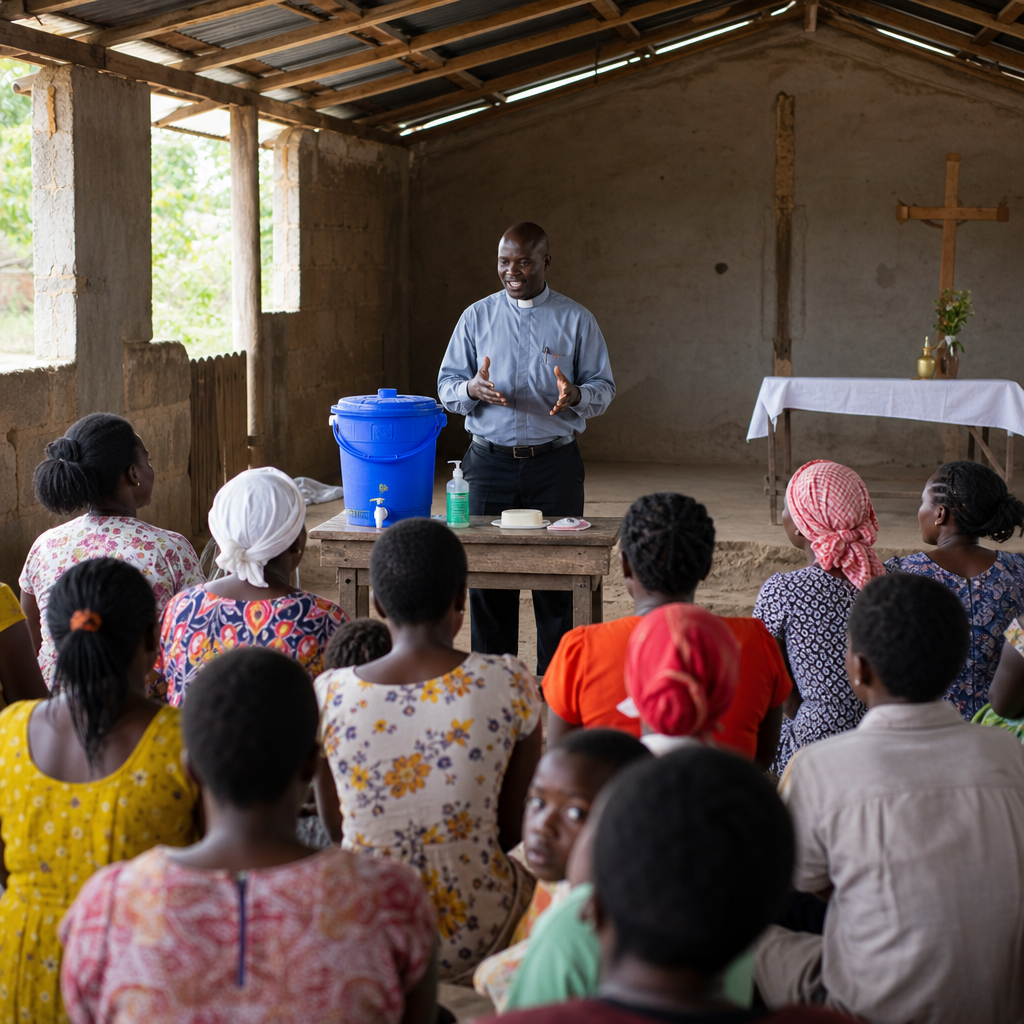
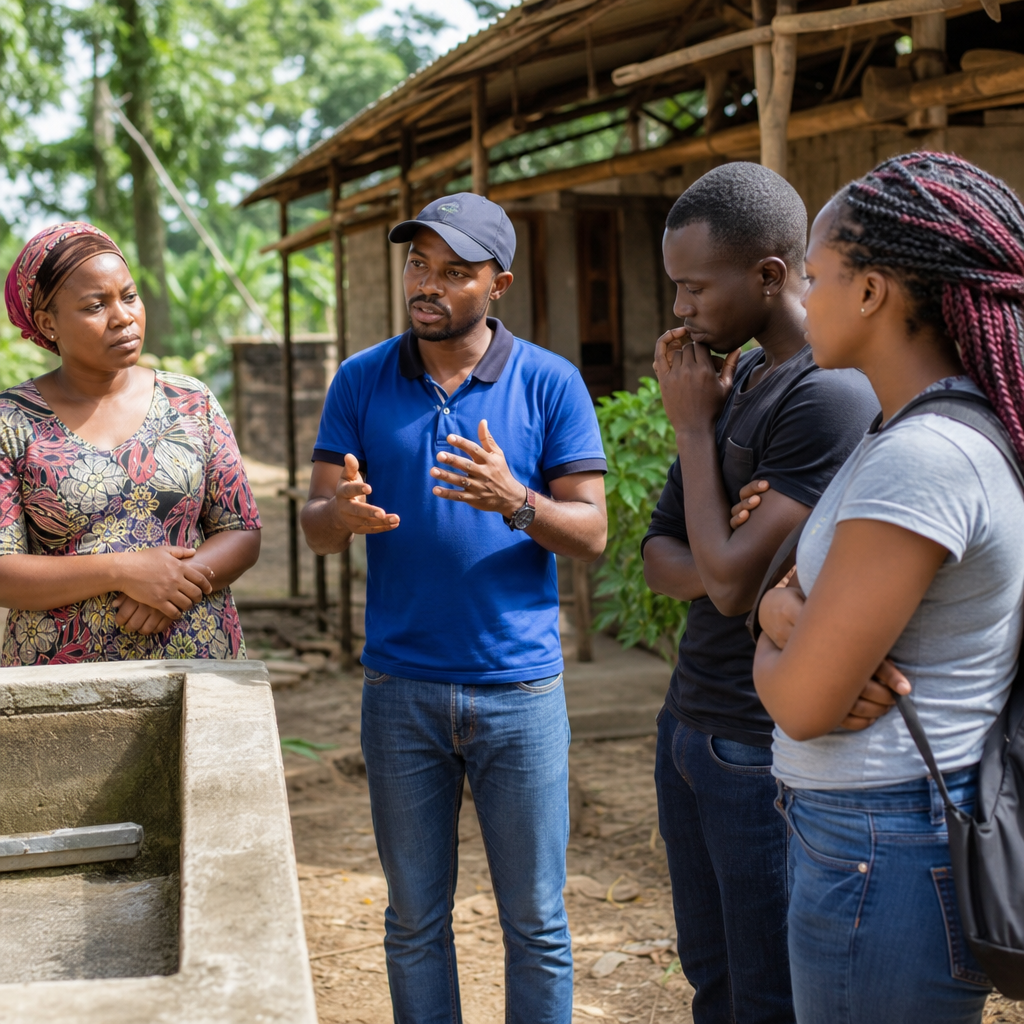
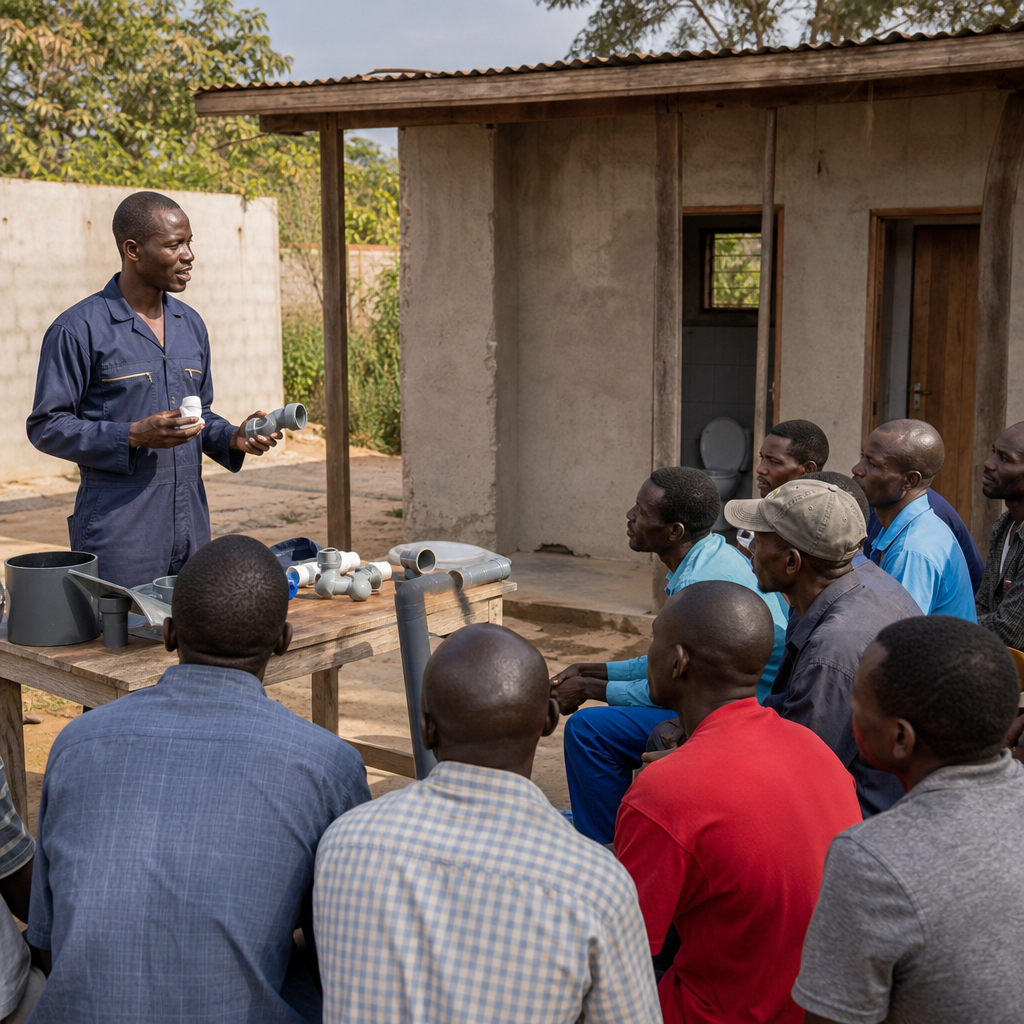
World Water Day is more than a date on the calendar; it is a practical opportunity to teach communities how water, sanitation, hygiene, and public health are inseparable. Celebrating World Water Day with sanitation education means turning awareness into action through lessons, demonstrations, local partnerships, and behavior change programs that help people protect water sources and use sanitation systems safely. In community engagement and education work, I have seen the difference between one-off awareness campaigns and sustained learning: the first creates temporary interest, while the second changes routines in homes, schools, clinics, and public spaces.
Sanitation education refers to structured learning about toilets, wastewater, handwashing, menstrual hygiene, sludge management, drainage, and safe environmental practices. Participation means residents, students, teachers, health workers, faith groups, and local officials are involved not only as attendees, but as contributors and decision-makers. Learning is effective when people understand why sanitation matters, know what to do, and have the means and motivation to keep doing it. World Water Day gives these conversations urgency because contaminated water remains a major health threat. According to the World Health Organization and UNICEF Joint Monitoring Programme, billions of people still lack safely managed sanitation services, and unsafe water and poor sanitation continue to drive diarrheal disease, parasitic infection, lost school time, and reduced economic productivity.
As a hub within community engagement and education, this topic connects school outreach, household behavior change, youth participation, inclusive communication, local leadership, and event planning. It matters because sanitation education is not only about disease prevention. It supports dignity, attendance at school, safety for women and girls, climate resilience, and trust in public services. When World Water Day activities are designed well, they help communities ask better questions: Where does wastewater go? Are toilets accessible? Who cleans shared facilities? How do floods spread contamination? What habits protect both people and rivers? Those questions create the foundation for lasting participation and learning.
Why sanitation education belongs at the center of World Water Day
Water and sanitation are often discussed separately, but in practice they function as one system. A clean water source can be quickly compromised by open defecation, leaking septic tanks, poor drainage, or untreated wastewater discharged upstream. That is why sanitation education belongs at the center of World Water Day programming. It explains the pathway from human waste to environmental contamination and then to illness, absenteeism, and healthcare costs. In plain terms, sanitation education helps people see that the condition of a toilet, handwashing station, pit, sewer connection, or fecal sludge route directly affects the safety of the water they drink, cook with, and store.
In community workshops I have led, the most effective starting point is not abstract messaging but local evidence. Show residents a drainage channel blocked by solid waste, a school toilet without soap, or a neighborhood borehole located too close to a pit latrine, and the need for sanitation education becomes concrete. This is especially important in peri-urban settlements and flood-prone areas, where stormwater can transport pathogens across compounds and into shallow wells. World Water Day events should therefore connect visible community conditions with practical sanitation decisions, such as safe toilet use, regular desludging, child feces disposal, and handwashing at critical times.
Another reason sanitation education is central is that infrastructure alone does not guarantee health outcomes. Communities may receive toilets, taps, or tanks, but if users are not trained on operation, cleaning, maintenance, and inclusion, facilities deteriorate quickly. Schools are a common example. A new block of latrines may increase enrollment appeal, yet if no one has assigned cleaning schedules, water for flushing, disposal bins, or menstrual hygiene support, usage falls and breakdown follows. World Water Day creates a timely platform to pair hardware with education, making it clear that safe sanitation depends on both systems and behavior.
Designing participation that goes beyond attendance
Fostering participation and learning requires more than inviting people to a meeting. Strong community engagement gives different groups meaningful roles before, during, and after World Water Day. Residents can map local sanitation risks, teachers can host classroom activities, youth groups can conduct photo documentation, health workers can explain disease pathways, and municipal staff can answer questions about service coverage and complaint channels. Participation is strongest when communities help shape the agenda instead of passively receiving messages. That shift increases credibility and improves uptake because local people recognize their own priorities in the program.
One method that works well is participatory sanitation mapping. On a printed map or hand-drawn neighborhood sketch, participants mark water points, toilets, drains, waste dumping spots, flood zones, schools, and clinics. The exercise often reveals service gaps that are invisible in general discussions. In one ward-level event I supported, residents identified a cluster of shared latrines that overflowed during rain and contaminated a footpath used by children walking to school. Once mapped publicly, the issue moved from rumor to documented concern, giving local officials a clear basis for action. Learning happened because participants generated the evidence themselves.
Participation also improves when organizers remove barriers. Hold sessions at times women and informal workers can attend. Use plain language instead of technical jargon. Provide sign language interpretation where possible and ensure venues are accessible for people with disabilities. In mixed-age settings, create breakout activities for children and adolescents rather than expecting them to sit through adult presentations. These design choices are not extras; they determine whether World Water Day becomes a shared civic exercise or a symbolic event dominated by the usual voices.
| Participation tactic | How it supports learning | Example on World Water Day |
|---|---|---|
| Community mapping | Makes sanitation risks visible and local | Residents mark blocked drains, unsafe water points, and public toilets on a ward map |
| School-led demonstrations | Turns abstract messages into practical habits | Students show proper handwashing and toilet cleaning routines |
| Public question sessions | Builds trust and clarifies service responsibilities | Municipal sanitation officers answer questions on desludging schedules and fees |
| Youth media projects | Encourages peer learning and documentation | Young people record short videos about sanitation challenges and solutions in their area |
Teaching sanitation in ways people remember and use
Effective sanitation education is practical, repeated, and linked to daily decisions. People remember what they can see, practice, and explain to someone else. For World Water Day, that means replacing lecture-heavy formats with short demonstrations, problem-solving exercises, and examples taken from local life. A handwashing demonstration should show soap quantity, rubbing time, and key moments such as after toilet use, before eating, before preparing food, and after handling child feces. A toilet care session should explain why lids matter, how to reduce clogging, what should never be thrown into pits or pans, and when to call for professional emptying.
Schools are especially effective learning hubs because students transfer messages into homes. A strong school program covers more than posters. It includes teacher briefing, student clubs, facility inspections, age-appropriate menstrual hygiene education, and routines for soap and water availability. UNICEF and UNESCO have long emphasized that school WASH programs work best when they combine infrastructure, hygiene education, and management systems. I have found that student-led monitoring is particularly powerful. When pupils check whether soap is present, taps function, and toilets are clean, they become active stewards rather than passive beneficiaries.
Adults also need tailored approaches. Landlords may need guidance on septic tank placement, ventilation, and desludging intervals. Market vendors may need training on wastewater disposal and handwashing station management. Caregivers may need support on infant and toddler feces disposal, which is often mistakenly treated as low risk even though it can contain high pathogen loads. For each audience, the content should answer the practical question, “What do I need to do differently tomorrow?” If that answer is not clear, the education effort is incomplete.
Linking local events to long-term community engagement
The most successful World Water Day activities do not end when the banners come down. They launch a year-round cycle of community engagement and education. A hub page on fostering participation and learning should therefore connect readers to related initiatives: school sanitation clubs, community health volunteer training, household outreach, citizen feedback systems, menstrual hygiene sessions, faith-based mobilization, and local government accountability forums. These related efforts reinforce one another. A family may first hear about sanitation at a public event, receive follow-up through a home visit, and then see the same message reinforced by a child’s school project and a clinic poster.
To build continuity, organizers need clear follow-up mechanisms. After a World Water Day event, publish a simple action list: repairs requested, training promised, neighborhoods prioritized, and dates for review meetings. Assign responsibility to named institutions or committees. Without this step, communities often experience event fatigue, where awareness rises briefly but trust falls because nothing changes. In contrast, visible follow-up turns education into governance. People learn not only the content of sanitation, but also how collective action and public systems should function.
Measurement matters as well. Good indicators include attendance by group, number of schools participating, handwashing station functionality, reported desludging requests, toilet cleanliness scores, and pre- and post-session knowledge checks. In larger programs, mobile data tools such as KoboToolbox, CommCare, or ODK can help capture participation patterns and service gaps. The goal is not data collection for its own sake. It is to understand whether learning is translating into safer sanitation practices and stronger community ownership. When organizations review these metrics annually around World Water Day, they can refine messages, target underserved groups, and allocate resources where education has the greatest impact.
Addressing inclusion, dignity, and real-world constraints
Sanitation education fails when it ignores the lived realities of the people it is supposed to serve. Inclusion must be built into World Water Day planning from the start. Women and girls may prioritize privacy, locks, lighting, and menstrual hygiene disposal. Older adults may need handrails, seating support, and shorter walking distances to facilities. People with disabilities may need ramps, wider doors, accessible handwashing points, and caregivers trained in respectful assistance. If education talks only about generic toilet use without addressing these needs, participation will be shallow and trust will weaken.
Affordability is another real constraint. Telling households to desludge regularly or upgrade sanitation facilities is reasonable only if organizers also discuss financing options, shared service models, payment scheduling, or municipal support. In low-income areas, I have seen behavior change messages lose credibility when they ask for actions people cannot fund. Better programs acknowledge limits and offer staged improvements: covering pits safely, improving drainage around toilets, setting up handwashing devices with low-cost taps, and organizing community savings groups for larger upgrades. Practical honesty builds stronger learning than idealized messaging.
Climate and urbanization add further pressure. Heavier rainfall, rising water tables, informal settlement growth, and aging drainage networks increase the risk of contamination. Sanitation education on World Water Day should therefore include local resilience measures, such as protecting wells from runoff, avoiding toilet placement in flood pathways, and creating reporting systems for overflowing septic tanks after storms. These are not advanced topics reserved for engineers. They are community knowledge essentials in places where environmental shocks can undo years of progress in a single rainy season.
Building a stronger hub for participation and learning
As a sub-pillar hub under community engagement and education, celebrating World Water Day with sanitation education should guide readers toward a complete understanding of how participation creates healthier communities. The central lesson is simple: people protect water more effectively when they understand sanitation, see local evidence, practice useful habits, and have structured ways to influence services. World Water Day provides the visibility, but long-term change comes from repeated learning, inclusive planning, and accountable follow-up.
For practitioners, the priority is to design programs that are local, practical, and measurable. Use schools as learning anchors, involve youth and community leaders early, answer direct questions about toilets and wastewater, and document what residents identify as urgent. Pair every awareness activity with a next step, whether that is a repair plan, a training session, a household visit, or a monitoring checklist. When participation is genuine, sanitation education stops being a campaign message and becomes part of community life.
For readers exploring this hub, the benefit is a framework for action that can connect many related topics across your wider content library. Start with World Water Day, but do not stop there. Use this moment to strengthen school outreach, household engagement, inclusive facility design, and local accountability around sanitation services. Review your current education efforts, identify where participation is weak, and build the next activity around what people need to learn, do, and sustain together.
Frequently Asked Questions
Why is World Water Day a good time to teach sanitation education?
World Water Day creates a natural moment to connect people with the everyday realities of water safety, sanitation, hygiene, and health. Many communities already recognize the day, which makes it easier to gather attention, start conversations, and build momentum around practical learning. Instead of treating water as a stand-alone issue, sanitation education helps people understand that clean water can be quickly compromised when toilets are unsafe, wastewater is poorly managed, or handwashing habits are inconsistent. This is why the day is so effective: it turns a broad global message into local, actionable education that people can immediately apply at home, in schools, in workplaces, and across shared public spaces.
It is also an ideal time because awareness campaigns tend to be most effective when they combine visibility with clear behavior guidance. A one-day event alone rarely changes outcomes, but World Water Day can serve as the launch point for demonstrations, school lessons, community meetings, and follow-up programs that reinforce good sanitation practices over time. In real community engagement work, the strongest results often come when people are not just told that sanitation matters, but shown how contamination happens, how it spreads, and what realistic steps can prevent it. World Water Day provides a recognizable platform for that kind of practical teaching and helps local leaders, educators, health workers, and service providers work from a shared message.
What topics should be included in sanitation education for World Water Day?
Effective sanitation education should cover the full chain of protection between water sources, sanitation systems, hygiene practices, and community health. That begins with explaining how water becomes contaminated. People need clear examples of how open defecation, leaking toilets, poorly maintained septic systems, unsafe sludge disposal, and inadequate drainage can affect wells, rivers, taps, and household storage containers. Teaching should also address personal hygiene, especially handwashing with soap at critical times, because sanitation systems alone do not prevent disease if daily behaviors continue to spread pathogens from person to person.
Another essential topic is the safe use and maintenance of sanitation facilities. Communities benefit from learning how to keep toilets clean, identify repair needs early, manage child feces safely, and reduce exposure around shared or public facilities. Education should also include wastewater and fecal sludge management in simple, understandable terms so people can see that sanitation is not only about what happens inside a bathroom, but what happens after waste leaves the household. In addition, it is important to discuss menstrual hygiene, disability access, school sanitation, and the safety needs of women and girls, because sanitation solutions are only effective when they are inclusive and practical for everyone who uses them.
For a World Water Day program to be truly useful, the content should be rooted in local conditions. That means discussing the specific water sources people rely on, the sanitation infrastructure already in place, the habits that put families at risk, and the barriers that prevent change. A strong education program does not overwhelm people with abstract technical language. It gives them understandable, relevant information and links that information to concrete next steps they can take as individuals and as a community.
How can communities celebrate World Water Day in ways that lead to real behavior change?
The most successful World Water Day activities go beyond speeches and posters and instead involve participation, demonstration, and follow-through. Communities can organize practical events such as handwashing demonstrations, toilet maintenance workshops, safe water storage lessons, drainage cleanups, school sanitation clubs, and guided discussions about protecting local water points. These activities work because they move sanitation education from theory into visible action. When people can see how contamination spreads or practice a safer behavior themselves, the message becomes more memorable and more likely to influence everyday habits.
Behavior change is more likely when the message is consistent, repeated, and supported by trusted local voices. Community health workers, teachers, faith leaders, youth groups, women’s groups, and local government representatives can all help reinforce the same sanitation and hygiene priorities. It is also helpful to pair education with simple commitments, such as household cleaning schedules, regular toilet inspections, community waste management days, or school handwashing routines. Small, repeated actions often matter more than a single large event because they build new norms over time.
Another important factor is making behavior change achievable. If education asks people to do something that is too expensive, too complicated, or poorly matched to local realities, it will not last. That is why effective World Water Day celebrations should identify practical solutions that fit the community, whether that means improving an existing toilet, organizing better maintenance for shared facilities, protecting a water source from runoff, or making soap and handwashing stations more available. Real change happens when awareness is paired with realistic options, local ownership, and continued reinforcement after the celebration ends.
Who should be involved in World Water Day sanitation education efforts?
Sanitation education is most effective when it is shared across sectors rather than handled by one group alone. Schools are important because children can learn early and carry messages back to their households. Health workers are valuable because they can explain the link between sanitation and disease prevention in credible, practical terms. Local government officials and water or sanitation service providers are essential because they can connect education to infrastructure, regulations, maintenance systems, and long-term planning. Community-based organizations and local leaders help ensure that messages are trusted, culturally appropriate, and responsive to the needs people actually face.
Families and community members themselves should be treated as active participants, not passive recipients of information. Residents often understand local sanitation challenges better than outside facilitators, including seasonal flooding, shared toilet management issues, common misconceptions, or the reasons certain habits persist. Involving them in planning, discussion, and solution-building improves both the quality of the education and the likelihood that recommended actions will be adopted. Youth groups can add energy and creativity, while women’s groups often bring critical insight into household water use, caregiving responsibilities, menstrual hygiene needs, and facility safety concerns.
Partnerships are especially powerful on World Water Day because they allow the message to reach people in multiple settings at once. A coordinated effort might include school activities, community demonstrations, local radio discussions, clinic-based education, and neighborhood meetings all reinforcing the same sanitation priorities. This kind of collaboration helps turn one awareness day into a broader community movement that supports healthier routines, protects water resources, and encourages accountability for sanitation services over time.
How do you measure the impact of World Water Day sanitation education?
Measuring impact starts with recognizing that success is not only about attendance or visibility. A crowded event may raise awareness, but meaningful sanitation education should also lead to improved understanding, stronger community engagement, and better daily practices. One useful way to evaluate impact is to look at changes in knowledge: do participants better understand how sanitation affects water quality, how disease spreads, and what actions reduce risk? Short surveys, group discussions, or pre- and post-session questions can help assess whether the education was understood and retained.
Behavior and practice indicators are even more important. Depending on the context, this could include increased handwashing with soap, more consistent toilet cleaning, safer child feces disposal, reduced contamination around water points, improved maintenance of shared facilities, or greater use of existing sanitation services. Schools might track handwashing participation or facility upkeep. Communities might monitor whether agreed cleanup activities happen, whether damaged toilets are repaired, or whether households adopt safer storage and hygiene habits. These signs provide a more realistic picture of whether World Water Day activities are influencing routine behavior rather than only generating short-term interest.
Longer-term impact can also be measured through partnerships and system improvements. For example, did the event lead to new collaboration between schools and health staff, stronger local advocacy for sanitation services, or increased commitment from community leaders to protect water sources? In some cases, the most important result is that sanitation becomes a continuing community priority rather than a once-a-year topic. The strongest evaluations combine immediate feedback with follow-up over time, because lasting sanitation education is not defined by what happens on World Water Day alone, but by what communities continue doing after the day has passed.