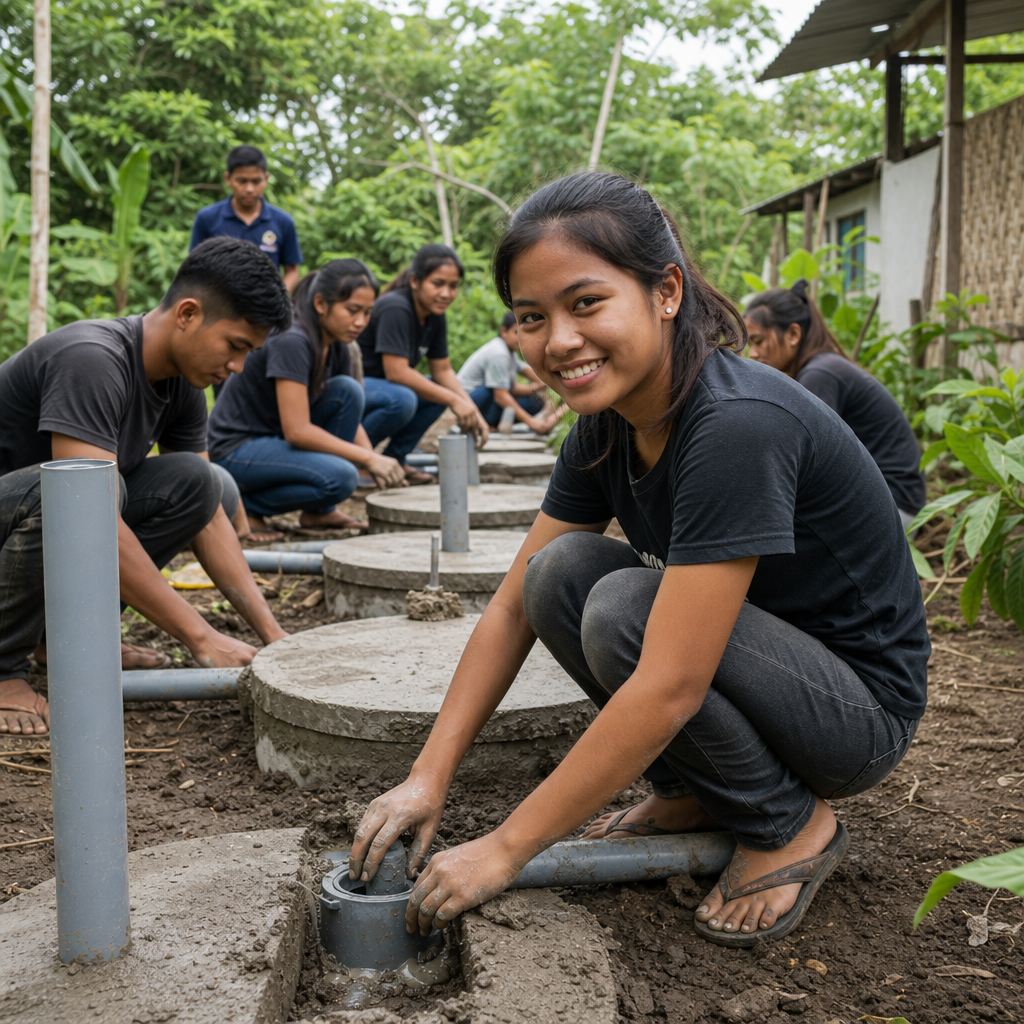
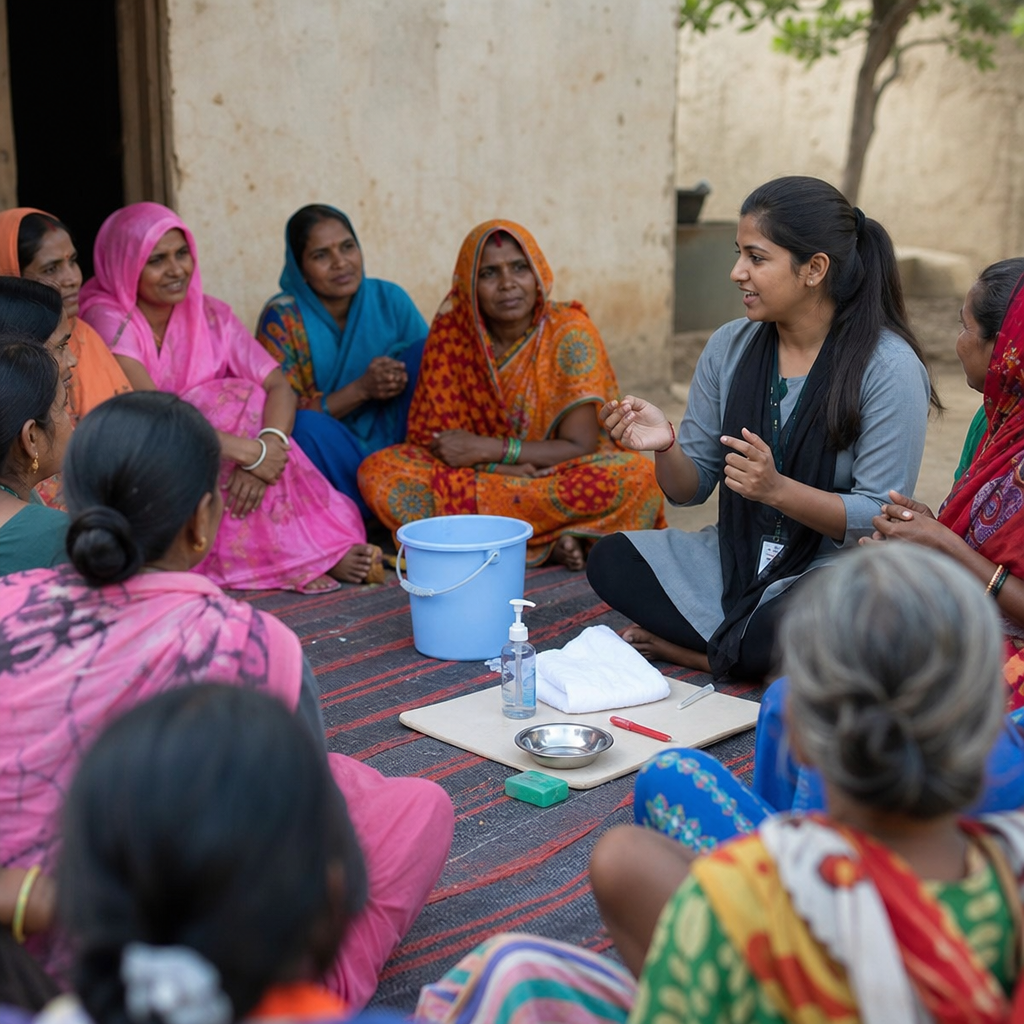
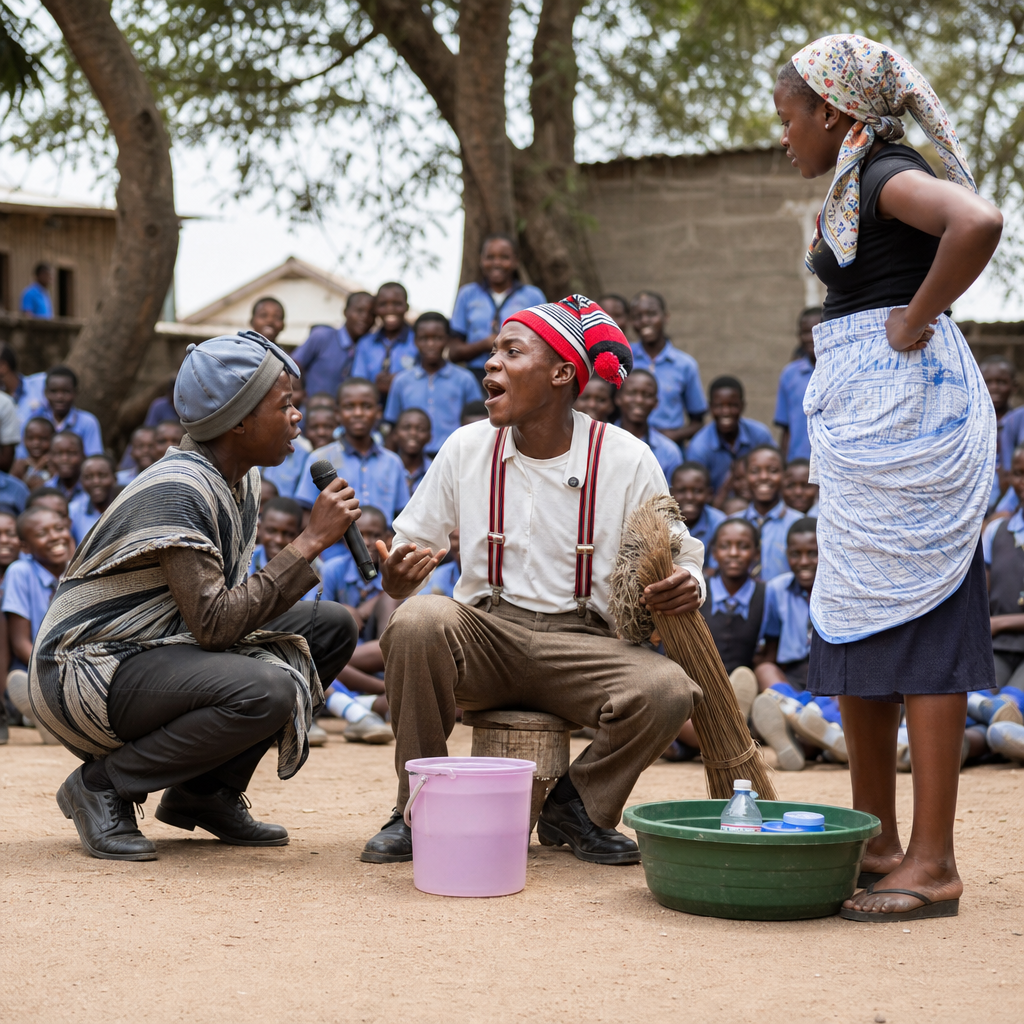
Educational sanitation tours and field visits turn abstract public health lessons into direct, memorable learning, giving communities a practical way to understand how water, waste, hygiene, and infrastructure affect everyday life. In community engagement and education, these tours serve as a hub activity because they connect classroom knowledge, civic participation, behavior change, and local problem solving in one structured experience. An educational sanitation tour is an organized visit to places such as water treatment plants, wastewater facilities, public toilet blocks, composting sites, drainage channels, schools, clinics, or neighborhoods implementing improved hygiene systems. A field visit is broader and may include observation, interviews, mapping, demonstrations, and reflection exercises led by facilitators, engineers, health workers, or community leaders.
I have seen sanitation concepts become clearer within minutes when people stand beside a clogged drain, inspect a handwashing station that actually works, or compare a safely managed toilet with an overflowing pit. That shift matters because sanitation is often discussed only during outbreaks or construction projects, yet it is fundamentally about dignity, disease prevention, environmental protection, school attendance, gender safety, and local economic resilience. The World Health Organization and UNICEF Joint Monitoring Programme consistently links safely managed sanitation with lower exposure to fecal contamination, while the Sustainable Development Goals place sanitation at the center of health, education, and equitable development. Communities need more than posters and lectures; they need experiences that help them see systems, ask better questions, and understand their own role in maintaining them.
This hub article explains how educational sanitation tours and field visits empower communities through knowledge. It defines the main formats, shows who benefits, outlines how to plan and run effective visits, and explains how to turn observation into sustained action. It also points toward the wider community engagement and education ecosystem by showing how tours support school programs, local leadership training, youth participation, household behavior change, and accountability around services. When done well, sanitation tours do not simply inform people. They build local confidence, sharpen decision making, and create a shared evidence base that communities can use to improve health outcomes and infrastructure stewardship.
Why sanitation tours are powerful learning tools
Sanitation tours work because they convert invisible systems into visible evidence. Most people use toilets, drains, water points, and waste collection services without seeing what happens before or after. A tour closes that gap. Participants can trace the sanitation chain from containment to emptying, transport, treatment, reuse, or disposal. They can examine whether a facility is accessible, whether soap is present, whether wastewater is safely separated from drinking water, and whether maintenance responsibilities are clear. In practical terms, this is far more effective than a generic awareness session because people remember what they touched, smelled, mapped, and discussed.
These visits also improve risk literacy. For example, when residents walk through a low-lying settlement before the rainy season and identify blocked culverts, broken inspection covers, standing greywater, and open dumping points, they begin to understand why flooding and diarrhea spike together. In schools, students who visit a well-managed handwashing and menstrual hygiene facility can compare it with their own campus conditions and advocate for specific improvements instead of vague complaints. In municipal settings, elected officials who tour decentralized wastewater treatment systems often gain a clearer understanding of operational costs, staffing needs, and land-use constraints than they do from reviewing budget lines alone.
Another strength is social learning. A sanitation tour brings together groups that do not always speak candidly in formal meetings: schoolchildren, teachers, caregivers, sanitation workers, engineers, public health staff, and local leaders. During a field visit, each group contributes a different form of knowledge. Operators explain maintenance routines. Residents explain usage patterns and barriers. Health workers discuss exposure routes. Women and girls often raise privacy and safety issues that technical teams miss. This layered discussion makes sanitation education more accurate and more democratic.
What communities can learn during field visits
A strong field visit teaches more than the location of toilets or bins. It helps participants understand the sanitation service chain, behavior drivers, and governance arrangements. At the household level, people learn why proper toilet siting, ventilation, slab design, handwashing access, and child feces disposal matter. At the neighborhood level, they can assess drainage, solid waste management, shared facility cleanliness, accessibility for older adults and disabled users, and the relationship between sanitation and local water sources. At the institutional level, they can evaluate whether schools, markets, clinics, and transport hubs provide safe, inclusive, and maintainable services.
Field visits are especially useful for clarifying common misconceptions. Many communities assume that building toilets alone solves sanitation problems, but unmanaged fecal sludge, poor cleaning practices, and absent handwashing can undermine the health benefit. Others believe drains are only an engineering issue, when in fact routine dumping of plastics and organic waste is a major operational driver of blockages. In dense settlements, residents may not realize how quickly contamination spreads when pits are too close to shallow wells. A guided visit lets facilitators explain these points in direct, local terms.
| Learning focus | What participants observe | Practical takeaway |
|---|---|---|
| Toilet usability | Privacy, lighting, locks, cleanliness, accessibility, water availability | A toilet must be safe and usable every day, not just technically present |
| Hand hygiene | Soap placement, sink function, drainage, user behavior after toilet use | Handwashing works when facilities are convenient and consistently supplied |
| Wastewater and drainage | Blocked channels, standing water, erosion, illegal discharge points | Routine maintenance and waste control reduce flooding and exposure |
| Fecal sludge management | Containment type, emptying access, transport methods, treatment site conditions | Safe sanitation depends on the full chain, not only the toilet structure |
| Institutional management | Cleaning schedules, budgets, caretaker roles, complaint systems | Clear accountability is essential for long-term service quality |
How to design an effective educational sanitation tour
Effective tours are planned around learning outcomes, not logistics alone. Start by identifying the audience and the exact questions they need answered. School groups may need to understand hygiene behavior and facility respect. Community leaders may need to compare onsite sanitation, sewered systems, and fecal sludge treatment options. Health volunteers may need to connect environmental conditions to disease prevention messaging. Once the learning goal is clear, choose sites that demonstrate contrast: effective and ineffective facilities, upstream and downstream conditions, or household and institutional settings. Contrast sharpens understanding.
Preparation should include a route assessment, permissions, safety briefing, and facilitator guide. I recommend a simple observation checklist covering cleanliness, access, odor, signage, water availability, operation and maintenance, evidence of inclusive design, and visible risk points. For technical groups, add indicators such as containment integrity, desludging access, hydraulic flow issues, treatment capacity, and sludge drying performance. For community groups, use plain-language prompts: What works here? What fails? Who maintains this place? What would stop someone from using it? What health risks do you notice?
Good tours are interactive. Participants should map issues, interview caretakers, photograph non-sensitive features, and rank priorities at the end. They should also be encouraged to ask direct questions: How often is this toilet cleaned? Who pays for repairs? Where does sludge go after emptying? Why is soap missing? Why is the girls’ facility locked? Those questions often reveal governance failures more clearly than technical inspection alone. If the tour is part of a wider community engagement and education program, the outputs should feed into school sanitation clubs, neighborhood action plans, local budget discussions, or behavior change campaigns.
Inclusion, ethics, and safety in community visits
Sanitation fieldwork must be designed with respect. Participants may be entering schools, clinics, treatment plants, informal settlements, or households where privacy and stigma are serious concerns. No tour should expose individuals using toilets, shame families for poor conditions, or treat low-income neighborhoods as demonstration sites for outsiders. Consent matters, photography rules must be explicit, and facilitators should explain why specific sites were selected and how findings will be used. This is especially important when discussing menstruation, disability access, open defecation, or child sanitation practices.
Inclusion is not optional. Women, girls, disabled people, sanitation workers, and residents of underserved areas experience sanitation differently, so their perspectives must shape the visit. If a site has stairs only, no lighting, no disposal option for menstrual materials, or no safe route after dark, that is not a side issue; it is central evidence about service quality. I have found that some of the most valuable learning comes from listening to caretakers and cleaners, who often understand failure points better than planners do. They know where taps break repeatedly, which users are excluded, and how unrealistic maintenance budgets really are.
Safety planning should be concrete. Site-specific hazards include slippery surfaces, open channels, traffic, chemical exposure, bioaerosols, confined spaces, and contaminated water. Participants need protective guidance, not alarmist messaging. Closed shoes, hand hygiene supplies, supervised movement, and restricted access to high-risk zones are basic requirements. Children should never enter operational treatment areas without strict controls. A clear incident protocol, attendance list, hydration plan, and weather contingency are also standard practice. The educational value of a tour depends on people feeling safe enough to pay attention.
From observation to action: turning visits into community change
A sanitation tour has limited value if it ends at the gate. The strongest programs convert observations into commitments, tasks, and follow-up learning. Immediately after the visit, facilitators should hold a structured debrief. Ask participants to identify the three biggest risks they observed, the three strongest examples of good practice, and one action they can influence within a month. This turns the visit from passive exposure into accountable problem solving. It also helps separate quick wins from issues that require policy or capital investment.
For schools, follow-up may include student audits of handwashing stations, peer education sessions, menstrual hygiene improvements, or maintenance monitoring led by a sanitation club. For neighborhoods, it may include drain clearing campaigns, household visits, landlord engagement, complaint tracking, or meetings with municipal engineers. For local governments, it may lead to revised cleaning contracts, desludging schedules, asset inventories, or better public toilet management. Digital tools can help. KoboToolbox, Google Forms, and GIS-based mapping apps allow teams to document defects, geotag infrastructure, and compare conditions over time.
Measurement is essential. If the goal is empowering communities through knowledge, evaluate whether people can explain the sanitation chain, identify hazards, and act on what they learned. Useful indicators include attendance diversity, participant knowledge gain, number of issues documented, actions completed after the visit, facility improvements achieved, and stakeholder meetings triggered. Qualitative feedback matters too. Did students feel more confident reporting problems? Did sanitation workers feel heard? Did residents gain a clearer understanding of service responsibilities? These are strong signals that a field visit is building civic capacity, not just delivering information.
Building a strong subtopic hub within community engagement and education
As a hub page under community engagement and education, educational sanitation tours and field visits should connect readers to the full knowledge ecosystem around empowering communities through knowledge. That means treating tours not as isolated events but as anchor experiences that reinforce related topics: school hygiene education, participatory mapping, behavior change communication, community-led monitoring, menstrual health education, youth leadership, disability-inclusive sanitation, solid waste literacy, and local accountability mechanisms. Each of those areas benefits when people have a shared, grounded understanding of real sanitation conditions.
In practice, this hub role is important because readers often arrive with different intents. Some want to organize a school field trip. Others want a community workshop format. Municipal teams may want examples of facility benchmarking or public outreach. NGOs may need ways to train volunteers. A comprehensive sanitation education hub should answer those intents clearly and direct readers toward implementation resources, case studies, and specialized guidance. It should also reinforce one core truth: knowledge changes outcomes when it is practical, local, and tied to decisions.
Educational sanitation tours and field visits empower communities because they make systems visible, connect evidence to daily behavior, and create a basis for shared action. They help people understand how toilets, drains, handwashing, treatment, maintenance, and governance fit together, and why weak links anywhere in that chain affect health and dignity. They also create better conversations between residents, schools, workers, and authorities by grounding debate in observed reality rather than assumption.
For community engagement and education programs, this approach delivers a durable benefit: informed communities are better able to protect infrastructure, demand accountability, and adopt safer practices. Plan tours with clear learning goals, inclusive participation, strong facilitation, and follow-up action, and they become more than educational events. They become a practical engine for local improvement. Use this hub as the starting point, then build a linked program of school outreach, community monitoring, and sanitation literacy that turns knowledge into measurable change.
Frequently Asked Questions
What are educational sanitation tours and field visits?
Educational sanitation tours and field visits are structured learning experiences that help people understand how sanitation systems work in real life. Instead of only discussing public health, hygiene, wastewater, drainage, toilets, solid waste, and safe water management in a classroom, participants visit actual sites where these systems are built, used, maintained, or improved. These may include community toilets, handwashing stations, water treatment facilities, wastewater plants, drainage networks, recycling centers, landfill management sites, schools, health centers, or neighborhoods with ongoing sanitation projects.
What makes these tours valuable is their ability to turn abstract ideas into direct observation. Participants can see how poor sanitation contributes to disease risk, environmental contamination, flooding, odors, and unsafe living conditions, while also seeing how practical solutions improve health and quality of life. A well-designed field visit often includes guided explanations, demonstrations, question-and-answer sessions, and opportunities to compare different sanitation conditions across locations.
In community engagement and education, sanitation tours often act as a central learning activity because they connect technical knowledge with everyday experience. They help students, residents, officials, and community groups understand that sanitation is not only about infrastructure, but also about behavior, maintenance, planning, equity, and shared responsibility. By making sanitation visible and understandable, these tours build stronger awareness and encourage informed participation in local problem solving.
Why are sanitation tours important for public health education?
Sanitation tours are important for public health education because they show how closely health outcomes are tied to water, waste, hygiene, and infrastructure. Many people understand in theory that dirty water, unmanaged waste, and poor toilet access can cause illness, but a field visit makes those risks immediate and memorable. Seeing blocked drains, contaminated runoff, overflowing waste areas, or poorly maintained facilities helps participants connect public health lessons to actual conditions in homes, schools, markets, and public spaces.
These tours also make prevention easier to understand. When participants observe functioning handwashing stations, safe disposal systems, wastewater treatment processes, or well-maintained sanitation facilities, they can see how disease transmission is reduced through practical measures. This is especially useful in explaining how sanitation affects diarrheal disease, parasitic infections, respiratory risks linked to waste burning, vector breeding in standing water, and broader environmental health concerns.
Another major benefit is that field-based learning tends to be retained longer than lecture-only instruction. People are more likely to remember what they saw, discussed, and questioned directly. For educators and community leaders, this makes sanitation tours an effective tool for encouraging behavior change, improving local awareness, and building support for investments in sanitation infrastructure. In short, they help transform public health education from information people hear into knowledge they can recognize, apply, and act on.
Who can benefit from educational sanitation field visits?
Educational sanitation field visits can benefit a wide range of audiences because sanitation affects nearly every part of community life. Students benefit by linking science, health, and civic education to real-world systems. Teachers gain a practical teaching tool that makes lessons more engaging and relevant. Community members benefit by learning how local sanitation services function, where problems originate, and what actions households and neighborhoods can take to improve conditions.
Local government representatives, planners, engineers, health workers, and development practitioners also gain value from these visits. For technical and policy audiences, tours provide insight into how infrastructure performs on the ground, how communities actually use facilities, what maintenance gaps exist, and where service delivery may be unequal. This can help improve planning, budgeting, and oversight. For civil society groups and community organizations, field visits can strengthen advocacy by grounding discussions in shared observations rather than assumptions.
These tours are also especially useful in mixed-group settings where residents, service providers, educators, and officials participate together. In that format, field visits can create a more informed dialogue between stakeholders who may normally approach sanitation from different perspectives. By giving everyone a common reference point, the experience can reduce misunderstanding and support collaborative action. Whether the goal is education, awareness, planning, or community mobilization, sanitation field visits offer practical value to both technical and non-technical participants.
What should be included in a successful sanitation tour or field visit?
A successful sanitation tour should be carefully planned with clear learning objectives, appropriate sites, and strong facilitation. The best tours do more than move people from one location to another; they guide participants through a logical story about how sanitation affects health, daily life, and community development. Organizers should begin by identifying what participants need to learn, whether that is understanding wastewater treatment, examining hygiene facilities, exploring waste management systems, or comparing sanitation challenges across different settings.
Site selection is critical. A useful tour often includes places that show both challenges and solutions, such as areas with sanitation deficiencies alongside facilities or communities that demonstrate effective practices. This balanced approach helps participants avoid seeing sanitation only as a problem and instead understand it as a field where improvement is possible through planning, maintenance, education, and investment. Guides or facilitators should provide context at each stop, explain technical points in accessible language, and encourage questions and discussion.
Safety, logistics, and participant preparation are equally important. Organizers should consider transportation, permissions, timing, group size, accessibility, weather conditions, and any required protective measures. Participants benefit from a short orientation before the visit and a reflection session afterward to discuss what they observed, what surprised them, and what actions could follow. Materials such as checklists, maps, discussion prompts, or note-taking sheets can make the experience more organized and educational. A strong sanitation tour is practical, interactive, safe, and clearly connected to community learning goals.
How do sanitation tours support community engagement and long-term behavior change?
Sanitation tours support community engagement by giving people a shared experience that makes sanitation issues visible, understandable, and discussable. In many communities, problems related to waste, drainage, toilets, and water quality are familiar but not always examined in a structured way. A field visit creates space for people to observe conditions together, ask informed questions, and connect personal habits with broader systems. This can increase community ownership of sanitation concerns and make conversations more constructive.
They also support behavior change because people are more likely to modify habits when they understand both the consequences of unsafe practices and the benefits of better ones. For example, seeing how handwashing facilities are used properly, how waste segregation reduces hazards, or how blocked drains contribute to flooding can make everyday preventive actions feel more concrete and worthwhile. Behavior change is stronger when people do not just receive instructions, but understand why those actions matter in their own environment.
Over the long term, sanitation tours can contribute to stronger civic participation and local problem solving. They can spark school projects, community clean-up efforts, resident monitoring, facility improvement plans, or dialogue with local authorities. They also help communities recognize that sanitation is a shared system requiring both individual responsibility and institutional support. When combined with follow-up discussions, action planning, and local partnerships, these tours can move beyond awareness and become a practical starting point for sustained public health improvement.