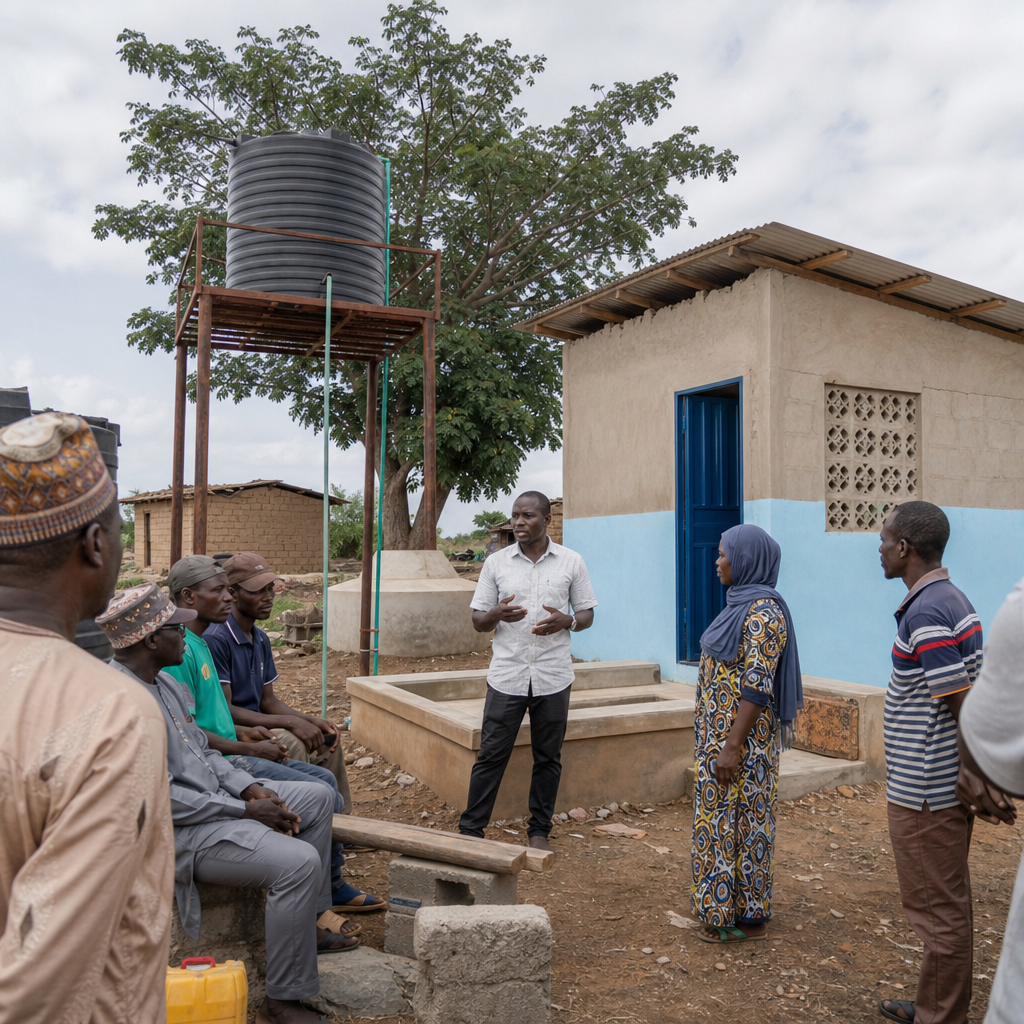
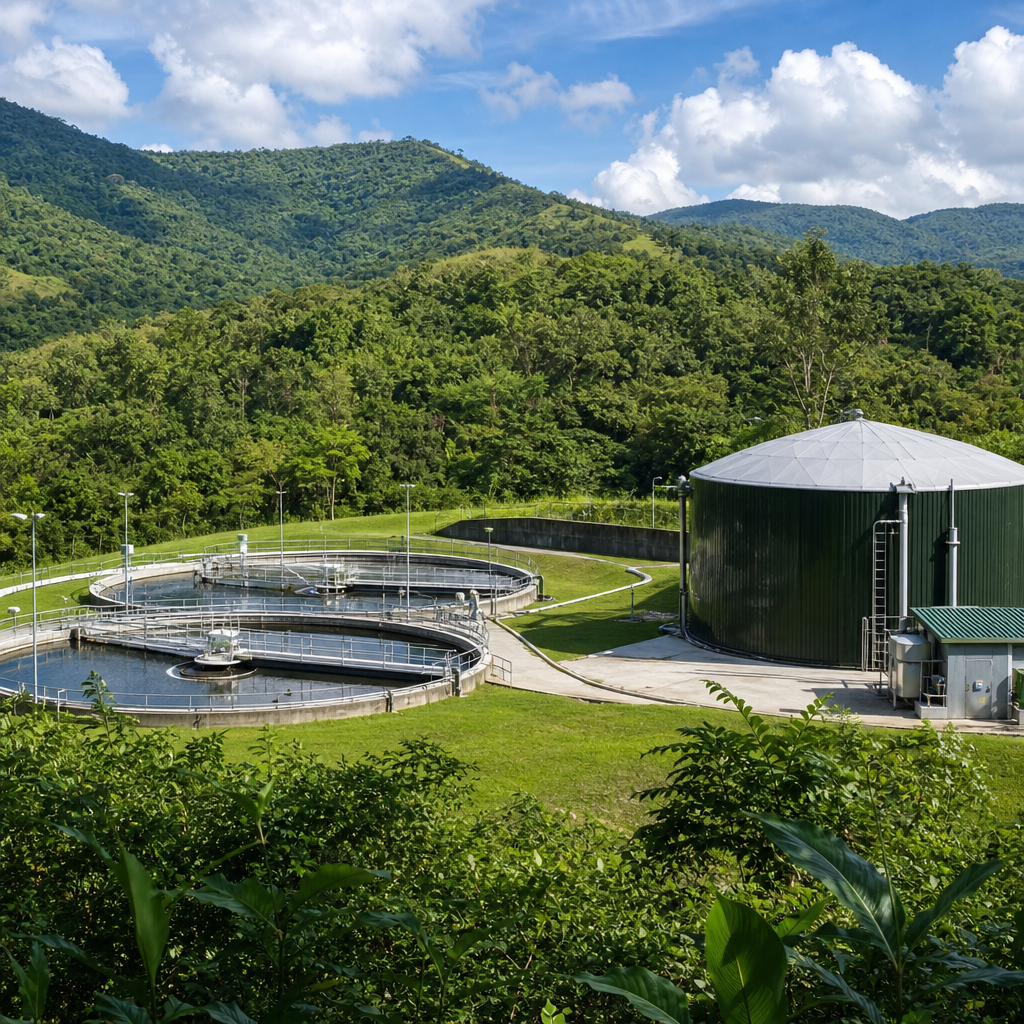
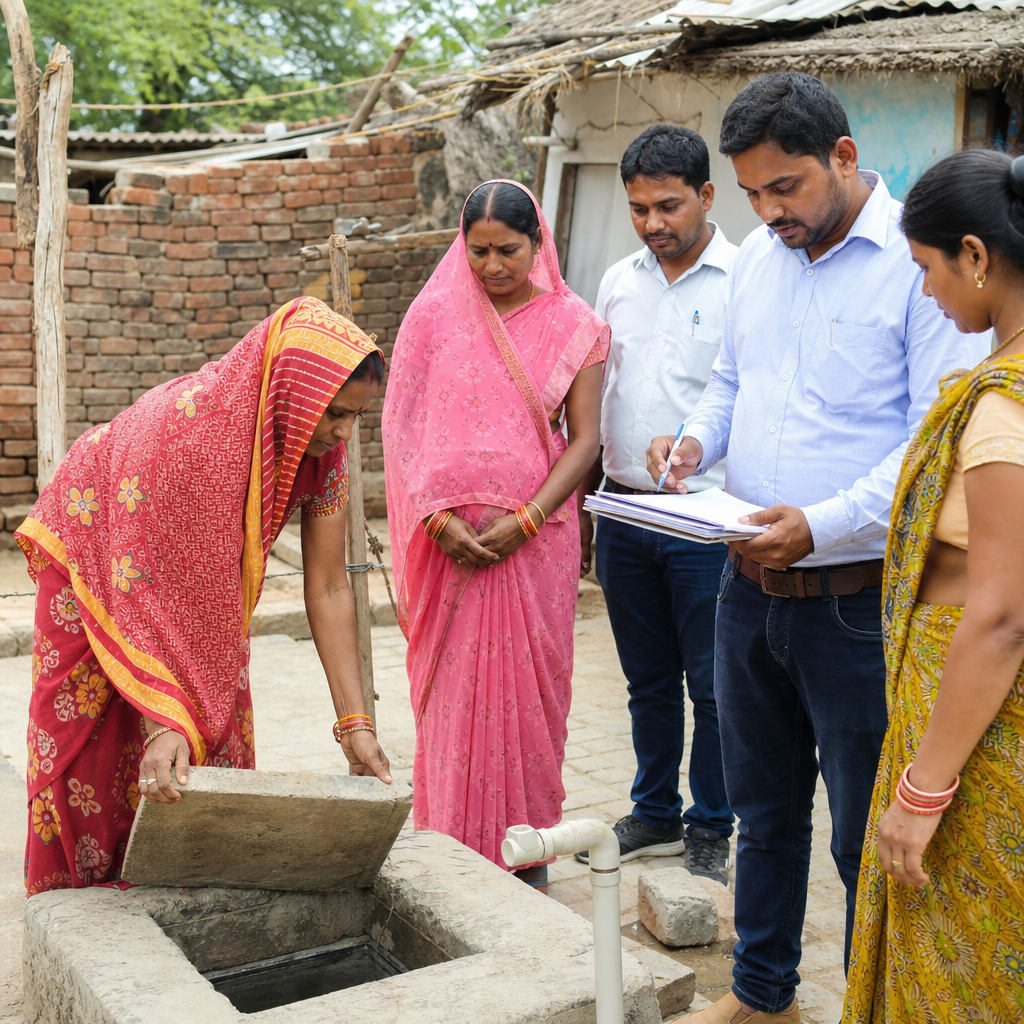
Fostering economic development through sanitation training programs starts with a practical truth: toilets, waste treatment, and hygiene systems are not only public health services, but also engines of local income, jobs, and resource recovery. In EcoSan, short for ecological sanitation, human waste is managed as a resource stream that can produce compost, soil amendments, water savings, and small business opportunities when systems are designed, operated, and regulated correctly. Economic sustainability in EcoSan means these sanitation services can cover their costs over time, create measurable value for households and enterprises, and remain affordable, safe, and socially accepted. I have seen projects fail when training focused only on construction and ignored pricing, maintenance, reuse markets, and operator skills. I have also seen programs succeed when masons, pit emptiers, farmers, municipal staff, and community health workers were trained together around a full service chain. This matters because sanitation gaps still impose heavy economic losses through disease, missed workdays, water contamination, and declining land values. Training programs can reduce those losses while building local capacity to finance, operate, and expand resilient systems.
Why sanitation training is an economic development strategy
Sanitation training programs support economic development because they strengthen the labor market, improve productivity, and reduce avoidable costs across households, businesses, and local government. The World Bank has long documented that poor sanitation can cost countries several percentage points of gross domestic product through health care spending, premature death, time losses, and environmental damage. When workers are sick less often and children miss fewer school days, labor productivity rises. When fecal sludge is safely collected and treated, municipalities spend less on emergency drain clearing, outbreak response, and water source remediation. Those gains are economic returns, not abstract social benefits.
In EcoSan systems, training has an additional effect: it converts sanitation from a pure cost center into a circular economy activity. A urine-diverting dry toilet, composting toilet, or decentralized fecal sludge treatment unit only creates value if users separate streams correctly, operators monitor moisture and temperature, and end users trust the final product. Training is what protects that value. For example, a cooperative producing sanitized compost from excreta needs technicians who understand pathogen reduction targets, retention times, and contamination control. Farmers need guidance on application rates, storage, and crop restrictions. Entrepreneurs need bookkeeping, customer acquisition, and maintenance scheduling. Without those skills, the reuse model breaks down and the system becomes financially fragile.
Good training also improves asset life. I have reviewed installations where inexpensive seals, incorrect urine pipe gradients, and poor vault switching doubled maintenance costs within a year. In contrast, trained local masons using standard drawings and quality checklists delivered systems with fewer callouts and better user satisfaction. That directly affects total cost of ownership. Economic sustainability in EcoSan depends on durable construction, reliable operation, and trusted reuse markets, and each of those depends on structured, repeated training rather than one-time awareness campaigns.
What economic sustainability in EcoSan actually includes
Economic sustainability in EcoSan is broader than recovering money from compost sales. It includes capital affordability, operating cost recovery, lifecycle maintenance, market demand for recovered products, workforce development, institutional capacity, and risk management. A sanitation service is economically sustainable when revenues, subsidies, and avoided costs together are sufficient to keep it functioning at required service levels over its full lifecycle. That can include household payments, municipal transfers, carbon or climate finance in limited cases, agricultural revenue from resource recovery, and donor support for initial market development. The right mix depends on context.
At household level, affordability determines adoption. Upfront toilet costs often block uptake even when lifetime costs are lower than conventional systems. Training programs can address this by teaching local providers how to package services into phased upgrades, maintenance contracts, or microfinance-ready offers. At enterprise level, the economics depend on route density, treatment throughput, labor efficiency, and product quality. A small fecal sludge enterprise serving scattered settlements may struggle unless training includes route planning, customer segmentation, and safe transfer logistics. At municipal level, sustainability requires budgeting, regulation, procurement competence, and monitoring systems that link service quality to payments.
There are also non-cash economic benefits that serious planners should count. Water-saving sanitation lowers pressure on utility infrastructure in water-scarce areas. Better containment can protect groundwater, reducing treatment costs for drinking water suppliers. Cleaner neighborhoods can raise commercial activity and property values. In tourism areas, visible sanitation improvements influence visitor confidence. These externalities do not always appear on an operator’s income statement, but they justify public investment in training and service support because the wider economy captures part of the return.
How training programs build viable sanitation value chains
The strongest sanitation training programs cover the entire service chain: demand generation, design, construction, use, collection, transport, treatment, reuse, business management, and compliance. This is critical in EcoSan because a weakness at any step can erase value created elsewhere. If households do not understand source separation, treatment quality drops. If transport staff are untrained, occupational exposure and spillage increase. If agricultural buyers are unconvinced, stock accumulates and cash flow stalls. The hub role of this topic is to connect those pieces into one economic system rather than treating them as isolated technical tasks.
Training should be tailored by actor. Masons need standard dimensions, venting principles, slab reinforcement, and urine diversion detailing. Operators need process control, recordkeeping, personal protective equipment use, and troubleshooting. Local government teams need tariff design, service contracts, permit systems, and inspection protocols. Community facilitators need behavior change methods grounded in actual user barriers, not generic messaging. Farmers and landscapers need evidence on nutrient content, salinity, pathogen reduction, and crop suitability. When these groups are trained separately with conflicting messages, implementation costs rise. When they train from a shared framework, transaction costs fall and coordination improves.
In practice, the most durable programs use competency-based modules, supervised fieldwork, and refresher sessions after six to twelve months. Certification can help, especially for emptiers, plant operators, and construction teams, because it signals quality to customers and municipalities. Digital tools make follow-up easier. Even simple mobile forms for inspection reports, complaint tracking, and maintenance logs can improve accountability. I have seen enterprises cut repeat failures significantly after introducing checklists tied to technician training and supervisor review. That kind of basic management discipline often matters more than expensive hardware upgrades.
Business models, job creation, and the role of local enterprises
EcoSan creates jobs when training is linked to realistic business models rather than idealized assumptions. The main employment categories include toilet construction, operation and maintenance, pit or vault emptying, transport, treatment plant management, product processing, retail distribution of recovered inputs, and advisory services for farms and institutions. Additional work appears in supply chains for containers, urine tanks, pipes, drying materials, protective gear, and monitoring services. In secondary towns, these activities can support microenterprises and cooperatives if demand is aggregated and quality standards are clear.
The most common mistake is expecting product sales alone to finance everything. In most markets, compost or treated biosolids generate supplementary revenue, not full cost recovery. Transport and labor are expensive, and customers compare recovered products with subsidized chemical fertilizers. A better model often blends user fees with modest product revenue and public support for treatment infrastructure. Training should therefore include enterprise financial literacy: contribution margins, depreciation, break-even volume, route density, customer retention, and working capital management. Operators who understand these numbers price services more accurately and avoid underbidding contracts they cannot sustain.
| EcoSan activity | Typical revenue source | Main training need | Economic risk if untrained |
|---|---|---|---|
| Toilet construction | Installation fees | Standardized design and quality control | Early failures and warranty costs |
| Collection and emptying | Service charges | Safe handling, routing, customer scheduling | High fuel use, accidents, missed pickups |
| Treatment operations | Municipal contracts and tipping fees | Process monitoring and compliance | Low product quality and regulatory penalties |
| Resource recovery sales | Compost, soil conditioner, urine-based inputs | Product grading, marketing, application guidance | Unsold inventory and weak buyer trust |
Real-world examples show the pattern. In East Africa and South Asia, container-based and decentralized sanitation businesses have created local jobs, but the enterprises that endure usually invest heavily in staff training, standard operating procedures, and customer service. In peri-urban farming zones, demand for compost can be steady, yet buyers only return when product consistency is reliable. That consistency comes from trained operators who can document treatment steps and maintain feedstock quality. Economic development follows when many small improvements across the chain create a dependable service people will pay for.
Financing, policy, and market conditions that support scale
Training alone cannot overcome weak policy or impossible unit economics, so scalable EcoSan requires enabling conditions. First, governments need regulations that recognize non-sewered sanitation as a legitimate public service. This matters for licensing, land allocation, occupational safety, and budget eligibility. Second, tariffs and subsidies must match the public value of sanitation. It is reasonable for households to pay for private benefits such as convenience and maintenance, but broader environmental and health benefits justify public co-financing, especially for treatment and oversight. Third, procurement rules should reward lifecycle performance, not just lowest construction cost.
Training programs can strengthen these conditions by educating decision-makers as well as frontline workers. Municipal engineers often need support to compare capital expenditure with lifecycle cost, evaluate service contracts, and use performance indicators such as safe containment, emptying frequency, treatment compliance, and customer satisfaction. Financial institutions need a clearer understanding of sanitation cash flows before offering credit to small providers. Development agencies can help by funding market assessments, pilot guarantees, and results-based grants tied to verified service outcomes rather than only infrastructure counts.
Market development for recovered resources also deserves realism. Urine-derived fertilizers, composted biosolids, and co-compost products can reduce fertilizer spending and improve soil organic matter, but their uptake depends on transport costs, crop value, farmer awareness, and standards for safety and labeling. Training should therefore include market testing, demonstration plots, and partnerships with agricultural extension services. Where regulations are absent, national standards from bodies such as the World Health Organization guidelines on safe reuse and ISO-aligned quality practices can inform local protocols. Trust grows when programs communicate clearly about treatment, restrictions, and monitoring results.
Measuring outcomes and avoiding common failure points
Economic sustainability in EcoSan should be measured with operational and financial indicators, not only toilet counts. Useful metrics include cost per household served, collection efficiency, plant uptime, staff productivity, repeat maintenance rates, customer renewal rates, treated output sold, average revenue per route, and compliance with pathogen reduction targets. Municipalities should also track avoided flooding, reduced drain blockages, fewer disease outbreaks, and groundwater protection where data allow. These metrics reveal whether training is improving real performance.
Common failure points are predictable. Programs often undertrain users, leading to contamination of urine or compost streams. They ignore the informal sanitation workforce instead of upgrading its skills and safety practices. They purchase technologies with no local spare parts or no clear operator curriculum. They assume farmers will buy recovered products without proof of agronomic benefit. They measure success at handover rather than after two rainy seasons. I have seen each of these errors increase costs later through emergency repairs, customer distrust, and stalled reuse revenue.
The practical response is disciplined program design. Start with a service chain assessment and labor market scan. Map who builds, who operates, who regulates, and who buys outputs. Define competencies for each role. Pair classroom instruction with supervised practice. Budget for refresher training, mentoring, and monitoring. Publish simple quality standards and inspection forms. Treat user education as continuous customer support, not a launch event. When training is embedded in operations, EcoSan becomes a platform for local enterprise growth and resilient public service delivery.
Sanitation training programs foster economic development when they turn infrastructure into a functioning service economy. In EcoSan, that means more than installing toilets. It means building the skills, standards, incentives, and markets that allow sanitation systems to recover resources, protect health, and keep operating year after year. The core lesson is straightforward: economic sustainability in EcoSan depends on the whole chain, from household use to treatment quality to product sales and municipal oversight. Training is the mechanism that links those parts and reduces the costly failures that undermine trust.
For readers using this page as a hub within the Economic Aspects topic, the main priorities are clear. Assess lifecycle costs, not just upfront price. Train every actor in the sanitation value chain, not only builders. Use blended finance and realistic tariffs rather than expecting reuse revenue to cover everything. Build buyer confidence in recovered products through standards, testing, and agricultural extension. Measure outcomes with service and financial indicators that show whether systems remain safe, reliable, and affordable over time. These principles apply in villages, informal settlements, schools, health facilities, and secondary cities.
The benefit of getting this right is substantial: healthier communities, stronger local enterprises, more productive land use, and sanitation services that do not collapse when donor funding ends. If you are planning EcoSan work, start by designing a training strategy alongside the technical design and budget, then use that strategy to guide procurement, partnerships, and performance tracking.
Frequently Asked Questions
How do sanitation training programs contribute to economic development at the local level?
Sanitation training programs support economic development by turning sanitation from a basic service expense into a productive local sector. When communities train operators, installers, masons, waste handlers, hygiene promoters, and small business owners, they create a workforce that can build, maintain, and improve toilets, drainage systems, fecal sludge management services, and EcoSan systems. That workforce generates jobs directly through construction, maintenance, collection, treatment, transport, and sales of sanitation-related products and services. It also creates indirect economic benefits by reducing illness, lowering healthcare costs, improving school and work attendance, and helping businesses operate in cleaner, safer environments.
In practical terms, well-designed training programs increase the quality and reliability of sanitation services, which builds trust and demand in the market. Households are more likely to invest in toilets and maintenance when they know skilled local providers are available. Farmers may purchase treated compost or soil conditioners when they understand the value and safety of properly processed resource recovery products. Municipalities benefit because trained service providers can help extend coverage more efficiently, reduce system failures, and improve compliance with environmental and health regulations. Over time, these programs strengthen local supply chains for materials, repairs, transport, treatment, and reuse, making sanitation an economic ecosystem rather than an isolated public service.
What kinds of jobs and business opportunities can emerge from EcoSan and sanitation training?
EcoSan and broader sanitation training can open the door to a surprisingly wide range of livelihoods. On the technical side, there are opportunities for toilet construction, retrofit services, plumbing, pit emptying, container collection, transport logistics, treatment plant operation, compost production, quality testing, and system monitoring. On the enterprise side, trained workers and entrepreneurs can build businesses around toilet installation, maintenance contracts, sludge collection services, sale of sanitation consumables, handwashing station production, organic soil amendment distribution, and agricultural advisory services connected to safe reuse.
Training also helps people move beyond informal, low-income sanitation work into safer and more professionalized roles. For example, a person who previously did irregular manual cleaning may become a certified equipment operator, service manager, treatment technician, or entrepreneur running a scheduled collection route. Women and youth can benefit especially when programs intentionally include business skills, safety training, digital recordkeeping, customer service, and access to financing. In rural and peri-urban areas, resource recovery models can create value by turning treated waste into compost, mulch inputs, or other beneficial products, provided treatment standards are met. The most successful programs recognize that sanitation jobs are not limited to infrastructure alone; they include manufacturing, service delivery, reuse markets, training, inspection, and local retail activity.
Why is training so important for making sanitation systems financially sustainable?
Training is essential because sanitation systems often fail financially when they are poorly designed, incorrectly operated, or not maintained on a predictable schedule. A toilet, treatment unit, or reuse system may look affordable at installation, but if users do not understand proper operation or technicians are not trained in upkeep, breakdowns, odors, contamination, and abandonment quickly follow. That destroys user confidence and increases long-term costs. Training reduces these risks by improving technical performance, extending infrastructure life, and helping providers plan for full life-cycle costs such as maintenance, transport, treatment, replacement parts, and safe end-use or disposal.
Financial sustainability also depends on management capacity, not just engineering. Effective sanitation training includes budgeting, tariff setting, cost recovery planning, customer communication, inventory control, and regulatory compliance. In EcoSan systems, the economic promise of resource recovery only becomes real when people know how to separate waste streams correctly, treat material safely, meet health standards, and connect products to legitimate markets. Without training, potential revenue from compost or other outputs may never materialize, and unsafe practices can undermine the entire model. In short, training protects investments, improves service quality, and helps sanitation providers create business models that are practical, credible, and resilient over time.
How does EcoSan turn human waste into an economic resource without compromising public health?
EcoSan works on the principle that human waste can be managed as a resource stream, but only when systems are designed and operated with strict attention to health protection. Training is the bridge between potential value and safe implementation. It teaches users and operators how to separate waste where needed, manage moisture, support proper composting or storage processes, monitor treatment conditions, use protective equipment, and follow protocols for handling and reuse. These steps are critical because untreated or poorly treated waste can spread disease, contaminate water sources, and damage trust in sanitation programs.
When treatment is done correctly, however, EcoSan can produce useful outputs such as composted material, soil conditioners, and water-saving benefits that reduce pressure on household and municipal budgets. This creates economic value in several ways: farmers may gain access to locally produced soil amendments, communities may reduce waste management costs, and service providers can develop fee-based collection and treatment businesses. The key is that public health safeguards must come first. Strong training programs align technical practice with local regulations, quality control, and behavior change so that economic reuse is not an informal shortcut, but a managed system supported by evidence, oversight, and community understanding. That is what makes resource recovery both credible and scalable.
What should a strong sanitation training program include to maximize both health and economic outcomes?
A strong sanitation training program should combine technical instruction, business development, health safeguards, and local market awareness. On the technical side, participants need practical skills in toilet design options, construction quality, operation and maintenance, waste collection methods, treatment processes, water efficiency, and troubleshooting. For EcoSan, the curriculum should also cover resource recovery principles, pathogen reduction, compost handling, storage timelines, quality assurance, and safe agricultural application where permitted. Training should be hands-on and adapted to the realities of the community, including climate, soil conditions, water access, housing density, and local regulations.
To maximize economic outcomes, programs should also teach entrepreneurship, pricing, bookkeeping, marketing, customer relations, procurement, and contract management. Workers and small enterprises often need support in understanding how to package sanitation services, forecast costs, demonstrate value to households or institutions, and connect with buyers for recovered products. Just as important are occupational health and safety, gender inclusion, certification pathways, and links to local governments, financial institutions, and agricultural extension services. The best programs do not stop at one-time instruction; they include mentoring, refresher training, performance monitoring, and pathways to employment or enterprise growth. That broader approach helps sanitation training produce lasting gains in public health, environmental protection, and local economic resilience.