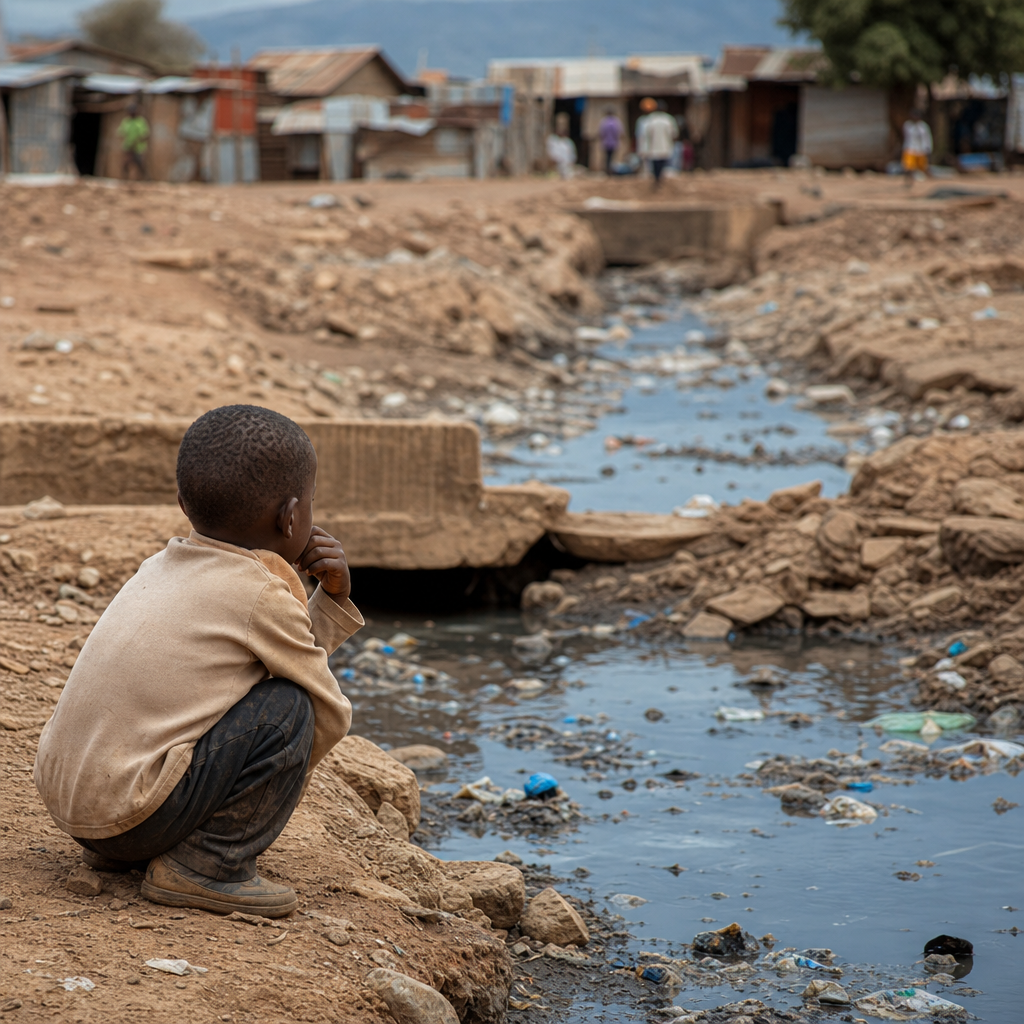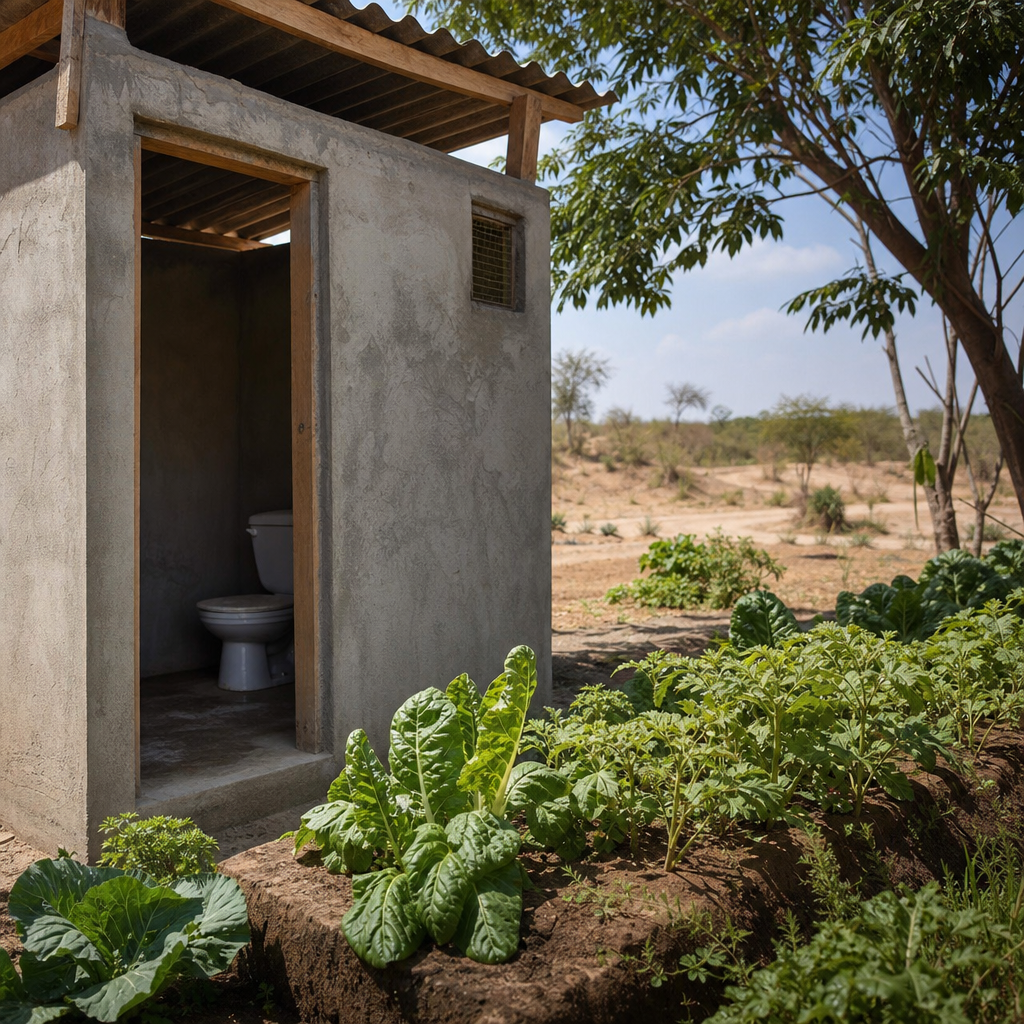
Sanitation sits at the intersection of public health, urban planning, climate resilience, and human dignity, and global initiatives in sanitation increasingly depend on big data and analytics to target investments, coordinate partners, and measure results. In practice, sanitation includes safe toilet access, fecal sludge management, sewerage, wastewater treatment, hygiene behavior, and the policies and financing systems that keep services functioning over time. When I have worked on sanitation programs, the biggest barrier was rarely a lack of goodwill; it was fragmented information spread across utilities, ministries, NGOs, donors, and communities. Data closes that gap. It helps governments identify underserved settlements, estimate disease burden, prioritize infrastructure, monitor service quality, and compare progress across regions using shared indicators. This matters because sanitation failure is still widespread. According to the WHO and UNICEF Joint Monitoring Programme, billions of people still lack safely managed sanitation, and the consequences include diarrheal disease, lost productivity, school absenteeism, environmental contamination, and gendered safety risks. Global sanitation collaboration has therefore evolved beyond isolated projects toward coordinated platforms that combine satellite imagery, census data, utility records, household surveys, geospatial mapping, climate models, and performance dashboards. This article serves as a hub for understanding how international agencies, city networks, development banks, utilities, researchers, and community organizations use analytics to strengthen sanitation planning and delivery. It explains the major initiatives, the technologies behind them, the governance issues that determine whether data becomes action, and the practical lessons decision-makers can apply.
Why data-driven sanitation collaboration matters globally
Global sanitation initiatives succeed when they answer four practical questions clearly: who lacks service, what kind of service is missing, where the highest-risk areas are, and which intervention will produce the greatest public health benefit per dollar spent. Big data improves each of those decisions. Household surveys such as DHS and MICS reveal inequalities by income, gender, disability, and geography. Geospatial layers show flood exposure, population density, groundwater vulnerability, and informal settlement growth. Utility billing and asset registers indicate nonfunctioning systems and maintenance backlogs. Health surveillance data connects poor sanitation with cholera outbreaks, stunting, and other burdens. When these datasets are linked, policymakers can move from broad targets to street-level action.
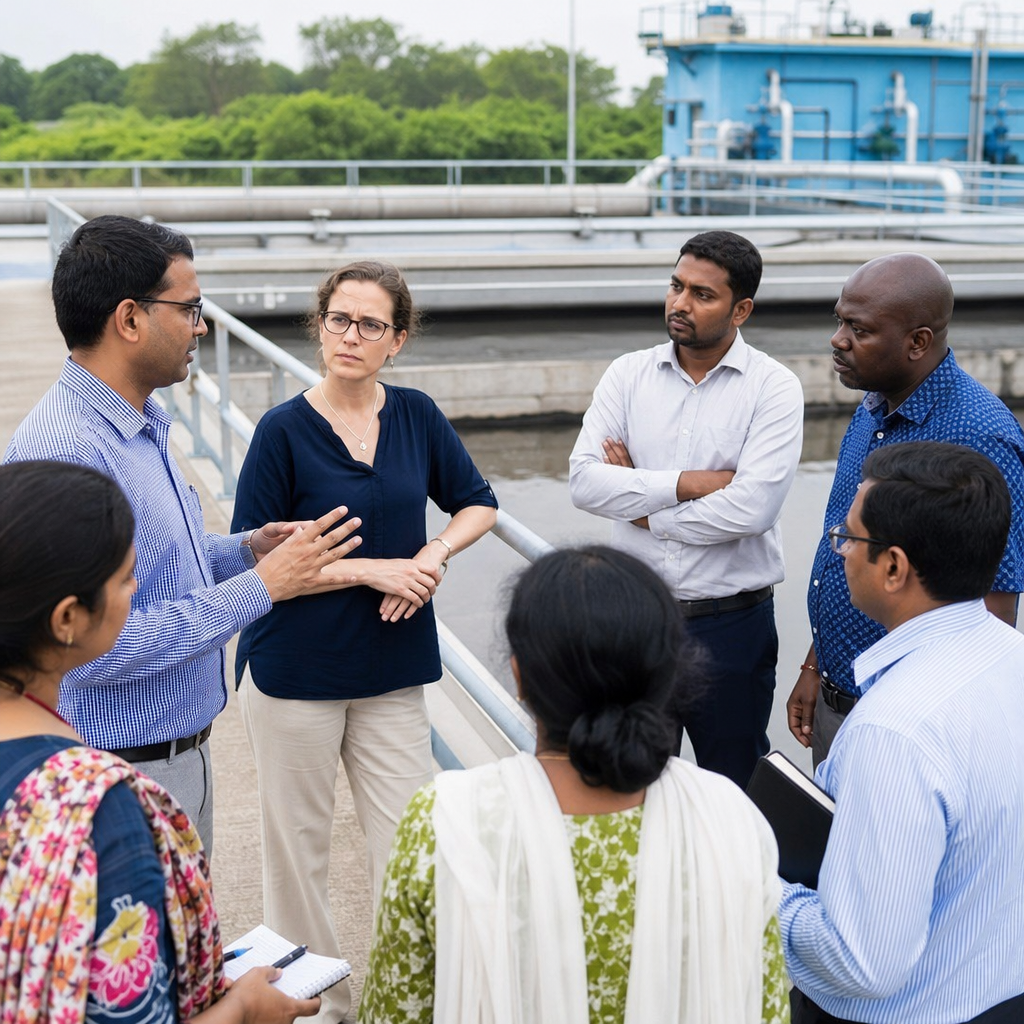
Collaboration is essential because sanitation systems cut across institutional boundaries. A ministry of health may track disease, a water utility may operate sewers, a city may regulate desludging, and a donor may finance treatment plants. Without common data standards and shared dashboards, each actor sees only part of the system. In several city programs I have reviewed, partners spent months reconciling ward boundaries, facility definitions, and outdated population estimates before they could even agree on baseline coverage. Strong global partnerships reduce that friction by promoting standard indicators, open data protocols, interoperable tools, and repeatable methodologies that local teams can adopt quickly.
Another reason analytics matters is that sanitation progress is not linear. Building toilets does not guarantee safe sanitation if pits overflow, sludge is dumped untreated, or treatment plants run below design efficiency. Data allows performance to be tracked across the entire service chain, from containment to emptying, transport, treatment, reuse, and disposal. That shift from infrastructure counting to service delivery measurement is one of the most important changes in the sector.
Major global initiatives shaping sanitation progress
The strongest anchor for global sanitation work remains Sustainable Development Goal 6, especially target 6.2 on access to adequate and equitable sanitation and hygiene for all, with special attention to women, girls, and vulnerable populations. SDG monitoring created a common language for governments and development partners, especially through the WHO/UNICEF Joint Monitoring Programme. The JMP methodology distinguishes basic, limited, unimproved, and safely managed sanitation, giving countries a more realistic picture than simple toilet counts. Because these categories are internationally recognized, they support funding decisions, national benchmarking, and public accountability.
UN-Water provides coordination across the UN system, aligning sanitation with water security, health, education, and climate agendas. The Sanitation and Water for All partnership has been especially influential in creating mutual accountability between governments, donors, civil society, and development banks. SWA’s country processes encourage finance ministers and sector ministers to work from the same evidence base, which is often a larger achievement than any single construction project. UNICEF and WHO continue to support national monitoring, behavior change programs, and emergency sanitation responses, while UN-Habitat contributes urban data, informal settlement analysis, and city planning expertise.
The World Bank, regional development banks, and bilateral agencies such as USAID, FCDO, GIZ, and JICA have pushed the sector toward stronger analytics through project preparation tools, utility diagnostics, and results-based financing. The World Bank’s Citywide Inclusive Sanitation approach is especially important because it recognizes that sewer expansion alone will not serve rapidly growing cities. Instead, cities need evidence-based combinations of onsite sanitation, scheduled desludging, transfer stations, treatment plants, and regulatory enforcement. In parallel, the Bill & Melinda Gates Foundation has funded sanitation innovation, fecal sludge management research, nonsewered sanitation technologies, and market-shaping efforts that rely heavily on performance data.
How big data and analytics are used in sanitation programs
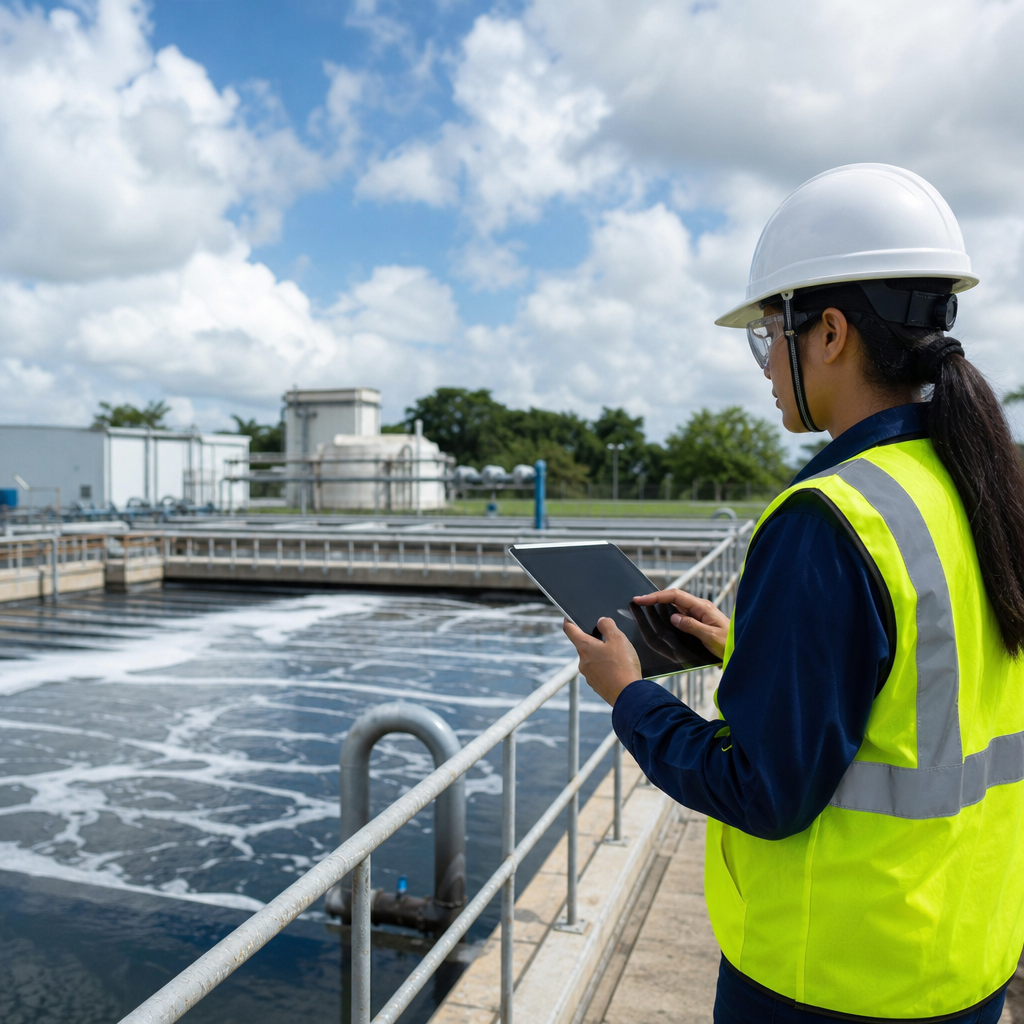
Big data in sanitation is not one database; it is a practical ecosystem of sources that answer different operational questions. Remote sensing can identify settlement expansion and flood-prone zones where pit latrines may fail. Mobile surveys collect real-time data on toilet functionality, handwashing facilities, tariff affordability, and customer satisfaction. Sensors at treatment plants monitor flow, energy use, effluent quality, and downtime. Call-center logs and social media complaints can reveal service gaps faster than annual reports. Machine learning models help estimate demand for desludging or identify neighborhoods likely to face contamination risk during heavy rainfall.
Analytics becomes valuable when these inputs inform action. For example, a city can combine property parcel data, road access maps, and historical desludging records to optimize vacuum truck routes, reducing fuel costs and illegal dumping. A ministry can merge school WASH audits with enrollment and attendance data to target girls’ sanitation investments where absenteeism is highest. During cholera response, wastewater surveillance and health case mapping can indicate where emergency chlorination, hygiene promotion, and temporary sanitation facilities are most urgently needed. These are not theoretical gains. They change budget allocations, contract design, and emergency response timing.
| Data source | What it shows | Sanitation decision improved |
|---|---|---|
| JMP, DHS, MICS household surveys | Access levels, inequality, hygiene conditions | National targeting and policy priorities |
| Satellite imagery and GIS layers | Settlement growth, flood risk, land use | Site selection and risk mapping |
| Utility asset and billing systems | Network coverage, downtime, revenue gaps | Operations planning and maintenance |
| Fecal sludge tracking apps | Emptying frequency, route compliance, dumping points | Regulation and service optimization |
| Wastewater and health surveillance | Outbreak patterns and environmental exposure | Public health intervention timing |
Key collaboration models from cities, utilities, and development partners
Several collaboration models are proving effective. The first is the national monitoring partnership, where statistical agencies, health ministries, water ministries, and international organizations align on indicators and publication schedules. This model is essential for SDG reporting and for keeping donor programs tied to government systems rather than parallel dashboards. The second is the city utility alliance, where municipal governments, utilities, technology vendors, universities, and community groups share service-chain data to improve planning. I have seen this work best when one lead institution owns data governance and everyone agrees upfront on definitions, update frequency, and quality checks.
A third model is the challenge-fund or innovation partnership. Here, philanthropies or development agencies finance pilots such as sensor-based treatment monitoring, digital desludging permits, or AI-assisted slum mapping, then evaluate whether the pilot can scale through public systems. This model can accelerate learning, but only if pilots are designed around actual utility workflows rather than donor reporting preferences. Too many sanitation pilots fail because they create elegant dashboards that local operators cannot maintain after grant funding ends.
Fourth, peer networks among cities are increasingly valuable. Utilities in Dakar, Nairobi, Lusaka, Dhaka, and Manila have all contributed lessons on nonsewered sanitation, customer databases, sludge treatment markets, and inclusive service models. City-to-city exchanges often move faster than formal technical assistance because operators trust other operators who have solved similar problems under budget constraints. Data comparison across peers also creates pressure to improve. When one city can document shorter desludging response times or higher treatment compliance, others ask how it was achieved.
Governance, financing, and standards that make analytics usable
Data does not improve sanitation by itself; governance determines whether information is trusted and used. The most important requirement is a clear institutional mandate. If nobody is responsible for maintaining facility registries, updating informal settlement maps, or validating treatment-plant performance data, the system decays quickly. Countries that have progressed usually define a national lead for monitoring, require local reporting templates, and build verification into budget or regulatory processes. Standards from the International Organization for Standardization, WHO sanitation safety planning guidance, and utility performance benchmarking frameworks help ensure that indicators mean the same thing across programs.
Financing is equally important. Good sanitation analytics requires recurring budgets for field verification, software licenses or open-source maintenance, connectivity, device replacement, and staff training. Development partners often fund startup costs, but domestic financing must cover ongoing operations. Results-based finance can help if indicators are carefully chosen. Paying only for toilet construction invites gaming; paying for verified safe service outcomes across the sanitation chain creates stronger incentives. Blended finance structures can also support data-backed infrastructure planning by reducing uncertainty for lenders and public agencies.
Trust and ethics deserve equal attention. Sanitation datasets can expose informal settlements, undocumented households, or vulnerable groups, so privacy protections and responsible data-sharing agreements are nonnegotiable. Open data has benefits, but not every layer should be public at household resolution. Decision-makers also need to recognize bias. Survey undercounting, outdated census frames, and smartphone-based reporting gaps can exclude the poorest communities unless corrected through local verification and community engagement.
Challenges, opportunities, and the future of global sanitation collaboration
The largest challenge is fragmentation. Many countries still have separate databases for rural sanitation, urban sewerage, school WASH, health surveillance, and climate risk, with no shared identifiers or geographies. Interoperability remains a practical hurdle. Another challenge is capacity. Analysts may build sophisticated models, but frontline sanitation departments often need simpler tools: clean asset inventories, map-based work orders, and monthly performance reviews. The right solution is not the most advanced system; it is the one local institutions can sustain reliably.
Despite these constraints, the opportunities are significant. Climate adaptation is making sanitation analytics more urgent because flood risk, drought stress, and heat all affect containment systems, wastewater treatment, and reuse options. Digital public infrastructure can link sanitation with land administration, public finance, and health systems. Wastewater epidemiology, sharpened during the COVID-19 period, now offers additional value for disease surveillance. Container-based sanitation, scheduled desludging markets, and resource recovery businesses can all benefit from better customer and operational data. Artificial intelligence will help classify imagery, detect anomalies, and generate planning scenarios, but only when grounded in verified local datasets and sector expertise.
The most successful global sanitation collaborations share several traits: they use internationally comparable indicators, invest in local data ownership, connect analysis to budgeting and operations, and measure the full service chain rather than isolated assets. For governments, utilities, NGOs, and funders, the lesson is clear. Build the partnerships and data systems together. Start with decisions that matter, not dashboards that impress. If you are shaping a sanitation strategy under the broader Global Challenges and Opportunities agenda, use this hub as your starting point, then map the initiatives, standards, tools, and partners most relevant to your context. Better sanitation begins with better coordination, and better coordination begins with trusted data.
Frequently Asked Questions
1. How are big data and analytics improving global sanitation initiatives?
Big data and analytics are transforming sanitation from a reactive service area into a more strategic, evidence-driven field. In global sanitation initiatives, data helps governments, utilities, NGOs, development banks, and research institutions understand where service gaps are largest, which populations are most vulnerable, and which interventions are producing measurable results. Instead of relying only on occasional surveys or fragmented administrative records, sanitation planners can now combine geospatial mapping, household data, climate information, infrastructure inventories, mobile reporting tools, and operational performance metrics to make better decisions.
For example, analytics can identify neighborhoods with low toilet access, frequent flooding, high disease risk, or inadequate fecal sludge collection. That allows sanitation investments to be targeted more precisely, especially in informal settlements, peri-urban areas, and underserved rural communities. In large collaborative initiatives, shared data systems also improve coordination among partners by showing who is working where, what assets already exist, and where funding or technical support is still needed. This reduces duplication and helps align local implementation with national sanitation goals and international development commitments.
Analytics also strengthen monitoring and accountability. Programs can track whether toilets are being used, whether sludge is safely transported and treated, whether wastewater facilities are functioning properly, and whether services remain affordable and inclusive over time. The result is not just more information, but better prioritization, stronger collaboration, and a clearer path from investment to public health and environmental outcomes.
2. What types of data are most useful in sanitation planning and collaboration?
Effective sanitation planning depends on combining multiple categories of data rather than relying on a single source. Household and community-level data are essential because they reveal who has access to safe toilets, who practices open defecation, which communities face affordability barriers, and where hygiene behavior change efforts may be needed. Service delivery data are equally important, including information on sewer connections, septic tanks, pit latrines, desludging schedules, treatment plant performance, overflow incidents, and maintenance response times.
Geospatial and environmental data add another layer of insight. Satellite imagery, floodplain maps, groundwater vulnerability assessments, and land-use patterns help decision-makers understand how sanitation systems interact with urban growth, climate risks, and natural resources. In areas prone to flooding or high water tables, for instance, this data can guide the selection of resilient technologies and reduce the risk of contamination. Public health data, such as rates of diarrheal disease or other sanitation-related illnesses, can also help link infrastructure deficits to health burdens and strengthen the case for targeted investment.
Financial and institutional data matter just as much. Global collaborations are more effective when partners understand capital expenditures, operating costs, tariff structures, subsidy flows, donor commitments, and long-term maintenance needs. Data on regulatory compliance, staffing capacity, and service responsibilities can reveal why systems fail even when infrastructure exists. The most useful sanitation datasets are therefore not only technical, but also social, environmental, financial, and institutional. When these are brought together through interoperable platforms and clear governance frameworks, they create a much more complete foundation for policy and action.
3. How do international collaborations use analytics to target sanitation investments more effectively?
International collaborations use analytics to move beyond broad national averages and identify the exact places and populations where sanitation investments can generate the greatest impact. In many countries, sanitation disparities are highly localized. A district may appear to be progressing overall while specific settlements, schools, health facilities, or low-income communities remain severely underserved. By layering demographic data, poverty indicators, health outcomes, infrastructure maps, and service reliability measures, partners can build a far more accurate picture of need.
This is especially valuable when multiple organizations are involved. Development agencies, municipal governments, humanitarian actors, utilities, private service providers, and local civil society groups often bring different budgets, timelines, and mandates to the same geography. Shared analytical tools can help these actors coordinate investments so they complement rather than compete with each other. One partner may support containment and toilet access, another may focus on fecal sludge transport and treatment, while another funds data systems or workforce training. Analytics helps connect those investments into a functioning sanitation service chain.
Investment targeting also improves when analytics are used to compare scenarios. Decision-makers can estimate the costs and benefits of extending sewers, upgrading on-site sanitation, building transfer stations, improving treatment capacity, or subsidizing services for vulnerable households. They can examine how each option performs under different population growth or climate stress assumptions. This kind of evidence-based planning is critical in sanitation because resources are limited and poor design choices can lock communities into expensive, inequitable, or environmentally unsafe systems for years. In that sense, analytics does not replace local judgment; it strengthens it by making tradeoffs more visible and decisions more defensible.
4. What challenges do organizations face when using big data in sanitation, and how can they address them?
One of the biggest challenges is data fragmentation. Sanitation data often sits in separate systems managed by utilities, ministries, municipalities, NGOs, health agencies, and private operators. Definitions may differ, geographic boundaries may not align, and updates may be inconsistent. As a result, even well-funded initiatives can struggle to create a reliable baseline. Organizations can address this by agreeing on common indicators, data standards, and reporting formats early in a program, and by investing in shared platforms that make information easier to integrate and validate.
Data quality is another major issue. In sanitation, it is common to find incomplete records, outdated maps, underreported service failures, or limited information from informal settlements and remote communities. If the underlying data is weak, the analytics will be weak as well. Strong field verification, routine audits, digital data collection tools, and feedback loops with local service providers can improve accuracy. Capacity is also a constraint. Many sanitation institutions need more trained personnel who can manage databases, interpret dashboards, and translate findings into operational or policy decisions. Capacity building should therefore be treated as a core investment, not an optional add-on.
There are also governance and ethical concerns. Sanitation data can reveal sensitive information about low-income communities, land tenure patterns, public health vulnerabilities, and service exclusion. Organizations need clear protocols for privacy, consent, data security, and equitable use. Finally, there is the risk of overemphasizing technology at the expense of practical realities. Analytics are most useful when they are grounded in community engagement, local operational knowledge, and an understanding of how sanitation systems actually function day to day. The goal is not to collect the most data possible, but to generate trustworthy insights that improve services and uphold dignity.
5. Why is measuring outcomes over time so important in sanitation programs that use analytics?
Sanitation success cannot be judged only by the number of toilets built or the amount of money spent. Those indicators matter, but they do not tell the full story. A sanitation system only delivers real value when services continue to function, waste is safely managed across the entire chain, and health and environmental conditions improve in a sustained way. That is why longitudinal measurement is so important. Analytics allows organizations to track not just outputs, but long-term performance, equity, resilience, and institutional sustainability.
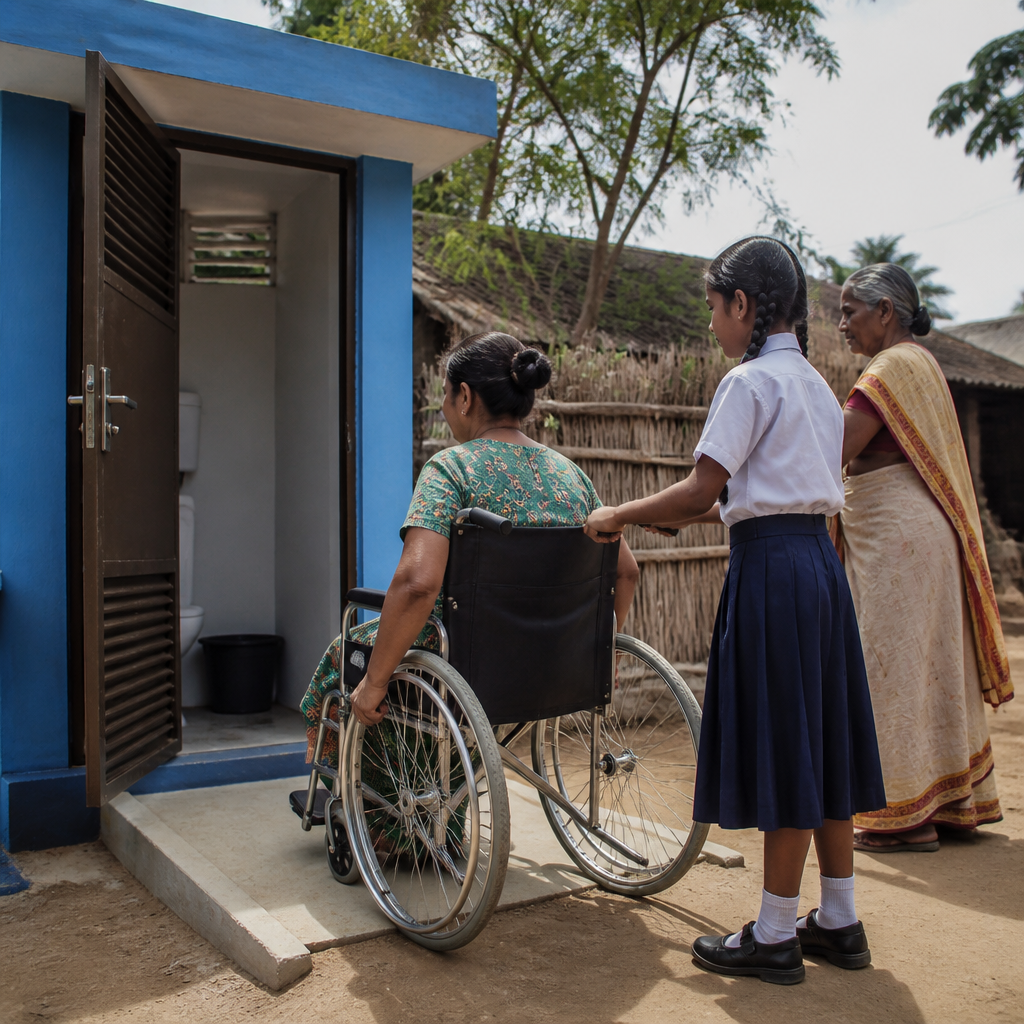
For instance, a program may achieve rapid gains in toilet access, but if pits are never emptied safely, treatment facilities are overloaded, or user fees become unaffordable, the initial gains may erode quickly. Ongoing measurement can reveal these breakdowns before they become systemic failures. It can also show whether services are reaching women, children, people with disabilities, displaced populations, and low-income households equitably. In global collaborations, this kind of outcome tracking helps partners learn what works across different contexts and what needs to be adapted.
Measuring over time is also essential for climate resilience and financial planning. Sanitation systems are affected by floods, droughts, urban expansion, energy costs, and political change. Analytics can show how assets perform under stress, where maintenance backlogs are growing, and whether funding models are sufficient to keep services running. This makes it easier for governments and partners to shift from short-term project thinking to long-term service delivery thinking. In sanitation, that shift is crucial. Real progress depends not simply on installation, but on durability, safety, inclusion, and the ability of systems to protect public health and human dignity year after year.