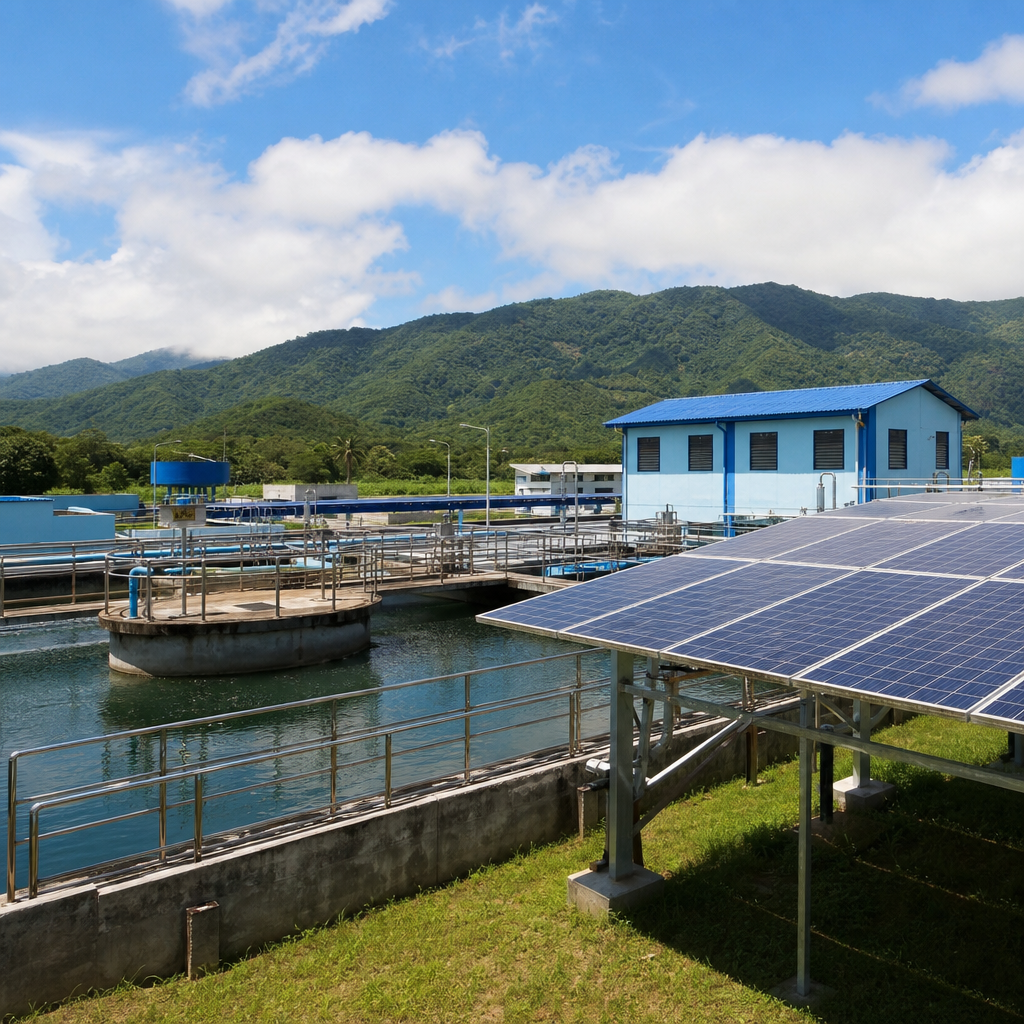
EcoSan’s contribution to energy efficiency in urban areas starts with a practical idea: cities can cut energy use and emissions by redesigning sanitation, water, and resource recovery systems as part of the wider urban infrastructure. EcoSan, short for ecological sanitation, treats waste streams as resources rather than disposal problems. In practice, that means reducing the energy needed for water transport, wastewater treatment, fertilizer production, and solid waste handling while improving environmental sustainability at the neighborhood and city scale. I have worked on infrastructure content for municipalities and clean technology firms, and the pattern is consistent: when sanitation planning is separated from energy planning, cities miss measurable efficiency gains.
Urban areas matter because they concentrate people, buildings, transport demand, and public utilities in a small footprint. According to the United Nations, most of the global population now lives in cities, and urban systems account for the majority of energy demand and greenhouse gas emissions. Sanitation is rarely the first sector mentioned in energy discussions, yet conventional sewerage is energy intensive. It relies on large volumes of potable water to transport waste, long pipe networks, pumping stations, aeration equipment at treatment plants, chemical dosing, sludge hauling, and landfill management. Each stage adds operational energy use and embedded carbon.
EcoSan changes that equation by preventing waste where possible, separating flows at the source, recovering nutrients, conserving water, and extracting value from organics. The term covers several approaches, including urine diversion, composting toilets, decentralized wastewater treatment, anaerobic digestion, blackwater and greywater separation, biosolids reuse, and biogas recovery. The unifying principle is circularity: nutrients return to soil, water is reused where safe, and organic matter becomes energy or soil amendment instead of a liability. For a city government, housing developer, utility, or industrial park, that circularity improves energy efficiency because fewer virgin inputs are required and fewer high-energy treatment steps are needed.
This matters for more than utility bills. Energy-efficient sanitation supports climate targets, water resilience, cleaner air, and lower infrastructure costs over time. It can also strengthen public health when systems are designed to recognized standards and operated responsibly. As a hub page under Environmental Impact, this article explains how EcoSan advances environmental sustainability across urban systems, where it delivers the strongest gains, what technologies are involved, and how decision-makers can evaluate realistic opportunities. The central point is straightforward: EcoSan is not just a sanitation upgrade; it is a city-scale efficiency strategy that links water, waste, food, land use, and energy policy.
How EcoSan Improves Energy Efficiency Across Urban Systems
The biggest energy benefit of EcoSan comes from reducing the amount of water and waste that cities must move, treat, and replace. In a conventional sewer network, flushing transports human waste with clean water through gravity mains and pump stations to centralized facilities. Treatment plants then use screens, clarifiers, blowers, digesters, dewatering units, and disinfection systems to make wastewater safe for discharge. Aeration alone is often the largest electricity load at activated sludge plants, frequently consuming around half of total plant energy use. When EcoSan approaches reduce wastewater volumes or organic loading, they directly reduce those power demands.
Source separation is especially important. Urine contains most of the nitrogen and a large share of the phosphorus in domestic wastewater, but only a small fraction of the volume. Separating it at the toilet prevents dilution and makes nutrient recovery much less energy intensive than removing those nutrients later at a treatment plant. In cities facing eutrophication limits, this can lower the energy and chemical burden of advanced nutrient removal. Blackwater separation also enables smaller, more targeted treatment systems that can be located close to the point of generation, reducing conveyance energy and the cost of oversized networks.
Water savings translate into energy savings as well. Every liter of potable water supplied to a building has already consumed energy through abstraction, pumping, filtration, treatment, and distribution. If a district adopts low-flush, vacuum, composting, or urine-diverting systems, it reduces demand on the water utility before wastewater treatment even begins. In dense developments, I have seen project teams focus on fixture efficiency while ignoring sanitation design, even though sanitation choices determine some of the largest avoidable water loads in the building. EcoSan broadens the efficiency conversation from appliances to entire resource flows.
Another pathway is avoided manufacturing energy. Synthetic nitrogen fertilizer is highly energy intensive because ammonia production depends on the Haber-Bosch process, which requires significant natural gas or other hydrogen sources. When nutrients recovered from urine, digestate, or compost replace part of that synthetic fertilizer demand, cities indirectly cut industrial energy use beyond their boundaries. That benefit is often missed in narrow utility accounting, but it is central to full life-cycle assessment. Environmental sustainability improves not only because urban systems consume less energy directly, but because they reduce demand for energy-intensive products upstream.
Core EcoSan Technologies and Their Urban Applications
EcoSan is not one product. It is a portfolio of technologies selected according to density, climate, regulation, user behavior, and infrastructure maturity. Urine-diverting toilets are one of the clearest examples. They separate urine from feces at the fixture, enabling storage, treatment, and agricultural reuse of nutrient-rich liquid. In apartment buildings or institutional settings, this can significantly reduce nitrogen loads sent to sewers. Composting toilets take a different route by treating fecal matter on site through controlled decomposition. They are more common in low-water or off-grid contexts, but improved designs are increasingly relevant for parks, edge developments, and resilience planning.
Decentralized wastewater treatment systems are another major category. These include membrane bioreactors, anaerobic baffled reactors, constructed wetlands, sequencing batch reactors, and package plants designed for a building cluster, campus, or district. The energy performance depends on technology choice and operating discipline, but decentralized treatment often cuts pumping requirements and enables local reuse of treated water for irrigation, flushing, or cooling. In water-stressed cities, that local reuse reduces the energy burden associated with importing and distributing additional potable water.
Anaerobic digestion is particularly valuable in urban EcoSan strategies because it converts organic waste into biogas, typically a mixture rich in methane and carbon dioxide. Wastewater sludge, food waste, market organics, and in some cases source-separated blackwater can all feed digesters. The resulting biogas can fuel combined heat and power units, boilers, or upgraded biomethane systems. Digestate can also return nutrients to agriculture or landscaping if treated to regulatory standards. Well-run digesters transform a disposal cost into an energy asset, and many cities now integrate them into circular economy plans.
The urban application depends on scale. A hospital may adopt vacuum toilets and blackwater digestion. A new residential district may pair source-separating fixtures with neighborhood treatment and reclaimed water loops. An informal settlement upgrading project may prioritize container-based sanitation with centralized composting or biodigestion. A wastewater utility may retrofit sludge digesters and phosphorus recovery systems at an existing plant. EcoSan works best when planners match technology to context rather than force a single model everywhere.
Where the Environmental Sustainability Gains Are Strongest
EcoSan advances environmental sustainability in cities through four linked outcomes: lower energy demand, lower emissions, lower water stress, and better material recovery. The strongest gains usually appear where conventional systems are least efficient or most constrained. Water-scarce cities benefit immediately because reduced flushing and reuse lower dependence on energy-intensive water supply. Rapid-growth urban areas benefit because decentralized systems can defer or downsize expensive sewer expansions. Industrial districts and food markets benefit because organic waste can be co-digested to produce useful energy close to demand centers.
From a climate perspective, methane control is a major advantage. Organic waste disposed of in landfills produces methane, a greenhouse gas far more potent than carbon dioxide over a twenty-year period. Diverting organics into managed digestion captures that methane for energy use instead of allowing uncontrolled release. Similarly, improved sludge management can reduce fugitive emissions from poorly handled wastewater residues. These are not marginal gains. In carbon accounting, sanitation and organic waste interventions can materially improve a city’s emissions inventory when measured across Scopes 1, 2, and relevant upstream categories.
Nutrient recovery also has a direct ecological value. Urban wastewater discharge is a major driver of nutrient pollution in many watersheds, causing algal blooms, oxygen depletion, and ecosystem damage. Recovering phosphorus and nitrogen before discharge protects receiving waters while supporting agriculture. Phosphorus deserves special attention because phosphate rock is a finite resource with geopolitical supply risks. Recovering it from urine or sludge ash is therefore both an environmental and strategic advantage. Cities that invest early in nutrient recovery position themselves for tighter discharge regulations and fertilizer market volatility.
| EcoSan approach | Main energy efficiency benefit | Urban example |
|---|---|---|
| Urine diversion | Less energy for nutrient removal and fertilizer production | High-density housing with source-separating toilets |
| Decentralized treatment | Lower pumping energy and local water reuse | Mixed-use district or university campus |
| Anaerobic digestion | Biogas displaces grid electricity or fossil fuel | Municipal sludge and food waste facility |
| Composting systems | Avoided water transport and reduced landfill burden | Parks, peri-urban developments, resilience sites |
These gains compound when cities design EcoSan as part of a larger environmental sustainability framework. For example, reclaimed water can support urban greening, which reduces heat island effects and cooling demand. Biogas can power fleet vehicles or district energy systems. Compost and recovered nutrients can improve urban soils, increasing stormwater infiltration and reducing runoff treatment needs. The result is a systems effect: one intervention improves the performance of several urban sectors at once.
Real-World Implementation Challenges and How Cities Address Them
EcoSan is effective, but it is not effortless. The first challenge is governance. Sanitation, water, energy, solid waste, planning, and public health are often managed by separate agencies with different budgets and success metrics. A project that saves citywide energy may still stall if no single department captures the financial return. The most successful urban programs establish cross-department steering groups, shared performance indicators, and procurement rules that allow life-cycle cost analysis rather than lowest upfront price. Without that institutional alignment, even technically strong projects struggle.
Public acceptance is the second challenge. Source separation and reuse can trigger concerns about hygiene, odor, convenience, and property value. Those concerns are manageable, but they must be treated seriously. Cities that succeed typically combine good industrial design, clear maintenance plans, transparent health safeguards, and demonstration projects that residents can see and evaluate. In practice, people accept unfamiliar systems when they are clean, reliable, and clearly beneficial. They reject them when maintenance is neglected or responsibilities are vague.
Standards and regulation also matter. Reuse of treated effluent, compost, digestate, or recovered nutrients must comply with local environmental and health rules. The World Health Organization has long provided guidance on sanitation safety planning, and many countries use detailed standards for biosolids, water reuse, and fertilizer products. Urban decision-makers should require pathogen reduction validation, monitoring protocols, operator training, and contingency procedures. The tradeoff is clear: stronger safeguards increase compliance work, but they also protect public trust and long-term viability.
Economics can be favorable, but only when analyzed correctly. Traditional cost comparisons often overlook avoided sewer expansion, avoided fertilizer purchases, avoided landfill tipping fees, energy generation value, water savings, and resilience benefits during drought or service disruption. I have reviewed business cases where EcoSan appeared expensive until planners included pumping energy, chemical consumption, and deferred capital upgrades in the model. Once full costs were captured, the project shifted from experimental to practical. Cities that want realistic appraisals should use life-cycle costing, sensitivity analysis, and scenario planning rather than narrow capital budgeting.
Building an Effective Urban EcoSan Roadmap
Cities should begin with a resource flow assessment, sometimes called urban metabolism analysis, to map water, nutrients, organics, energy use, and emissions across districts. That baseline shows where the largest inefficiencies sit: high-energy pumping corridors, overloaded treatment plants, major food waste generators, water-stressed neighborhoods, or developments not yet locked into conventional sewers. From there, planners can prioritize districts where EcoSan offers the best combination of technical fit and policy support. New developments are often the easiest entry point because source separation and decentralized systems can be designed in from the start.
The next step is pilot design with measurable outcomes. Strong pilots define metrics before installation: kilowatt-hours avoided per cubic meter treated, potable water saved, biogas yield, nutrient recovery rate, maintenance hours, odor complaints, and total cost of ownership. They also assign ownership for operation and monitoring. Too many pilots fail not because the technology is wrong, but because nobody funds routine maintenance or user training after launch. A credible pilot should run long enough to cover seasonal variation and produce data suitable for scaling decisions.
Procurement and financing should reward outcomes, not just equipment delivery. Performance-based contracts, green bonds, climate funds, utility partnerships, and developer contributions can all support implementation. For larger projects, digital monitoring is increasingly valuable. Supervisory control and data acquisition systems, smart meters, gas quality sensors, and nutrient analyzers allow operators to optimize performance and verify savings. Cities do not need every site to be high tech, but they do need reliable data if EcoSan is going to compete for mainstream infrastructure funding.
The most important takeaway for advancing environmental sustainability with EcoSan is that urban sanitation should be planned as a resource system, not a waste disposal service. When cities recover nutrients, generate biogas, reduce potable water demand, and cut treatment loads, they improve energy efficiency across multiple departments at once. EcoSan’s contribution to energy efficiency in urban areas is therefore practical, measurable, and scalable. If your organization is shaping an environmental impact strategy, start by mapping sanitation-related energy losses, then identify one district or facility where EcoSan can deliver fast, visible results. That is how circular urban infrastructure moves from concept to standard practice.
Frequently Asked Questions
1. What is EcoSan, and how does it improve energy efficiency in urban areas?
EcoSan, or ecological sanitation, is an approach that redesigns sanitation systems so that waste is managed as a resource rather than simply as something to be flushed away and treated at the end of a pipe. In urban areas, this has important energy implications because conventional sanitation depends heavily on large volumes of water, long-distance pumping, centralized wastewater treatment, and energy-intensive production of replacement nutrients such as synthetic fertilizers. EcoSan helps reduce that burden by separating, recovering, and reusing valuable materials from waste streams closer to where they are generated.
From an energy efficiency perspective, the benefits are wide-ranging. Less water use means less energy spent on water extraction, purification, pumping, and distribution. Source separation and localized treatment can reduce the need for energy-intensive sewer networks and massive centralized plants. Nutrient recovery lowers demand for industrial fertilizer production, especially nitrogen fertilizers, which require significant amounts of energy to manufacture. In many cases, organic waste can also be converted into useful energy through biogas production, helping cities offset fossil fuel use. Taken together, EcoSan supports a more circular urban infrastructure in which sanitation contributes directly to lowering total energy demand and emissions.
2. How does EcoSan reduce the energy used in water and wastewater systems?
Traditional urban sanitation systems are closely tied to high water and energy consumption. Toilets that rely on flushing move waste by using potable water, and that water must first be treated, then pumped through distribution networks, and later transported again through sewer systems to treatment plants. At every stage, electricity and infrastructure resources are required. EcoSan reduces this energy footprint by minimizing unnecessary water use and, in some cases, bypassing the need for conventional sewer transport altogether.
For example, urine-diverting or low-water sanitation systems can sharply reduce the volume of water entering wastewater systems. That translates into less hydraulic load on treatment facilities and lower pumping requirements across the urban network. Decentralized treatment options, often associated with EcoSan, can treat waste closer to its source, reducing the energy required for long-distance conveyance. In addition, when wastewater streams are separated more effectively, treatment becomes more targeted and efficient, allowing cities to avoid expending large amounts of energy to process diluted waste. This is especially valuable in dense urban areas where the energy costs of moving and treating water are substantial and continuous.
3. In what ways does EcoSan contribute to resource recovery and lower overall urban energy demand?
One of EcoSan’s greatest strengths is that it links sanitation to resource recovery, which can significantly reduce a city’s broader energy demand beyond the sanitation sector itself. Human waste, food scraps, and organic urban residues contain nutrients, water, and energy value. Instead of losing those resources through disposal, EcoSan systems are designed to capture and reuse them in productive ways. This creates savings across multiple urban systems, including agriculture, waste management, and energy production.
A major example is nutrient recovery. Phosphorus and nitrogen recovered from waste can be returned to agriculture or urban landscaping, reducing dependence on synthetic fertilizers. This matters because conventional fertilizer manufacturing is highly energy-intensive, particularly nitrogen production through industrial chemical processes. EcoSan can also support composting and anaerobic digestion, which turn organic material into soil amendments and biogas. Biogas can be used for heating, cooking, electricity generation, or as part of district energy strategies, while compost improves soils and supports local food systems. By replacing virgin inputs with recovered resources, EcoSan helps cities conserve energy indirectly as well as directly, making urban infrastructure more efficient and more resilient.
4. Is EcoSan practical for dense cities, or is it mainly useful in small or specialized projects?
EcoSan is absolutely practical for dense urban environments, although the exact design depends on local infrastructure, regulations, land availability, and public acceptance. It is a common misconception that ecological sanitation only works in rural or low-density settings. In reality, many of its principles can be applied in cities through modular, decentralized, and hybrid systems that complement existing networks rather than replacing everything at once. Urban implementation may include source-separating toilets, neighborhood-scale treatment units, nutrient recovery technologies, organic waste digestion, water reuse systems, and building-integrated sanitation innovations.
In dense cities, practicality often comes from phased adoption. New developments, informal settlements, public buildings, universities, transportation hubs, and eco-districts can serve as strong entry points for EcoSan strategies. These settings allow cities to reduce pressure on overburdened sewer systems, improve service delivery, and recover energy and nutrients where they are most valuable. EcoSan can also help cities address aging infrastructure problems more cost-effectively by avoiding the need for endless expansion of centralized systems. While implementation requires planning, maintenance, and community engagement, the model is highly relevant to urban sustainability because it supports energy savings, water efficiency, emissions reduction, and circular resource management in places where those gains matter most.
5. What are the long-term environmental and economic benefits of EcoSan for urban energy efficiency?
The long-term benefits of EcoSan extend well beyond lower utility consumption. Environmentally, EcoSan can reduce greenhouse gas emissions by cutting energy demand in water supply, wastewater treatment, fertilizer production, and waste transport. It can also improve urban water quality by reducing untreated discharges and by managing nutrients more effectively before they become pollutants. Because it encourages resource recovery, EcoSan supports circular economy goals, helping cities move away from linear systems that consume energy to extract, transport, treat, and discard materials.
Economically, the value comes from both avoided costs and new resource opportunities. Cities can save money by lowering water demand, reducing energy use in sanitation infrastructure, delaying costly sewer expansions, and decreasing dependence on externally produced fertilizers and fuels. Recovered nutrients, compost, reclaimed water, and biogas can all contribute measurable value when integrated into municipal systems or local markets. Over time, these efficiencies can make urban services more affordable and less vulnerable to energy price volatility. Just as importantly, EcoSan builds infrastructure resilience. As cities face population growth, climate stress, and tighter environmental standards, sanitation systems that recover resources and use less energy offer a practical pathway to more stable, efficient, and sustainable urban development.