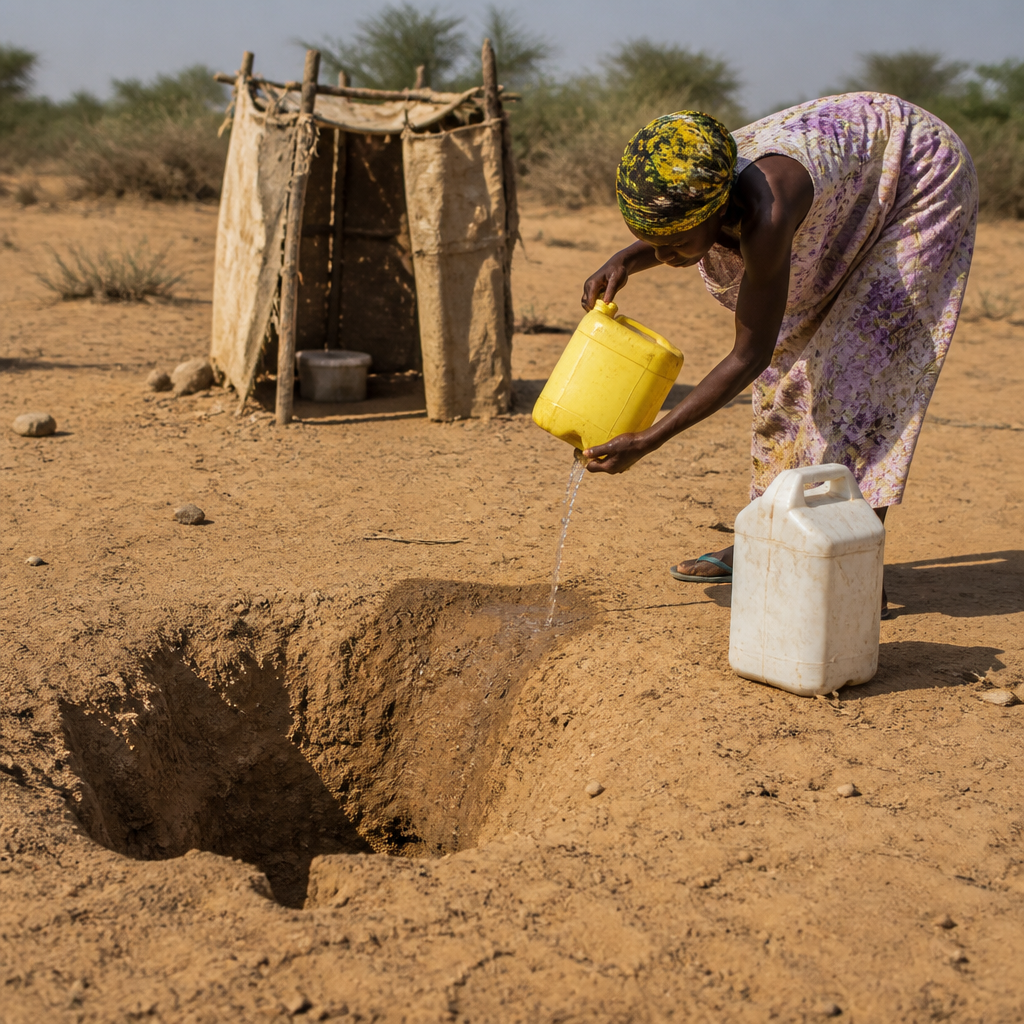
Preventing waterborne diseases through effective sanitation is one of the most practical ways to protect public health, especially in communities adopting ecological sanitation systems. Waterborne diseases are illnesses caused by pathogenic bacteria, viruses, protozoa, or helminths transmitted through contaminated water, food, hands, soil, or surfaces. Effective sanitation means safely containing, treating, and reusing or disposing of human waste so pathogens do not return to people or pollute water sources. In EcoSan, short for ecological sanitation, the goal extends beyond waste removal. It includes nutrient recovery, water conservation, and safer resource cycles. I have worked on sanitation planning where technically sound systems still failed because hygiene behavior, maintenance routines, and pathogen barriers were treated as secondary issues. That is why prioritizing health in EcoSan matters. A toilet that saves water but allows fecal contamination is not sustainable. A reuse system that captures nutrients but ignores pathogen die-off creates avoidable risk. When sanitation is designed around health outcomes first, EcoSan can reduce diarrheal disease, protect groundwater, improve dignity, and support agriculture without sacrificing safety.
How sanitation stops the fecal-oral transmission chain
The basic public health principle is simple: waterborne disease spreads when fecal pathogens move from excreta into mouths. This can happen through drinking water, unwashed hands, contaminated crops, flies, floodwater, or unsafe food preparation. The classic F-diagram used in environmental health maps these routes as fluids, fingers, flies, fields, and food. Sanitation works by interrupting those pathways with barriers. A sealed urine-diverting dry toilet, a well-managed composting system, or a properly designed septic tank all reduce exposure when they separate people from untreated waste and prevent leakage into the environment. The World Health Organization has long linked improved sanitation with reduced diarrheal disease, and the effect is strongest when sanitation is paired with handwashing and safe water handling.
In practical terms, the first barrier is containment. Excreta must enter a structure that resists overflow, surface runoff, and animal access. The second barrier is treatment or storage long enough to reduce pathogens. The third barrier is safe handling during emptying, transport, and reuse. In projects I have reviewed, most failures occur not in theory but at these interfaces: cracked slabs, full vaults, no handwashing station, or farmers applying incompletely treated material to vegetables eaten raw. Effective sanitation therefore depends on both engineering and operations. It is not enough to install units. Users need clear instructions, caretakers need schedules, and local authorities need standards that define safe service levels.
Why EcoSan requires a health-first design approach
EcoSan systems are attractive because they can reduce water demand, recover nutrients such as nitrogen, phosphorus, and potassium, and lower pressure on sewers and treatment plants. Common models include urine-diverting dry toilets, composting toilets, dehydrating vaults, container-based sanitation, and decentralized treatment linked to agricultural reuse. Yet each model carries specific health considerations. Urine is usually lower risk than feces, but cross-contamination can occur. Fecal matter contains the highest pathogen load and requires stricter treatment, storage, and handling controls. Greywater reuse can save water, but poorly managed greywater can still spread enteric organisms or create vector breeding sites.
A health-first approach starts by identifying the likely hazards in a given setting. Dense informal settlements face different risks than rural compounds, schools, or peri-urban farms. Soil type, groundwater depth, flood patterns, user literacy, and availability of service providers all change the safe design choice. For example, a shallow water table may rule out unlined pits because of nitrate and microbial contamination risk. A flood-prone area may require raised toilets and watertight containment. In a school, separate facilities for girls, regular cleaning, menstrual hygiene support, and supervised handwashing are essential because utilization drives health outcomes. The strongest EcoSan programs treat sanitation as a full service chain, not just a product installed at the household level.
Core disease risks and the controls that matter most
The main waterborne and sanitation-related diseases linked to poor excreta management include cholera, typhoid fever, dysentery, hepatitis A, rotavirus infection, giardiasis, cryptosporidiosis, and a range of soil-transmitted helminth infections. Cholera can spread explosively where fecal contamination reaches drinking water. Typhoid persists where sanitation is inadequate and food hygiene is weak. Protozoa such as Giardia and Cryptosporidium are especially troublesome because some forms are chlorine tolerant, making source protection and filtration critical. Helminth eggs are environmentally persistent, which is why agricultural reuse rules must take storage time and treatment temperature seriously.
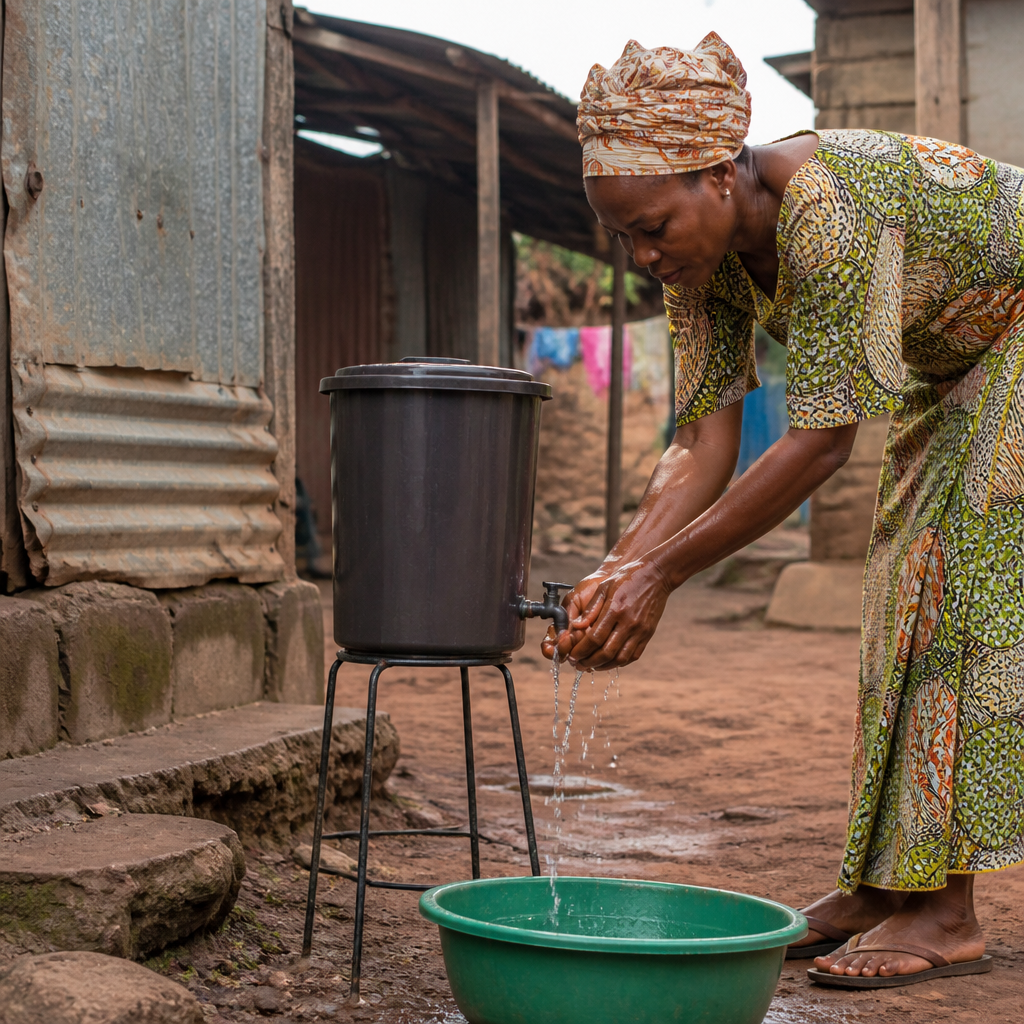
The most effective controls are consistent across settings: isolate excreta, reduce moisture where dehydration is intended, achieve verified treatment where composting or co-composting is used, prevent leachate escape, and enforce safe intervals before reuse. Handwashing with soap after toilet use and before food handling remains nonnegotiable. Safe water storage in narrow-necked or covered containers prevents recontamination after collection. Household chlorination can help, but it cannot compensate for widespread fecal exposure in the environment. Where decentralized reuse systems are promoted, pathogen reduction targets should follow recognized guidance such as the WHO sanitation safety planning framework, which evaluates hazards from capture to end use and assigns control measures at each step.
Choosing and managing EcoSan systems safely
No single technology is best everywhere. The right EcoSan system is the one users will consistently use, maintain, and empty safely under local conditions. The comparison below reflects patterns I have seen in field implementation and aligns with common sanitation planning criteria.
| System | Best fit | Health strengths | Main risks if poorly managed |
|---|---|---|---|
| Urine-diverting dry toilet | Water-scarce homes, peri-urban plots | Low water use, easier nutrient separation, reduced leachate | Fecal handling risk, odor and flies if dry cover material is inconsistent |
| Composting toilet | Sites with trained users and maintenance oversight | Potential pathogen reduction and soil amendment output | Insufficient temperature, uneven composting, unsafe premature removal |
| Container-based sanitation | Dense settlements with limited space or poor soils | Sealed containment, professional collection, reduced groundwater impact | Service interruption, worker exposure during transport if protocols are weak |
| Septic tank with soakaway | Homes with water supply and suitable soils | Familiar operation, good primary containment when built correctly | Groundwater contamination, sludge neglect, overflow in floods |
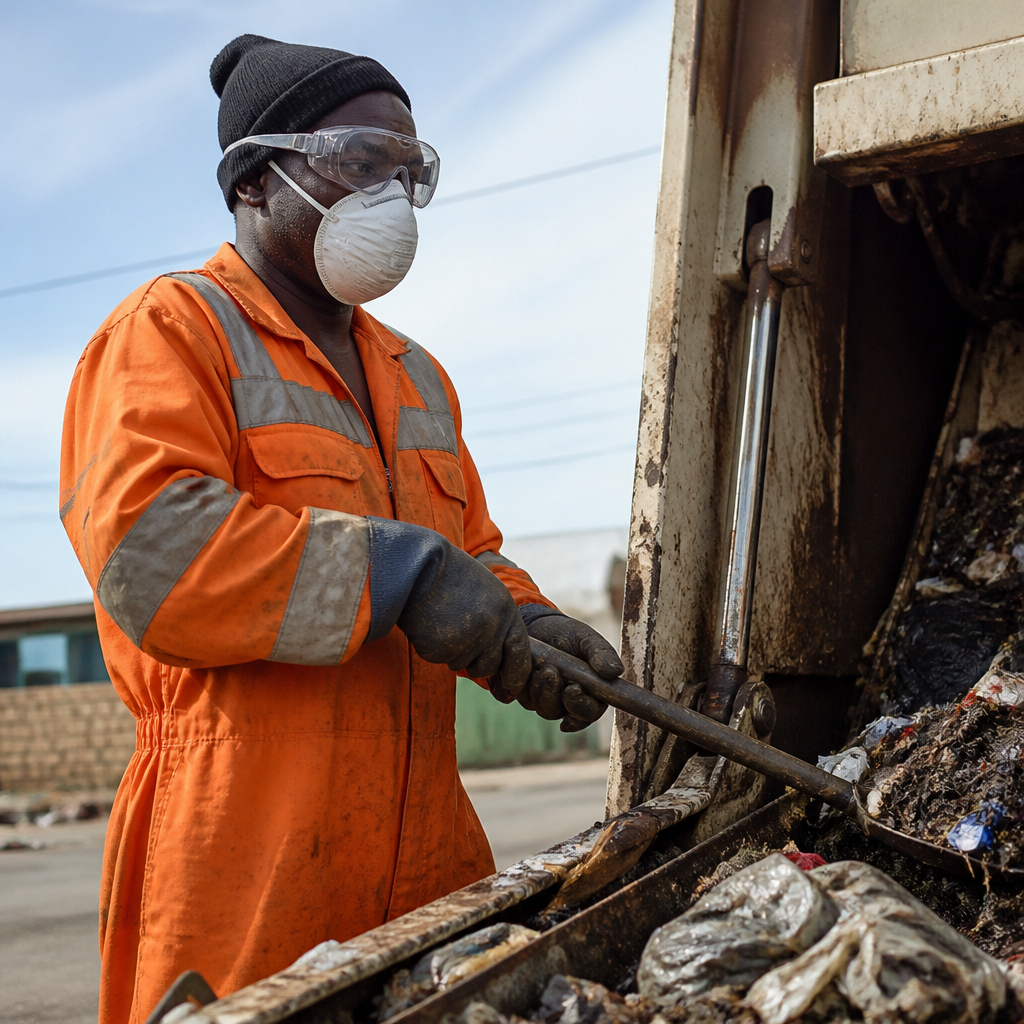
Management determines success. Dry systems need ash, sawdust, or another cover material to reduce moisture, odor, and insect access. Vaults need alternating use so stored material can rest long enough. Composting units need the right carbon balance, aeration, and temperature monitoring. Container-based systems require reliable collection routes, disinfected containers, and trained crews with gloves, boots, eye protection, and hand hygiene supplies. Septic tanks need periodic desludging by licensed operators and must never discharge directly to drains. Across all types, visible cleanliness, privacy, lighting, and convenience strongly influence whether people use the facility every time, which is the only usage pattern that protects health.
Safe reuse of nutrients without increasing disease risk
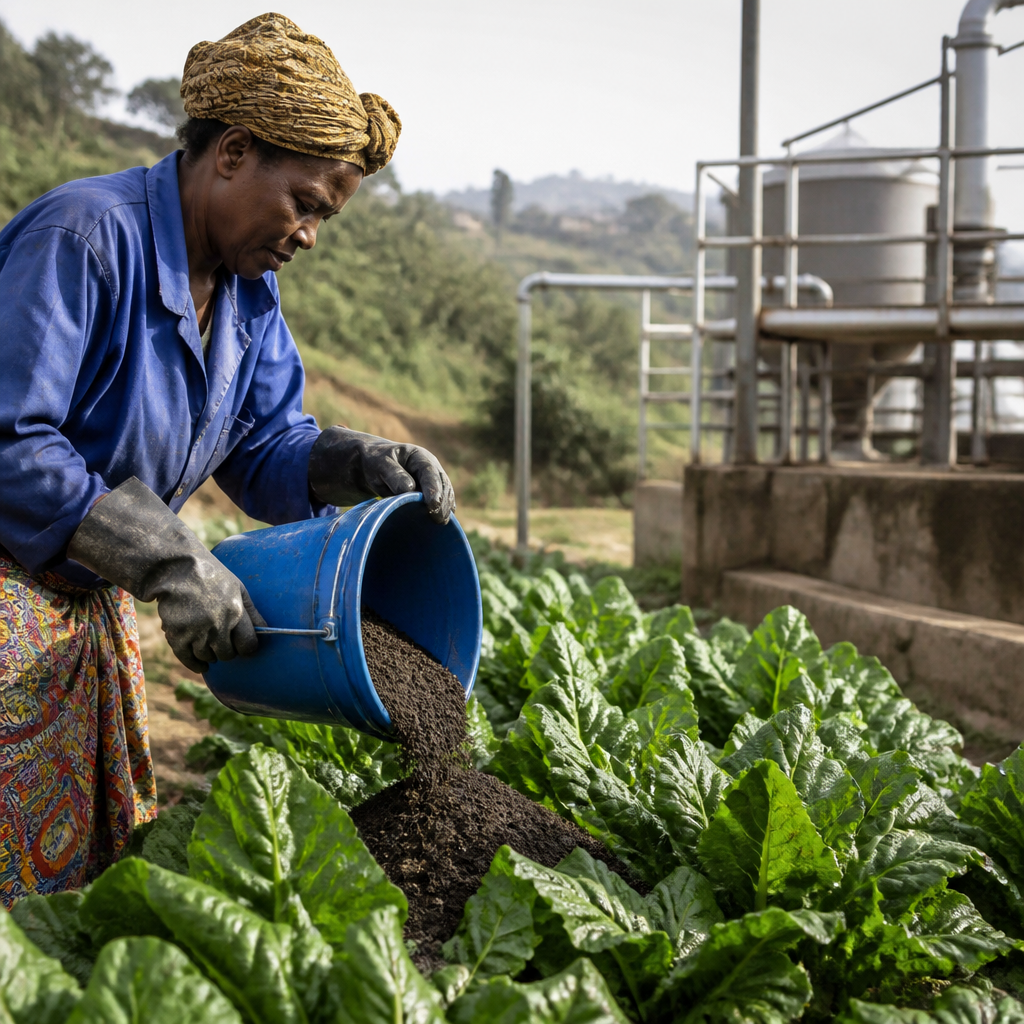
Resource recovery is the defining advantage of EcoSan, but reuse is the point where health safeguards must be most disciplined. Urine can be a valuable fertilizer because it contains much of the nitrogen and potassium excreted by households. Fecal solids can contribute organic matter and phosphorus. However, nutrient value does not equal microbiological safety. Treatment objectives must be based on likely pathogens, climate, crop type, and exposure route. Material used on fruit trees, timber, or nonfood crops generally carries lower direct exposure risk than material spread on leafy vegetables eaten raw.
Good practice uses multiple barriers. These include source separation, adequate storage time, pH increase where appropriate, thermophilic composting when achievable, restricted crop selection, controlled application methods, withholding periods before harvest, and protective equipment for workers. Drip irrigation with treated effluent is safer than overhead spraying because it reduces contact with edible plant surfaces. Incorporating treated material into soil lowers splash exposure. Farmers and households need simple instructions in local language: what can be used, on which crops, in what quantity, after how much storage, and with what protective steps. In several reuse projects, the technical treatment unit performed well, but unsafe informal handling after treatment reintroduced risk. Clear chain-of-custody rules and practical supervision are therefore essential.
Monitoring, behavior change, and governance for lasting protection
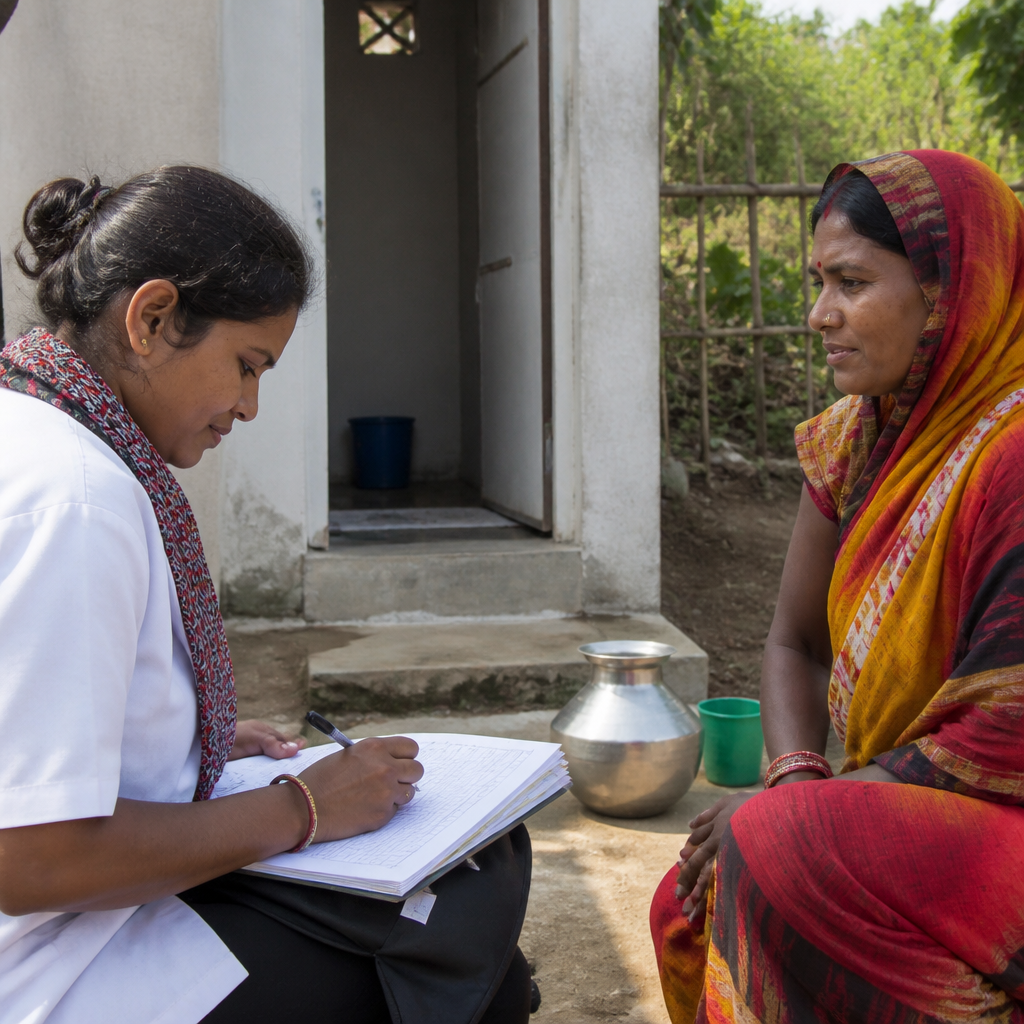
Sanitation protects health only when performance is monitored and behavior supports the system. At minimum, operators and local health teams should track toilet functionality, fill levels, presence of handwashing supplies, signs of leakage, emptying frequency, and safe final use or disposal. Water quality surveillance matters too. Testing for E. coli in drinking water points is a useful indicator of fecal contamination, while sanitary inspections identify defects such as broken aprons, poor drainage, or latrines too close to wells. In institutional settings, absenteeism from diarrhea and user satisfaction can reveal whether sanitation improvements are translating into health gains.
Behavior change should be treated as infrastructure, not as an optional add-on. People need to understand why urine and feces are separated, why cover material must be added, why children’s feces require the same care as adult feces, and why handwashing timing matters. Community health workers, school programs, and landlord engagement often produce better compliance than one-time training sessions. Governance is equally important. Municipalities need service standards, approved emptying methods, tariffs that support maintenance, and enforcement against unsafe dumping. Public health departments should coordinate with agriculture and water agencies so reuse rules, groundwater protection, and sanitation services are aligned. If you are building a Health and Safety content hub around EcoSan, link this page to deeper guidance on toilet selection, sludge treatment, hand hygiene, water testing, menstrual health, and farm reuse protocols. The central message is consistent: prioritize health at every step, and ecological sanitation becomes both sustainable and safe. Assess your current sanitation chain, identify the weakest barrier, and improve that point first.
Frequently Asked Questions
What are waterborne diseases, and how do they spread in communities with poor sanitation?
Waterborne diseases are infections caused by harmful microorganisms such as bacteria, viruses, protozoa, and parasitic worms that enter the body through contaminated water, food, hands, soil, or surfaces. Common examples include cholera, typhoid fever, dysentery, hepatitis A, giardiasis, and other diarrheal illnesses. While people often associate these diseases only with unsafe drinking water, transmission is usually broader. Pathogens from human waste can move from open defecation sites, leaking pits, overflowing toilets, or poorly managed wastewater into wells, streams, crops, household containers, and living areas. Once that contamination occurs, people may become infected by drinking unsafe water, preparing food with contaminated water, eating unwashed produce, or simply touching contaminated surfaces and then touching their mouths.
Poor sanitation accelerates this cycle because it allows fecal matter to remain in the environment instead of being safely contained and treated. Flies can land on exposed waste and transfer pathogens to food. Floodwater can spread contaminants into homes and water sources. Children playing in contaminated soil may carry germs on their hands. In crowded settings, one sanitation failure can quickly affect many families. This is why sanitation is considered a frontline public health measure. When communities safely separate human waste from people and the environment, they dramatically reduce the opportunities for disease transmission.
How does effective sanitation help prevent waterborne diseases?
Effective sanitation prevents waterborne diseases by breaking the fecal-oral transmission pathway, which is the main route by which many intestinal infections spread. In simple terms, the goal is to keep human waste from contaminating water, food, hands, and soil. This is done by safely capturing excreta at the household or community level, storing it in a way that limits contact, treating it to reduce or destroy pathogens, and then reusing or disposing of it responsibly. When these steps are done correctly, disease-causing organisms are far less likely to return to people.
The public health benefit is significant. Safe sanitation reduces contamination of groundwater, surface water, and household environments. It also supports better hygiene by making it easier for people to use clean facilities and wash hands after toilet use. In communities using ecological sanitation systems, the approach goes a step further by treating waste as a resource while still prioritizing health protection. Properly managed ecological sanitation can recover nutrients and organic matter for agriculture, but only after adequate treatment processes make the material safer to handle. The key idea is that sanitation is not just about building toilets; it is about creating a complete system that contains pathogens and prevents them from circulating back into daily life.
What is ecological sanitation, and is it safe for preventing disease?
Ecological sanitation, often called ecosan, is an approach to sanitation that focuses on safely managing human waste while conserving water and recovering valuable nutrients. Instead of treating excreta only as something to dispose of, ecological sanitation systems are designed to contain, sanitize, and in some cases reuse treated outputs in agriculture or landscaping. Examples may include urine-diverting dry toilets, composting toilets, and other systems that separate waste streams and reduce direct pollution of water sources. This can be especially useful in areas with water scarcity, poor sewer access, high groundwater tables, or interest in circular resource use.
Ecological sanitation can be very effective at preventing disease, but safety depends entirely on proper design, operation, maintenance, and user education. Untreated or poorly treated waste remains dangerous. For that reason, ecosan systems must ensure secure containment, minimize direct contact, allow sufficient treatment time, and follow local health guidance for handling and reuse. Pathogen die-off depends on factors such as temperature, storage duration, moisture, pH, and the type of organism present. Some pathogens die relatively quickly, while others, especially certain helminth eggs, can persist much longer. A well-managed ecological sanitation system can reduce disease risk substantially, but it should never bypass treatment standards or safe handling practices. In other words, ecological sanitation is safe when it is managed as a health-protective system, not merely as a waste collection method.
What sanitation practices are most important for households and communities?
The most important sanitation practices are those that consistently keep fecal waste contained, treated, and separated from people, water sources, and food. At the household level, that means using a safe toilet or latrine every time, keeping the facility clean and functional, preventing leaks or overflow, and making handwashing with soap and safe water easy and routine after toilet use and before preparing or eating food. Child feces should also be handled carefully and disposed of in a toilet or managed sanitation system, because it can carry dangerous pathogens just like adult waste. Households should also protect stored drinking water, clean containers regularly, and avoid using contaminated water for cooking or washing produce.
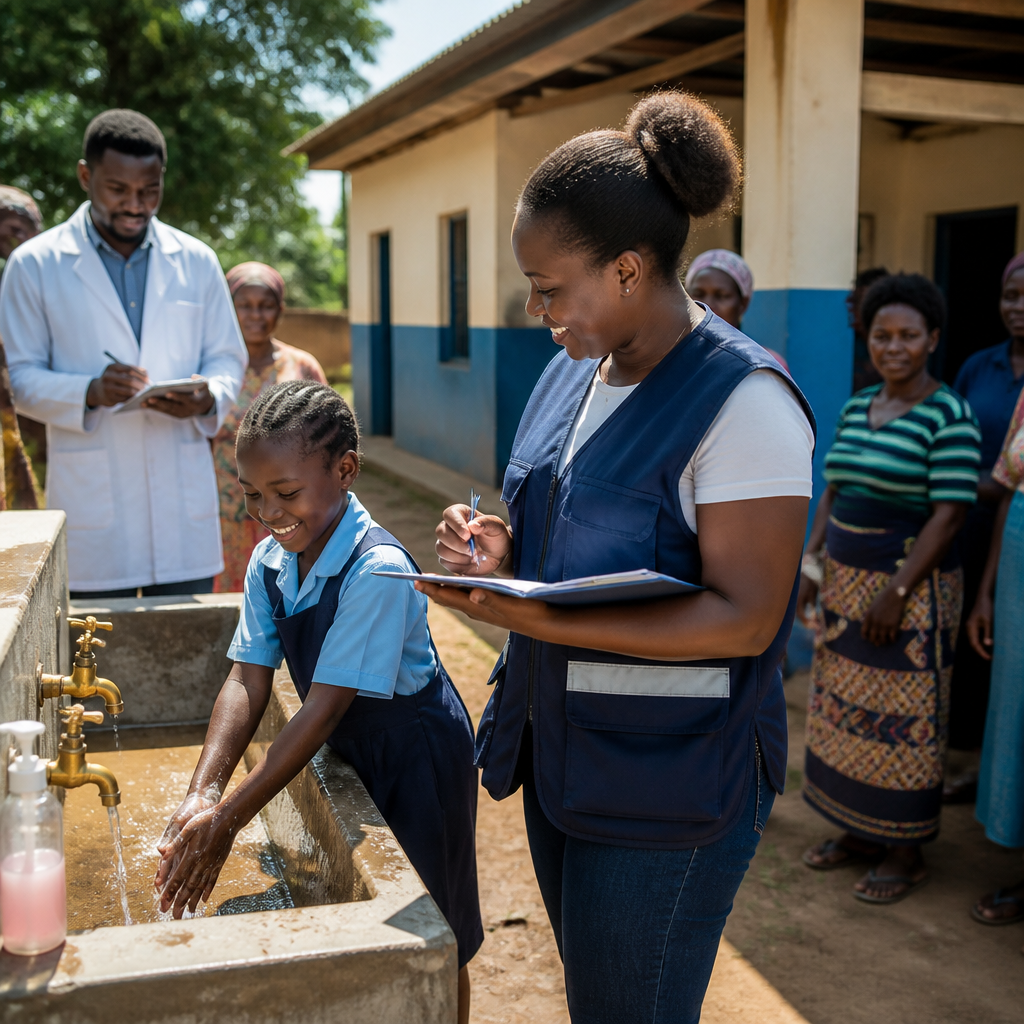
At the community level, priorities include ending open defecation, protecting wells and water points from nearby contamination, establishing systems for safe fecal sludge management, and ensuring wastewater does not flow untreated into public areas or water bodies. Communities benefit most when sanitation planning includes maintenance, emptying services, treatment infrastructure, user training, and clear responsibilities for long-term management. In schools, clinics, and public spaces, separate and accessible toilets, regular cleaning, and handwashing stations are essential. The strongest results come from combining sanitation with hygiene education and safe water practices. Sanitation works best as part of a wider barrier system that stops pathogens at multiple points before they can infect new hosts.
What are the biggest mistakes to avoid when trying to prevent waterborne diseases through sanitation?
One of the biggest mistakes is assuming that building a toilet alone solves the problem. A toilet is only one part of the sanitation chain. If waste leaks into groundwater, pits overflow during rain, sludge is emptied unsafely, or untreated material is reused too soon, disease risks remain high. Another common mistake is neglecting operation and maintenance. Even a well-designed system can fail if it is not cleaned, repaired, monitored, and used correctly. Broken slabs, blocked pipes, poor drainage, missing handwashing stations, and lack of safe emptying services can all turn a sanitation asset into a health hazard.
Another serious error is underestimating the importance of behavior. People need to understand why consistent toilet use, handwashing with soap, safe water storage, and hygienic handling of children’s waste matter. Communities also need realistic guidance on ecological sanitation, especially around treatment times and safe reuse. Reusing waste before pathogens have been adequately reduced can spread disease rather than prevent it. Finally, sanitation should not be planned in isolation from water supply, drainage, flood risks, and local environmental conditions. Effective disease prevention depends on the entire system functioning together. The safest strategy is to combine proper sanitation infrastructure with hygiene, water protection, regular maintenance, and public health oversight.