Facilitating community discussions on sanitation needs is one of the most practical ways to improve public health, strengthen trust, and turn local knowledge into workable action. In this context, sanitation includes the safe management of human waste, drainage, handwashing access, menstrual health support, solid waste handling, and the everyday behaviors that keep shared environments clean. Community discussions are structured conversations that help residents, institutions, and service providers identify problems, compare priorities, and agree on realistic next steps. I have seen technically sound sanitation plans stall because they were designed around infrastructure alone, while communities were never asked about safety, affordability, access for older adults, or cultural barriers to toilet use. That gap matters because sanitation systems only work when people can use, maintain, and trust them. This hub article explains how to foster participation and learning around sanitation needs, why discussion quality directly affects outcomes, and how community engagement connects diagnosis, education, planning, accountability, and long-term behavior change.
Sanitation is often discussed as an engineering issue, but in practice it is also a communication and governance issue. A latrine block that is poorly located, unsafe at night, inaccessible to people with disabilities, or unaffordable to maintain will fail no matter how well it is built. Effective dialogue surfaces these hidden constraints early. It also helps communities answer basic but essential questions: What sanitation problems are most urgent? Who is most affected? Which solutions are acceptable, affordable, and manageable? What must households do, and what must authorities provide? By creating a shared understanding of needs, discussions reduce conflict, improve local ownership, and make education efforts more relevant. They are especially important in dense settlements, schools, informal neighborhoods, and rural areas where sanitation conditions differ sharply within the same community. For a sub-pillar focused on fostering participation and learning, this topic serves as the hub because every related article depends on the same foundation: respectful facilitation, inclusive participation, usable information, and a clear path from conversation to action.
Why community discussion is the foundation of sanitation progress
Community discussion works because sanitation behavior is shaped by social norms, service realities, and household constraints at the same time. In the field, I have found that residents usually know the operational details outsiders miss: which toilets flood in the rainy season, where children avoid using facilities, which landlords refuse repairs, and which water points fail during peak hours. When discussion is facilitated well, these observations become actionable evidence. Public health guidance from organizations such as the World Health Organization and UNICEF consistently links sanitation gains to hygiene promotion, local participation, and service sustainability, not just infrastructure delivery. That is why participation should begin before options are selected, not after a project has already been designed.
These discussions also create the conditions for learning. Residents learn how fecal contamination travels through water, hands, surfaces, food, and open drains. Service providers learn which messages are landing and which are ignored. Local leaders learn whether enforcement, subsidies, maintenance schedules, or school-based education are more urgent than another construction campaign. In many communities, discussion reveals that the immediate issue is not toilet coverage but emptying services, sludge disposal, privacy for women and girls, or poor communication about shared facility cleaning. Without a forum to compare experiences, those needs remain fragmented and are rarely addressed in a coordinated way.
How to prepare for productive sanitation conversations
Good facilitation starts long before the meeting itself. The first step is to define the purpose clearly. Are you identifying needs, validating findings, prioritizing investments, resolving conflict, or educating the community about safe practices? A meeting that tries to do all five usually does none of them well. Set a realistic objective, gather baseline information, and identify which groups must be represented. At minimum, include women, men, adolescents, people with disabilities, tenants, landlords, sanitation workers, school representatives, health workers, and local officials. If the discussion concerns public or shared toilets, include the people who clean, maintain, and pay for them. Their experience often determines whether a solution is viable.
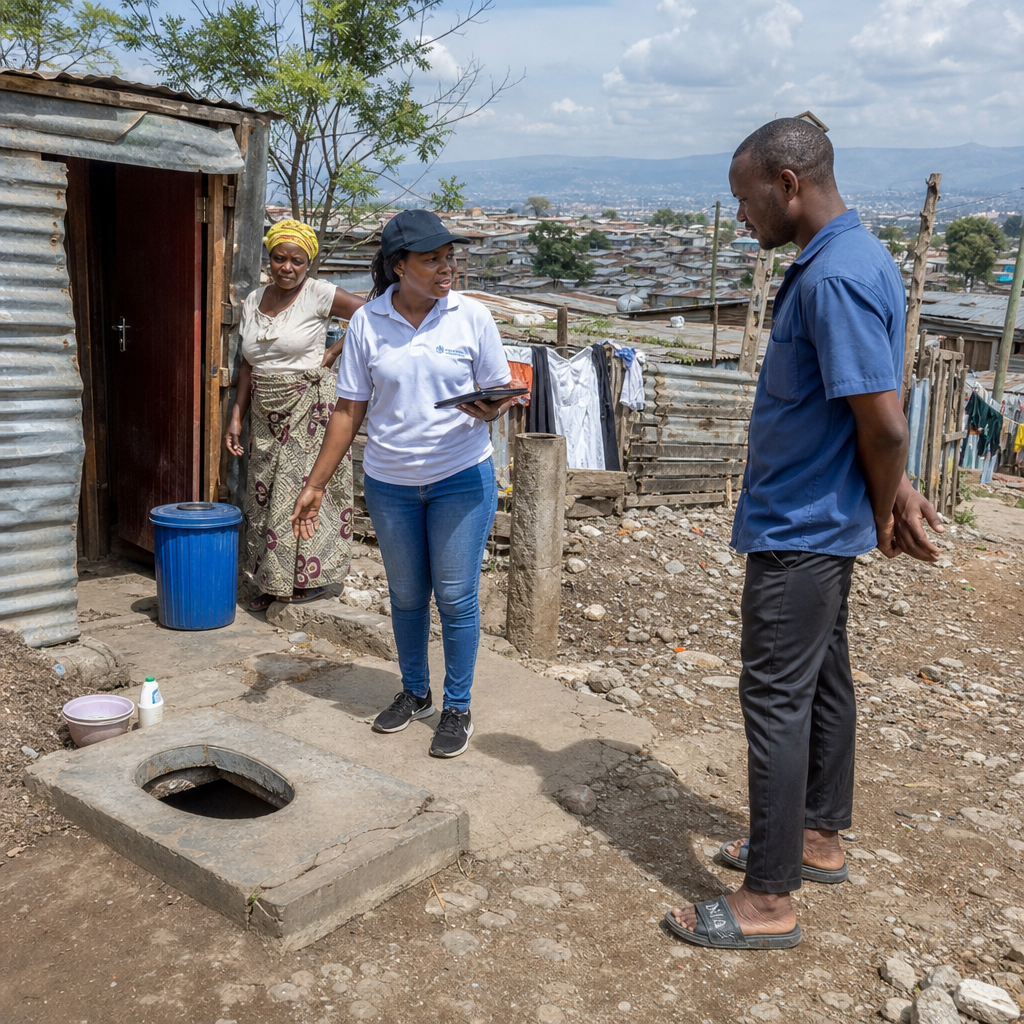
Preparation also means choosing methods that fit literacy levels, language preferences, and social dynamics. In some neighborhoods, a large public forum encourages transparency; in others, it silences women, low-income renters, or younger participants. I have had better results by combining methods: small group discussions, household interviews, walk-through mapping, and a final plenary session for validation. Site visits are especially useful because sanitation is spatial. When people stand beside a blocked drain, a broken handwashing station, or a toilet entrance without lighting, the conversation becomes concrete. Prepare simple prompts, ground rules, and visual aids, but avoid technical jargon. Participants should leave understanding the issue more clearly than when they arrived.
Who must be included and how to keep participation meaningful
Inclusive participation is not achieved by sending open invitations alone. Some groups face direct barriers to attendance, speaking, and influence. Women may avoid evening meetings because of safety concerns or care responsibilities. People with disabilities may be excluded by inaccessible venues. Sanitation workers may be present physically but ignored socially despite knowing the system best. Meaningful participation requires design choices: accessible locations, childcare support where possible, translation, separate focus groups when needed, and facilitation techniques that prevent a few voices from dominating. A practical rule is that if those most affected by sanitation failures are not shaping priorities, the process is incomplete.
Participation also needs clarity about decision-making power. Communities become frustrated when discussions collect stories but never explain what will happen next. Be explicit about what the group can decide, what must be referred to authorities, what funding limits exist, and what timeline is realistic. This honesty builds trust. It is better to say that drainage rehabilitation requires municipal approval than to imply that a community committee can solve it alone. At the same time, identify actions residents can control immediately, such as cleaning schedules, school hygiene clubs, complaint tracking, or reporting unsafe dumping points. Shared responsibility works best when institutional responsibility is named just as clearly as household responsibility.
Discussion methods that turn local knowledge into usable evidence
The best sanitation discussions produce more than opinions; they generate evidence that can guide decisions. Participatory mapping is one of the fastest ways to identify hotspots such as overflowing pits, illegal dumping areas, flood-prone pathways, and households far from safe toilets. Seasonal calendars help explain why a facility that works in the dry season fails during heavy rain. Problem ranking exercises show whether residents prioritize privacy, cost, smell, distance, disability access, or child safety. Transect walks reveal maintenance and accessibility issues that never appear in a meeting room. In school settings, anonymous question boxes can uncover concerns about menstruation, bullying, and toilet avoidance that students hesitate to say aloud.
Documentation matters as much as facilitation. Record who participated, what needs were identified, what evidence supports each point, and what actions were agreed. If possible, combine discussion findings with simple service data such as toilet-to-user ratios, handwashing station functionality, emptying frequency, or complaint logs. The goal is to move from “people are unhappy” to “three shared toilets serving sixty households lack lighting, have no handwashing station, and overflow during rainfall because the soak pit is undersized.” That level of specificity makes follow-up possible. It also helps community organizations link this hub topic to related articles on needs assessment, sanitation education, school engagement, behavior change communication, and local accountability.
| Method | Best use | Main advantage | Common limitation |
|---|---|---|---|
| Participatory mapping | Locating hazards and service gaps | Makes invisible patterns visible quickly | Needs validation through site checks |
| Focus group discussion | Exploring lived experience in depth | Surfaces attitudes and social norms | Dominant voices can skew results |
| Transect walk | Observing facilities and surroundings | Connects claims to physical conditions | May miss issues at other times of day |
| Problem ranking | Setting priorities for action | Helps groups compare tradeoffs openly | Results depend on who is in the room |
| Anonymous feedback tools | Discussing stigma or sensitive topics | Improves honesty on taboo issues | Requires careful synthesis afterward |
Turning sanitation discussions into participation and learning
For this sub-pillar, fostering participation and learning means every discussion should do two jobs at once: gather community insight and increase community understanding. A meeting about overflowing drains should also explain contamination pathways and household protection measures. A session on school toilets should also cover handwashing technique, cleaning responsibilities, and menstrual health needs. Adults and children are more likely to act when they understand the reason behind a recommendation, not just the instruction itself. In practice, I have found that short explanations tied to visible local examples are far more effective than generic awareness talks. People respond when they can connect new information to what they experience every day.
Learning is strongest when it is interactive. Ask participants to map daily sanitation routines, identify contamination points, or compare what happens before and after rainfall. Invite health workers to explain diarrheal disease risk in plain language. Ask sanitation workers to describe what causes frequent blockages. Use schools, faith groups, resident associations, and market committees as repeat learning channels rather than one-off audiences. This hub topic links all of those activities because participation is sustained through repeated engagement, not a single event. The most successful communities build a rhythm: discuss, test, reflect, adjust, and report back. That cycle helps residents see that their participation changes both knowledge and outcomes.
Managing conflict, misinformation, and sensitive sanitation topics
Sanitation discussions often involve embarrassment, blame, and competing interests. Tenants may blame landlords, landlords may blame users, and local officials may focus on budget constraints. Sensitive issues such as open defecation, menstrual waste, child feces disposal, manual emptying, and public toilet safety can trigger avoidance or moral judgment. The facilitator’s job is to keep the conversation factual, respectful, and solution-oriented. Start with agreed ground rules, use neutral language, and separate evidence from accusation. If someone claims a facility is “always dirty,” ask what time, how often, and what conditions contribute to that problem. Precision lowers defensiveness and improves problem solving.
Misinformation should be corrected directly but respectfully. If participants believe child feces are less dangerous than adult feces, or that bad smell alone indicates disease risk, offer clear explanations grounded in health evidence. If a rumor spreads that a new tariff means privatization or exclusion, explain the cost structure and who will manage funds. Where distrust is high, public documentation is essential. Share meeting notes, action lists, and follow-up dates. Visible accountability reduces the sense that sanitation decisions are made behind closed doors. It also protects the legitimacy of the process when difficult tradeoffs arise, such as choosing between repairing existing facilities and constructing new ones.
From discussion to action, monitoring, and continuous improvement
A sanitation discussion has value only if it leads to action, monitoring, and learning over time. End every meeting with a short action plan that identifies what will be done, by whom, by when, and with what resources. Distinguish immediate actions from medium-term advocacy. For example, a community can organize a shared toilet cleaning rota within a week, but desludging contracts, drainage rehabilitation, or school toilet upgrades may require external funding and formal approvals. Assign owners for each next step and create a simple mechanism for follow-up, such as a notice board, messaging group, quarterly review meeting, or community scorecard.
Monitoring should track both service conditions and participation quality. Service indicators may include toilet functionality, handwashing station availability, waste accumulation, drainage blockage frequency, or response time to repair requests. Participation indicators may include attendance diversity, number of women speaking, actions completed on schedule, or whether previous concerns were addressed. This hub article sits at the center of fostering participation and learning because sanitation improvement depends on both forms of evidence. Communities need to know not just whether facilities improved, but whether the discussion process itself became more inclusive, informed, and capable of solving problems. If you are building or refining a community engagement program, use this hub as your starting point, then connect each discussion to education, planning, accountability, and practical follow-through.
Facilitating community discussions on sanitation needs is not a soft add-on to technical work; it is how durable sanitation progress is made. Strong discussions define the real problem, include the people most affected, translate local experience into evidence, and turn information into shared learning. They also make implementation more realistic by exposing constraints around cost, maintenance, access, safety, and social acceptance before resources are wasted. Across neighborhoods, schools, markets, and rural settlements, the same principle holds: when communities understand sanitation risks and have a credible role in shaping solutions, adoption and accountability improve.
The main benefit of this approach is practical alignment. Households, community groups, service providers, and local authorities can see what matters most, what each actor must do, and how progress will be measured. That alignment is the foundation for every related effort under community engagement and education, from behavior change campaigns to school hygiene learning and citizen monitoring. Use this hub article to structure your work: prepare carefully, include the right voices, choose methods that generate evidence, teach while you listen, and always end with a clear action plan. Then move to the next linked topic and build a sanitation participation system that people can trust, use, and sustain.
Frequently Asked Questions
Why are community discussions important for identifying sanitation needs?
Community discussions help surface sanitation challenges that may not be visible in surveys, reports, or infrastructure plans alone. Residents experience sanitation conditions every day, so they often understand where drainage fails, which toilets are unsafe or inaccessible, where handwashing facilities are missing, how waste is being handled, and which behaviors or social barriers make sanitation improvements difficult to sustain. These conversations bring together lived experience, institutional knowledge, and service delivery realities in one place, which leads to a more accurate understanding of local priorities.
They are also important because sanitation is not only about physical facilities. It includes behavior, affordability, maintenance, safety, dignity, gender needs, disability access, and community trust. A discussion can reveal, for example, that a public toilet exists but is not used because it lacks lighting, privacy, menstrual health support, or regular cleaning. It can also uncover issues such as stigma, unequal access between neighborhoods, or confusion about who is responsible for repairs and waste collection. When people are invited to explain what is working and what is not, communities can move beyond assumptions and focus on practical improvements that match real conditions.
Just as importantly, open dialogue builds ownership. When residents, local leaders, schools, health workers, and service providers participate in defining the problem, they are more likely to support the solution. That shared understanding strengthens accountability, reduces conflict, and creates a foundation for long-term sanitation action that is both realistic and locally supported.
Who should be included in a community sanitation discussion?
An effective sanitation discussion should include a broad and balanced mix of participants because sanitation affects people differently depending on age, gender, livelihood, mobility, health status, and location. At minimum, organizers should involve residents from different parts of the community, local government representatives, health workers, teachers, sanitation workers, water and waste service providers, and community-based organizations. Including these groups ensures that the conversation reflects both user experience and the operational realities of delivering sanitation services.
It is especially important to include people whose needs are often overlooked. Women and girls can speak directly about privacy, safety, menstrual health support, and the burden of care in households and public spaces. People with disabilities and older adults can identify barriers related to physical access, handrails, path design, toilet layout, and transportation to facilities. Children and youth may highlight conditions in schools, playgrounds, and public gathering areas. Renters, informal settlement residents, market vendors, and sanitation workers can each offer practical insight into daily sanitation risks that may not appear in official planning documents.
Good facilitation also means recognizing power dynamics. If only formal leaders or outspoken participants dominate the discussion, critical concerns may remain unspoken. For that reason, many communities benefit from a mix of plenary sessions and smaller group discussions, including separate spaces where participants feel more comfortable sharing sensitive concerns. A strong sanitation dialogue is inclusive by design, not just open in theory.
What topics should a sanitation needs discussion cover?
A well-structured sanitation discussion should address sanitation as a complete system rather than as a single issue. That means looking at the safe management of human waste, including access to toilets, cleanliness, maintenance, emptying services, transport, treatment, and final disposal or reuse where appropriate. It should also examine drainage conditions, especially in flood-prone areas where blocked drains can spread waste, contaminate water sources, and increase disease risk. Handwashing access should be part of the conversation as well, including whether soap, water, and convenient facilities are consistently available in homes, schools, health centers, markets, and public toilets.
The discussion should also include menstrual health support, which is often under-addressed despite being central to dignity, school attendance, and participation in community life. Participants should be encouraged to discuss whether facilities provide privacy, water, disposal options, and safe spaces for changing and cleaning. Solid waste handling is another essential topic because unmanaged waste can clog drains, attract pests, and undermine otherwise sound sanitation systems. Communities may also want to discuss cleaning responsibilities, waste collection schedules, informal dumping areas, and safe handling practices for workers.
Equally important are behavior and governance issues. A strong discussion asks what behaviors help keep shared spaces clean, what practices increase risk, and what incentives or messaging could improve habits over time. It should also clarify roles and responsibilities: who maintains facilities, who funds repairs, who reports breakdowns, and which authorities are expected to respond. When these topics are covered together, the community can identify not just symptoms, but the causes of sanitation problems and the most feasible steps for improvement.
How can facilitators make sanitation discussions productive and inclusive?
Productive sanitation discussions begin with careful preparation. Facilitators should define the purpose of the meeting clearly, gather basic background information, and choose a format that is accessible and easy to participate in. That includes selecting a convenient time and location, using local language, and making sure the venue is physically accessible and safe for all participants. It also helps to set ground rules early, such as listening respectfully, avoiding blame, staying focused on shared problems, and giving everyone a chance to speak.
Inclusion depends on facilitation methods, not just invitations. Skilled facilitators use open-ended questions, visual tools, mapping exercises, ranking activities, and small-group discussions to encourage participation from people who may be less comfortable speaking in front of a large audience. They should pay close attention to whose voices are missing and create opportunities for quieter participants to contribute. For sensitive topics such as open defecation, menstrual health, safety concerns, or stigma linked to waste handling, smaller or separate discussion groups may be more effective than a single public session.
Productivity also requires turning broad concerns into actionable information. Facilitators should help the group identify specific problems, affected locations, populations at highest risk, existing resources, and immediate versus long-term priorities. It is useful to document examples, frequency, and impact: for instance, whether a broken toilet affects school attendance, whether blocked drainage worsens seasonal flooding, or whether irregular waste collection creates repeated health hazards. By the end of the discussion, participants should have a shared understanding of the main sanitation issues, who needs to be involved next, and what practical steps can realistically be taken.
What should happen after a community discussion on sanitation needs?
The discussion should lead to a clear follow-up process rather than ending as a one-time consultation. The first step is to organize and validate the findings. Notes should be reviewed for accuracy, major themes should be summarized, and the community should be able to confirm that the conclusions reflect what was actually said. This is important for trust, especially if the discussion included competing priorities or concerns about unequal service access. A useful summary often includes key sanitation challenges, affected groups, priority areas, available assets, and barriers to implementation.
From there, the findings should be translated into an action plan. That plan should distinguish between quick wins and larger structural improvements. Quick wins might include repairing handwashing stations, improving cleaning schedules, adding lighting, clearing drains, or placing waste bins in high-use areas. Larger actions may involve building or upgrading toilets, strengthening fecal sludge management, improving collection systems, creating menstrual health-friendly facilities, or establishing more reliable maintenance and reporting processes. Each action should have a responsible party, a timeline, and, where possible, a funding or coordination pathway.
Follow-up is also where accountability becomes real. Communities should know who will present the findings to local authorities, service providers, schools, health institutions, or partner organizations. Regular check-ins can help track progress, identify delays, and adjust priorities as needed. Even when resources are limited, transparent communication matters. If people see that their input led to decisions, partnerships, or practical improvements, trust grows and future participation becomes stronger. In that way, a good sanitation discussion becomes the start of an ongoing community problem-solving process, not just a meeting.