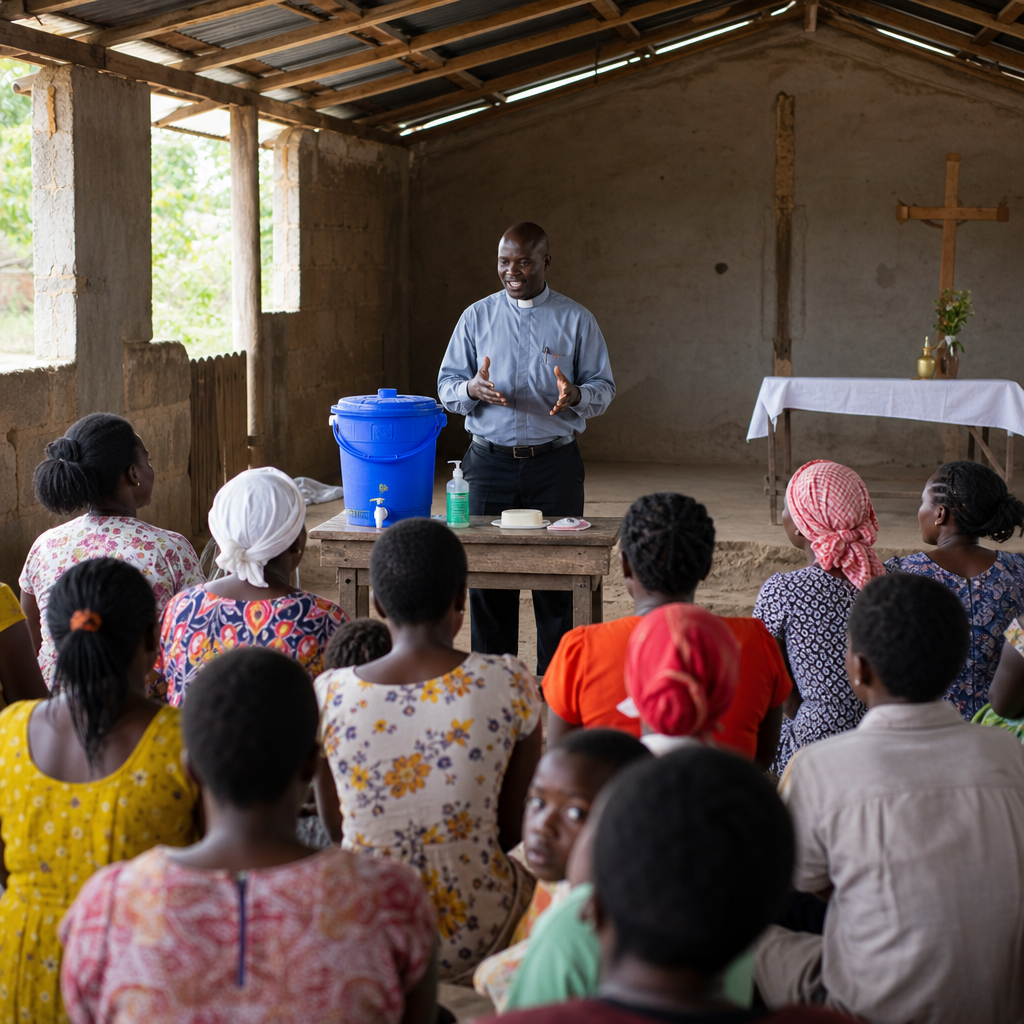
Faith-based organizations play a pivotal role in sanitation education because they combine trusted local leadership, regular access to families, and a moral framework that can turn hygiene messages into lasting community habits. In public health, sanitation education means teaching people how safe water, hygiene, waste disposal, menstrual health management, and disease prevention are connected. It goes beyond handing out leaflets. Effective sanitation education shapes routines: handwashing with soap at critical times, safe toilet use, latrine maintenance, child feces disposal, water treatment, and community accountability for clean shared spaces. As the hub page for Educating for Change within Community Engagement and Education, this article explains how faith-based organizations influence sanitation behavior, where they are most effective, what methods work, and what limitations practitioners must address.
I have worked with community hygiene programs where schools, clinics, and local governments all had outreach plans, yet attendance rose sharply only when churches, mosques, temples, and other religious networks reinforced the same message. That pattern is not accidental. Congregations gather weekly, often across generations, and they already have established channels for teaching values, organizing volunteers, and responding to crises. In many regions, especially rural and peri-urban settings, faith leaders are more accessible than municipal officials or health educators. When trained properly, they can normalize difficult conversations about open defecation, menstrual hygiene, water handling, stigma, and shared responsibility for sanitation systems. Their role matters because sanitation failures are still a major driver of diarrheal disease, parasitic infection, school absenteeism, undernutrition, and unsafe living conditions worldwide.
Faith-based organizations are not a substitute for infrastructure, policy, or technical service delivery. A sermon cannot replace a sewer network, and a youth fellowship cannot repair a failed borehole without resources. Yet behavior change and infrastructure adoption are deeply linked. Toilets are underused when people do not trust them, handwashing stations remain empty when no one maintains them, and community facilities deteriorate when norms of care are weak. Faith-based organizations help close that gap between access and use. They can frame sanitation as dignity, stewardship, protection of children, respect for neighbors, and care for creation. That framing often reaches people more effectively than technical language alone, which is why their contribution deserves serious attention in any sanitation education strategy.
Why Faith-Based Organizations Are Effective in Sanitation Education
Faith-based organizations succeed in sanitation education for three practical reasons: trust, reach, and continuity. Trust matters because people are more likely to change private behaviors when information comes from someone they already believe has their interests at heart. In many communities, religious leaders perform marriages, funerals, dispute resolution, youth mentoring, and charitable work. That longstanding relationship gives them credibility when discussing sanitation choices that might otherwise feel embarrassing or intrusive. Reach matters because congregations gather children, parents, elders, teachers, caregivers, and local businesses in one place. Continuity matters because messages can be reinforced over months or years through sermons, study groups, women’s associations, youth clubs, home visits, and service projects.
These organizations also understand local language, symbolism, and social barriers. In one district program I supported, public health staff initially used posters emphasizing pathogen transmission, but uptake was limited because households viewed sanitation mainly as a convenience issue rather than a health priority. Once faith leaders reframed latrine use as protecting vulnerable children and honoring communal responsibility, attendance at hygiene sessions increased and households became more willing to construct simple improved pits. The lesson was clear: sanitation education works best when scientific guidance is translated into moral and social meaning people already recognize. That is especially important where shame, fatalism, gender norms, or misconceptions about disease shape daily practice.
Another reason faith-based organizations are effective is that they can mobilize volunteers quickly. A congregation can organize cleanup campaigns, identify vulnerable households needing soap or menstrual materials, host school break sessions, and support facility maintenance days. In urban informal settlements, where municipal waste services are often inconsistent, this ability to coordinate action is invaluable. Organizations linked to national or international faith networks may also connect local sanitation education with funding, health partnerships, or disaster response mechanisms. Their effectiveness is greatest when they work alongside local government, schools, and community health workers rather than in isolation.
Core Sanitation Topics Faith Communities Can Teach
Faith-based sanitation education should cover the same evidence-based subjects used in strong public health programming. The core topics are hand hygiene, safe toilet use, child feces disposal, menstrual health and hygiene, solid waste management, safe water storage, household water treatment, drainage, and prevention of sanitation-related disease. The best programs explain not only what to do, but why timing and consistency matter. For example, handwashing with soap is most critical after using the toilet, after cleaning a child, before preparing food, before eating, and before feeding a child. Teaching those exact moments is more effective than a generic message to wash hands often.
Sanitation education must also address maintenance. Communities often receive new toilets or handwashing points but no system for cleaning, refilling water, managing sludge, or replacing broken taps. Faith groups can teach shared responsibility and create rotating care schedules for communal facilities. They can also address sensitive issues that are frequently neglected in mixed public settings, including menstrual hygiene, disability access, safety at night, and the needs of older adults. In many congregational settings, separate women’s groups or youth groups make it easier to discuss these topics respectfully and practically.
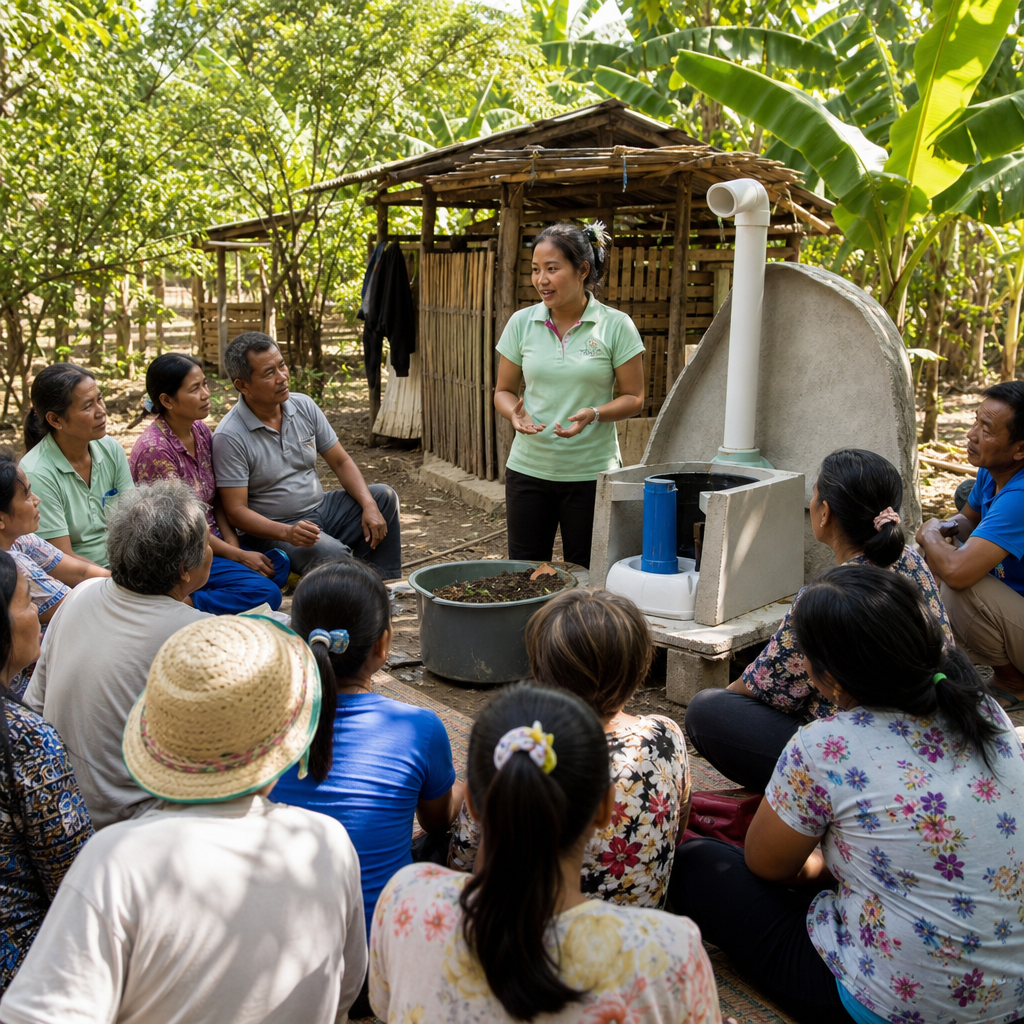
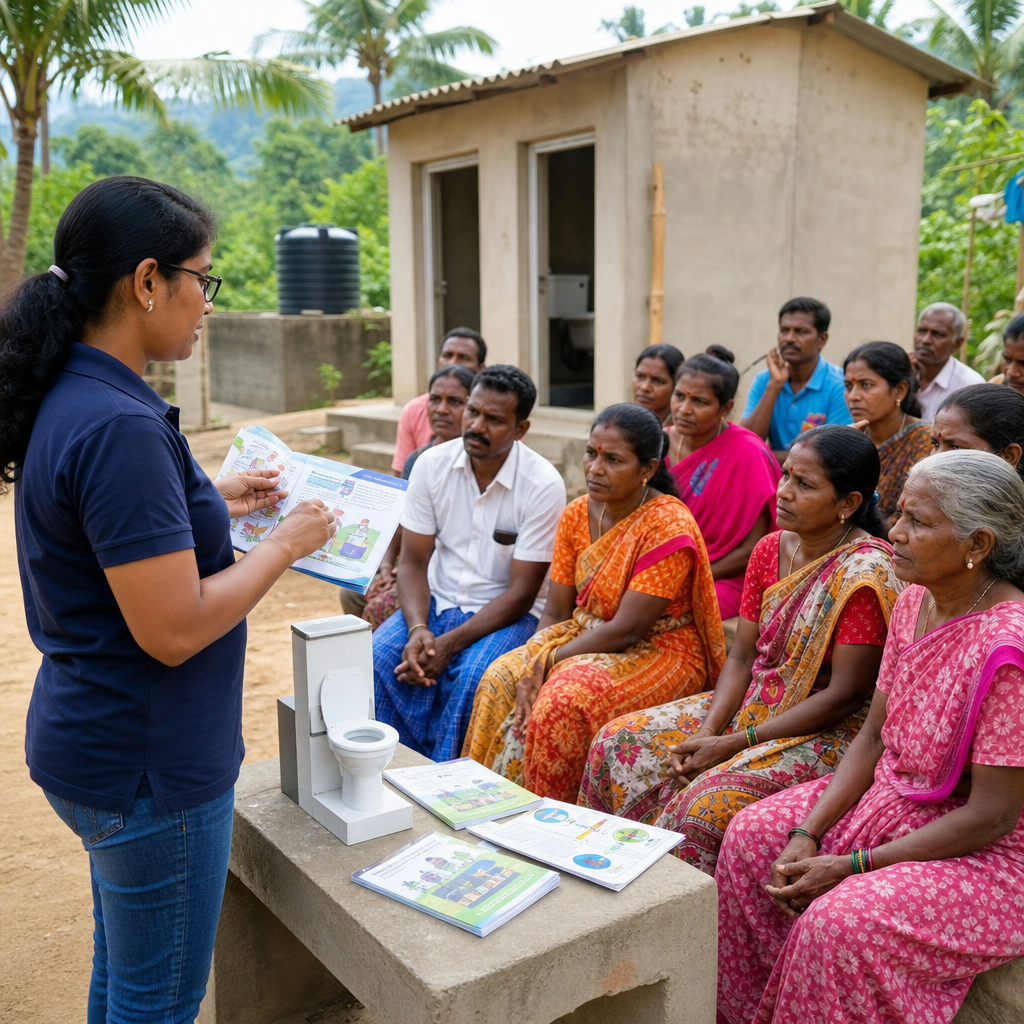
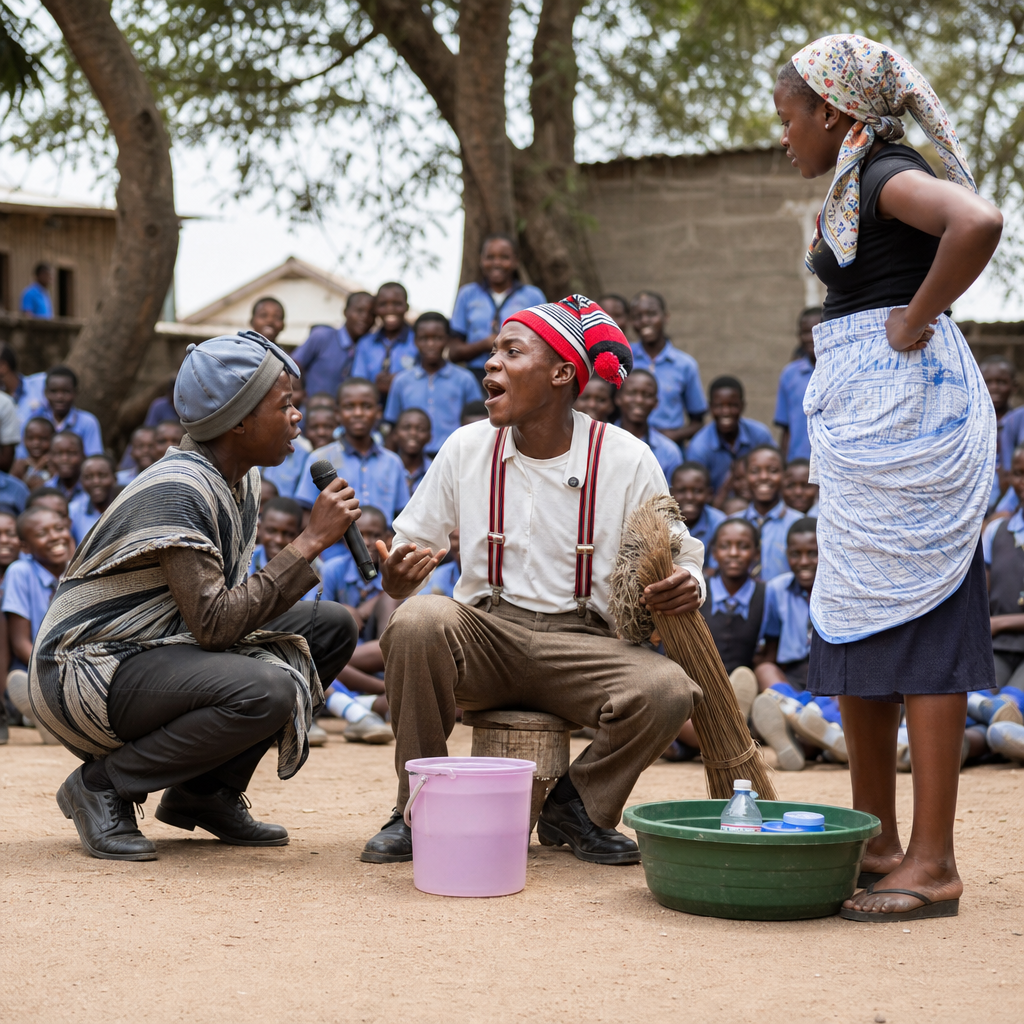
For this Educating for Change hub, the broader point is that sanitation education is not one lesson but a connected curriculum. People need information, social reinforcement, visible examples, and a path to action. A faith community can integrate all four. It can host demonstrations on tippy taps or chlorine dosing, share testimonies from families that adopted improved hygiene, organize child-led clean compound campaigns, and direct members to related resources on school hygiene, community mobilization, volunteer training, and behavior change communication. As a hub topic, sanitation education should always link knowledge to routine practice and community systems.
Practical Models That Work in the Field
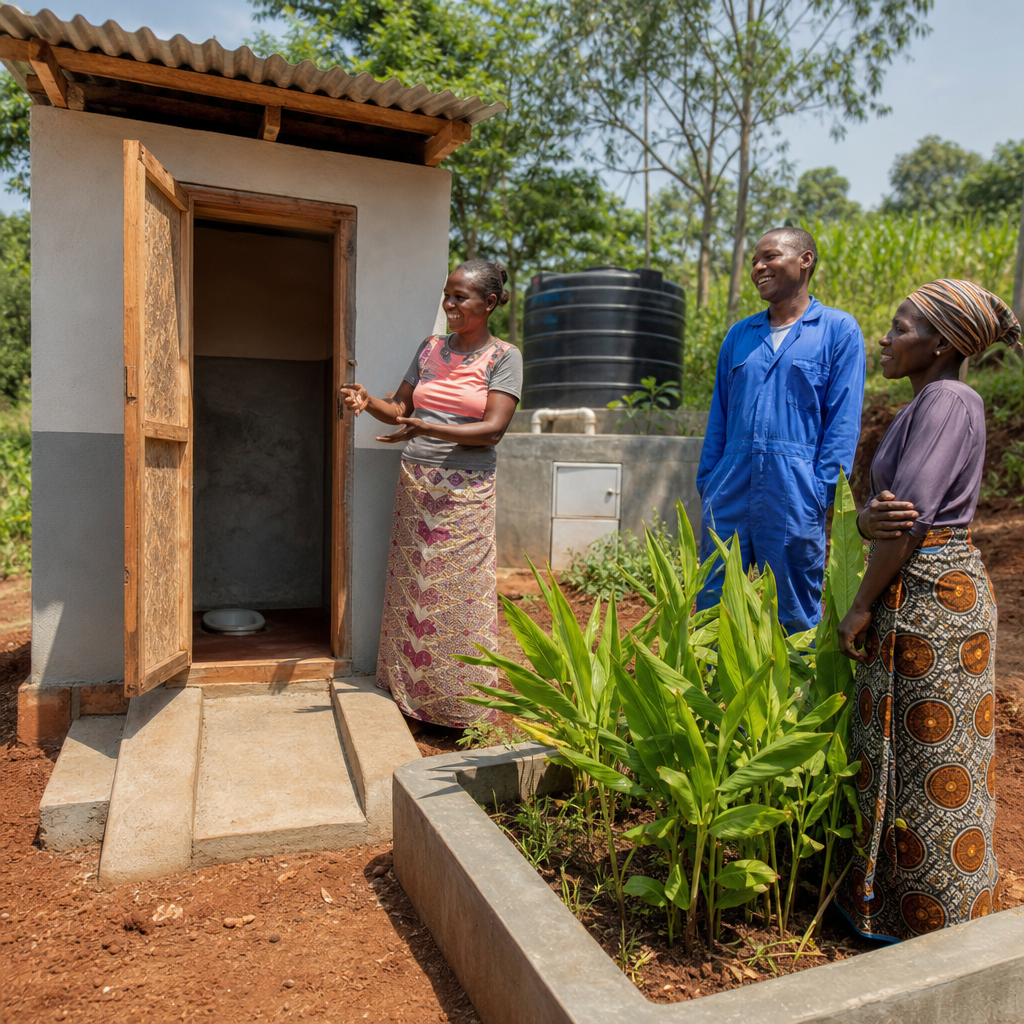
Several implementation models consistently perform well when faith-based organizations support sanitation education. The first is message integration: inserting short, accurate hygiene guidance into existing gatherings rather than creating entirely new programs. Weekly services, marriage counseling, mother’s unions, youth study circles, and funeral support groups can all include sanitation content. The second is peer education, where trained congregants teach fellow members in small groups. People often ask more candid questions of peers than of formal officials. The third is facility-linked education, where a congregation improves its own toilets, handwashing points, and waste systems and uses them as a visible learning site.
Another effective model is home-based follow-up. Large gatherings can raise awareness, but household visits are where barriers become visible. During visits, volunteers can observe whether soap is present, whether stored water is covered, whether children can reach the handwashing point, and whether a latrine is usable for elderly or disabled members. This practical feedback loop prevents sanitation education from remaining abstract. In one program, congregational volunteers found that many families knew how to treat water but disliked the taste of over-chlorination. Once dosage was demonstrated correctly using local container sizes, adherence improved. Small operational details often determine whether a message is adopted.
| Model | How it works | Main advantage | Common limitation |
|---|---|---|---|
| Message integration | Short hygiene teaching embedded in regular worship or group meetings | Low cost and high repetition | Can stay too general without follow-up |
| Peer education | Trained members lead small discussions and demonstrations | Builds trust and practical dialogue | Quality varies without supervision |
| Facility-linked education | Congregation models clean toilets and handwashing stations on site | Turns teaching into visible proof | Requires maintenance budget |
| Home visits | Volunteers check conditions and coach families directly | Identifies real household barriers | Time intensive |
What works across all models is disciplined alignment with established public health standards. Training materials should reflect national hygiene guidelines, school sanitation policies, and accepted water safety practices from recognized agencies such as WHO and UNICEF. Faith-based organizations are most useful when they amplify accurate information and refer technical or clinical issues appropriately. That includes knowing when to direct families to health facilities for diarrhea treatment, deworming, cholera response, or menstrual health support.
Partnerships, Measurement, and Safeguards
The strongest sanitation education programs involving faith-based organizations are built on partnership. Local government provides technical standards and links to service delivery. Health workers supply disease prevention guidance. Schools reinforce child-focused habits. Community-based organizations bring neighborhood knowledge. Faith institutions contribute trust, volunteers, venues, and sustained communication. When one actor tries to do everything, quality drops. When roles are clear, sanitation education becomes more credible and more durable.
Measurement is essential. Counting sermons or workshops is not enough. Programs should track outputs and outcomes: number of leaders trained, households visited, functioning handwashing stations, observed soap availability, toilet cleanliness scores, school attendance during menstruation, or reductions in open defecation in target zones. Even simple monitoring tools can reveal whether education is changing practice. I have seen programs celebrate high meeting attendance while household observation showed no soap near latrines. That gap matters. Behavior change should be verified with direct indicators whenever possible, not assumed from enthusiasm alone.
Safeguards are equally important. Faith-based organizations can be highly inclusive, but they can also unintentionally exclude minority groups, reinforce stigma, or overstep technical boundaries if not well guided. Sanitation education should never shame poor households that lack infrastructure. It should not present disease as punishment or rely on fear-based messaging that humiliates children, menstruating girls, or people with disabilities. Inclusive programming means using accessible facilities, gender-sensitive teaching formats, child protection protocols, and referral pathways for health or safeguarding concerns. It also means respecting plural communities by partnering across denominations and faith traditions where possible.
Funding and sustainability require realism. Volunteer energy is powerful, but it does not eliminate the need for soap, cleaning supplies, menstrual products, repairs, transport, and training refreshers. Congregations can support behavior change, but they need municipal investment and accountable service systems behind them. The practical benefit is clear: when faith-based organizations are integrated into sanitation education thoughtfully, they help communities move from awareness to routine action. For anyone building a Community Engagement and Education strategy, this hub topic should be treated as foundational. Start by identifying trusted faith partners, train them with accurate materials, measure behavior outcomes, and connect their influence to real sanitation services. That is how educating for change becomes lasting public health progress.
Frequently Asked Questions
Why are faith-based organizations effective in sanitation education?
Faith-based organizations are often highly effective in sanitation education because they already have something many public health campaigns spend years trying to build: trust. Religious leaders, volunteers, and congregations usually have deep roots in the communities they serve. They meet families regularly through worship services, study groups, youth programs, women’s groups, and outreach ministries, which gives them repeated opportunities to reinforce practical sanitation messages in a familiar and respected setting. That consistency matters because sanitation education is not just about sharing information once. It is about helping people adopt daily habits such as handwashing with soap, safe water storage, hygienic food handling, proper waste disposal, and menstrual health management.
Another reason these organizations are effective is that they can connect sanitation behaviors to values people already care about, such as dignity, care for children, stewardship, compassion, and responsibility to neighbors. When safe hygiene practices are presented not only as health recommendations but also as expressions of care for family and community, they can become more meaningful and easier to sustain. In many places, faith-based organizations also reach people who may not be regularly engaged by formal health systems, including rural households, low-income families, and marginalized groups. Because of their existing networks and moral credibility, they can help turn sanitation education from a one-time awareness effort into lasting community practice.
What does sanitation education include beyond basic handwashing messages?
Sanitation education is much broader than telling people to wash their hands. At its core, it helps individuals and communities understand how hygiene, water safety, waste management, and disease prevention are closely connected. This includes teaching proper handwashing at critical times, such as after using the toilet, before preparing food, before eating, and after cleaning a child. It also includes guidance on safe drinking water collection, treatment, and storage; keeping toilets and latrines clean and functional; disposing of household waste in ways that reduce contamination; and preventing the spread of waterborne and fecal-oral diseases.
Strong sanitation education also addresses menstrual health management, which is an essential but sometimes overlooked component of public health. This means creating awareness around safe, dignified, and hygienic menstrual practices, improving access to clean facilities, reducing shame and stigma, and supporting girls and women in schools, places of worship, and community settings. In addition, sanitation education often covers environmental cleanliness, drainage, vector control, and the role of community action in preventing outbreaks. The most effective programs move beyond leaflets or short talks. They demonstrate behaviors, answer local questions, challenge harmful myths, and support people in making practical changes that fit their daily lives and available resources.
How can faith leaders and religious communities promote lasting sanitation habits?
Faith leaders and religious communities can promote lasting sanitation habits by making hygiene education regular, visible, and actionable. One of the most powerful approaches is repetition. When sanitation messages are integrated into sermons, small-group meetings, youth sessions, parenting classes, school activities, and community visits, they are more likely to be remembered and practiced. Faith leaders can explain why behaviors such as handwashing with soap, toilet use, safe water handling, and clean surroundings protect children, reduce illness, and strengthen the whole community. Because these messages come from trusted voices, they often carry more influence than information delivered by outsiders alone.
Practical modeling is equally important. Religious institutions can set an example by ensuring that worship spaces, schools, clinics, and gathering areas have clean toilets, handwashing stations, soap, safe water points, and waste disposal systems. Congregations can organize sanitation days, household visits, women’s health discussions, youth-led clean-up campaigns, and community demonstrations on water treatment or hygiene routines. They can also support behavior change by encouraging accountability within families and peer groups. When a community sees leaders practicing what they teach and creating systems that make healthy choices easier, sanitation education becomes part of everyday life rather than an abstract message.
What challenges do faith-based organizations face in sanitation education, and how can they overcome them?
Faith-based organizations can face several challenges in sanitation education, even when they have strong community relationships. One common barrier is limited infrastructure. A congregation may promote hygiene, but if households lack soap, clean water, private toilets, drainage, or waste collection systems, behavior change becomes difficult to sustain. Another challenge is stigma around sensitive topics such as menstruation, open defecation, child feces disposal, and illness linked to poor hygiene. In some communities, long-standing beliefs or social norms may discourage open discussion of sanitation issues, especially among men, women, and adolescents in shared settings.
To overcome these barriers, faith-based organizations often need to combine education with practical support and partnerships. Working with public health agencies, schools, local governments, and community-based groups can help secure training, materials, technical guidance, and infrastructure improvements. Leaders can also create safe spaces for difficult conversations by using respectful, culturally appropriate language and involving women, youth, and local health workers in program design. Training is essential as well. Faith leaders may be trusted messengers, but they need accurate, up-to-date health information to avoid spreading misconceptions. When organizations pair moral leadership with evidence-based public health practices, they can respond to challenges more effectively and build sanitation programs that are both compassionate and credible.
How do faith-based sanitation education programs improve public health outcomes?
Faith-based sanitation education programs improve public health outcomes by increasing knowledge, changing behaviors, and creating social support for healthier routines. When families learn how unsafe water, poor hygiene, inadequate waste disposal, and unclean toilets contribute to diarrhea, intestinal infections, skin conditions, and other preventable illnesses, they are better equipped to protect themselves. More importantly, repeated education through trusted religious networks can help people move from awareness to action. Households may begin washing hands more consistently, treating or safely storing water, keeping sanitation facilities cleaner, supporting menstrual hygiene needs, and maintaining cleaner home environments.
The broader impact can be significant. Better sanitation habits can reduce the spread of infectious disease, lower absenteeism in school, support child growth and development, improve maternal and family health, and ease pressure on local health services. Programs that include girls’ and women’s menstrual health needs can also improve dignity, participation, and inclusion. Faith-based organizations are especially valuable because they often influence not just individuals but entire social environments. They can shape what communities view as normal, responsible, and caring behavior. Over time, this kind of collective reinforcement helps create lasting improvements in public health, especially when sanitation education is linked with real-world access to clean water, hygiene supplies, and safe sanitation facilities.