Sanitation awareness in healthcare settings is the foundation of safer care, stronger public trust, and more effective community engagement. In practical terms, sanitation awareness means ensuring that staff, patients, families, contractors, and community partners understand how cleanliness, waste handling, water safety, hand hygiene, and environmental controls affect infection risk. I have worked with clinics and community health programs where sanitation was treated as a housekeeping issue rather than a systemwide education priority, and the difference was visible: when people understood why protocols mattered, compliance improved, preventable infections declined, and conversations with the public became easier and more credible. As a hub topic under community engagement and education, educating for change connects technical sanitation practices inside facilities with the knowledge and behaviors that sustain them outside the building.
This matters because healthcare settings are uniquely vulnerable environments. Patients may have open wounds, weakened immune systems, invasive devices, or chronic illness. A contaminated sink, poorly cleaned bed rail, overflowing sharps container, or missed hand hygiene opportunity can become the starting point for healthcare-associated infections. The World Health Organization and the Centers for Disease Control and Prevention consistently emphasize that infection prevention depends on systems, training, monitoring, and communication, not just supplies. Sanitation awareness therefore goes beyond posters and reminders. It includes clear policies, role-based education, environmental services training, patient teaching, multilingual messaging, and continuous reinforcement. When healthcare organizations educate for change, they build a culture in which sanitation is understood as a shared safety responsibility, not a task assigned to one department.
Why sanitation awareness must be taught, not assumed
Many healthcare leaders assume people already know how germs spread or why cleaning schedules matter. In reality, knowledge gaps are common even among experienced teams. I have seen excellent clinicians misunderstand contact times for disinfectants, assume gloves replace hand hygiene, or overlook the risk of high-touch surfaces in waiting areas. Education closes these gaps by translating standards into daily actions. For example, staff need to know the difference between cleaning, disinfection, and sterilization. Cleaning removes soil and organic matter. Disinfection uses chemical agents to kill many pathogens on surfaces. Sterilization destroys all forms of microbial life on critical instruments. Confusing these terms leads to process failures, especially in outpatient settings where responsibilities are spread across nursing, environmental services, and technicians.
Teaching sanitation awareness also helps organizations respond to changing risks. Seasonal respiratory surges, emerging pathogens, waterborne outbreaks, and antibiotic-resistant organisms require updated messaging and rapid retraining. A hospital may need one approach for routine environmental cleaning and another during a norovirus cluster, when bleach-based products, isolation measures, and stricter bathroom sanitation become more important. Education turns policies into behavior. It explains not only what to do, but when to do it, who is accountable, and how to verify it. That is essential for community-facing credibility. If a facility wants the public to trust its infection prevention guidance, its own sanitation practices must be visible, consistent, and understandable.
Core elements of sanitation education in healthcare settings
Effective sanitation education starts with the full chain of risk, from water and surfaces to waste and human behavior. In hospitals, clinics, dental practices, dialysis units, long-term care centers, and community health posts, the core topics are consistent even when workflows differ. Staff need instruction on hand hygiene moments, personal protective equipment use, environmental cleaning sequences, spill response, safe linen handling, sanitation of shared equipment, restroom maintenance, food service hygiene, ventilation awareness, and regulated medical waste segregation. Patients and visitors need simpler but equally direct education: when to clean hands, where to dispose of tissues, why not to sit on beds, and how to report visibly dirty areas or empty sanitizer dispensers.
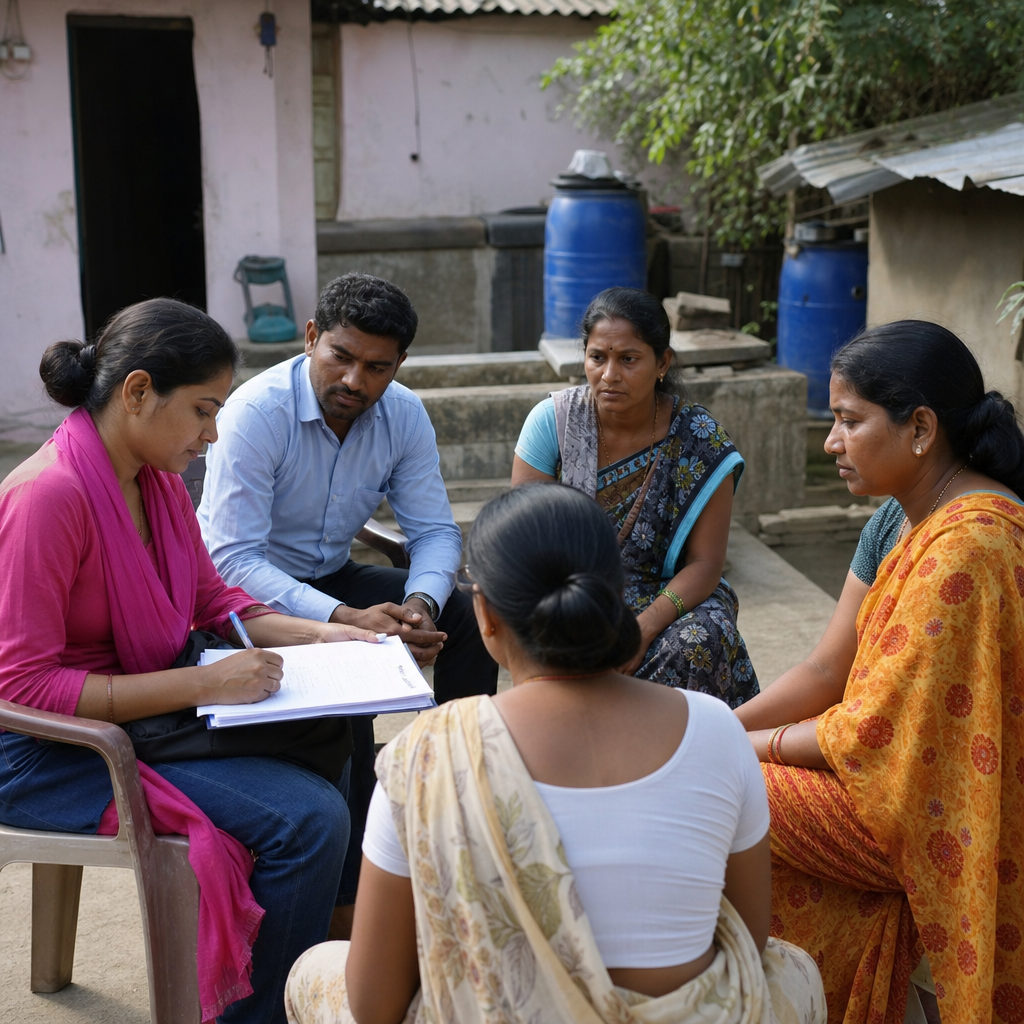
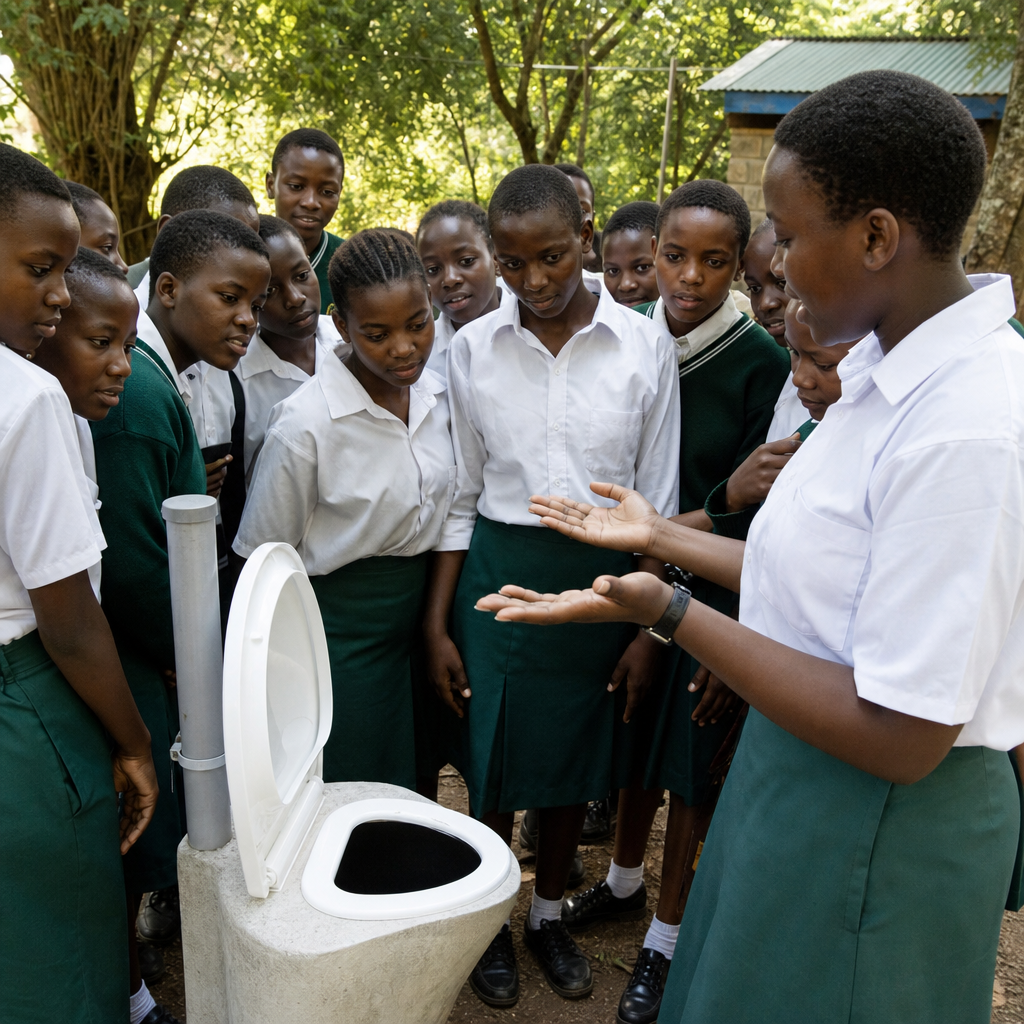
The strongest programs tailor this content by role. Environmental services teams need detailed training on dwell time, microfiber use, color-coded tools, and high-touch surface mapping. Nurses need bedside sanitation workflows for devices, medication preparation areas, and patient education. Facilities teams need water management plans that align with guidance on Legionella control, fixture flushing, and temperature monitoring. Front-desk staff need scripts for politely reinforcing masking or hand sanitation during outbreaks. Community health workers need materials they can carry into schools, faith settings, and neighborhood events, linking household hygiene and clinic sanitation in plain language. When every group understands both its own tasks and the broader infection chain, sanitation awareness becomes operational rather than theoretical.
| Audience | Key sanitation topic | Best education method | Practical example |
|---|---|---|---|
| Clinical staff | Hand hygiene and equipment disinfection | Skills checklists and observation feedback | Cleaning blood pressure cuffs between patients |
| Environmental services | High-touch cleaning and disinfectant contact time | Demonstration, return demo, audit review | Disinfecting bed rails for the full labeled dwell time |
| Patients and visitors | Respiratory hygiene and hand sanitation | Simple signage and verbal coaching | Using sanitizer at entry and after coughing |
| Facilities teams | Water safety and waste flow | Policy review and preventive maintenance training | Flushing low-use outlets to reduce stagnation |
| Community partners | Clinic-linked public hygiene messaging | Toolkits and outreach sessions | Sharing when to seek care for diarrheal illness outbreaks |
Turning education into behavior change
Information alone rarely changes sanitation performance. People change behavior when training is easy to apply, repeated at the point of care, and supported by the environment. In practice, that means combining orientation, annual competency, unit-level coaching, visual cues, and performance feedback. One clinic I supported reduced missed room-cleaning steps by using fluorescent marker audits, brief huddles, and direct coaching instead of relying on policy memos. Staff could see which surfaces were being skipped, and supervisors could address barriers such as insufficient turnover time or poorly placed supplies. That is the essence of educating for change: connecting learning to observable action.
Behavior change also improves when organizations use adult learning principles. Staff respond better to realistic scenarios than abstract instructions. A training session on sharps disposal is more effective when it covers what happens during a rushed vaccination clinic or an overflowing container at shift change. Visitors are more likely to sanitize hands when dispensers are placed at natural decision points and accompanied by concise prompts. Patients retain discharge teaching better when they receive teach-back questions, not just printed leaflets. Healthcare sanitation awareness succeeds when systems make the right action visible and convenient. If sanitizer dispensers are empty, PPE stations are disorganized, or disinfectant wipes are locked away, education will not overcome poor design.
Community engagement and the role of the sanitation hub
As a sub-pillar under community engagement and education, this hub should connect healthcare sanitation awareness to the broader public learning journey. Sanitation in healthcare settings does not begin and end at the hospital door. Community beliefs about cleaning chemicals, handwashing, wastewater, vaccines, respiratory etiquette, and waste disposal influence what patients and families do inside facilities. A strong hub page therefore links clinical sanitation topics with outreach themes such as school hygiene education, caregiver instruction, outbreak communication, environmental health literacy, and cultural perceptions of cleanliness. In my experience, the most effective organizations do not separate facility sanitation from community education. They build one consistent message adapted for different audiences.
This hub approach is especially useful for health systems serving diverse populations. Multilingual materials, culturally responsive visuals, and trusted messengers can dramatically improve adoption. For example, a maternal health clinic may need sanitation education that explains newborn visitor hygiene, breast pump cleaning, diaper disposal, and when postpartum families should avoid crowded waiting rooms during respiratory season. A dialysis center may need recurring education on vascular access cleanliness, restroom use, transportation hygiene, and home infection precautions. A community-facing sanitation hub helps readers move from the general question, “Why does cleanliness matter in healthcare?” to practical answers for specific settings, populations, and risks. It also creates a strong internal linking structure for articles on hand hygiene, waste management, environmental cleaning, water safety, and patient education.
Standards, measurement, and accountability
Healthcare sanitation awareness becomes credible when it is anchored in recognized standards and measured consistently. The most reliable programs align training and operations with guidance from the CDC, WHO, OSHA, local public health authorities, and, where applicable, accreditation bodies such as The Joint Commission. In sterile processing and device reprocessing, manufacturers’ instructions for use are nonnegotiable. In environmental cleaning, product label claims and contact times matter. In medical waste handling, segregation rules must match regulatory definitions. Education should teach staff how to interpret these requirements in context, because failure often occurs at the interface between policy and workflow.
Measurement should include both process and outcome indicators. Process measures include hand hygiene compliance, fluorescent marker removal rates, terminal cleaning completion, waste segregation accuracy, and availability of soap or sanitizer. Outcome measures can include rates of specific healthcare-associated infections, clusters of gastrointestinal illness, sharps injuries, or patient complaints about cleanliness. I recommend that organizations share selected sanitation metrics with frontline teams, because visible data sharpens accountability. When a unit sees that missed disinfection of mobile equipment correlates with rising transmission risk, sanitation stops feeling abstract. The goal is not punitive surveillance. The goal is operational learning, rapid correction, and stronger trust among staff and patients.
Common barriers and how healthcare organizations overcome them
Most sanitation failures are not caused by ignorance alone. They result from staffing pressure, inconsistent supply chains, poor facility design, unclear ownership, language gaps, and competing priorities. A busy emergency department may know the right cleaning protocol but still struggle if room turnover targets are unrealistic. A rural clinic may want stronger waste segregation but lack containers, signage, or contracted disposal options. A long-term care center may face confusion when agency staff rotate in without site-specific orientation. Education for change must therefore address barriers directly. It should identify failure points, simplify procedures where possible, and remove operational friction.
Healthcare organizations that improve sanitation awareness usually do three things well. First, they standardize. They use clear visual protocols, consistent products, and role-defined responsibilities. Second, they reinforce. They conduct micro-trainings, audits, and feedback loops instead of waiting for annual refreshers. Third, they listen. Environmental services workers, transport teams, aides, and patients often notice sanitation risks before leaders do. Frontline reporting systems, patient rounding, and safety huddles provide practical intelligence that policies miss. A sanitation education strategy is strongest when it values those observations and responds quickly. That responsiveness is what turns awareness into a resilient culture.
Sanitation awareness in healthcare settings is ultimately about preventing harm through education that changes behavior, strengthens systems, and extends beyond the facility into the community. Clean environments, safe water, proper waste handling, and reliable hand hygiene are not isolated tasks; they are linked controls that protect vulnerable patients and support public confidence. As the hub for educating for change within community engagement and education, this page should guide readers toward the full sanitation picture: what the core practices are, why they matter, how they are taught, how performance is measured, and where common breakdowns occur. It should also point them to deeper resources on environmental cleaning, infection prevention, healthcare waste management, patient teaching, and community outreach.
The main benefit of sanitation education is consistency. When staff, patients, visitors, and community partners understand the same principles and see them reinforced in daily practice, sanitation becomes dependable rather than reactive. That consistency reduces infection risk, improves readiness during outbreaks, and helps healthcare organizations communicate with authority. If you are building or refining a sanitation education program, start with role-specific training, visible standards, simple reporting channels, and public-facing messages that match what happens inside the facility. Then expand this hub into linked articles that answer each sanitation question in depth and turn awareness into lasting change.
Frequently Asked Questions
What does sanitation awareness in healthcare settings actually mean?
Sanitation awareness in healthcare settings goes far beyond routine cleaning. It means building a shared understanding among healthcare staff, patients, visitors, contractors, and community partners that sanitation practices directly influence infection prevention, patient safety, and trust in care delivery. In a healthcare environment, sanitation awareness includes knowing why hand hygiene matters, how surfaces and equipment can spread pathogens, why safe water is essential, how medical and general waste must be separated and handled, and how ventilation and environmental controls help reduce exposure risks. When people understand these connections, sanitation is no longer viewed as a background housekeeping task. It becomes a core part of clinical quality and operational safety.
This awareness also depends on consistent education and practical reinforcement. Staff need clear protocols, regular refreshers, and access to the supplies required to do the right thing every time. Patients and families need understandable guidance on handwashing, restroom use, waste disposal, and what to expect from a clean care environment. Leaders play a central role by setting standards, monitoring performance, and treating sanitation as an organizational responsibility rather than an individual preference. In strong healthcare systems, sanitation awareness becomes part of the culture: people notice risks, report problems early, and understand that even small lapses can have serious consequences for vulnerable patients.
Why is sanitation awareness so important for infection prevention and patient safety?
Sanitation awareness is one of the most practical and cost-effective ways to reduce infection risk in healthcare settings. Hospitals, clinics, maternity centers, and outpatient facilities bring together sick individuals, healthcare workers, family caregivers, and the broader public in spaces where pathogens can spread quickly if controls are weak. Contaminated hands, poorly cleaned surfaces, unsafe water, improperly managed waste, and inadequate environmental hygiene can all contribute to healthcare-associated infections. When sanitation awareness is high, people are more likely to follow prevention measures consistently, identify hazards early, and understand the consequences of shortcuts.
Its value is especially clear in high-touch and high-risk areas such as patient rooms, treatment areas, toilets, waiting rooms, laboratories, and waste storage points. A staff member who understands sanitation risk is more likely to clean and disinfect shared equipment correctly, wash hands at the right moments, and report a blocked handwashing station before it becomes a larger problem. A patient or family member who understands the basics is more likely to cooperate with hygiene instructions and raise concerns about visibly unsafe conditions. Over time, this creates a safer environment, lowers preventable infection rates, protects healthcare workers, and strengthens public confidence in the facility. In short, sanitation awareness turns policies into everyday protective behavior.
Who needs sanitation awareness training in a healthcare setting?
Sanitation awareness training should reach everyone who interacts with the healthcare environment, not just cleaners or infection prevention teams. Clinical staff such as doctors, nurses, midwives, technicians, and therapists need role-specific guidance because they work closely with patients and medical equipment. Non-clinical staff, including cleaners, reception teams, maintenance workers, porters, drivers, laundry personnel, food service workers, security staff, and waste handlers, also need structured training because their actions influence hygiene, movement of materials, and environmental safety throughout the facility. Contractors and vendors should not be overlooked either, especially if they handle water systems, repairs, waste collection, cleaning services, or facility maintenance.
Patients, families, and caregivers also benefit from sanitation awareness. They should understand basic expectations such as hand hygiene, safe restroom use, proper disposal of tissues or personal waste, and how to recognize and report sanitation concerns. Community partners, outreach workers, and local health volunteers may also need training when healthcare sanitation practices connect with home care, vaccination campaigns, maternal health services, or disease prevention initiatives. The most effective programs tailor messages to each audience instead of using a one-size-fits-all approach. Training should be practical, repeated, and easy to apply, using demonstrations, visual reminders, supervision, and feedback so sanitation becomes a routine part of how care is delivered and supported.
What are the most important sanitation practices healthcare facilities should focus on every day?
Healthcare facilities should focus first on the sanitation practices that most directly interrupt the spread of infection and protect people across the care environment. Hand hygiene remains the top priority because hands are one of the most common pathways for transmitting pathogens. Staff, patients, and visitors need access to functioning handwashing stations or alcohol-based hand rub at the right points of care and entry. Environmental cleaning and disinfection are equally important, especially for high-touch surfaces such as bed rails, doorknobs, counters, light switches, chairs, and shared equipment. Cleaning routines should be scheduled, documented, and matched to the level of risk in each area.
Safe waste segregation and disposal are also essential. General waste, infectious waste, sharps, and hazardous materials must be separated correctly at the point of use, placed in appropriate containers, and removed safely to avoid exposure injuries or contamination. Water, sanitation, and restroom hygiene should never be treated as secondary issues. Reliable access to safe water, clean toilets, soap, drainage, and wastewater management supports every other infection prevention effort. Facilities should also maintain laundry hygiene, safe food handling, adequate ventilation, pest control, and prompt spill response. What matters most is not simply having these standards on paper, but ensuring they are visible in daily operations, checked regularly, and reinforced through supervision and accountability.
How can healthcare leaders improve sanitation awareness and build a lasting culture of cleanliness?
Healthcare leaders improve sanitation awareness by making it visible, measurable, and clearly connected to patient care outcomes. The first step is to treat sanitation as a leadership priority rather than a support function operating in the background. That means setting clear standards, assigning responsibilities, ensuring budget for supplies and maintenance, and communicating that sanitation is everyone’s responsibility. Leaders should provide reliable access to soap, water, hand rub, personal protective equipment, cleaning materials, waste containers, and maintenance support. Without the right infrastructure, awareness campaigns lose credibility. Staff must see that the organization expects high standards and equips them to meet those standards.
Long-term culture change also depends on training, monitoring, and feedback. Facilities should conduct regular orientation sessions, refresher training, supportive supervision, and simple audits of hand hygiene, cleaning quality, waste segregation, and restroom conditions. Results should be shared constructively so teams can improve without fear. Visual reminders, sanitation champions, patient education materials, and reporting systems for hazards all help keep the topic active. Leaders should also recognize good performance and respond quickly to recurring problems such as supply shortages, poor workflow design, or inconsistent cleaning practices. When sanitation is discussed during meetings, included in quality improvement efforts, and linked to patient dignity and staff safety, it becomes part of the organization’s identity. That is when awareness turns into a durable culture of cleanliness and safer care.