
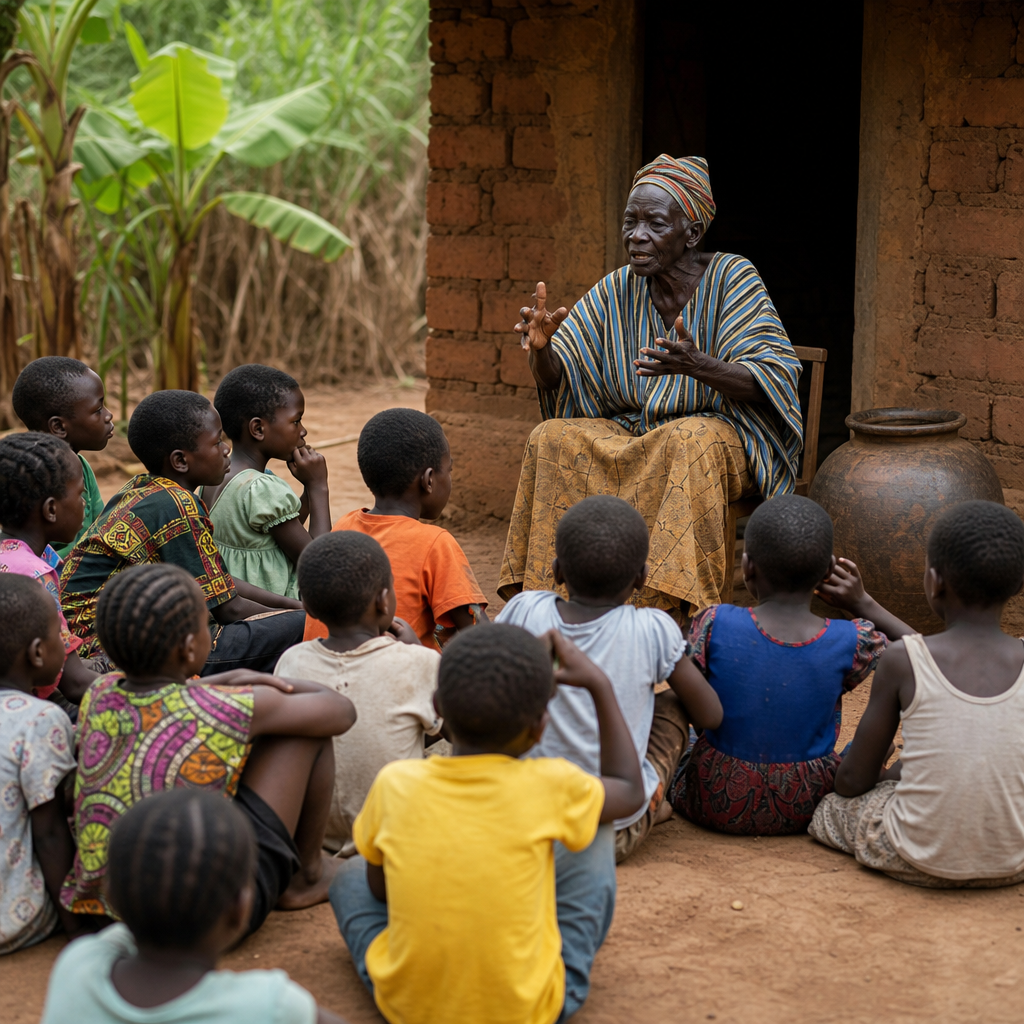
Sanitation in storytelling shapes how communities understand health, dignity, and shared responsibility. In public education, storytelling means using narratives, characters, symbols, and local memory to explain why safe water, hygiene, and waste management matter. Sanitation includes practices that prevent human contact with disease-causing waste, such as handwashing, toilet use, menstrual hygiene management, drainage, and safe disposal of wastewater and solid waste. When these topics are taught only through instructions, people may remember rules but miss meaning. When they are taught through story, communities connect sanitation to identity, family care, religious values, and everyday survival.
I have worked on sanitation communication projects where the technical message was clear, yet uptake remained weak until local educators, youth leaders, and health workers began telling stories rooted in familiar settings. A grandmother explaining handwashing before meals, a market vendor describing blocked drains after heavy rain, or a school play about girls missing class during menstruation can shift attitudes faster than a poster full of warnings. That matters because sanitation is never only an engineering issue. It is also a cultural practice, a public health intervention, and an educational process that relies on trust.
This hub article explores how sanitation in storytelling supports community engagement and education by turning knowledge into action. It covers cultural framing, classroom learning, behavior change, media channels, and practical ways to build local participation. It also serves as a gateway for related content under empowering communities through knowledge, including articles on school hygiene education, participatory campaigns, local leadership, and inclusive communication. The central idea is simple: communities are more likely to improve sanitation when information is relevant, respectful, repeated, and shared through stories people recognize as their own.
Why sanitation stories work in community education
Storytelling works because people process information through emotion, sequence, and social context. In sanitation education, a story can answer the questions people actually ask: What happens if wastewater stands near homes? Why do children get diarrhea after floods? Why does open defecation continue even where toilets exist? A direct answer is that stories make cause and effect visible. Instead of presenting contamination as an abstract concept, a narrative shows how pathogens move from feces to hands, food, water, and then into a child’s body. Public health educators often teach this through the F-diagram, a standard framework linking feces, fingers, flies, fields, fluids, and food. In my fieldwork, stories built around that pathway consistently improved recall compared with one-off lectures.
Stories also reduce resistance. Sanitation can touch on shame, poverty, gender roles, and deeply private habits. A lecture may feel accusatory, but a story lets people examine behavior at a safe distance. A radio drama about a family debating whether to repair a latrine invites listeners to reflect without feeling targeted. That is one reason organizations such as UNICEF, WaterAid, and ministries of health frequently use edutainment, community theater, and illustrated narratives in hygiene promotion. The method is not soft communication; it is a practical way to move from awareness to discussion and from discussion to social norms.
Another reason storytelling works is that it helps communities remember what to do during specific moments: after using the toilet, before preparing food, during menstruation, after handling child feces, or when a water source becomes contaminated. Educational psychologists have long shown that memory improves when facts are embedded in narrative structure. In plain terms, people remember a sequence of events more easily than a list of instructions. For sanitation educators, that means a well-designed story can function as a durable public health tool.
Cultural perspectives: dignity, taboo, and local meaning
Sanitation messages succeed when they fit local cultural logic. Every community already tells stories about cleanliness, impurity, respect, and care. The educator’s task is not to erase those meanings but to work with them carefully. In some places, cleanliness is tied to hospitality; in others, it is linked to faith, ancestral custom, or modern aspiration. I have seen campaigns fail because they imported outside language that sounded technically correct but socially tone-deaf. I have also seen modest campaigns succeed because they used local proverbs, elder testimony, and familiar humor.
Taboo is a major factor. Topics such as defecation, menstruation, and menstrual waste disposal are often avoided in public discussion, especially across age and gender lines. Yet silence has costs. UNESCO and WHO have repeatedly noted that inadequate sanitation and poor menstrual hygiene contribute to school absenteeism, infection risk, and reduced dignity. Storytelling can open space for discussion without forcing blunt confrontation. A comic strip about a student choosing between staying home and using an unsafe school toilet can address privacy, water access, disposal bins, and bullying in a way that statistics alone cannot.
Cultural storytelling is most effective when it avoids stereotypes. Communities are not fixed traditions frozen in time; they adapt. Urban neighborhoods, informal settlements, refugee camps, and rural villages all contain multiple audiences with different experiences. Young people may respond to short-form video, while elders prefer oral forums or religious gatherings. The best sanitation education respects this complexity and chooses narratives that speak to real tensions, such as convenience versus maintenance cost, privacy versus shared infrastructure, or tradition versus changing gender expectations.
Educational settings: schools, families, and informal learning
Schools are often the most visible place for sanitation education, but the strongest results usually come when school messages connect with home and community life. A child who learns proper handwashing in class still needs soap, water, and reinforcement at home. That is why effective school sanitation programs pair instruction with infrastructure, teacher training, and family outreach. The WASH in Schools model, used widely by governments and development agencies, integrates water, sanitation, and hygiene facilities with daily routines and student participation. Where I have seen it work well, student clubs do more than repeat slogans. They collect observations about broken taps, report missing soap, create peer skits, and discuss barriers openly.
Families are equally important. Much sanitation behavior is learned through imitation: how caregivers dispose of child feces, clean utensils, maintain toilets, or respond when drains overflow. Story-based materials for parents can be highly practical. A picture story showing how flies move from exposed waste to food explains contamination without technical jargon. A short audio episode on safe storage of drinking water can reach caregivers with limited literacy. Community health workers often use these tools during home visits because they spark conversation rather than one-way instruction.
Informal learning spaces matter too. Markets, bus stops, faith gatherings, sports clubs, and women’s savings groups are places where stories spread quickly. Community engagement becomes stronger when sanitation education appears in spaces people already trust. That is a crucial principle for this hub topic: empowering communities through knowledge does not mean delivering information from above. It means designing learning pathways across everyday life, where residents generate examples, challenge misconceptions, and adapt solutions together.
Methods that turn knowledge into action
Sanitation education becomes effective when stories connect to practical steps, visible benefits, and collective accountability. The approaches below are consistently useful in community engagement work because they combine explanation with action.
| Method | How it works | Example in practice | Main advantage |
|---|---|---|---|
| Community theater | Actors perform local sanitation dilemmas followed by discussion | A village play shows how blocked drains increase mosquito breeding after rain | Turns technical risks into shared problem-solving |
| Radio drama | Serialized episodes model decisions and consequences | A family debates building a handwashing station near the latrine | Reaches large audiences at low cost |
| School storytelling clubs | Students create skits, murals, and peer lessons | Children map safe and unsafe water points around school | Builds ownership and repetition |
| Participatory mapping | Residents narrate sanitation problems spatially | Neighbors identify overflow points and dumping areas on a ward map | Makes invisible risks visible |
| Digital short video | Brief mobile-friendly stories show behavior in context | Local youth film proper menstrual waste disposal options | Useful for younger audiences and rapid sharing |
These methods work best when combined with clear calls to action. A story should lead to something concrete: build a tippy tap, report a broken toilet door, separate waste, cover water storage containers, clean drains before the rainy season, or establish a maintenance rota. In behavior change terms, the message must reduce friction. If a family understands handwashing but has no convenient station near the toilet, knowledge alone will not be enough.
Measurement also matters. In serious sanitation education, success is not counted only by attendance at an event. It is measured through indicators such as facility use, soap availability, latrine cleanliness, safe disposal practices, reduced absenteeism, and observed behavior over time. Tools like Knowledge, Attitudes, and Practices surveys can help, but direct observation and community feedback are often more revealing. I have seen programs report strong awareness gains while toilet pits remained unusable and handwashing stations stayed empty. Storytelling should support infrastructure and maintenance, not replace them.
Inclusion, trust, and ethical communication
Good sanitation storytelling includes the people most affected by poor services: women and girls, children, older adults, people with disabilities, low-literacy households, and residents of under-served areas. Inclusion is not a decorative add-on. It changes the content of the story itself. A wheelchair user may highlight the absence of ramps and handrails. A schoolgirl may point to missing locks and disposal bins. A waste worker may explain the danger of handling sludge without protective equipment. These perspectives make education more accurate and more credible.
Trust depends on tone. Fear-based messaging can attract attention, but it often backfires if it humiliates people or ignores structural barriers. Telling a community to stop unsafe practices without acknowledging the cost of repairs, unreliable water supply, or overcrowded housing weakens credibility. Ethical communication names the risk clearly while recognizing constraints. It also avoids using shocking images when respectful explanation will do the job better. In my experience, communities engage more honestly when educators ask, “What makes the safe option difficult here?” That question turns blame into diagnosis.
Accuracy is essential. Sanitation stories should align with recognized guidance from bodies such as the World Health Organization, national public health agencies, and established WASH standards. That means being precise about transmission pathways, realistic about intervention limits, and transparent about maintenance needs. For example, a toilet block can improve safety and privacy, but only if water, cleaning schedules, sludge management, lighting, and user fees are addressed. Trust grows when educators say exactly what a solution can and cannot do.
Building a lasting community knowledge hub
As a hub within community engagement and education, this page points to a broader strategy for empowering communities through knowledge. A true knowledge hub does not publish isolated advice. It organizes connected learning around the questions residents, teachers, health workers, and local leaders actually face. What makes a school sanitation program sustainable? How do you communicate about menstruation without stigma? What role do faith leaders play in hygiene promotion? How can local media support waste segregation or drain maintenance? Each of those questions deserves its own detailed article, but the principles remain linked.
The strongest sanitation education systems share four traits. First, they use local voices, not only external experts. Second, they connect stories to facilities, budgets, and maintenance responsibilities. Third, they repeat messages across channels, from classrooms and clinics to radio and neighborhood meetings. Fourth, they treat residents as contributors, not passive audiences. When those conditions are in place, storytelling becomes more than communication. It becomes civic infrastructure: a way for communities to interpret problems, coordinate action, and hold institutions accountable.
Sanitation in storytelling matters because it turns hidden risks into shared understanding and practical change. It helps people discuss difficult subjects with dignity, remember protective behaviors, and link personal habits to community wellbeing. For educators and local leaders, the main benefit is clear: stories make sanitation knowledge usable. Explore the related articles in this subtopic, adapt the methods to your setting, and build sanitation education that people can recognize, trust, and act on together.
Frequently Asked Questions
What does “sanitation in storytelling” mean, and why is it important?
Sanitation in storytelling refers to the use of stories, characters, images, memories, and familiar cultural references to explain sanitation-related behaviors and values in ways that people can understand and remember. Instead of presenting sanitation only as a list of rules, storytelling places topics such as handwashing, toilet use, menstrual hygiene management, drainage, and safe disposal of wastewater and solid waste into real human situations. This helps people connect sanitation with dignity, family care, public responsibility, and everyday decision-making.
Its importance lies in the fact that sanitation is not only a technical issue but also a social and cultural one. People’s choices around hygiene and waste are shaped by beliefs, habits, gender roles, local traditions, and community history. A well-crafted story can make sanitation education feel relevant rather than abstract. It can show how unsafe practices affect children, elders, schools, workplaces, and neighborhoods, while also presenting practical solutions in a respectful way. In educational settings, storytelling is especially powerful because it improves engagement, encourages discussion, and helps learners retain information longer. When communities see themselves in the story, sanitation messages become more credible, more relatable, and more likely to inspire lasting behavior change.
How do cultural perspectives influence the way sanitation is taught through stories?
Cultural perspectives strongly influence sanitation storytelling because every community has its own language, symbols, taboos, social norms, and ways of passing knowledge from one generation to the next. A story that works well in one place may feel irrelevant or even inappropriate in another if it ignores local beliefs about cleanliness, privacy, gender, religion, or community responsibility. Effective sanitation education recognizes this and builds messages around the audience’s lived experience. That may include using local proverbs, folktale structures, respected elders, familiar family roles, or settings such as schools, markets, water points, and homes.
Cultural sensitivity also matters when discussing subjects that may be considered private or stigmatized, such as menstruation, open defecation, or waste handling. Stories can open space for discussion without causing shame when they are framed carefully and respectfully. For example, a narrative can show a trusted character overcoming embarrassment, learning safer habits, and helping others do the same. This approach allows educators to address difficult topics while preserving dignity. At the same time, cultural storytelling should not reinforce harmful myths or exclusion. The strongest educational narratives respect local identity while guiding audiences toward evidence-based sanitation practices that protect health, safety, and inclusion for everyone in the community.
Why is storytelling often more effective than simple instructions in sanitation education?
Storytelling is often more effective than direct instruction because people tend to remember stories better than isolated facts. A list of sanitation rules may communicate what to do, but a story explains why it matters, how it affects real lives, and what happens when safe practices are ignored. Narratives create emotional connection, and that connection can motivate action. When a learner hears about a child staying healthy because a family improved handwashing habits, or a school becoming safer after better toilet use and drainage practices, the lesson becomes concrete and meaningful.
Stories also support learning across different ages and literacy levels. They can be spoken, acted out, illustrated, sung, or shared through radio, classroom discussion, and community events. This flexibility makes them especially useful in public education campaigns and diverse learning environments. In addition, storytelling allows educators to model problem-solving. Characters can face realistic barriers such as limited water access, embarrassment, misinformation, or social pressure, then demonstrate practical ways to respond. This is far more useful than simply telling people to “be hygienic.” By showing consequences, choices, and solutions, storytelling helps sanitation education move from awareness to understanding, and from understanding to behavior change.
What sanitation topics can be included in educational storytelling without losing accuracy or sensitivity?
Educational storytelling can cover a wide range of sanitation topics while remaining accurate and sensitive, provided the content is grounded in clear public health information and presented with respect. Common topics include handwashing with soap, regular and safe toilet use, menstrual hygiene management, safe storage and handling of water, prevention of open defecation, drainage maintenance, proper disposal of household wastewater, and safe management of solid waste. Stories can also address school sanitation, disability access, privacy, caregiver responsibilities, and the link between sanitation and disease prevention.
The key is to present these topics in ways that are practical and humane rather than fear-based or judgmental. A good sanitation story does not shame people for what they lack; it helps them understand risk, recognize safer alternatives, and see sanitation as a shared responsibility. Accuracy matters because misinformation can undermine trust and public health outcomes. Sensitivity matters because topics related to the body, waste, and hygiene can be deeply personal. The most effective stories balance factual clarity with empathy. They explain how disease-causing waste can spread harm, but they also emphasize dignity, community cooperation, and realistic steps people can take at home, in schools, and in public spaces.
How can educators and community leaders create strong sanitation stories that actually change behavior?
Educators and community leaders can create effective sanitation stories by starting with the realities of the audience rather than with generic messaging. That means understanding local sanitation challenges, common beliefs, daily routines, language preferences, and barriers to safe practice. A strong story usually includes recognizable characters, a clear problem, believable consequences, and achievable solutions. For example, a story might follow a family, student, health worker, or neighbor confronting issues such as blocked drainage, unsafe toilet habits, or poor handwashing practices, then learning how small, consistent changes improve health and wellbeing.
Behavior change is more likely when the story is practical, emotionally engaging, and socially relevant. It should show not only individual responsibility but also collective action, since sanitation often depends on shared systems and community cooperation. The tone should be respectful and encouraging, not blaming. It also helps to include trusted voices such as teachers, parents, health professionals, elders, or youth leaders. After the story is told, discussion is essential. Audiences should have a chance to ask questions, reflect on the message, and connect it to real-life action. In this way, storytelling becomes more than communication; it becomes a tool for public learning, social dialogue, and sustained improvement in sanitation habits and community health.


