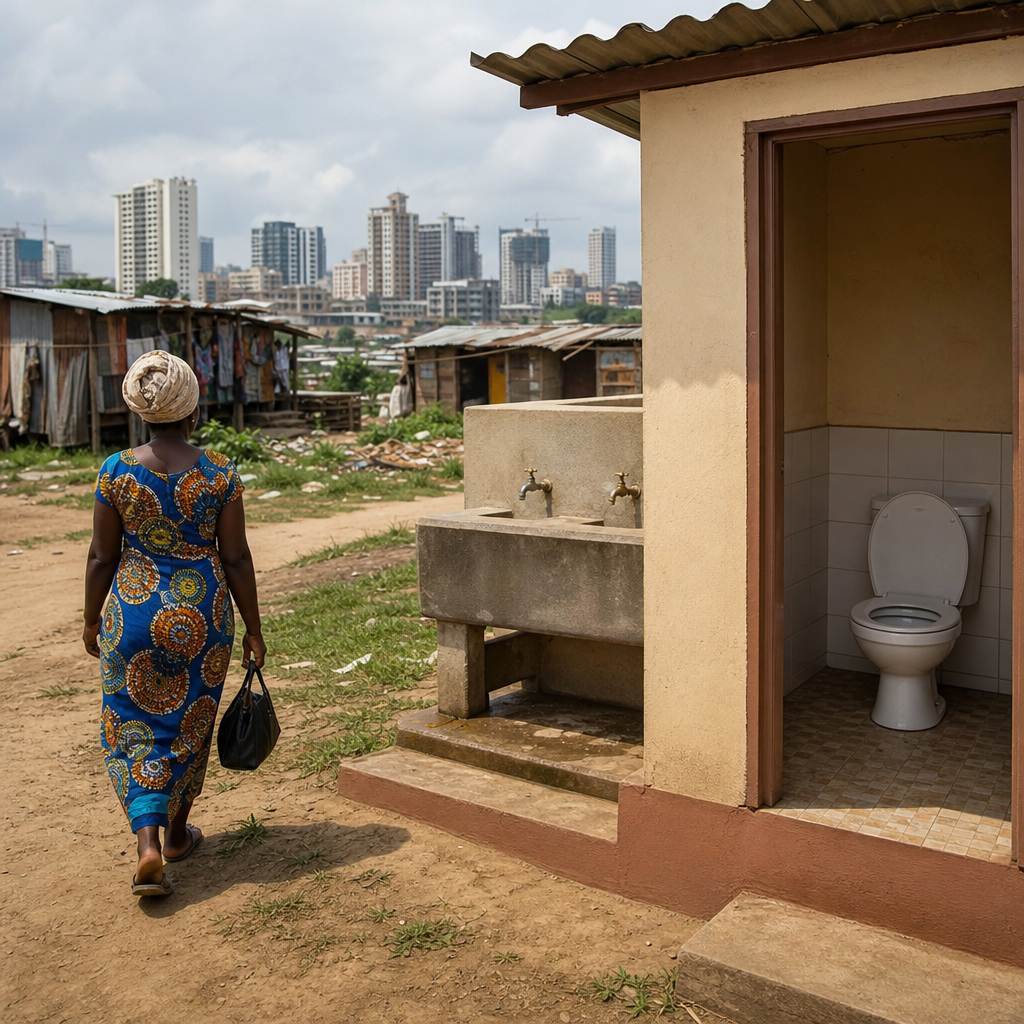
The economics of sanitation in disaster recovery determines whether emergency response restores dignity briefly or creates a financially sustainable path to public health, livelihood recovery, and resilient rebuilding. In this context, sanitation includes containment, collection, treatment, reuse, and safe disposal of human waste, while disaster recovery refers to the period after immediate lifesaving relief when communities rebuild services, institutions, and local markets. Economic sustainability in EcoSan, or ecological sanitation, means sanitation systems are designed not only to protect health and water resources but also to recover nutrients, organic matter, energy, and value in ways that keep operating costs manageable over time. I have worked with post-flood and post-displacement sanitation planning where the cheapest short-term option repeatedly became the most expensive decision after pits filled early, desludging trucks could not access sites, and contaminated groundwater triggered new health costs.
This subject matters because sanitation failures impose direct and indirect economic losses far beyond the visible cost of toilets. Families lose workdays to illness, clinics absorb preventable caseloads, schools see reduced attendance, and municipalities inherit infrastructure that they cannot maintain. The World Bank has long shown that inadequate sanitation reduces national productivity through healthcare spending, time loss, and environmental degradation. In disaster settings, those losses intensify because normal service chains are already disrupted. EcoSan approaches can reduce lifecycle costs when they match local conditions: urine diversion can lower pathogen handling burdens, composting can reduce water dependence, and fecal sludge treatment linked to agriculture can create recoverable value. Yet these outcomes are not automatic. The central economic question is simple: which sanitation model delivers the lowest total social cost while remaining operable under damaged infrastructure, constrained budgets, and uncertain recovery timelines?
Answering that question requires looking beyond toilet unit price. Decision-makers must calculate capital expenditure, operating expenditure, replacement cycles, land requirements, transport distances, labor availability, supply chain resilience, user acceptance, and revenue potential from recovered products. They must also price risk: cholera outbreaks, groundwater contamination, gender-based safety failures, and the cost of rebuilding unsuitable systems twice. A hub article on economic sustainability in EcoSan therefore needs to connect emergency procurement, long-term municipal finance, household affordability, and circular resource recovery. When these pieces are aligned, sanitation in disaster recovery stops being a budget sink and becomes a platform for healthier communities, lower environmental liabilities, and more stable local economies.
Why sanitation economics change after disasters
Disasters distort sanitation economics because the baseline assumptions used in normal infrastructure planning no longer hold. Population density may surge in shelters or camps, land tenure may become uncertain, road access may be intermittent, and water supply may collapse. Under those conditions, conventional sewer expansion is usually too slow and capital intensive, while unmanaged pit latrines can become dangerous quickly in flood-prone or high water table areas. I have seen projects select familiar technologies without recalculating these altered constraints, only to face rapidly rising desludging costs, inaccessible containment units, and emergency retrofits within months.
The key economic shift is from static infrastructure costing to adaptive service-chain costing. Instead of asking only what a toilet costs to install, planners must ask how waste will move safely through the entire chain under disrupted conditions. For example, a low-cost pit may appear attractive, but if a flood deposits sludge into living areas or trucks cannot reach the site, the community pays later through cleanup, disease response, and reconstruction. EcoSan options often gain relevance here because they can reduce water dependence, separate waste streams, and create modular treatment points closer to generation sites. That flexibility has economic value in recovery settings where centralized assumptions fail.
Lifecycle costing and the real price of emergency sanitation
The most reliable way to assess economic sustainability in EcoSan is lifecycle costing. This method includes upfront construction, transport, installation, consumables, labor, maintenance, monitoring, safe emptying, treatment, reuse processing, final disposal, and replacement. It also captures the cost of nonperformance. Sphere standards help frame service expectations, but financial planning must go deeper into unit economics. A urine-diverting dry toilet may cost more initially than a basic trench latrine, yet its total cost over three years can be lower where water is scarce, access roads are weak, and nutrient recovery offsets some operating expense.
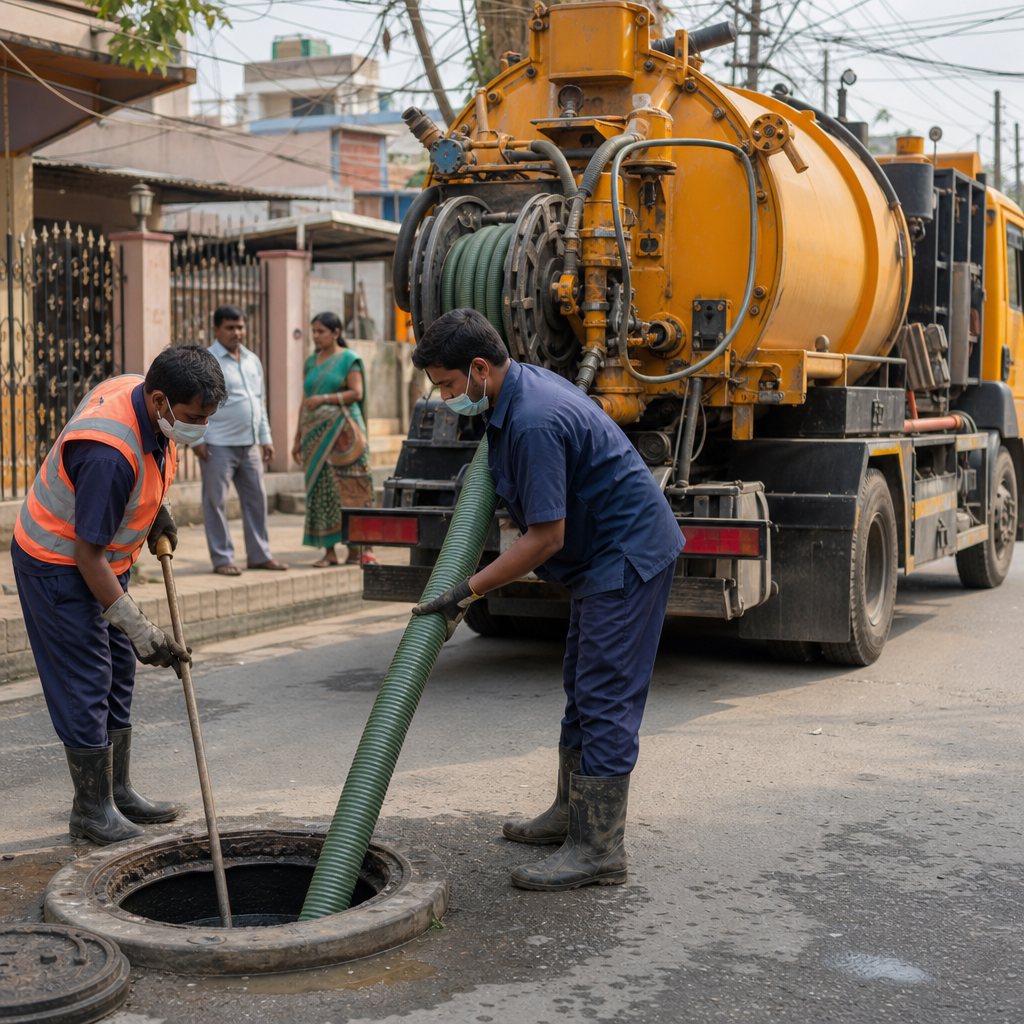
Consider two post-disaster settlement scenarios. In the first, agencies install simple pits for 5,000 residents because procurement is fast. Within six months, pits approach capacity, rains undermine superstructures, and mechanical emptying is impossible due to narrow access. Manual emptying with inadequate protection raises health risks and labor costs, and replacement pits require new land that no longer exists. In the second, a phased EcoSan model uses urine diversion, container-based collection for dense blocks, and decentralized composting or drying beds. The unit cost per toilet is higher, but treatment logistics are predictable, modules can be scaled, and some compost or soil conditioner value is recovered for local agriculture or landscaping. The second system often wins economically once all recurring costs are counted.
| Cost factor | Conventional emergency pit approach | EcoSan-oriented recovery approach |
|---|---|---|
| Initial build cost | Usually lower | Usually moderate to higher |
| Water dependence | Can be high for pour-flush variants | Low in dry or urine-diverting systems |
| Emptying logistics | Often difficult in dense or flooded sites | Designed for managed collection or safer handling |
| Land demand over time | High when pits fill and need replacement | Lower with reusable or modular units |
| Resource recovery value | Minimal | Potential fertilizer, compost, biogas, or fuel value |
| Failure cost | High where groundwater or flooding is a risk | Lower when containment is controlled |
Economic sustainability in EcoSan: where value is created
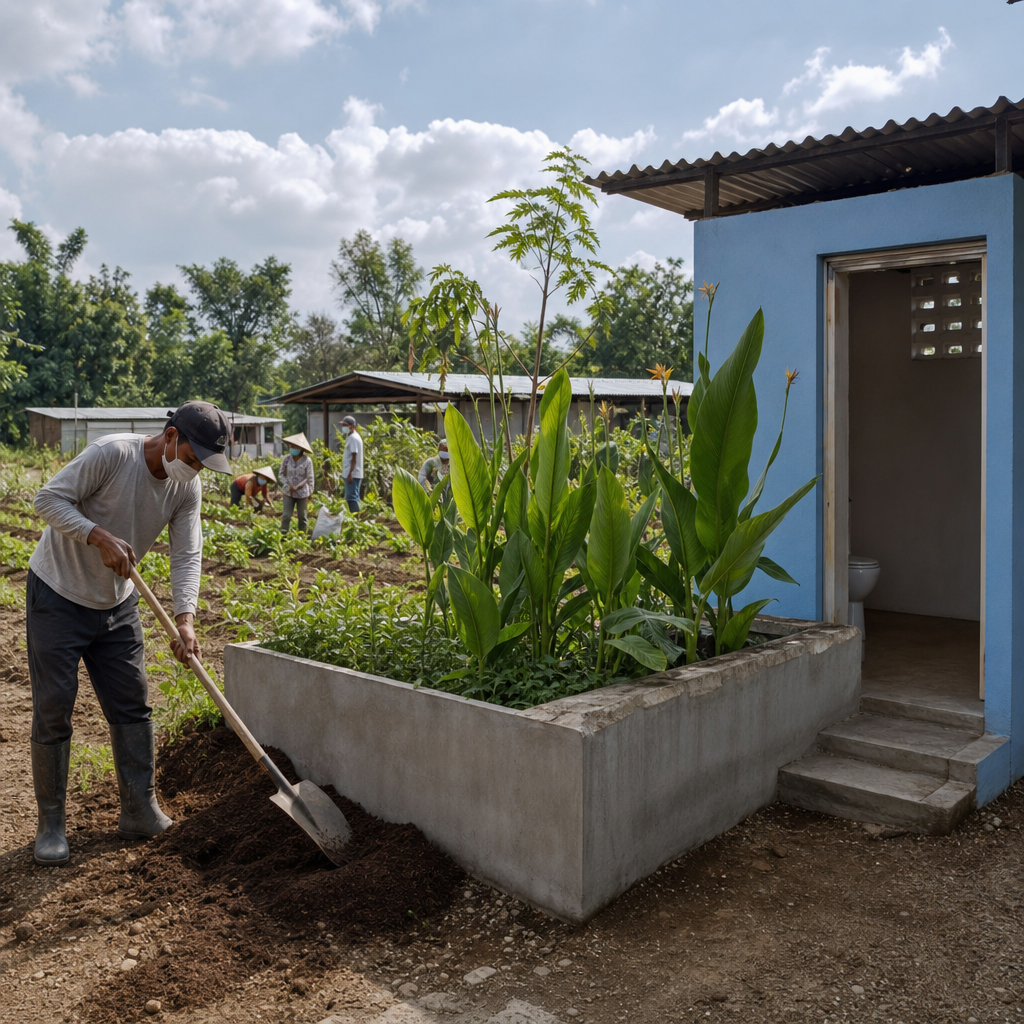
EcoSan is economically sustainable when recovered value, reduced external costs, and durable service design together justify the system over its operating life. The first source of value is avoided cost. Dry or low-water systems reduce the burden on damaged water networks and lower pumping or trucking needs. Separation of urine and feces can simplify treatment pathways, and sealed containers can reduce the emergency spending associated with contaminated floodwater cleanup. The second source is recovered resource value. Human urine contains nitrogen, phosphorus, and potassium that can substitute for part of synthetic fertilizer demand when treated and applied safely under national regulations. Compost-like outputs from treated fecal matter may support tree crops, rehabilitation planting, or nonfood landscaping where direct food-crop use is restricted.
The third source of value is local job creation across the sanitation service chain. Recovery periods often require livelihoods as urgently as infrastructure. EcoSan models can support trained operators, collection workers, treatment technicians, masons, fabricators, and agricultural extension partners. In several cities, container-based sanitation enterprises have shown that regular collection and service subscriptions can outperform one-time toilet distribution because the business model funds ongoing operations. The lesson for disaster recovery is not that every site should commercialize sanitation, but that systems linked to service revenue or productive reuse are more likely to remain functional after donor funding declines.
There are limits. Reuse markets may be weak immediately after a disaster, public perception may restrict sales, and regulatory approval can take time. Nutrient recovery rarely covers full system cost on its own. Financial sustainability usually comes from blending household payments, public subsidy, humanitarian support, and limited product revenue. Still, even modest offsets matter. If recovered products reduce treatment expenditure by ten to twenty percent and cut transport frequency materially, the long-run budget effect is significant.
Choosing the right model for floods, earthquakes, and displacement settings
Different disaster types change the economics of feasible sanitation options. Flood recovery strongly favors above-ground, sealed, or urine-diverting systems because infiltration and groundwater contamination risks make pit-based models expensive in hidden ways. Elevated toilets, container-based services, and modular treatment units often have better total cost profiles once flood recurrence is considered. Earthquake recovery presents another pattern: damaged sewer lines can take years to restore, so decentralized EcoSan systems become a bridge that may later remain permanent in peri-urban zones. In displacement settings, especially protracted camps, the cost of repeatedly rebuilding temporary latrines is notoriously high. More durable, service-based systems can be cheaper by the second or third year.
Site selection is central. High-density areas with poor access tend to benefit from containerized collection because the cost of inaccessible pits escalates quickly. Rural recovery zones with available land and agricultural demand may support composting, arborloo variants, or small-scale biogas where water and management capacity are sufficient. Saline or drought-affected environments often push planners toward dry systems because flushing is economically irrational when potable water is scarce. The best model is the one whose service chain can actually be operated by local actors with available inputs, not the one that looks cheapest in a procurement spreadsheet.
Financing mechanisms that make recovery systems last
Post-disaster sanitation usually fails financially when capital grants are separated from operations. Donors pay for construction, then municipalities or communities inherit maintenance obligations without revenue. A stronger approach uses blended finance. Public funds cover public health externalities, humanitarian grants de-risk the early recovery phase, and user contributions support routine service at an affordable level. Output-based aid can work when providers are paid for verified service delivery rather than toilet installation alone. Performance contracts tied to collection frequency, treatment compliance, and safe reuse can reduce the common problem of abandoned infrastructure.
Microfinance and savings groups may help households upgrade from basic emergency units to more durable EcoSan systems, but affordability must be assessed carefully. In low-income recovery contexts, sanitation tariffs that ignore seasonal income patterns will fail. I have found that payment design matters as much as price level. Weekly mobile money payments, cross-subsidies for vulnerable households, and vouchers for female-headed or displaced families often produce better cost recovery than flat monthly billing. Municipalities also need reserve funds for shock events, because sanitation assets in disaster-prone areas face accelerated wear.
Governance, regulation, and market development
Economic sustainability in EcoSan depends on institutions as much as technology. Clear rules on treatment standards, product quality, occupational safety, and land use reduce investor and operator risk. Without regulatory clarity, recovered products cannot enter formal markets and service providers cannot plan revenue. National sanitation policies increasingly recognize fecal sludge management and non-sewered sanitation, but implementation gaps remain large after disasters. Local governments need procurement templates, licensing pathways, and monitoring protocols that fit decentralized systems.
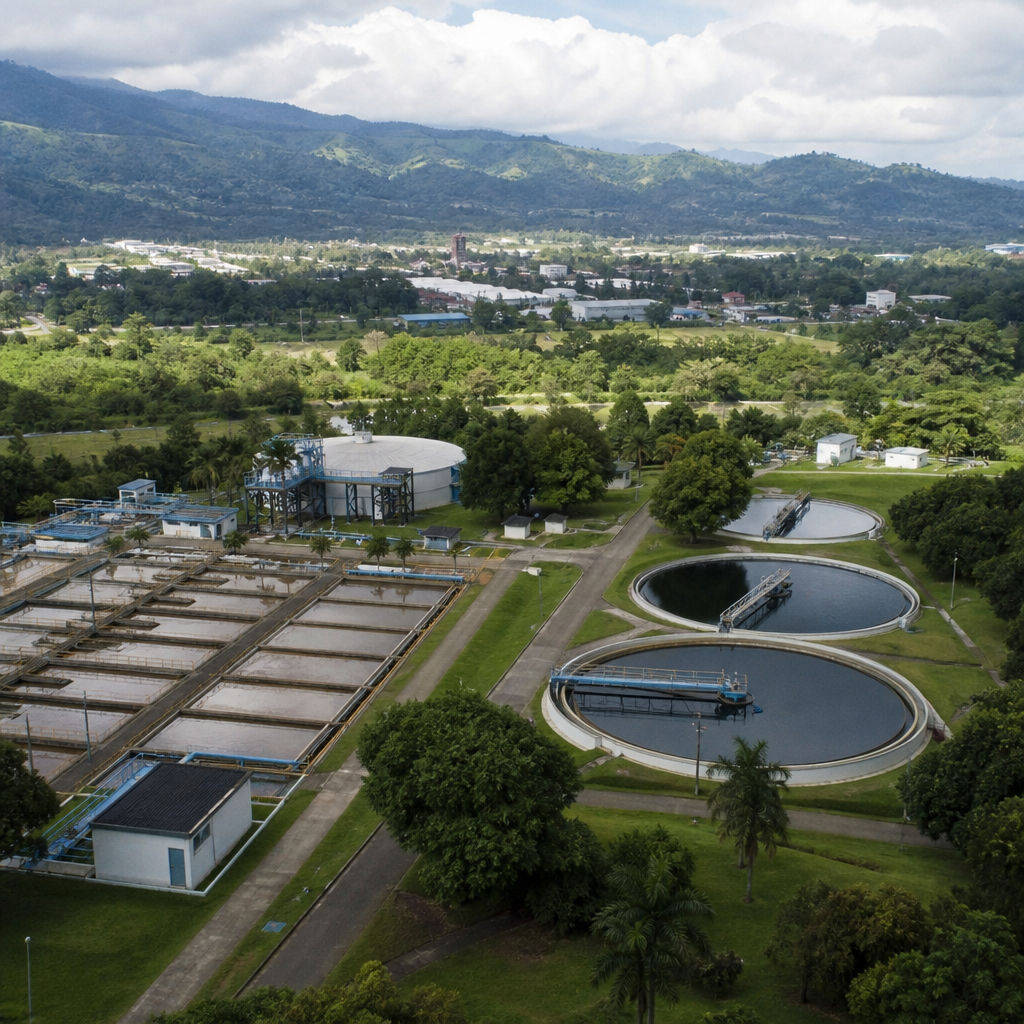
Market development is equally practical. Farmers need evidence that recovered nutrients are safe and useful; public works departments may be better first buyers for compost in roadside planting or land restoration; and sanitation enterprises need predictable aggregation points and transport permits. Partnerships with organizations using WHO sanitation safety planning, FSM Toolbox resources, and utility benchmarking methods can improve operational discipline. Good governance lowers transaction costs, builds trust, and makes EcoSan investments bankable rather than experimental.
How to evaluate success and plan the next layer of articles
A strong hub on the economics of sanitation in disaster recovery should organize decision-making around measurable outcomes. Track cost per person served, cost per cubic meter safely treated, percentage of waste safely contained, collection reliability, user satisfaction, affordability ratio, and recovered product utilization. Add public health indicators such as diarrhea incidence, school attendance, and groundwater test results to capture avoided losses. Compare systems over one, three, and five years, because many bad choices look cheap only in the first quarter. The most credible economic analysis combines engineering data, service records, and household impact evidence.
This subtopic also branches naturally into detailed supporting articles: lifecycle cost models for urine-diverting dry toilets, financing fecal sludge management after floods, market demand for recovered fertilizers, labor economics of container-based sanitation, municipal tariff design in protracted displacement, and regulatory frameworks for safe reuse. Together, those pages should answer both strategic and operational questions so planners, NGOs, utilities, and local governments can choose systems that remain functional after emergency funding fades.
The economics of sanitation in disaster recovery is ultimately about disciplined choices under pressure. When decision-makers count full lifecycle costs, include public health externalities, and assess whether a service chain can survive damaged infrastructure, EcoSan often emerges as a financially stronger option than repeated temporary fixes. Its advantage is not ideology. It is the practical combination of lower water dependence, controllable waste streams, modular deployment, and limited but meaningful resource recovery. In the field, I have seen communities move from failing pits and rising disease risk to managed collection, safer treatment, and productive reuse that supported local landscaping and agriculture. The financial difference came from avoiding repeat construction, reducing transport failures, and creating systems someone could actually operate month after month.
For governments and agencies, the main takeaway is clear: stop evaluating sanitation by toilet price alone. Budget for the full chain, design for the specific disaster context, and align subsidies, tariffs, and regulation so service continues after the first grant closes. For practitioners, the next step is to build comparative models for your target setting and test demand for recovered products before locking in technology choices. Start there, and disaster recovery sanitation becomes healthier, more resilient, and more economically sustainable.
Frequently Asked Questions
1. What does “the economics of sanitation in disaster recovery” actually mean?
The economics of sanitation in disaster recovery refers to how communities, governments, humanitarian organizations, and service providers pay for, manage, and sustain sanitation systems after the immediate emergency phase has passed. It is not only about the upfront cost of toilets or temporary latrines. It includes the full chain of sanitation services: containment, collection, transport, treatment, reuse where appropriate, and safe final disposal of human waste. In disaster recovery, these decisions shape whether sanitation remains a short-lived emergency intervention or becomes a foundation for healthier, more resilient rebuilding.
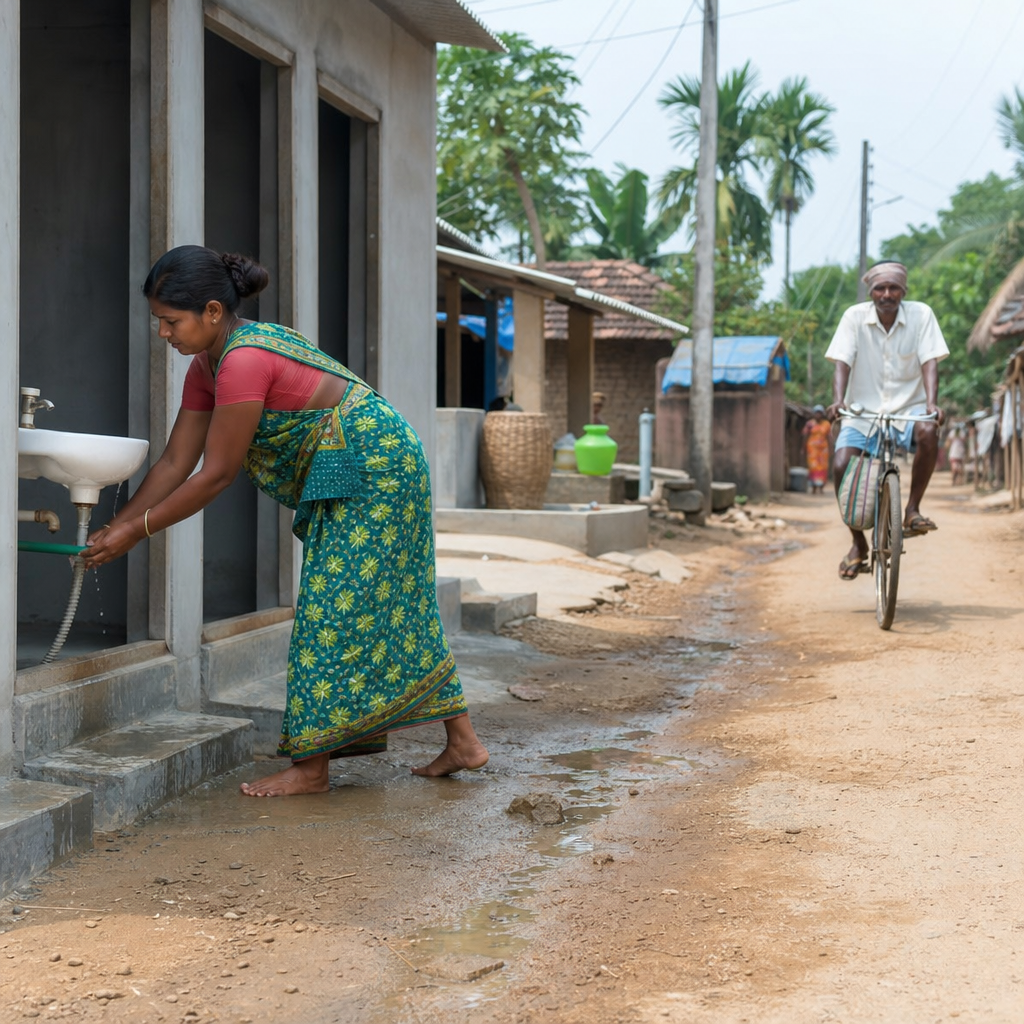
From an economic perspective, sanitation affects both direct and indirect recovery outcomes. Direct costs include infrastructure, labor, fuel, treatment operations, maintenance, monitoring, and institutional oversight. Indirect costs and benefits are often even more important. Poor sanitation increases disease transmission, raises healthcare spending, reduces school and workplace attendance, slows livelihood recovery, and places extra burdens on women and caregivers. By contrast, well-planned sanitation lowers public health risk, supports dignity and safety, helps restore local service markets, and reduces the need for repeated emergency spending.
In practical terms, the economics of sanitation asks questions such as: Who pays for rebuilding systems? What level of service is affordable over time? Can local governments and utilities maintain operations after donor funding ends? Are there opportunities to support local emptying businesses, treatment operators, and supply chains instead of relying indefinitely on imported emergency solutions? These questions matter because recovery is a bridge between relief and long-term development. If sanitation investments are financially unrealistic or disconnected from local capacity, systems often fail quickly. If they are designed around sustainable financing and local institutions, they can improve public health and strengthen resilience well beyond the disaster period.
2. Why is sanitation investment considered economically important during disaster recovery, not just a humanitarian necessity?
Sanitation is absolutely a humanitarian necessity, but treating it only as a short-term welfare issue misses its broader economic value. After a disaster, communities are trying to reopen markets, get children back to school, restore health services, repair homes, and restart local livelihoods. None of that happens efficiently when sanitation systems are broken. Unsafe waste management contributes to diarrheal disease, cholera, parasitic infections, and environmental contamination, all of which impose economic costs on households and public institutions.
Those costs show up in many ways. Families lose income when adults cannot work due to illness or must care for sick relatives. Children miss school, which affects learning continuity and long-term productivity. Clinics and hospitals face higher caseloads, increasing pressure on already fragile health systems. Local businesses, including food vendors and markets, can suffer when sanitation conditions undermine consumer confidence or trigger outbreaks. In dense settlements and temporary housing areas, poor sanitation can also reduce property values, strain social cohesion, and force repeated spending on emergency cleanups or disease control campaigns.
Investment in sanitation during recovery helps prevent these losses while creating positive economic spillovers. Construction and maintenance can generate local jobs. Fecal sludge management services can support small businesses if the regulatory and payment environment is workable. Better sanitation can reduce future disaster vulnerability by limiting contamination of water sources and improving the ability of communities to cope with shocks. In that sense, sanitation spending is not just a cost center. It is a protective investment in human capital, labor productivity, public health, and the stability of local economies. When decision-makers recognize that sanitation contributes to recovery speed and resilience, it becomes easier to justify stronger and more durable financing approaches.
3. What are the biggest financial challenges to building sustainable sanitation systems after a disaster?
One of the biggest challenges is that funding often arrives in a way that favors quick installation over long-term operation. Emergency and early recovery budgets may cover toilets, tanks, or temporary treatment units, but they do not always provide for maintenance, sludge emptying, operator salaries, spare parts, regulatory enforcement, or ongoing monitoring. As a result, systems that look functional on paper can deteriorate rapidly once the initial project period ends.
Another challenge is the mismatch between urgent needs and damaged local economies. After a disaster, households may have lost income, assets, and housing, so expecting them to pay full user fees immediately is often unrealistic. At the same time, local governments may be facing reduced tax revenue and increased demand across multiple sectors, including housing, roads, drainage, education, and health. This creates a financing gap: sanitation services are urgently needed, but the normal sources of cost recovery are weak.
Institutional fragmentation also creates financial inefficiency. Responsibility for sanitation may be split across municipalities, health departments, water utilities, emergency agencies, and humanitarian actors. When roles are unclear, budgets are duplicated in some areas and absent in others. For example, latrines may be built without any funded plan for desludging, treatment, or safe disposal. There can also be hidden costs linked to land access, environmental permitting, transport logistics, and rebuilding treatment capacity in places where roads, power supply, or disposal sites were damaged by the disaster.
Market disruption is another major factor. Local suppliers of cement, pipes, prefabricated units, pumps, protective equipment, and transport services may be unable to operate normally. Fuel costs may be volatile. Skilled labor may be scarce. These constraints raise prices and make it harder to estimate total lifecycle costs. In many settings, the solution is not to search for a single funding source, but to combine targeted subsidies, public finance, donor support, and gradual user contributions in a way that matches local recovery conditions. Sustainable sanitation after a disaster depends less on finding the cheapest technology and more on creating a realistic financing model for the whole service chain over time.
4. How can governments and aid organizations make sanitation recovery financially sustainable over the long term?
Financial sustainability starts with planning sanitation as a service, not a one-time construction project. That means budgeting for the entire lifecycle of infrastructure and operations, including maintenance, emptying, transport, treatment, staffing, energy, spare parts, community engagement, environmental compliance, and eventual upgrades or replacement. Long-term sustainability improves when recovery actors choose technologies that fit local capacity, settlement patterns, water availability, soil conditions, and institutional arrangements rather than importing systems that are expensive to operate or difficult to repair.
Governments and aid organizations can also improve sustainability by using blended financing approaches. In most post-disaster settings, no single source of finance is enough. Public funding may be needed for network restoration, treatment facilities, regulation, and support for low-income households. Donor grants can help cover capital expenditures and initial service stabilization. Over time, affordable tariffs, service fees, municipal transfers, or cross-subsidies may contribute to operating costs where feasible. The key is to align these sources so that systems do not collapse when external funding tapers off.
Strengthening local institutions is equally important. Recovery efforts are more durable when municipalities, utilities, community organizations, and private service providers have clear roles and predictable financing responsibilities. Contracting local desludging operators, supporting small enterprises in sanitation supply chains, and building the capacity of treatment operators can keep money circulating in the local economy while reducing dependence on outside actors. Transparent procurement, service monitoring, and accountability mechanisms also matter because they reduce waste and help ensure that funds actually translate into reliable public health protection.
Good data improves financial decisions as well. Governments and humanitarian agencies should track not just how many toilets are built, but whether waste is being safely contained, collected, treated, and disposed of. Cost data, service coverage data, and health outcome data can reveal which approaches are most efficient. Finally, sanitation planning should be integrated with housing, drainage, solid waste, land use, and public health recovery. When sanitation is treated as part of broader urban and community rebuilding, investments are more likely to be technically appropriate, financially manageable, and resilient to future shocks.
5. What economic benefits can communities gain when sanitation recovery is done well?
When sanitation recovery is done well, the most immediate benefit is reduced disease risk, but the economic gains extend much further. Healthier communities spend less on preventable illness and lose fewer workdays and school days. That matters enormously in the recovery period, when household savings are already depleted and every day of labor can affect whether a family rebuilds its home, restarts a business, or recovers agricultural production. Lower disease burden also eases pressure on clinics and hospitals, allowing limited health resources to be used more efficiently.
Well-designed sanitation systems can also support livelihood recovery directly. Rebuilding infrastructure creates jobs for local masons, plumbers, transport operators, pit emptiers, treatment staff, and maintenance crews. Local production and distribution of sanitation materials can stimulate small businesses. Where conditions allow, treated outputs or resource recovery approaches may create additional value, though these must always be managed safely and within local market realities. Even when reuse is not immediately feasible, the development of organized sanitation services can strengthen local enterprise and municipal service delivery capacity.
There are also broader social and economic benefits tied to dignity, safety, and stability. Safe and accessible sanitation reduces risks faced by women, girls, older adults, and people with disabilities, particularly in temporary settlements or damaged neighborhoods. That improves inclusion and can increase participation in work, education, and community life. Cleaner environments support commerce, make markets and schools more functional, and help neighborhoods recover more quickly. In areas prone to recurring hazards, resilient sanitation systems can reduce future cleanup costs and service disruptions