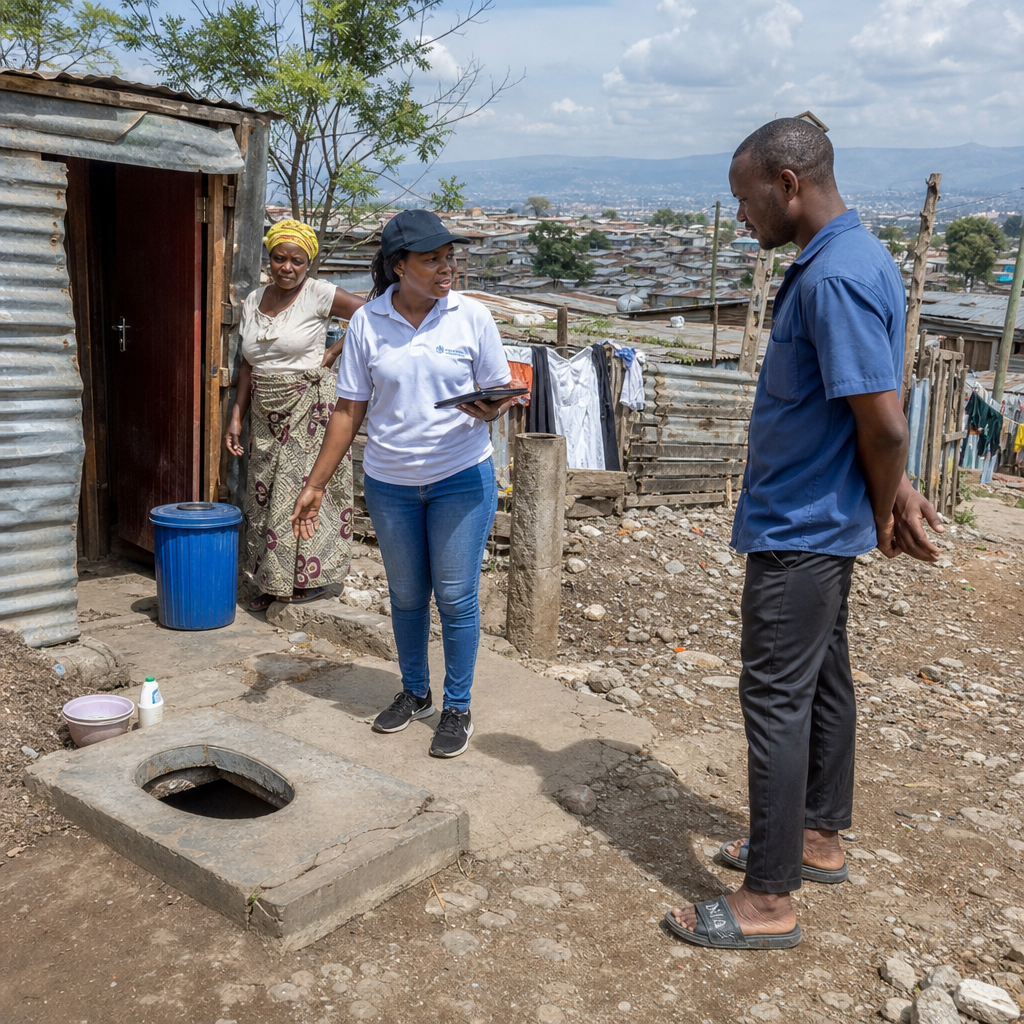
Engaging senior citizens in EcoSan dialogue is one of the most practical ways to strengthen community sanitation, preserve local knowledge, and turn environmental goals into everyday habits people actually trust. EcoSan, or ecological sanitation, is a sanitation approach that treats human waste as a resource rather than only a disposal problem, emphasizing safe containment, nutrient recovery, water conservation, and protection of soil and groundwater. In community engagement and education work, I have seen repeatedly that older residents are not a side audience; they are often the people who shape neighborhood norms, influence family decisions, and remember what sanitation looked like before piped systems, septic expansion, or aid-funded toilet campaigns arrived. That makes them essential to empowering communities through knowledge. When senior citizens understand how urine diversion, composting toilets, fecal sludge management, handwashing systems, and safe reuse practices fit together, they do more than adopt a technology. They legitimize it socially. They ask practical questions younger facilitators may miss, such as odor control, dignity, maintenance burden, affordability, and whether a system will still work during water shortages or power cuts. A strong hub article on this topic must therefore connect environmental sanitation, adult learning, intergenerational dialogue, public health literacy, and local leadership. The goal is not simply to “include elders” in meetings. The goal is to create a structured, respectful EcoSan dialogue where senior citizens help communities understand risks, compare options, and sustain behavior change long after a project team leaves.
Why senior citizens matter in EcoSan community engagement
Senior citizens matter in EcoSan dialogue because they hold social capital that many sanitation programs underestimate. In villages, informal settlements, peri-urban neighborhoods, and small towns, older adults may be retired teachers, health volunteers, faith leaders, cooperative members, former farmers, traditional builders, or simply respected household heads. Their endorsement can reduce resistance to ecological sanitation systems that initially seem unfamiliar. Their skepticism can also save a project from failure. I have sat in community consultations where younger participants nodded politely at technical presentations, while older women asked the decisive questions: who empties the vault, what happens in the rainy season, and can a widow manage the design alone? Those questions determine adoption more than brochures do.
There is also a demographic reason to center seniors. The World Health Organization notes that the global population aged 60 years and older is growing rapidly, meaning community planning cannot treat older adults as a niche audience. At the same time, sanitation barriers affect them disproportionately. Reduced mobility, visual impairment, arthritis, and balance limitations can make poorly designed toilets dangerous. EcoSan systems that ignore accessibility become underused, regardless of environmental benefits. Inclusive dialogue reveals these constraints early enough to adjust seat height, handrails, path surfaces, lighting, door width, and maintenance routines.
Senior citizens also anchor memory. Many remember periods of drought, open defecation reduction campaigns, disease outbreaks, and past soil fertility practices using ash, manure, or compost. That memory helps communities understand why water-saving sanitation and nutrient recycling are not foreign ideas but updated versions of principles they may already recognize. Knowledge-led engagement works best when people can connect new terminology with lived experience.
What senior citizens need to know about EcoSan systems
For dialogue to be meaningful, senior citizens need clear explanations of how EcoSan works, what benefits it offers, and what responsibilities it requires. EcoSan is not one single toilet model. It is a set of principles and technologies designed to close nutrient loops and reduce environmental contamination. Common examples include urine-diverting dry toilets, composting toilets, arborloos, dehydration vault systems, and container-based sanitation linked to treatment and reuse. The right option depends on groundwater level, population density, cultural preferences, land availability, maintenance capacity, and local regulation.
The core message should be direct: EcoSan separates waste streams where possible, treats excreta safely, and can convert nutrients into agricultural value when health safeguards are followed. Urine contains much of the nitrogen and potassium excreted by humans and can be diluted and used as fertilizer in some contexts. Feces contain organic matter and phosphorus but require stricter treatment because pathogens are concentrated there. The World Health Organization’s sanitation safety planning approach and guidance on safe wastewater and excreta use emphasize barrier-based risk reduction, not casual reuse. That distinction matters. Communities should never hear “waste is a resource” without equal emphasis on pathogen control, storage time, handling practices, and crop restrictions where relevant.
Older participants often respond well when explanations connect design to outcomes. A urine-diverting pan reduces moisture in the feces chamber, which lowers odor and improves dehydration. Ash or dry cover material can reduce flies and support drying. A raised toilet may protect groundwater in flood-prone areas better than a poorly sealed pit. A handwashing station positioned beside the toilet reduces fecal-oral transmission. These practical links turn EcoSan from an abstract environmental concept into a daily routine people can evaluate.
How to structure EcoSan dialogue so older adults participate fully
Effective EcoSan dialogue with senior citizens is less about one-off awareness sessions and more about design of participation. Older adults engage best when meetings are accessible, paced appropriately, and respectful of their authority without assuming they all share the same views. Schedule sessions during daylight hours. Use seats with back support. Avoid long technical lectures. Speak in the dominant local language, and explain terms like pathogen, dehydration, graywater, nutrient recovery, and fecal sludge using plain words before introducing technical labels. Printed materials need large fonts and high contrast. Demonstration units should allow people to touch components, test steps, and ask maintenance questions without embarrassment.
Dialogue should also separate and then reconnect groups when needed. In many communities, older women and older men have different sanitation experiences and different comfort levels discussing defecation, menstrual waste, caregiving, and cleaning labor. Small-group sessions can surface concerns that remain hidden in mixed meetings. Afterward, facilitators can bring the groups together to compare priorities and negotiate design choices.
The most successful programs I have worked on use a repeated cycle: listen first, explain second, demonstrate third, revisit later. This sequence prevents the common mistake of presenting a finalized toilet design before understanding what older residents actually need. It also creates internal linking across a wider education strategy: senior-focused sanitation sessions should connect to household hygiene education, disability inclusion work, school outreach, waste management training, and community health promotion. A hub page on empowering communities through knowledge should make those connections explicit so readers see EcoSan dialogue as part of a broader learning ecosystem.
Practical methods for empowering communities through knowledge
Empowering communities through knowledge means turning information into confidence, judgment, and local action. Senior citizens do not need to become sanitation engineers, but they should be able to compare options, recognize health risks, and guide household decisions. The methods below are consistently effective because they combine adult learning principles with sanitation practice.
| Method | How it works | Why it helps senior citizens | Example in EcoSan dialogue |
|---|---|---|---|
| Guided demonstration | Facilitator shows each use and maintenance step on a real unit | Reduces fear of unfamiliar designs and answers practical questions immediately | Demonstrating urine diversion, ash addition, lid closing, and handwashing sequence |
| Story-based discussion | Uses local case stories instead of abstract theory | Connects new sanitation concepts to lived experience and memory | Comparing a flood-damaged pit latrine with a raised dehydration toilet |
| Peer educator model | Trained older residents explain systems to neighbors | Builds trust faster than outside technical staff alone | Senior women leading home visits on toilet cleanliness and safe reuse rules |
| Problem-mapping workshop | Community identifies sanitation failures, risks, and priorities visually | Validates local knowledge and clarifies where EcoSan fits | Mapping odors, standing water, difficult paths, and emptying problems |
| Follow-up coaching | Short visits after installation reinforce correct use | Supports memory, habit formation, and troubleshooting | Checking cover material storage, pan cleaning, and accessibility adjustments |
These methods work because they respect how adults learn. People retain more when they see, discuss, and practice. They also work because they shift authority. Instead of communities passively receiving a toilet, they actively evaluate a sanitation system against health, convenience, dignity, and environmental performance. That is the foundation of lasting community engagement and education.
Addressing barriers, misconceptions, and trust issues
Any honest article on engaging senior citizens in EcoSan dialogue must confront barriers directly. The first is cultural discomfort. In some places, discussing human waste openly is considered rude, especially across generations. Facilitators should not force bluntness without context. A better approach is to begin with health, water, farming, or household care, then move gradually toward sanitation processes. Respectful language matters. So does using trusted intermediaries such as community health workers, faith leaders, or senior association leaders.
The second barrier is misconception. Some residents assume EcoSan always smells bad, is only for poor households, or requires farmers to handle raw waste. None of those claims is inherently true. Odor usually indicates poor moisture control, poor ventilation, or weak maintenance. EcoSan can be low-cost or relatively sophisticated depending on design. Safe reuse relies on treatment, storage, protective handling, and context-specific rules, not raw exposure. Misconceptions should be answered with demonstrations, not arguments.
A third barrier is mistrust created by failed projects. Communities remember toilets that cracked, filled too quickly, flooded, or were abandoned because spare parts were unavailable. Senior citizens often remember those failures most clearly. Acknowledge them. Then explain what is different: better siting, trained masons, user training, maintenance plans, accessible features, and realistic operating costs. Trust increases when facilitators discuss tradeoffs candidly. For example, dry systems save water but require disciplined use of cover material and more user attention. That honesty is persuasive because it sounds like reality, not promotion.
From dialogue to adoption, leadership, and long-term impact
The real test of EcoSan dialogue is what happens after the meeting. Adoption improves when senior citizens move from attendees to co-leaders. They can serve on sanitation committees, monitor accessibility issues, host demonstration visits, mentor caregivers, and help resolve disputes about cleaning responsibilities or shared facility rules. In intergenerational programs, older residents can pair with youth groups to document local sanitation challenges and track changes over time. That exchange benefits both sides: young people bring energy and digital skills, while seniors bring legitimacy and historical perspective.
Long-term impact also depends on measurable follow-through. Communities should track indicators that matter to older adults as well as project managers: toilet usability, perceived safety at night, frequency of cleaning, availability of water or dry cover material, handwashing compliance, maintenance costs, and satisfaction with dignity and privacy. Where reuse is part of the system, monitoring should include adherence to treatment periods and protective handling procedures. Simple scorecards discussed in community meetings can keep learning active.
As the hub for empowering communities through knowledge, this topic should connect readers to related subtopics such as participatory hygiene education, inclusive toilet design, behavior change communication, sanitation financing, school-community learning, and safe resource recovery. EcoSan succeeds when knowledge circulates across all those areas. Senior citizens are central to that circulation because they translate information into trusted advice within households and neighborhoods. If you want stronger community sanitation outcomes, start by inviting older adults into the EcoSan conversation early, equipping them with practical knowledge, and giving them a real role in decisions. Build dialogue, not just awareness, and communities will be far better prepared to choose systems they can use safely, maintain confidently, and defend publicly for years to come.
Frequently Asked Questions
Why is it important to involve senior citizens in EcoSan dialogue?
Involving senior citizens in EcoSan dialogue matters because they often hold decades of practical knowledge about local sanitation habits, seasonal water patterns, soil conditions, food growing traditions, and the social dynamics that influence whether a new system will actually be accepted. EcoSan, or ecological sanitation, depends on more than infrastructure alone. It works best when people understand how safe containment, nutrient recovery, water conservation, and environmental protection fit into daily life. Older adults can help translate these ideas into familiar, trusted routines rather than presenting them as outside concepts.
Senior citizens also play an important role in credibility. In many communities, they are respected advisors whose opinions influence household decisions, community meetings, and intergenerational behavior. When they understand and support EcoSan principles, they can help reduce resistance, address fears about using treated waste resources safely, and explain how sanitation improvements protect both family health and local land and water. Their participation can turn EcoSan from a technical topic into a community value. That makes engagement stronger, more inclusive, and far more likely to produce lasting sanitation behavior change.
How can communities explain EcoSan to older adults in a way that feels clear and respectful?
The most effective approach is to start with familiar concerns rather than technical language. Many older adults are already deeply aware of issues such as water scarcity, crop productivity, contaminated wells, odors, disease risks, and the burden of maintaining sanitation systems. Community educators can connect EcoSan directly to those realities by explaining that it is a practical sanitation approach designed to safely contain waste, protect groundwater, reduce unnecessary water use, and in some systems recover nutrients that can support soil health. When the conversation begins with everyday experience, the concept becomes easier to trust.
Respectful communication also means avoiding assumptions. Older adults should not be treated as passive audiences. Instead, they should be invited to compare current EcoSan ideas with sanitation practices they have seen over time, including what worked, what failed, and what created health or environmental problems. Visual demonstrations, local examples, simple diagrams, and small group conversations are often more effective than lecture-heavy presentations. It also helps to leave space for questions about safety, smell, maintenance, privacy, and cultural acceptability. Clear answers, patience, and acknowledgement of their lived experience create the kind of dialogue that leads to informed support rather than reluctant agreement.
What concerns do senior citizens commonly have about EcoSan systems?
Senior citizens often ask practical questions first, and rightly so. Common concerns include whether EcoSan toilets are safe to use, whether they produce odors, whether they are difficult to maintain, and whether recovered materials can genuinely be handled without creating health risks. They may also worry about how these systems perform during rainy seasons, drought, or in areas with difficult soil conditions. For people who have spent years dealing with the consequences of poor sanitation, skepticism is often based on experience rather than resistance to change.
There may also be cultural and emotional concerns. Some older adults may question whether treating human waste as a resource is acceptable, dignified, or compatible with long-standing social norms. Others may be concerned about who will manage the system, whether younger family members will follow instructions properly, and whether maintenance responsibilities will fall unfairly on elderly household members. These are important issues to address openly. The best response is not to dismiss concerns, but to explain how properly designed EcoSan systems prioritize hygiene, containment, user safety, and manageable operation. Demonstrations, site visits, and examples from similar communities can be especially helpful in showing that EcoSan is not about lowering standards, but about improving sanitation in a way that protects health and the environment at the same time.
How can senior citizens contribute to the success of EcoSan programs beyond simply attending meetings?
Senior citizens can contribute in many meaningful ways that go far beyond participation as audience members. They can act as community advisors, helping planners understand household routines, land use history, and local attitudes that affect where and how EcoSan systems should be introduced. They can identify barriers that younger project teams may overlook, such as mobility limitations, maintenance burdens, privacy expectations, or cultural concerns related to toilet design and resource reuse. Their feedback can improve both the technical fit and the social acceptance of a sanitation program.
They can also serve as trusted messengers and mentors. In families and neighborhoods, older adults often shape behavior through example and conversation. When they understand EcoSan principles, they can help younger generations appreciate the connection between sanitation, water protection, soil fertility, and public health. They may also support training activities, encourage proper use and upkeep, and help preserve local environmental knowledge that strengthens long-term planning. In this way, senior citizens become partners in sanitation governance, not just beneficiaries of a project. That kind of ownership is one of the strongest predictors of whether EcoSan practices will continue after initial campaigns or funding cycles end.
What are the long-term community benefits of engaging senior citizens in EcoSan education and decision-making?
The long-term benefits are both practical and social. On a practical level, involving senior citizens can improve the design, acceptance, and durability of EcoSan solutions. Their knowledge of local water sources, flooding patterns, agricultural practices, and community habits can help ensure that sanitation systems are safer, more appropriate, and easier to maintain over time. Their participation can also support more consistent use of sanitation facilities, better protection of soil and groundwater, and stronger understanding of nutrient recovery and water conservation. These outcomes matter because EcoSan succeeds when it is woven into daily community life, not treated as a short-term project.
On a social level, engagement builds trust across generations. It creates space for older adults to pass on local knowledge while learning about modern sanitation strategies that address current environmental pressures. This can strengthen community cohesion and make environmental goals feel realistic rather than abstract. When senior citizens help shape the dialogue, EcoSan becomes associated with care, responsibility, and shared stewardship instead of being seen as a technical intervention imposed from outside. Over time, that can lead to healthier households, more resilient sanitation habits, stronger community ownership, and a broader culture of environmental responsibility rooted in local wisdom and everyday practice.